


Plot Explained Spoilers guaranteed!
Plot Explained

Browse by genre

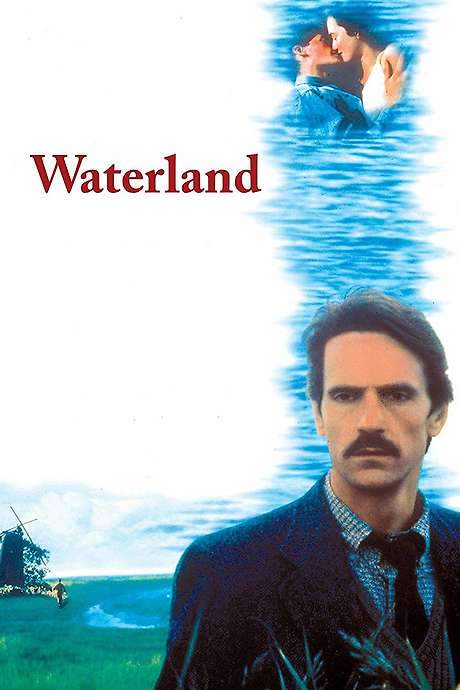
Waterland (1992) movie poster

Timeline

Waterland (1992) Timeline Explained – Every Event in Order

Release, runtime and language
1992 · 95 mins · English
Directed by
Stephen Gyllenhaal
Starring
Jeremy Irons, Cara Buono, Ethan Hawke, John Heard, Maggie Gyllenhaal, Lena Headey

A troubled high school history teacher embarks on a profound reassessment of his life, choosing to share his reflections with his students. As he narrates his own story, he weaves together the experiences of three generations of his family, linking past and present in a compelling classroom narrative.

On this page (8)
  1. 1 Where to watch
  2. 2 Events in order (14)
  3. 3 Timeline questions answered
  4. 4 The book behind the movie
  5. 5 Movie threads
  6. 6 Movies like Waterland
  7. 7 Categories
  8. 8 Every angle

Where to watch

Where to Watch Waterland (1992)

Where can you watch Waterland? Stream, rent or buy it in the US, including on Amazon Video and Apple TV Store: current JustWatch availability with up-to-date prices.

Streaming availability powered by JustWatch

14 events in order · contains spoilers

Waterland Timeline: Events in Chronological Order

Every key event of Waterland (1992) in order, scene by scene, with when and where it takes place. Use it to untangle flashbacks, time jumps and parallel storylines, to refresh your memory before the sequel or to find the exact scene you are thinking of.

  1. Crick’s 1974 life reassessment

    Tom Crick, a troubled English-born Pittsburgh high school teacher in 1974, reassesses his life. He changes his teaching method and begins narrating his life to his class, weaving his personal history with England's history. His narration blends three generations and reshapes how history is taught in the classroom.

    When
    1974
    Where
    School classroom
  2. Mary’s abduction and present turmoil

    One day Crick comes home to find Mary has abducted a child from a woman in a supermarket, believing the child is hers and a gift from God. He helps Mary return the baby and urges her to seek counselling. After this incident, Mary leaves Crick and disappears.

    When
    1974
    Where
    Supermarket and home
  3. Mary’s disappearance and the past closing in

    Crick's present-day narration reveals the aftermath: Mary disappears and the marriage strains further. He then recalls their wartime romance and how past choices haunt his understanding of history. This event deepens Crick’s personal guilt and drives his storytelling.

    When
    1974
    Where
    Crick's home; present
  4. War-era romance and a life-changing abortion

    During World War II, Crick recounts a teenage romance that Mary had with his older brother Dick. The relationship results in Mary becoming pregnant and an abortion that leaves her infertile. Crick feels deep guilt over these tangled past events and the jealousy surrounding Mary.

    When
    World War II
    Where
    The Fens, England; World War II era
  5. Incest rumors and family tension

    Amid the turmoil, Crick describes rumours during his adolescence that Dick could be the product of an incest between Mary and their grandfather, or that he might be the father of Mary's baby. These whispers intensify the tension between the brothers and shadow the family history. The truth remains elusive, feeding Crick’s sense of guilt and confusion.

    When
    Adolescence
    Where
    The Fens
  6. The riverbank abortion

    To obtain an abortion, the characters seek a gypsy medicaster living by the riverbank. The procedure is performed and Mary becomes infertile as a result. This act seals the tragic arc of Mary’s fertility and deepens the family’s secretive past.

    When
    World War II era
    Where
    Riverbank; gypsy medicaster's place
  7. Present-day classroom and Price

    In the present, Crick continues teaching and gradually creates a vivid world in his classroom by narrating his life. Matthew Price, a thoughtful student, is the only pupil who seems to understand the deeper motive behind Crick’s personal history. Crick uses these memories to illuminate broader historical themes.

    When
    1974
    Where
    School classroom
  8. Mother’s nursing life and a hospital past

    Crick explains his mother's life as a nurse in a manor that was converted into a psychiatric hospital after World War I. The hospital sits on land once owned by Crick's grandfather, a successful brewer and influential figure. This history ties the family to the region's social fabric.

    When
    Post-WWI
    Where
    Manor/psychiatric hospital
  9. Grandfather, war, and lineage

    Crick describes his grandfather’s status and the family’s connections, noting that his father Henry fought in the Great War. These memories situate the Crick family within The Fens’ wartime and social history. The generational strand helps explain the present tensions Crick faces in his life.

    When
    World War I
    Where
    The Fens
  10. Paternity rumors and adolescent fear

    Crick recalls persistent rumors during adolescence that Dick was born from an incestuous relationship between Mary and the grandfather. The rumor colors the brothers' relationship and amplifies guilt and fear within the family. The tension remains unresolved in Crick’s memory.

    When
    Adolescence
    Where
    The Fens
  11. Dick’s murder of Freddie Parr

    As tensions mount, Dick murders Freddie Parr, whom he suspects is the father of Mary’s baby. He disposes of the body in the river, an act that triggers Tom’s confrontation with his brother. The murder heightens the family’s cycle of violence and secrecy.

    When
    Teenage years
    Where
    River; dredging bridge
  12. Confrontation, confession, and downfall

    Tom confronts Dick about Freddie’s murder and Dick threatens him with a beer bottle used in the killing. The confrontation drives Dick to a nervous breakdown, and he runs away, throwing himself into the water. Crick’s narration marks Dick’s drowning as the tragic culmination of the family saga.

    When
    Teenage years
    Where
    Home; river
  13. Crick’s dismissal and final exhortation

    Back in the present, Crick is dismissed from his job after complaints about his unorthodox teaching. In his last speech to the school auditorium, he speaks directly to Price, urging him to never lose hope in humanity’s future. The moment blends personal loss with a broader message about resilience.

    When
    Present
    Where
    School auditorium
  14. Return to the Fens and the uncertain reunion

    Crick returns to the Fens to search for his estranged wife Mary, hoping for a possible reconciliation. Arriving by the lake, he sees Mary in the distance and walks toward her, while the ending leaves their reunion open to interpretation. The film closes on a note of ambiguous possibility.

    When
    Present
    Where
    The Fens by the lake

Last updated: October 07, 2025 at 09:45

Was this helpful?

Timeline questions answered

Waterland Timeline Explained: Your Questions Answered

When does it happen, and why in that order? The questions people ask about the chronology of Waterland (1992): time jumps, flashbacks, cause and effect between scenes and the correct order of events, each answered with spoilers.

Q1

Why does Mary abduct a baby from the supermarket?

Mary abducts the baby because she is suffering from a mental breakdown and becomes convinced the child is hers, sent as a gift from God. This stems from her long-standing grief over being infertile after a botched abortion during World War II. The abduction is a symptom of her unraveling mental state and desperate longing for a child she was never able to have.

  • mary crick
  • baby abduction
  • mental breakdown
  • infertility
  • supermarket scene
Q2

What caused Mary to become infertile?

Mary became infertile after undergoing a dangerous abortion performed by a gypsy medicaster by the riverbank during World War II. The procedure was sought after Mary became pregnant during her teenage years, and it left her unable to have children ever since. This tragic event haunts Tom Crick with guilt, as he was partly responsible for the circumstances that led to the abortion.

  • mary infertility
  • abortion
  • gypsy medicaster
  • riverbank
  • world war 2
Q3

Why did Dick kill Freddie Parr?

Dick murdered Freddie Parr because he suspected that Freddie was the father of Mary's baby. Jealousy and suspicion consumed Dick, who was already mentally unstable. Believing Freddie had taken Mary from him, Dick killed Freddie and disposed of his body in the river, an act that would later lead to his own tragic downfall.

Foreshadowing: Earlier rumors about Mary's pregnancy and the suspected paternity create tension that builds toward this violent act.

  • dick crick
  • freddie parr
  • murder
  • jealousy
  • paternity
Q4

How did Dick die?

Dick died by drowning. After Tom confronted Dick about Freddie's murder, the situation escalated. Dick, overwhelmed by guilt and mental instability, ran away and threw himself into the water, where he drowned. This tragic end marked the culmination of the family's cycle of violence and secrets.

  • dick crick
  • drowning
  • death
  • river
  • confrontation
Q5

What is the truth about Tom's paternity?

Tom discovers through a letter from his grandfather that he was conceived through an incestuous relationship between his own mother and his grandfather. This shocking revelation explains the persistent family rumors about Dick's origins and adds another layer of dark secrets to the Crick family's history.

Foreshadowing: Earlier whispers about incestuous connections between Mary and the grandfather hint at the family's hidden truths.

  • tom crick
  • paternity
  • grandfather
  • incest
  • family secret
  • letter
Q6

Why is Tom fired from teaching?

Tom is dismissed from his teaching position after parents and school administrators complain about the highly personal and controversial nature of his lessons. By turning his history class into a platform for narrating his own traumatic family history, including details about murder, incest, and abortion, Tom crosses professional boundaries that lead to his termination.

  • tom crick
  • fired
  • dismissed
  • teaching
  • classroom
  • school
Q7

What was the relationship between Mary and Dick?

During World War II, Mary had a romantic relationship with Dick, Tom's older brother. Tom had asked Mary to "teach" Dick about sex, which led to the intimate encounters. Mary later denied having a full affair and claimed the child she carried was Tom's, not Dick's. The uncertainty about the baby's true father and rumors of incest haunted the family for years.

  • mary crick
  • dick crick
  • romance
  • affair
  • teenage
  • world war 2
Q8

What role does the grandfather play in the family secrets?

Tom's grandfather was a successful brewer and respected figure in The Fens. He is central to the family's dark secrets: there were persistent rumors that he had an incestuous relationship with Mary, potentially fathering Dick. Additionally, a letter later reveals that Tom himself was conceived through an incestuous relationship between his mother and his grandfather, making the grandfather the father of Tom's mother.

Foreshadowing: The family history and whispers about the grandfather's relationships foreshadow the devastating revelations about Tom's true paternity.

  • grandfather
  • brewer
  • the fens
  • incest
  • family secret
  • manor
Q9

Does Tom find Mary at the end of the film?

After being dismissed from his teaching job, Tom returns to The Fens hoping to reconcile with Mary, who had previously left him. The film ends with Tom walking toward Mary by the lakeside in the open fields. However, the reunion remains ambiguous, the final image suggests possibility and hope, but whether they actually reunite is left open to interpretation.

  • tom and mary
  • reunion
  • ending
  • the fens
  • lake
  • reconciliation
Q10

What are the incest rumors surrounding the Crick family?

There are persistent rumors throughout the family history that Dick may have been conceived through an incestuous relationship between Mary and the grandfather. These rumors persist during Tom's adolescence and create tension between the brothers. The truth remains murky until the grandfather's letter confirms Tom's own shocking origins, revealing he was the product of incest between his mother and grandfather.

  • incest
  • rumors
  • family secret
  • dick crick
  • grandfather
  • the fens

Movie threads

More Movies Like Waterland, by Mood & Story

Curated lists built around what makes Waterland tick: the same mood, the same kind of story or the same emotional payoff. Each list explains why these movies belong together.

Movies with unreliable narrators like Waterland

Stories where a troubled protagonist unravels a traumatic past. If you liked the way Waterland's teacher reveals his past, explore more movies like it. These films feature troubled protagonists who act as unreliable narrators, slowly uncovering traumatic family histories and personal secrets in a complex, reflective narrative style.

  • introspective
  • haunted
  • reflective
  • somber
  • psychological
  • guilty
  • Tone: melancholic, introspective, anguished
  • Pacing: variable, reflective
Why these movies?

The story pattern: This thread groups movies where the narrative is filtered through the distorted perspective of a psychologically wounded protagonist. The story structure is often non-linear, using flashbacks and personal recollections to piece together a traumatic truth, blurring the lines between memory, confession, and reality.

Why they belong together: These movies share a focus on internal psychological states, complex narrative structures, and the heavy emotional weight of confronting a buried past. They create a similar experience of slowly discovering the truth alongside a flawed, introspective character.

Movies about generational trauma like Waterland

Dramas where the sins of the past haunt the present. For viewers who appreciated the deep exploration of family history in Waterland, this section features similar movies about generational trauma. These heavy dramas show how secrets, grief, and tragedies from the past ripple through time, shaping the present in complex and melancholic ways.

  • somber
  • gloomy
  • haunted
  • grief
  • reflective
  • anguished
  • Tone: melancholic, somber, heavy
  • Pacing: variable, slow build
Why these movies?

The story pattern: Narratives in this thread weave together timelines, connecting past events—often involving family secrets, loss, or violence—with the contemporary struggles of descendants. The emotional journey involves confronting this inherited pain to understand one's own identity and find a path forward, often leading to a bittersweet resolution.

Why they belong together: These films are grouped by their central thematic focus on inherited pain and the inextricable link between past and present. They share a heavy, melancholic tone, complex storytelling that bridges time, and a deep emotional resonance centered on family legacy.

If you liked this

Movies Like Waterland

Similar movies to Waterland: the same genre, themes or kind of story. Each one comes with its own plot summary, timeline and ending explained.

Browse all movie summaries

Categories

Movie Lists Featuring Waterland

Waterland appears in these hand-built movie categories. Each one groups movies by a specific mood, theme or story type, with their plot summaries and endings explained.

View all movie categories

Every angle

Waterland (1992) Explained: Plot, Timeline & Characters

Everything about Waterland in one place: what happens in the plot summary, the timeline in chronological order, the characters and meaning and a spoiler-free summary. What's After the Movie adds the cast, box office and post-credit scenes.

Coming soon on iOS and Android

The Plot Explained Movie Summary App

Plot summaries, endings explained and timelines on your phone. Catch up on any movie in minutes, save your favorites and never miss a twist again.

Be the first to know when we launch. Your email stays private, always.

Learn more about the app