Plot Explained Spoilers guaranteed!
Plot Explained

Browse by genre

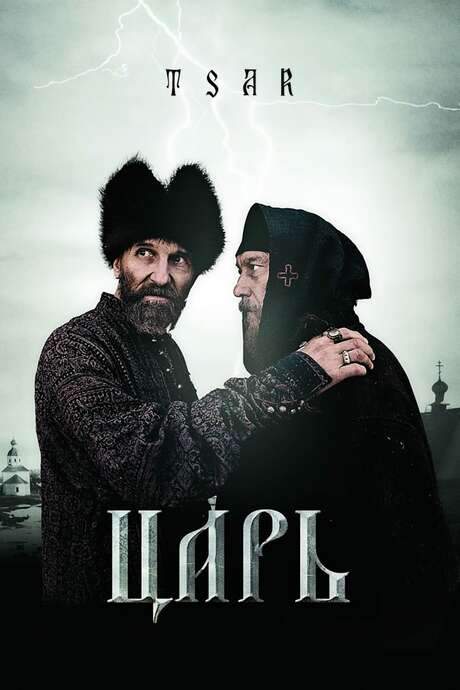
Tsar Ivan the Terrible (1991) movie poster

Plot Summary

Tsar Ivan the Terrible (1991) Plot Summary Explained

Release, runtime and language
1991 · 137 mins · Russian
Loading streaming availability…
Directed by
Gennadi Vasilyev
Starring
Kakhi Kavsadze, Zoya Buryak, Nikolay Smorchkov, Mikhail Kalinkin, Vladimir Antonik, Aleksandr Yakovlev

Adaptation of ‘Prince Serebrenni’ by A. K. Tolstoy.

On this page (6)
  1. 1 Where to watch
  2. 2 What happens: full plot
  3. 3 Plot questions answered
  4. 4 Movie threads
  5. 5 Movies like Tsar Ivan the Terrible
  6. 6 Every angle
Loading streaming availability…

Full plot summary · contains spoilers

What Happens in Tsar Ivan the Terrible: Full Plot Summary

The whole story of Tsar Ivan the Terrible (1991) explained, from the opening scene to the final frame: every key event, every twist and what it all adds up to. Read it as a quick recap before the sequel, to check a scene you missed, or to finally understand what really happened.

Last updated: October 09, 2025 at 15:01

Was this helpful?

Plot questions answered

Tsar Ivan the Terrible Plot Explained: Your Questions Answered

The questions people ask most about Tsar Ivan the Terrible (1991): what happens in the confusing scenes, why the characters do what they do, the twists, hidden details and what the ending means. Each answer contains spoilers.

Q1

What is the oprichnina and why does it matter in the story

The oprichnina was Ivan the Terrible's policy of terror against his own people, creating a period of extreme oppression where the tsar's enforcers (oprichniki) terrorized peasants and nobles alike. This system establishes the brutal political landscape that drives the entire narrative, forcing characters like Serebryany to choose between compliance and resistance.

Foreshadowing: The oprichnina is established immediately when Serebryany returns home, showing the tyranny that defines the film's atmosphere.

  • oprichnina
  • ivan the terrible
  • tyranny
  • oprichniki
  • historical context
Q2

Why does Elena marry Morozov instead of Vyazemsky

Elena is forced into marriage with Morozov as a desperate measure to escape the unwanted advances of Vyazemsky. She chooses safety with Morozov over further harassment, though this marriage ultimately leads to violence when Vyazemsky attacks Morozov's home to reclaim her.

Foreshadowing: Vyazemsky's desperation for Elena's affection is established early, showing his willingness to pursue her at any cost.

  • elena
  • morozov
  • vyazemsky
  • forced marriage
  • abduction
Q3

Why does Ivan spare Serebryany's life at court

Serebryany is spared when Boris Godunov and Maxim Skuratov intercede on his behalf before the tsar. Their intervention saves him from punishment for his defiance against the oprichniki, though this reprieve does not end his troubles with the court.

Foreshadowing: Godunov and Skuratov's support hints at their future political maneuvering throughout the film.

  • serebryany
  • ivan
  • boris godunov
  • maxim skuratov
  • court
Q4

Why does Vyazemsky turn to sorcery and consult a sorcerer

Vyazemsky consults a miller reputed to practice sorcery because he is desperate to win Elena's affection after she rejects him. His obsession leads him to dark magic as a last resort, a decision that later becomes evidence used against him in court accusations of witchcraft.

Foreshadowing: Vyazemsky's consultation with the sorcerer directly connects to later accusations of witchcraft against him.

  • vyazemsky
  • sorcery
  • witchcraft
  • miller
  • elena
Q5

Why does Vyazemsky attack Morozov's home and abduct Elena

Vyazemsky attacks Morozov's home with the tsar's tacit approval, assaulting Elena in his obsessive attempt to possess her. This violent act reflects the lawlessness of the oprichnina period, where powerful nobles could act withimpunity. Elena escapes and seeks refuge in a convent to escape his pursuit.

Foreshadowing: The attack occurs after Elena's forced marriage, showing Vyazemsky's refusal to accept her rejection.

  • vyazemsky
  • elena
  • abduction
  • assault
  • convent
Q6

Why does Basmanov obtain a protective talisman from the same sorcerer

Basmanov secretly obtains a protective talisman from the same sorcerer Vyazemsky had consulted, demonstrating the paranoia and double standards of the court. When Vyazemsky is accused of witchcraft, Basmanov's connection to the same sorcerer makes him vulnerable to similar accusations, which Skuratov later exploits.

Foreshadowing: Basman's possession of the talisman foreshadows his eventual downfall through the same witchcraft allegations.

  • basmanov
  • talisman
  • witchcraft
  • sorcerer
  • skuratov
Q7

Why does Ivan the Terrible swing between remorse and cruelty

Ivan is haunted by visions of his misdeeds and the memory of his late wife Anastasia, creating an internal battle between remorse and his capacity for cruelty. His rule becomes increasingly erratic as he oscillates between wanting forgiveness and exacting brutal punishment, driven by paranoia fanned by his court advisors.

Foreshadowing: Ivan's psychological torment sets up his unpredictable decisions throughout the film, including sentencing and pardoning various characters.

  • ivan
  • anastasia
  • remorse
  • cruelty
  • paranoia
  • torment
Q8

Why does Serebryany lead outlaws to fight the Tatars

After being freed by grateful outlaws he helped, Serebryany persuades them to abandon banditry and join him in fighting invading Tatars. This represents his transformation from a lone defender of peasants to a military leader, choosing to fight external enemies rather than continue resisting the tsar's tyranny directly.

Foreshadowing: Serebryany's earlier intervention against oprichniki establishes his character as someone who acts to protect others.

  • serebryany
  • outlaws
  • tatars
  • battle
  • leadership
Q9

Why is there a trial by combat between Morozov and Vyazemsky

After Vyazemsky's assault leaves Morozov wounded but alive, Morozov demands justice. Ivan decrees a trial by combat as the medieval legal method for determining truth. Morozov's champion prevails, leading to Vyazemsky's eventual execution for the crime.

Foreshadowing: The trial by combat follows directly from Vyazemsky's attack on Morozov's home.

  • trial by combat
  • morozov
  • vyazemsky
  • justice
  • ivan
Q10

Why does Ivan humiliate Morozov by making him court jester

After Vyazemsky's execution, Ivan humiliates Morozov by appointing him court jester, likely viewing him as a reminder of the court scandal. However, this backfires when Morozov uses his position to openly condemn Ivan's tyranny, leading to his execution for speaking truth to power.

Foreshadowing: Ivan's cruel sense of humor in making a wronged man a jester sets up the ironic outcome of his own downfall.

  • morozov
  • jester
  • humiliation
  • ivan
  • execution
Q11

Why does a holy fool intervene to save Basmanov

When Ivan, encouraged by Skuratov, sentences Basmanov to execution, a holy fool intervenes to save his life. Holy fools in Russian tradition held special spiritual status and could speak truths others could not, giving them unique influence even over the tsar.

Foreshadowing: The intervention represents a moment of spiritual mercy in an otherwise brutal court.

  • basmanov
  • holy fool
  • execution
  • skuratov
  • intervention
Q12

Why does Elena become a nun at the end

After being abducted and assaulted by Vyazemsky, Elena seeks refuge in a convent where her traumatic experiences lead her to take monastic vows. When Serebryany finally comes to find her, he discovers she has already become a nun, leaving him devastated and symbolizing the lasting damage of Ivan's tyrannical reign.

Foreshadowing: Elena's escape to the convent after abduction sets the stage for her eventual decision.

  • elena
  • nun
  • convent
  • serebryany
  • vows
Q13

Why does Ivan execute Vyazemsky for witchcraft

Ivan orders Vyazemsky's execution, attributing his downfall to witchcraft. This serves as a convenient excuse to remove a troublesome noble while appearing pious. The accusation of witchcraft against Vyazemsky was initially made by Basmanov, though the sorcerer connection ultimately destroys multiple court figures.

Foreshadowing: Vyazemsky's earlier consultation with the sorcerer becomes the evidence used to condemn him.

  • vyazemsky
  • execution
  • witchcraft
  • ivan
  • accusation

Movie threads

More Movies Like Tsar Ivan the Terrible, by Mood & Story

Curated lists built around what makes Tsar Ivan the Terrible tick: the same mood, the same kind of story or the same emotional payoff. Each list explains why these movies belong together.

Movies about ruthless tyrants like Tsar Ivan the Terrible

Historical and fictional stories of rulers consumed by their own unchecked authority. If you were fascinated by the grim portrayal of power in Tsar Ivan the Terrible, this collection features similar historical dramas and epics. Discover movies that explore the brutal reigns of autocrats, the political intrigue of corrupt courts, and the devastating human cost of absolute rule.

  • brutal
  • paranoid
  • oppressive
  • political intrigue
  • corruption
  • betrayal
  • Tone: dark, oppressive, grim
  • Pacing: steady, deliberate
Why these movies?

The story pattern: Stories in this thread typically follow the ascent and consolidation of power by a single ruler, charting their transformation from a potentially hopeful leader into a paranoid and cruel tyrant. The narrative often focuses on the systemic violence, political machinations, and personal betrayals that define their reign.

Why they belong together: These films are grouped together by their unflinching focus on the dark side of leadership. They share a high intensity, a dark tone, and a heavy emotional weight, creating a consistently oppressive and historically weighty viewing experience centered on the theme of power's corruption.

Grim and brutal historical movies like Tsar Ivan the Terrible

Unflinching period dramas that do not shy away from violence and harsh truths. For fans of the harsh realism in Tsar Ivan the Terrible, this section highlights other historical epics with a dark and oppressive feel. Find movies like this that offer a steady, weighty narrative pace and are unafraid to explore themes of murder, betrayal, and sexual violence within a historical context.

  • grim
  • brutal
  • historically weighty
  • oppressive
  • violent
  • disturbing
  • Tone: dark, grim, historically weighty
  • Pacing: steady, epic
Why these movies?

The story pattern: These films are typically linear, straightforward narratives set in a specific historical period. They focus on conveying the visceral reality of the time, often through a central conflict involving power struggles or survival. The journey is emotionally taxing, emphasizing the grimness of the era rather than offering easy resolutions.

Why they belong together: They are connected by a shared commitment to a dark, realistic portrayal of history. The combination of a steady pacing, high intensity, heavy emotional weight, and the inclusion of strong violence and disturbing themes creates a cohesive vibe of immersive, challenging historical storytelling.

If you liked this

Movies Like Tsar Ivan the Terrible

Similar movies to Tsar Ivan the Terrible: the same genre, themes or kind of story. Each one comes with its own plot summary, timeline and ending explained.

Browse all movie summaries

Every angle

Tsar Ivan the Terrible (1991) Explained: Plot, Timeline & Characters

Everything about Tsar Ivan the Terrible in one place: what happens in the plot summary, the timeline in chronological order, the characters and meaning. What's After the Movie adds the cast, box office and post-credit scenes.

Coming soon on iOS and Android

The Plot Explained Movie Summary App

Plot summaries, endings explained and timelines on your phone. Catch up on any movie in minutes, save your favorites and never miss a twist again.

Be the first to know when we launch. Your email stays private, always.

Learn more about the app