Plot Explained Spoilers guaranteed!
Plot Explained

Browse by genre

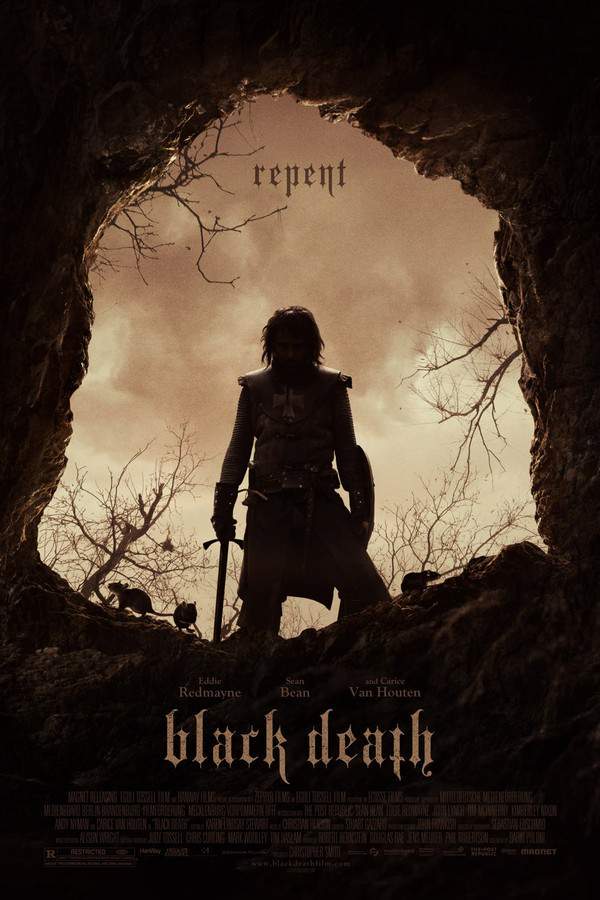
Black Death (2011) movie poster

Plot Summary

Black Death (2011) Plot Summary Explained

Release, runtime and language
2011 · 102 min · English
JustWatch #1,157 18
Directed by
Christopher Smith
Starring
Carice van Houten, Sean Bean, Eddie Redmayne, Kimberley Nixon

During the Black Death's devastation in 1348, a knight named Ulric and a novice monk, Osmund, journey through a fearful and superstitious Europe. They seek to verify rumors of a village seemingly untouched by the plague. Their dangerous quest leads them into a cursed marshland, where they face not only the physical horrors of the disease but also a profound crisis of faith and morality as they are forced to confront the darkest aspects of humanity.

On this page (6)
  1. 1 Where to watch
  2. 2 What happens: full plot
  3. 3 Plot questions answered
  4. 4 Movie threads
  5. 5 Movies like Black Death
  6. 6 Every angle

Where to watch

Where to Watch Black Death (2011)

Where can you watch Black Death? Stream, rent or buy it in the US, including on Amazon Prime Video, fuboTV and Hulu: current JustWatch availability with up-to-date prices.

Streaming availability powered by JustWatch

Full plot summary · contains spoilers

What Happens in Black Death: Full Plot Summary

The whole story of Black Death (2011) explained, from the opening scene to the final frame: every key event, every twist and what it all adds up to. Read it as a quick recap before the sequel, to check a scene you missed, or to finally understand what really happened.

Black Death opens with a haunting voiceover from Wolfstan (John Lynch), a soldier tasked by the Church in 14th Century England. As an enforcer of divine justice, Wolfstan and his fellow soldiers are on a relentless mission to hunt down those who stray from God's path. The film begins amidst the turmoil of the bubonic plague, which ravages the population and inspires widespread belief that it is a punishment from God cast upon the sinful. However, Wolfstan ponders whether such an extreme punishment can truly be justified, probing the depths of human sin and its consequences.

In this turbulent time, we meet Osmund, a young novice monk. He is sent into a nearby town on a task, where he encounters Averill, a captivating young woman who harbors deep feelings for him. Fearing for her safety as the plague spreads, Osmund implores Averill to escape with him into the safety of the forest. She pleads with him to join her, promising to wait for him each dawn by a specific landmark, for just one week. This heartfelt exchange leaves Osmund torn between his love for Averill and his sacred vows to God. In a moment of desperation, he kneels in prayer for guidance and clarity regarding his conflicting emotions.

The plot thickens when Ulrich, an aide to the local bishop, leads a troop of Church soldiers to the monastery where Osmund resides. They seek a monk to guide them on a perilous journey to a remote village rumored to be free of the plague. Seeing this as the divine sign he prayed for, Osmund eagerly volunteers, knowing the expedition will lead them through the very forest where he urged Averill to hide.

As the group travels through the somber woods, they stumble upon villagers preparing to execute a woman accused of witchcraft (Marianne Graffam). Ulrich intervenes only to end her life quickly, arguing that the villagers would have done much worse otherwise. The soldiers proceed, eventually setting up camp in the forest. Eagerly, Osmund rushes to meet Averill at their predetermined spot, only to discover her scarf and a gang of bandits. In a chaotic turn of events, the brigands attack the camp. Though the soldiers manage to fend them off, many horses are stolen, necessitating their journey to continue on foot.

Upon reaching the village, they are greeted by Hob (Tim McInnerny), who offers them hospitality for the evening. As Osmund, now injured, receives care from Langiva, the village herbalist, it becomes evident that the serene facade of the village conceals darker truths. Langiva, seeing through Ulrich's facade, reveals her underlying resentment towards the Church, which caused her personal loss. She later unveils a startling discovery—sacrifice effigies of the last Church party that attempted to punish the villagers. Then, in a shocking revelation, she pulls Averill’s body from a shallow grave, intensifying Osmund's grief.

The narrative escalates into a harrowing conflict where Ulrich finds himself amidst a witch-hunt of a different kind. The villagers, believing themselves free from the Church's oppression, turn the tables on the soldiers. Their drugged dinner leads to each soldier facing trial at the hands of the villagers, exposing a grim reckoning. Frith (Thorsten Querner), one of the soldiers, faces a brutal death when he refuses to renounce his faith, only to be disemboweled.

As chaos unfolds, Osmund navigates the complexities of love and loyalty, ultimately confronting Langiva again within her home. Here, he finds Averill alive but in a deeply altered state, prompting him to make a tragic choice to end her suffering, believing she has been cursed. Langiva, enraged by the Church's continued oppression, takes matters into her own hands, and Ulrich faces a brutal end, exposing the devastating impact of the plague he brought upon the village inadvertently.

In the aftermath, as battles rage and loyalties are tested, Wolfstan reflects on the fate of the remaining characters. As he journeys back to the monastery with Hob in custody, he acknowledges the irony of a village untouched by the curse of the plague, attributing their survival to isolation rather than witchcraft.

In his poignant closing monologue, Wolfstan acknowledges the tragic transformation of Osmund into a vengeful figure of the Church. Osmund’s grief spirals into madness, fueled by his relentless pursuit of Langiva, whom he sees as the root of his anguish. This relentless drive propels him into becoming an inquisitor, enacting merciless vengeance on those he perceives as witches, embodying the very horrors he once sought to combat.

As the story reaches its haunting conclusion, Wolfstan's voice resonates with a painful prayer for Osmund's redemption, even as he partakes in the grim execution of innocents—a cycle of violence that leaves the audience pondering the true nature of faith and humanity's darkness. The film concludes with a powerful fade to black, leaving behind lingering questions about morality, belief, and the cost of fanaticism.
Last updated: May 12, 2025 at 07:04

Was this helpful?

Plot questions answered

Black Death Plot Explained: Your Questions Answered

The questions people ask most about Black Death (2011): what happens in the confusing scenes, why the characters do what they do, the twists, hidden details and what the ending means. Each answer contains spoilers.

Q1

Why does Osmund volunteer to guide the Church soldiers?

Osmund volunteers because he sees the arrival of the Church soldiers as a divine sign. After praying for guidance about his conflicting feelings for Averill and his religious vows, the soldiers arrive seeking a monk to guide them to a remote village rumored to be free of the plague. Osmund believes this is the answer to his prayers, he can use the journey to find Averill in the forest where he told her to hide.

Foreshadowing: Earlier, Osmund urges Averill to hide in the forest, making this journey his opportunity to reunite with her.

  • osmund
  • monk
  • church soldiers
  • divine sign
  • volunteer
  • journey
Q2

Is Averill actually dead when Langiva shows her grave?

No, Averill is not dead. When Langiva shows Osmund what appears to be Averill's shallow grave and pulls out her body, this is a manipulation. Langiva has been keeping Averill drugged and hidden, not killed. She uses this cruel trick to psychologically torment Osmund and further her vendetta against the Church.

Foreshadowing: Langiva harbors deep resentment toward the Church for causing her personal loss.

  • averill
  • langiva
  • drugged
  • grave
  • manipulation
Q3

Why does Osmund kill Averill after finding her alive?

Osmund kills Averill because he believes she has been cursed or bewitched by Langiva. When he finds her in a drugged, semiconscious state in Langiva's house, he is convinced she has been corrupted by dark magic beyond redemption. Believing he is sparing her from further suffering, he makes the tragic decision to end her life.

Foreshadowing: Langiva reveals she has been keeping Averill drugged and demonstrates her knowledge of herbal poisons.

  • osmund
  • kills averill
  • cursed
  • drugged
  • mercy killing
Q4

Why do the villagers drug the soldiers during dinner?

The villagers drug the soldiers as part of a coordinated revenge plot. Langiva, the herbalist who despises the Church, has orchestrated the entire welcome. She feeds the soldiers drugged wine so they can be captured and put on trial for their crimes against the village. The villagers then become the accusers, turning the tables on the Church's own witch-hunting tactics.

Foreshadowing: Langiva shows Osmund effigies of the last Church party that came to punish the village.

  • villagers
  • drugged soldiers
  • langiva
  • revenge
  • trial
  • capture
Q5

How did the village remain free of the plague?

The village remained free of the plague due to strict isolation, not witchcraft. When Wolfstan reflects on the village's survival, he realizes their immunity came from their geographic remoteness and lack of contact with outside travelers, Ulrich inadvertently brings the plague with him when he arrives. There are no supernatural forces protecting them.

Foreshadowing: The journey to the village is described as remote and dangerous, through cursed marshland.
  • village
  • plague free
  • isolation
  • no witchcraft
  • ulrich brought plague
Q6

Why is Ulrich killed so violently by the villagers?

Ulrich is killed because the villagers discover he is a plague carrier. After being captured and tortured, the villagers realize he has brought the Black Death to their previously healthy village. In a violent mob frenzy, they tie him to horses which pull him apart, the villagers blame him for introducing the very plague they escaped for so long.

Foreshadowing: Ulrich's party enters the village from the outside world, the primary source of plague transmission.

  • ulrich
  • killed
  • plague
  • violent death
  • horses
  • revenge
Q7

What happens to Osmund after the village?

Osmund descends into madness and becomes an inquisitor. Driven by grief and a desire for vengeance against Langiva for causing Averill's death, he channel his trauma into mercilessly hunting supposed witches. He tortures and executes innocent women, transforming into the very kind of religious fanatic he once questioned.

Foreshadowing: Wolfstan's opening monologue questions whether divine punishment can be justified, foreshadowing the film's exploration of religious violence.

  • osmund
  • inquisitor
  • revenge
  • madness
  • witch hunts
  • transformation
Q8

Who is Wolfstan and what is his function in the story?

Wolfstan serves as both a narrator and a surviving soldier. He provides voiceover commentary at the film's beginning and end, reflecting on the events and their moral implications. He is the sole survivor among the Church soldiers, and it is through his perspective that we learn of Osmund's tragic transformation into an inquisitor years later.

Foreshadowing: Wolfstan questions the justification of divine punishment in his opening monologue.

  • wolfstan
  • narrator
  • soldier
  • survivor
  • voiceover
Q9

What is Langiva's motivation against the Church?

Langiva harbors deep personal resentment toward the Church because they caused her direct suffering. She lost family members to previous Church inquisitions that targeted the village. Her expertise in herbal medicine is labeled witchcraft by the Church, making her a target. She seeks revenge by turning the Church's own tactics against its soldiers.

Foreshadowing: Langiva reveals her secret resentment toward the Church when treating Osmund.

  • langiva
  • revenge
  • church
  • inquisitor
  • herbalist
  • personal loss
Q10

What does the film's ending represent?

The ending represents a tragic cycle of violence and the corruption of faith. Osmund, who once questioned whether God's punishment is justified, becomes the very instrument of unjust punishment he feared. The final image of him presiding over an execution embodies how trauma and grief can transform a man of faith into a force of evil, raising questions about whether the real horror is supernatural curses or human cruelty.

Foreshadowing: The opening ponders whether extreme divine punishment can be justified, and Wolfstan closes with a prayer for redemption.

  • ending
  • cycle of violence
  • faith
  • corruption
  • tragedy
  • execution
Q11

Does Ulrich actually bring the plague to the village?

Yes, Ulrich inadvertently brings the plague to the village. The village had remained isolated and healthy until Ulrich and his soldiers arrived. When the villagers discover that Ulrich carries the Black Death, their anger turns violent, they blame him for threatening the very isolation that kept them safe. This is why his death is so brutal; they see him as the bringer of death.

Foreshadowing: The village is described as having remained untouched by the plague through isolation.

  • ulrich
  • brings plague
  • village
  • infection
  • arrival
Q12

What does Osmund accuse Langiva of during their confrontation?

  • osmund
  • langiva
  • confrontation
  • accusation
  • murder
  • averill

Movie threads

More Movies Like Black Death, by Mood & Story

Curated lists built around what makes Black Death tick: the same mood, the same kind of story or the same emotional payoff. Each list explains why these movies belong together.

Medieval horror stories of faith and brutality like Black Death

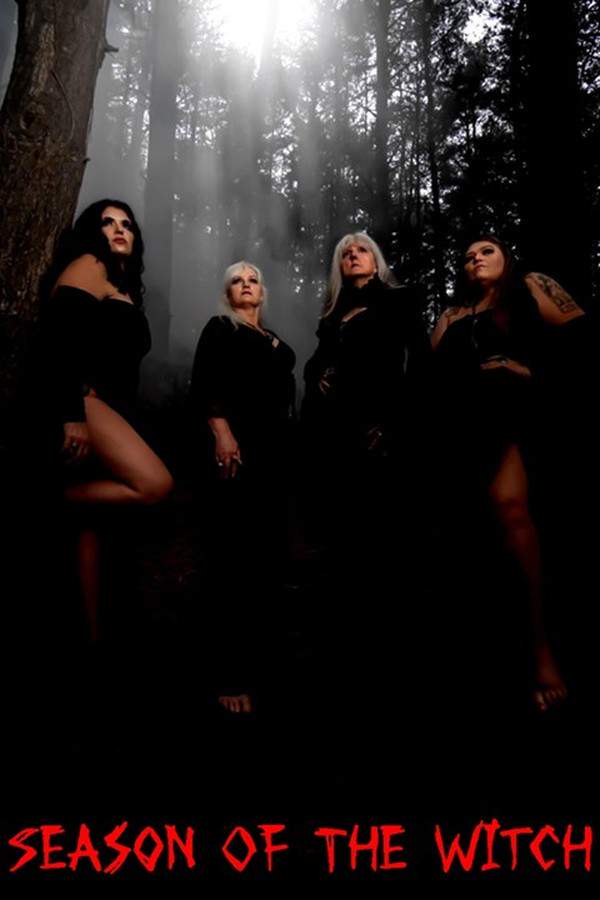
Historical journeys into superstition and brutality, testing faith and humanity. For viewers who liked the grim historical setting and moral decay of Black Death, this section collects movies like The Witch, The Last Duel, and Season of the Witch. These similar historical horror and drama films feature a dark tone, high intensity, and explore themes of superstition, faith, and survival in a brutal, plague-ridden world.

  • grim
  • oppressive
  • brutal
  • somber
  • medieval
  • supernatural dread
  • Tone: dark, bleak, oppressive
  • Pacing: steady, methodical
Why these movies?

The story pattern: Stories in this thread typically follow a linear quest or investigation into a remote, cursed location. Protagonists, often men of faith or duty, gradually have their beliefs shattered as they uncover a truth far more horrifying than they anticipated. The narrative structure is a steady descent into a heart of darkness, where the line between good and evil blurs, leading to tragic transformations or bleak revelations.

Why they belong together: Movies are grouped here for their shared commitment to a grim, immersive medieval atmosphere, a central crisis of faith narrative, and a high-intensity exploration of brutality and supernatural dread. They deliver a consistently dark and heavy viewing experience defined by historical authenticity and psychological horror.

Bleak stories of tragic transformation like Black Death

Character journeys where idealism is crushed, creating the monster they fought. If you liked the devastating character arc in Black Death where Osmund loses his faith, this list features movies with similar journeys of tragic transformation. Films like Apocalypse Now, Martyrs, and Nightcrawler share this pattern of a steady descent into darkness, a bleak ending, and a heavy emotional weight from a protagonist's moral collapse.

  • somber
  • desperate
  • harrowing
  • bleak
  • tragic
  • moral decay
  • Tone: dark, bleak, tragic
  • Pacing: steady, downward spiral
Why these movies?

The story pattern: The narrative pattern is a focused character study that follows a linear but devastating downward spiral. It begins with a protagonist holding a clear moral compass, which is then challenged by extreme circumstances—war, fanaticism, or violence. The story methodically strips away their humanity, forcing compromises that lead to a point of no return. The climax is not a triumph but a realization of their own damnation or a complete loss of self.

Why they belong together: These films are united by their core focus on a protagonist's irrevocable moral collapse. They share a steady pacing that builds dread, a dark to bleak tone, and an ending that offers no catharsis, only the heavy weight of tragedy. The emotional journey is the central similarity, making the viewing experience consistently intense and somber.

If you liked this

Movies Like Black Death

Similar movies to Black Death: the same genre, themes or kind of story. Each one comes with its own plot summary, timeline and ending explained.

Browse all movie summaries

Every angle

Black Death (2011) Explained: Plot, Timeline & Characters

Everything about Black Death in one place: what happens in the plot summary, the timeline in chronological order, the characters and meaning and a spoiler-free summary. What's After the Movie adds the cast, box office and post-credit scenes.

Coming soon on iOS and Android

The Plot Explained Movie Summary App

Plot summaries, endings explained and timelines on your phone. Catch up on any movie in minutes, save your favorites and never miss a twist again.

Be the first to know when we launch. Your email stays private, always.

Learn more about the app