Plot Explained Spoilers guaranteed!
Plot Explained

Browse by genre

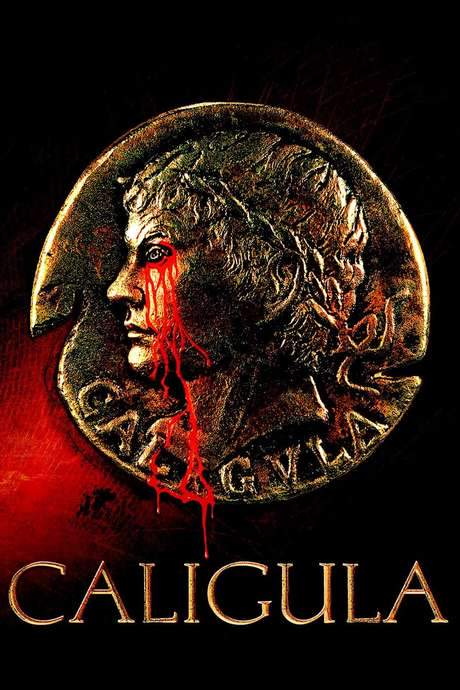
Caligula (1979) movie poster

Plot Summary

Caligula (1979) Plot Summary Explained

Release, runtime and language
1979 · 156 mins · Italian
Loading streaming availability…
Directed by
Tinto Brass
Starring
Helen Mirren, John Gielgud, Adriana Asti, Malcolm McDowell, Peter O'Toole, Mirella D'Angelo

With the death of the paranoid Emperor Tiberius, his heir Caligula ascends to the throne, and his unchecked authority quickly descends into a reign of violence, cruelty and unchecked excess. He drives the Roman Empire into a bloody spiral of madness and depravity, revealing how absolute power corrupts absolutely.

On this page (6)
  1. 1 Where to watch
  2. 2 What happens: full plot
  3. 3 Plot questions answered
  4. 4 Movie threads
  5. 5 Movies like Caligula
  6. 6 Every angle
Loading streaming availability…

Full plot summary · contains spoilers

What Happens in Caligula: Full Plot Summary

The whole story of Caligula (1979) explained, from the opening scene to the final frame: every key event, every twist and what it all adds up to. Read it as a quick recap before the sequel, to check a scene you missed, or to finally understand what really happened.

Caligula [Malcolm McDowell] is the young heir to the throne of his great-uncle, Emperor Tiberius [Peter O'Toole]. One morning, a blackbird omen appears in his room, setting an uneasy mood that mirrors the looming shadow of power. Soon after, Naevius Sutorius Macro [Guido Mannari], one of the Praetorian Guard chiefs, informs Caligula that Tiberius demands his immediate presence at Capri, where the Emperor lingers with his close friend Nerva [John Gielgud], Caligula's dim-witted uncle Claudius [Giancarlo Badessi], and Caligula's cousin Gemellus [Bruno Brive]. Fearing assassination, Caligula hesitates, but his sister and lover Drusilla [Teresa Ann Savoy] urges him to travel.

On Capri, Caligula witnesses a Rome in decline through Tiberius’s debauched pleasures and embittered view of politics. He watches as the Emperor swims naked with youths and endures humiliating sex shows, a tableau that fascinates and horrifies him at the same time. Tension heightens when Tiberius attempts to poison Caligula in front of Gemellus; Nerva meets a tragic end when he takes his own life, and Caligula’s first attempt to strike back fails. Macro proves his loyalty by killing Tiberius, with Gemellus bearing witness to the brutal act.

Following the death and burial of Tiberius, Caligula is proclaimed the new Emperor and immediately elevates Drusilla to a position of equality, a move that unsettles the Senate. Drusilla, wary of Macro’s influence, pressures Caligula to remove him from power. Caligula stages a sham trial in which Gemellus testifies that Macro murdered Tiberius, and he bans Macro’s wife Ennia [Adriana Asti] from Rome. Macro is publicly executed in a gruesome game, while Caligula appoints Longinus [John Steiner] as his personal assistant and elevates the previously compliant Chaerea [Paolo Bonacelli] to lead the Praetorian Guard.

Drusilla seeks a marital match for Caligula with Isis priestesses, but Caligula’s desire to wed her is blocked by the fact that she is his sister. Instead, he marries Caesonia [Helen Mirren], a priestess and noted courtesan, who bears him an heir, and Drusilla reluctantly supports the arrangement. While the people momentarily applaud Caligula’s charisma, the Senate remains wary of his eccentricities. Darker impulses surface when Caligula brutishly violates a bride on her wedding night and orders Gemellus’s execution to provoke a reaction from Drusilla.

When Caesonia becomes pregnant, Caligula falls seriously ill. Drusilla nurses him back to health, and Caesonia soon bears a daughter, Julia Drusilla. As Caligula recovers, Drusilla dies from a fever, plunging him into grief. He roams the streets in disguise, disturbed by a street performance that mocks his relationship with Drusilla, and ends up briefly jailed before proclaiming himself a god and targeting Rome’s senatorial class. He desecrates old religions, confiscates estates, and orders the army to stage a mock invasion of Britain, bringing the empire to a breaking point. Longinus and Chaerea plot to end his tyranny, driving a coup that will reshape the Roman world.

The coup culminates in Caligula’s bedroom, where Caesonia awaits and a second blackbird omen appears. They rehearse a simple Egyptian play, but the palace erupts as Claudius [Giancarlo Badessi] suspects Chaerea and follows him to the confrontation. In the ensuing chaos, Caesonia and Julia are murdered, and Chaerea fatally stabs Caligula. With his last breath, the Emperor defiantly whispers I live! as his family’s bodies are cast down the stadium stairs. Claudius, shaken but resolute, is proclaimed Emperor by the Praetorian Guard, and the Roman people, now numb to the spectacle of power, begin to clear the stains from the marble floors. The film closes on Incitatus, Caligula’s horse, calmly rinsing the blood from the sites where the tragedy unfolded.
Last updated: October 05, 2025 at 11:22

Was this helpful?

Plot questions answered

Caligula Plot Explained: Your Questions Answered

The questions people ask most about Caligula (1979): what happens in the confusing scenes, why the characters do what they do, the twists, hidden details and what the ending means. Each answer contains spoilers.

Q1

Why does Drusilla urge Caligula to go to Capri despite his fears?

Drusilla pushes Caligula to accept Tiberius's summons because she recognizes it as a pivotal opportunity. If Caligula refuses, he appears weak and gives Tiberius a reason to eliminate him as a threat. By going, Caligula gains a chance to observe the aging emperor firsthand and potentially seize power before being assassinated. Drusilla's willingness to risk the journey reflects her ambition and political awareness.

  • drusilla
  • capri
  • tiberius
  • political ambition
Q2

Why does Macro kill Tiberius?

Macro kills Tiberius to ensure Caligula's ascension and secure his own position in the new regime. Tiberius has already attempted to poison Caligula, making it clear the emperor sees his heir as a threat. If Caligula dies, Macro loses his patron and influence. By eliminating Tiberius, Macro demonstrates loyalty to Caligula and positions himself as indispensable to the new emperor's rise.

  • macro
  • tiberius
  • assassination
  • poison
Q3

Why does Caligula declare Drusilla his equal after becoming emperor?

Caligula elevates Drusilla to equal status as a public declaration of their intimate partnership and political alliance. Since Drusilla has been his advisor and lover throughout his rise, Caligula wants to reward her influence formally. This also serves as a deliberate provocation to the Senate, showing he will rule without traditional constraints and that his most trusted advisor is his sister-lover.

  • drusilla
  • senate
  • power
  • provocation
Q4

Why does Drusilla want Macro removed from power?

Drusilla sees Macro as a dangerous rival for influence over Caligula. While Macro helped secure Caligula's throne, his demonstrated willingness to kill an emperor makes him a liability, someone who could turn on Caligula as easily as he turned on Tiberius. By urging Caligula to eliminate Macro, Drusilla consolidates her own position as the emperor's primary advisor and removes a potential threat to his rule.

  • drusilla
  • macro
  • political intrigue
  • power
Q5

Why does Caligula marry Caesonia instead of Drusilla?

Caligula cannot legally marry Drusilla because she is his sister, despite his desire to make her his wife. When Drusilla seeks Isis priestesses as potential brides, the religious prohibition becomes clear. Caligula settles on Caesonia, a priestess and courtesan, who provides him an heir through their daughter Julia Drusilla. Drusilla reluctantly accepts this arrangement.

  • caesonia
  • drusilla
  • incest
  • marriage
  • heir
Q6

Why does Caligula proclaim himself a god?

Caligula's self-deification occurs after Drusilla's death sends him into a psychological breakdown. His grief manifests as grandiose mania, he destroys religious statues, declares himself divine, and vows vengeance against the Senate. This represents his complete detachment from reality and his attempt to transcend human limitations after losing the person he loved most.

  • drusilla
  • deification
  • madness
  • tyranny
Q7

Why does Drusilla die of a fever after nursing Caligula back to health?

Drusilla contracts the same fever that nearly killed Caligula while caring for him. The illness passes from patient to caregiver, and unlike Caligula, Drusilla does not survive. Her death devastates Caligula and triggers his mental collapse, as she was his emotional anchor and political advisor throughout his reign.

  • drusilla
  • fever
  • death
  • illness
Q8

Why does Caligula order Gemellus's execution?

Caligula orders Gemellus's execution to elicit an emotional reaction from Drusilla, likely testing her loyalty or seeking validation of his absolute power. Gemellus had previously witnessed Macro killing Tiberius and testified against Macro in the staged trial. His execution represents one of Caligula's early acts of gratuitous cruelty that signal his descent into tyranny.

  • gemellus
  • cruelty
  • execution
  • drusilla
Q9

Why does Chaerea plot against Caligula?

Chaerea, the Praetorian Guard commander whom Caligula personally elevated, joins the conspiracy because Caligula's behavior becomes increasingly erratic and dangerous. The emperor humiliates Chaerea personally and has grown unpredictable. Together with Longinus, Chaerea decides the emperor must be eliminated before he destroys the entire ruling class and plunges Rome into further chaos.

  • chaerea
  • conspiracy
  • assassination
  • longinus
Q10

What does Caligula mean when he says 'I live' as he dies?

Caligula's final whisper of 'I live!' represents defiant denial even in death, he refuses to accept his mortality despite being stabbed. This echoes his earlier proclamation of godhood; if he is truly divine, death should not claim him. The phrase also demonstrates his characteristic arrogance and refusal to surrender control, even of his own narrative.

  • caligula
  • death
  • i live
  • defiance
Q11

Why does Claudius become emperor after Caligula's assassination?

Claudius happens upon the chaos after Caligula's murder and is discovered by the Praetorian Guard. The soldiers, needing a successor who would be manageable and acceptable, choose Claudius, considered dim-witted and unlikely to resist their control. His unexpected elevation marks a turning point in Roman history, as Claudius proves far more capable than anyone anticipated.

  • claudius
  • succession
  • praetorian guard
  • emperor
Q12

What is the significance of the blackbird omen in the film?

The blackbird appears twice: once at the film's beginning when Caligula is summoned to power, and again in his final moments before assassination. This recurring omen frames Caligula's entire reign as cursed from the start and suggests fate sealed his violent end. The bird represents the foreshadowing of tragedy that brackets his rise and fall.

  • blackbird
  • omen
  • foreshadowing
  • fate
Q13

What is the significance of Incitatus the horse at the film's end?

The final image shows Caligula's horse Incitatus calmly rinsing blood from the stadium floor where Caligula and his family were cast. This surreal, haunting image suggests that violence and tyranny have become so normalized in Roman society that even an animal is desensitized. It reinforces the film's bleak theme that absolute power corrupts absolutely and leaves lasting scars on the empire.

  • incitatus
  • horse
  • blood
  • symbolism
  • ending

Movie threads

More Movies Like Caligula, by Mood & Story

Curated lists built around what makes Caligula tick: the same mood, the same kind of story or the same emotional payoff. Each list explains why these movies belong together.

Stories about absolute power corrupting like in Caligula

Chilling portraits of rulers undone by the limitless authority they wield. If you were fascinated by Caligula's exploration of unlimited authority leading to moral decay, these movies offer similar journeys. Discover historical epics and intense dramas that follow rulers, leaders, and dictators as their power spirals into madness, paranoia, and tragic collapse, revealing the darkest sides of human nature.

  • oppressive
  • brutal
  • decadent
  • anxious
  • unsettling
  • tragic
  • Tone: dark, bleak, tragic
  • Pacing: steady, methodical
Why these movies?

The story pattern: The narrative typically follows a protagonist who gains near-total control, only to be consumed by it. The story is a linear or escalating descent, charting the erosion of their virtues through acts of increasing depravity, hubris, and violence, culminating in a catastrophic failure, assassination, or loss of everything they held.

Why they belong together: Movies in this thread are united by their central thematic focus on power as a corrosive agent. They share a dark, heavy tone and a steady or methodical pacing that allows the decay to feel inevitable. The emotional experience is one of bleak observation, witnessing a predictable but horrifying human tragedy unfold.

Intense movies about descent into madness like Caligula

Brutal, psychological journeys to the darkest edges of human behavior. For audiences who appreciated the unflinching bleakness of Caligula's portrayal of a mind coming apart, this collection features films with similar psychological spirals. Find movies that explore madness, depravity, and moral collapse with high intensity, dark tones, and a steady, oppressive pacing that builds to a devastating conclusion.

  • depraved
  • brutal
  • unsettling
  • anxious
  • oppressive
  • decadent
  • Tone: dark, unsettling, oppressive
  • Pacing: steady, methodical
Why these movies?

The story pattern: The narrative arc is a focused, often linear, downward trajectory. A character's psyche fractures under internal or external pressures, leading them to embrace increasingly transgressive, violent, or hedonistic acts. The world of the film often reflects this inner chaos, becoming a landscape of excess and brutality that mirrors the protagonist's disintegration.

Why they belong together: These films are grouped by their shared commitment to a bleak, high-intensity vibe and a steady pacing that methodically builds oppressive tension. The core similarity is the visceral, unsettling experience of watching a character lose their grip on reality and morality, resulting in a profoundly heavy emotional impact.

If you liked this

Movies Like Caligula

Similar movies to Caligula: the same genre, themes or kind of story. Each one comes with its own plot summary, timeline and ending explained.

Browse all movie summaries

Every angle

Caligula (1979) Explained: Plot, Timeline & Characters

Everything about Caligula in one place: what happens in the plot summary, the timeline in chronological order, the characters and meaning and a spoiler-free summary. What's After the Movie adds the cast, box office and post-credit scenes.

Coming soon on iOS and Android

The Plot Explained Movie Summary App

Plot summaries, endings explained and timelines on your phone. Catch up on any movie in minutes, save your favorites and never miss a twist again.

Be the first to know when we launch. Your email stays private, always.

Learn more about the app