Plot Explained Spoilers guaranteed!
Plot Explained

Browse by genre

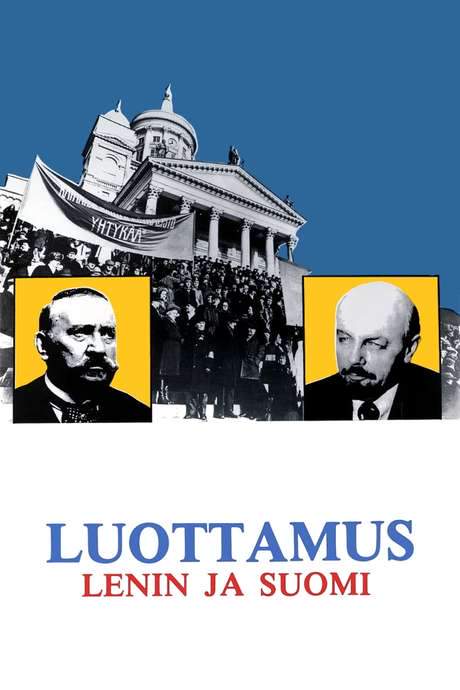
Trust (1976) movie poster

Characters & Themes

Trust (1976) Characters, Setting & Themes Explained

Release, runtime and language
1976 · 90 mins · Finnish
Loading streaming availability…
Directed by
Viktor Tregubovich, Edvin Laine
Starring
Margarita Terekhova, Oleg Yankovskiy, Grigoriy Gay, Ismo Kallio, Innokentiy Smoktunovskiy, Göran Schauman

In December 1917, a Finnish delegation arrives in St. Petersburg to meet Vladimir Lenin to seek recognition of Finland’s independence.

On this page (8)
  1. 1 Where to watch
  2. 2 Characters explained (6)
  3. 3 Where & when it takes place
  4. 4 Themes & meaning (3)
  5. 5 Character & meaning questions
  6. 6 Movie threads
  7. 7 Movies like Trust
  8. 8 Every angle
Loading streaming availability…

6 main characters · contains spoilers

Trust Characters Explained: Who Is Who

The main characters of Trust (1976), heroes and villains: what drives them, how they change over the course of the story and what each of them reveals about the film's bigger ideas.

  • Vladimir Lenin (Kirill Lavrov)

    A revolutionary leader whose stance toward Finland evolves across the film. Lenin weighs how Finland's independence bid might shape his nationality policy and his broader revolutionary project; his presence in Helsinki and St. Petersburg frames the tension between national self-determination and imperial strategy.

    • 🎭 Lenin
    • 🧭 Ideology
    • 🗳️ Politics
  • P. E. Svinhufvud (Vilho Siivola)

    Finnish prime minister and parliamentary figure who navigates constitutional resistance and political strategy. He leads the delegation to St. Petersburg and chairs the autumn 1917 parliament, embodying steady resolve amid upheaval.

    • 🏛️ Politician
    • 🗳️ Parliament
  • Carl Enckell (Yrjö Tähtelä)

    Diplomat traveling with Svinhufvud and Idman to press Finland's case; a pragmatic mediator bridging Finnish aspirations with imperial politics.

    • 🏛️ Diplomat
    • 🗺️ Diplomacy
  • Kullervo Manner (Esa Saario)

    Speaker of the Finnish Parliament during the autumn 1917 session; a steady leader balancing revolutionary energy with constitutional procedure.

    • 🏛️ Speaker
    • 🗳️ Parliament
  • Nikolai Bobrikov (Innokentiy Smoktunovskiy)

    Governor General whose oppressive governance triggers Finnish resistance and sets the stage for later negotiations.

    • 🏛️ Governor
    • 🗡️ Repression
  • Eugen Schauman (Göran Schauman)

    Finnish nationalist who assassinates Governor General Bobrikov in 1904, an act that reverberates through Finnish and Russian governance.

    • 🎯 Assassin
    • 🕊️ Rebellion

Last updated: February 19, 2026 at 09:15

Was this helpful?

Setting

Where and When Does Trust Take Place?

The setting of Trust (1976): the year and time period, the places and locations, and how they shape the characters, the mood and the tension of the story.

Time period

1899–1917

The narrative spans from the 1899 rejection of the Great Petition through the pivotal year 1917, when Finland seeks recognition of independence. It traces decades of imperial pressure, political shifting, and strategic negotiations between Finnish leaders and Russian authorities. The period culminates in December 1917, when Lenin’s government recognizes Finland’s delegation.

Location

St. Petersburg, Helsinki, Turku archipelago

The story unfolds across key locations in the late Tsarist empire and entrenched Finnish politics. St. Petersburg serves as the imperial center where Finland’s autonomy petition is rejected. Helsinki and the Turku archipelago feature as backdrops for Lenin’s activities and Finland’s political maneuvering during 1917.

  • ❄️ History
  • 🗺️ Politics
  • 🎭 Drama

Last updated: February 19, 2026 at 09:15

Was this helpful?

3 major themes

Trust Meaning: Themes & Message Explained

What is Trust (1976) really about? The emotional, social and philosophical themes the film keeps returning to, its symbolism and the message beneath the surface.

  • Independence

    Independence is the central arc, explored through Finland's persistent push for self-determination under Russian rule. The film highlights petitions, negotiations, and political courage required to claim sovereignty. Identity and national will evolve through a long, arduous process of compromise and legitimacy. Independence is presented as a sustained struggle rather than a single moment.

  • Diplomacy

    Diplomacy threads through the film’s key turns, from the Great Petition rejection to the 1917 Helsinki discussions. Finnish delegates balance national aims with imperial constraints, employing petitions, parliamentary leverage, and strategic alliances. The drama underscores the costs and trade-offs of negotiation across borders, time, and competing ideologies. Outcomes hinge more on political maneuvering than on force.

  • Ideology

    Ideology drives Lenin’s evolving stance toward Finland, shaping both personal beliefs and state policy. Flashbacks reveal how revolutionary ideas intersect with Finnish autonomy and diplomacy. The film juxtaposes revolutionary fervor with pragmatic statecraft, creating tension between ideals and practical decisions. This dynamic illuminates how ideas influence real-world political outcomes.

Last updated: February 19, 2026 at 09:15

Was this helpful?

Character & theme questions

Trust Characters & Meaning: Your Questions Answered

The questions people ask about Trust (1976): who the characters really are, their relationships, what the symbols mean, where it takes place and what the movie is really about. Each answer contains spoilers.

Q1

Where does the movie take place?

The film is set primarily in St. Petersburg, the imperial Russian capital, where Finland's independence petition is presented. Additional key locations include Helsinki, where Finnish parliamentary politics unfold, and the Turku archipelago, which serves as a backdrop for political maneuvering during 1917.

  • st petersburg
  • helsinki
  • turku archipelago
  • settings
  • locations
Q2

What time period does the film cover?

The narrative spans from 1899, when the Great Petition was rejected, through the pivotal year of 1917 when Finland seeks recognition of independence. The story culminates in December 1917, when Lenin recognizes Finland's delegation, marking the achievement of independence.

  • 1917
  • 1899
  • time period
  • historical era
  • independence year
Q3

What is the main theme of the film?

Independence serves as the central theme, depicting Finland's persistent struggle for self-determination under Russian imperial rule. The film presents independence not as a single dramatic moment but as a sustained process involving petitions, negotiations, and political courage to claim sovereignty.

  • independence
  • theme
  • finland sovereignty
  • self-determination
Q4

How does diplomacy play a role in the film?

Diplomacy drives the film's key turning points, from the rejection of the Great Petition to the 1917 Helsinki discussions. Finnish delegates must balance national aspirations with imperial constraints, using petitions, parliamentary leverage, and strategic alliances to pursue independence.

  • diplomacy
  • negotiation
  • finnish delegation
  • political maneuvering
Q5

Who is Vladimir Lenin in the film?

Vladimir Lenin is portrayed as a revolutionary leader whose stance toward Finland evolves throughout the film. He weighs how Finland's independence bid might shape his nationality policy and broader revolutionary project, embodying the tension between national self-determination and imperial strategy.

  • vladimir lenin
  • revolutionary leader
  • finnish independence
  • character role
Q6

Who is P.E. Svinhufvud and what is his role?

P.E. Svinhufvud is depicted as a Finnish prime minister and parliamentary figure who leads the delegation to St. Petersburg to press Finland's case. He chairs the autumn 1917 parliament and embodies steady resolve amid political upheaval, navigating constitutional resistance and strategic leadership.

  • p e svinhufvud
  • finnish prime minister
  • delegation leader
  • parliament
Q7

Who is Eugen Schauman?

Eugen Schauman is a Finnish nationalist depicted in the film who assassinates Governor General Nikolai Bobrikov in 1904. This act reverberates through Finnish and Russian governance, setting the stage for later negotiations and the broader independence movement.

  • eugen schauman
  • assassination
  • bobrikov
  • finnish nationalist
  • nationalist act
Q8

What role does Nikolai Bobrikov play?

Nikolai Bobrikov serves as the Governor General whose oppressive governance triggers Finnish resistance. His harsh policies against Finnish autonomy set the stage for the political tensions and eventual negotiations that unfold throughout the film.

  • nikolai bobrikov
  • governor general
  • oppression
  • russian imperial rule
Q9

How does ideology influence the characters?

Ideology drives Lenin and shapes his evolving stance toward Finland, influencing both personal beliefs and state policy. The film shows how revolutionary ideas intersect with Finnish autonomy, creating tension between idealistic fervor and pragmatic statecraft in determining political outcomes.

  • ideology
  • lenin
  • revolutionary ideas
  • political beliefs
  • statecraft
Q10

What major historical events are depicted?

The film depicts the Finnish struggle for independence from 1899 to 1917, including the rejection of the Great Petition, the assassination of Governor General Bobrikov in 1904, and the successful 1917 delegation to Lenin that resulted in recognition of Finnish independence.

  • great petition
  • bobrikov assassination
  • 1917 delegation
  • historical events
Q11

What is the tone and mood of the movie?

The film carries a tense tone reflecting the precarious negotiations for Finnish independence amid revolutionary upheaval. The pacing varies between tense present-day scenes and slower, more contemplative historical sequences, creating a complex narrative that balances political gravity with diplomatic intrigue.

  • tone
  • mood
  • political tension
  • historical drama
  • pacing

Movie threads

More Movies Like Trust, by Mood & Story

Curated lists built around what makes Trust tick: the same mood, the same kind of story or the same emotional payoff. Each list explains why these movies belong together.

Political negotiation dramas like Trust

Where tense diplomatic talks determine the fate of nations. Movies like Trust that focus on tense diplomatic encounters shaping history. If you enjoyed the strategic dialogue and political stakes of Trust, you'll find similar stories of high-level negotiations and nation-defining moments here.

  • political
  • tense
  • deliberate
  • urgent
  • strategic
  • significant
  • Tone: tense, deliberate, significant
  • Pacing: variable, deliberate
Why these movies?

The story pattern: Stories typically unfold in closed rooms, where characters with opposing ideologies engage in a battle of wits. The narrative builds tension through dialogue, strategic concessions, and the constant threat of failure, often set against a larger historical conflict or revolution.

Why they belong together: These films are grouped by their shared focus on negotiation as the primary source of drama. They create a specific kind of intellectual suspense, emphasizing the weight of words and decisions made under immense pressure, offering a cerebral alternative to action-driven historical films.
Movies with epic flashback narratives like Trust

Stories where the past intricately shapes a pivotal present. Discover films with narrative structures similar to Trust. If you appreciated how Trust used flashbacks to build its historical drama, these movies also skillfully weave the past and present to tell complex, character-driven stories.

  • contemplative
  • non-linear
  • historical
  • significant
  • character-driven
  • epic
  • Tone: contemplative, tense, significant
  • Pacing: variable, contemplative
Why these movies?

The story pattern: The narrative pattern involves a pivotal present-day event—often a negotiation, trial, or reunion—that is constantly illuminated by extended flashbacks. These past sequences provide crucial context, develop character backstories, and build towards explaining the stakes and tensions of the main timeline.

Why they belong together: These movies are united by their sophisticated storytelling structure. The use of flashbacks isn't just stylistic; it's essential for understanding the narrative's emotional and thematic weight, creating a layered viewing experience that rewards attention to detail.

If you liked this

Movies Like Trust

Similar movies to Trust: the same genre, themes or kind of story. Each one comes with its own plot summary, timeline and ending explained.

Browse all movie summaries

Every angle

Trust (1976) Explained: Plot, Timeline & Characters

Everything about Trust in one place: what happens in the plot summary, the timeline in chronological order, the characters and meaning and a spoiler-free summary. What's After the Movie adds the cast, box office and post-credit scenes.

Coming soon on iOS and Android

The Plot Explained Movie Summary App

Plot summaries, endings explained and timelines on your phone. Catch up on any movie in minutes, save your favorites and never miss a twist again.

Be the first to know when we launch. Your email stays private, always.

Learn more about the app