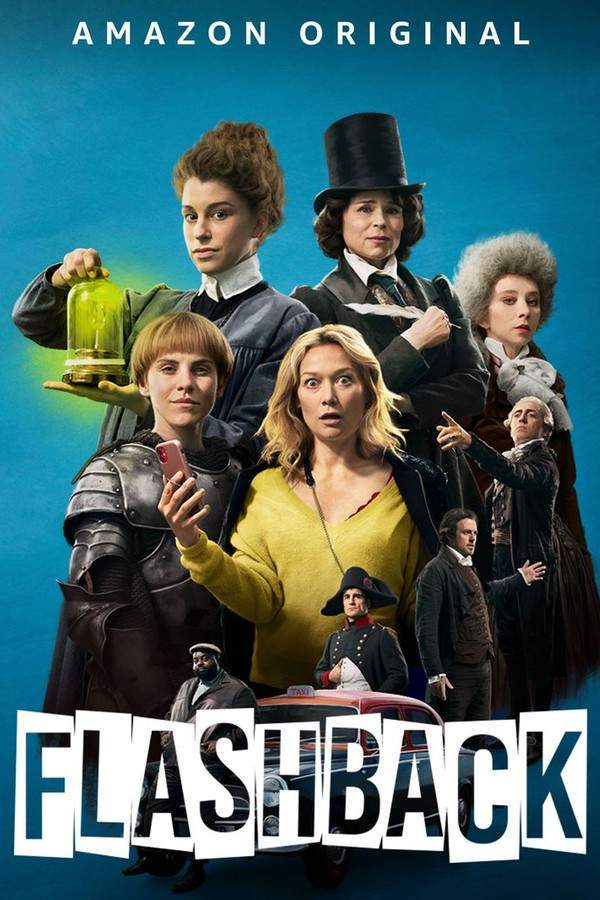
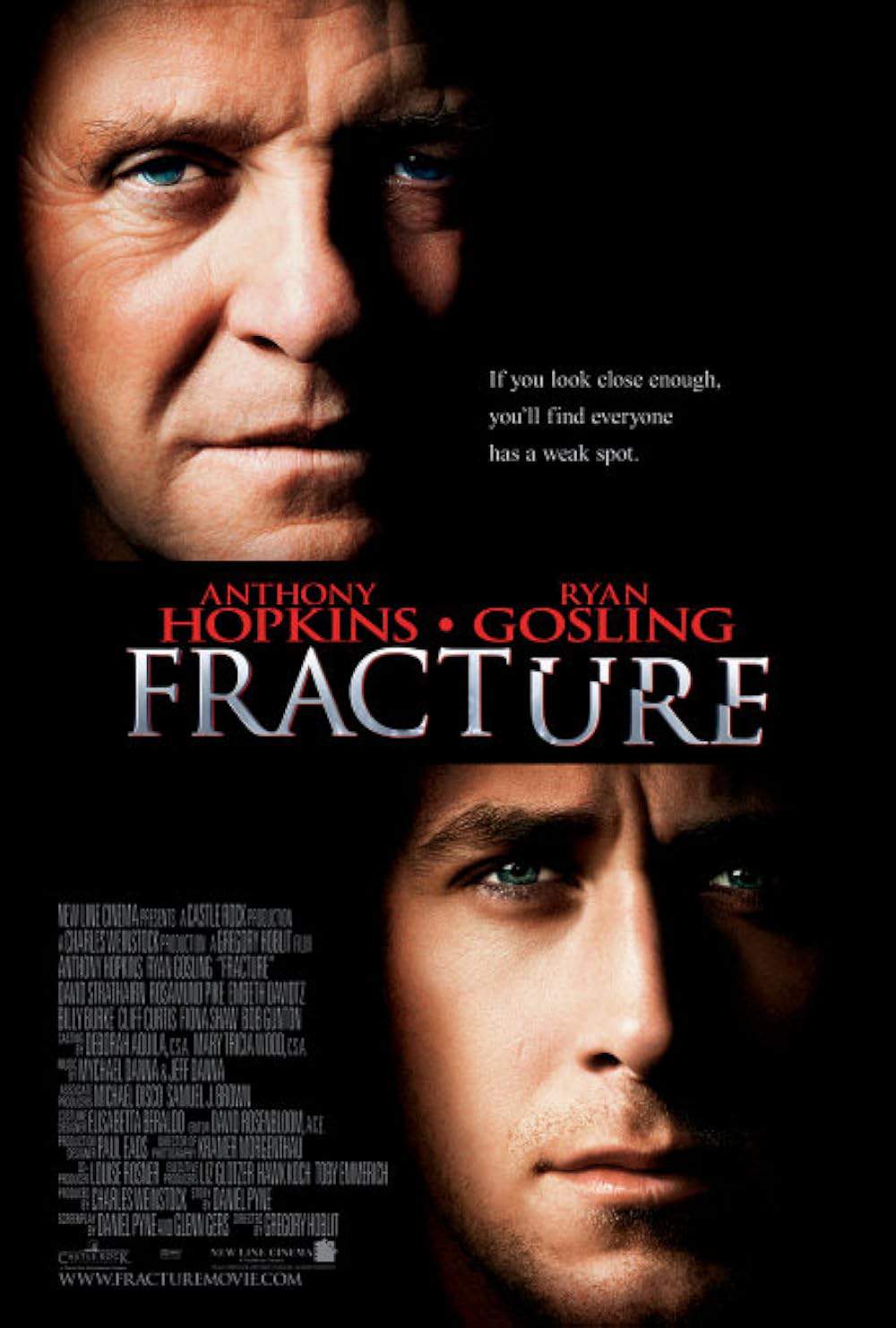
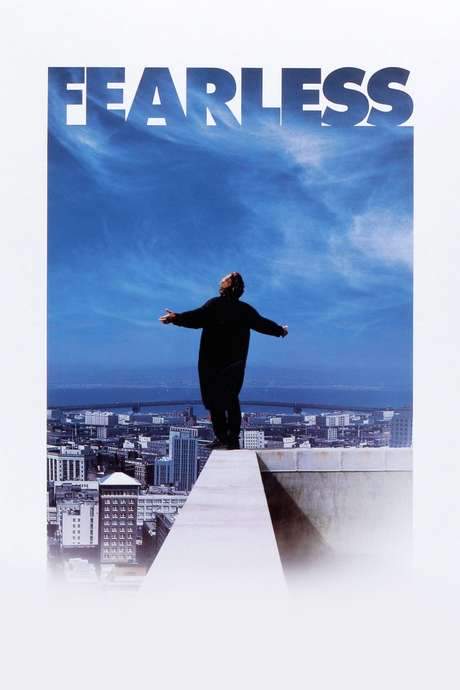
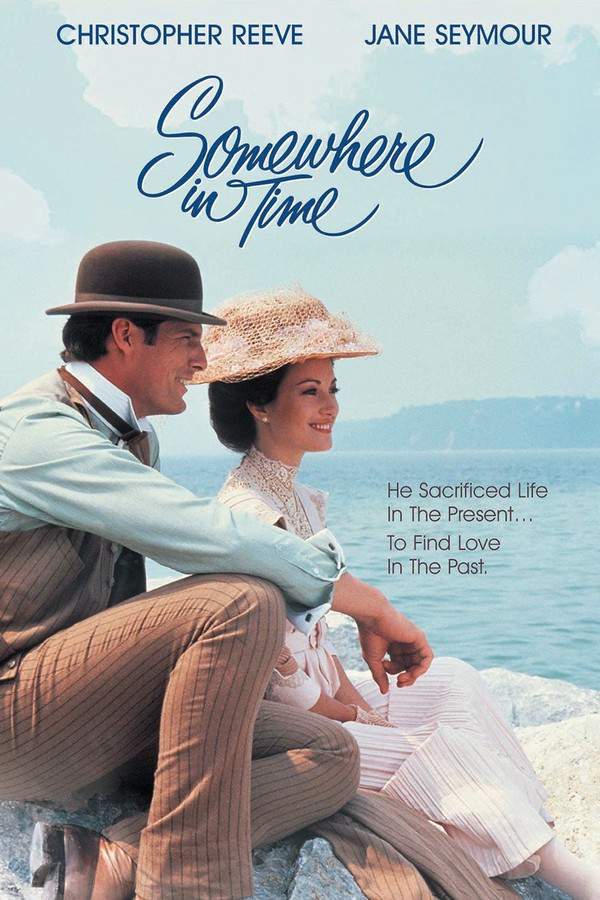
Fred Fitzell [Dylan O'Brien] and his wife Karen [Hannah Gross] visit his mother, Mrs. Fitzell [Liisa Repo-Martell], who is slipping into a severe mental decline in a hospital. Fred holds a steady office job, but his days become shadowed by vivid flashbacks to his high school years. He is haunted by memories of a girl named Cindy Williams [Maika Monroe], spurring him to return to the old high school and grill a librarian about what happened to her after a drug spread through the campus. The more he digs, the more destabilized he becomes, until he is suddenly accosted in an alley by a scarred homeless man, a figure his mind keeps looping back to as the memories intensify.
In these fragments, Fred recalls a child who crossed paths with the homeless man in his youth, and the two of them seem to share a single, cryptic word. As Fred pieces together the components, the words form a chilling message: "I'm / in / your / lobby." This realization drives him to the apartment lobby, where he wields a baseball bat in a tense confrontation with the Scarred Man. His visions flood back: a gaping mouth, and eyes peering down at him as Cindy and others observe from the floor. He awakens from a mental breakdown in the lobby, disoriented but compelled to press on.
Returning to his present life, Fred reconnects with his old friends from high school and finds that the flashbacks persist. He recalls a drug called merc (mercury) that he and others used in the boiler room, then a trip to a club to score “uncut merc.” Near the club, a rooftop conversation with Cindy reveals a belief that the drug can release people from feeling trapped by time. In the present, Fred’s work life becomes increasingly unstable as he prepares to deliver a crucial presentation. With his high school friends, he revisits the now-abandoned club to uncover the truth behind the events they half-remember. Inside, he relives the merc experience; he encounters the homeless squatters and a lingering sense of Cindy, who tells him—though perhaps only in memory—that he never truly left.
The narrative intensifies as Fred’s perception flickers between the homeless man and the child, revealing that the two figures represent the moment when high school desperations and merc overdoses warped his sense of time. He continues to see visions of the mouth and of people watching him, fragments that push him toward a world where perception itself is unstable. He pieces together a larger story: an invasive lifeform that manipulates people into seeing time linearly, constraining their futures, while merc provides only temporary permission to glimpse all possible timelines. Fred discovers that his own high school experience included a dangerous reaction to the drug, which culminated in him striking the child in the face with a lamp, leaving a scar.
Back in the present, Fred wakes with only a short window to finish his office presentation. He stumbles through the exam-like moment of his life, seeing himself back in high school as he faces a final test. In one simultaneous stream of memory and reality, he endures a breakdown across both timelines. Yet the understanding of his multiverse travel blossoms: he can move through multiple histories. He returns to Cindy at the abandoned club, where their bond deepens into love as they live through countless versions of their lives in places as far apart as the Middle East and a sunlit Mediterranean villa. Eventually, the pair awaken again in the present at the abandoned club, but Fred realizes he cannot continue traveling with Cindy. He redirects his focus to the real world, traveling back to the final exam, where he performs well. He reunites with his wife after the exam and excels in the work presentation, their success culminating in them buying a home together.
The story circles back to Fred’s deep connection with his mother. In the hospital room, the recurring vision of the dangerous mouth resolves into a memory of his mother calling out to him as an infant when he nearly fell down a staircase. She reaches a moment of lucidity, recognizing Fred for a heartbeat, and they share a fragile, fleeting connection. Yet her moment of clarity is short-lived, and she passes away soon after, leaving Fred with a poignant mix of wonder, regret, and the weight of the paths not taken.
- The journey blends sci-fi and family drama to explore how memory, guilt, and the longing for second chances can reshape a person’s present. The film builds its mood through dreamlike sequences, a soft but persistent dread, and a careful threading of timelines that invites viewers to question what is real and what is possible. The characters’ fates are entwined with the idea that time can be traversed, but at a cost, especially when faced with the consequences of past actions and the tender bonds of love and family.