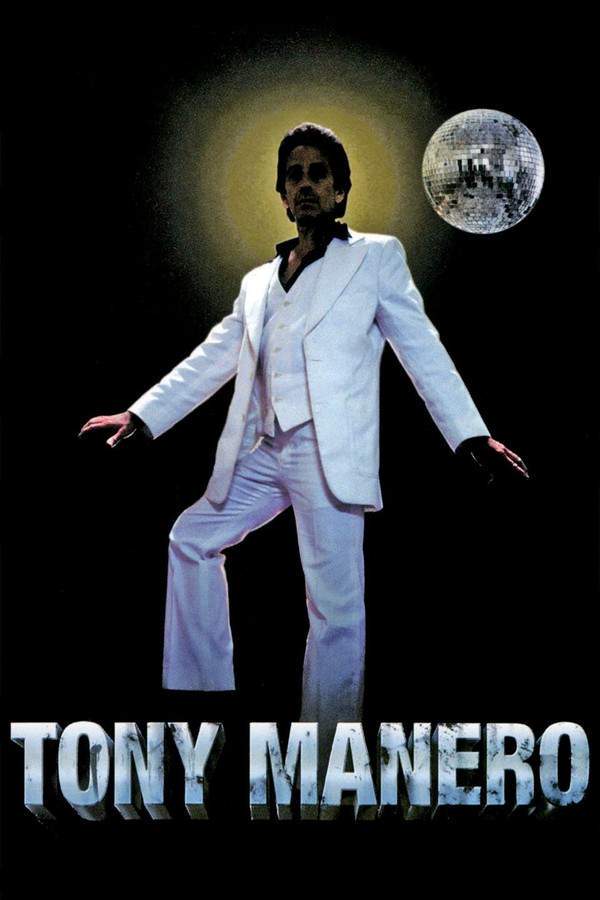
Set in Santiago, Chile, during the brutal years of Augusto Pinochet’s dictatorship, this film follows Raúl Peralta, a man in his fifties whose life is consumed by an all-encompassing obsession with Tony Manero—the iconic character from Saturday Night Fever. Soft-spoken and precise, he devotes himself to mimicking Manero’s swagger and the intricate dance moves that defined a generation of disco culture, translating longing into motion and ritual.
Peralta lives in a run-down boarding house that houses a small stage used for rehearsals, a cramped space where he tirelessly re-enacts the film’s signature choreography. The tiny stage becomes both sanctuary and stage for his fantasies, a place where aspiration and reality repeatedly collide as he shapes his body to imitate an idol who exists beyond his reach.
The narrative begins with Peralta attempting to participate in a televised contest on Festival de la Una, a program that seeks the live double of a celebrity each week. This time the target is Tony Manero’s persona, and Peralta’s bid to win unfolds as a testament to his unwavering devotion. His pursuit is revealed through a bifocal lens—one eye on his own questionable ethics and choices, the other on the stark, often unforgiving world that surrounds him.
The film foregrounds a mood of decadence, violence, and darkness, painting a society where the glamour of pop culture collides with oppression. The atmosphere underscores the paradox at the heart of Peralta’s quest: a desperate need to belong to a larger-than-life image while living inside a reality that constantly tests the limits of his dreams. Through quiet, observational storytelling, the movie traces how an all-consuming fixation can distort identity and push a person toward dangerous compromises.
As the story unfolds, the audience witnesses a man whose primary concern is the fidelity of his imitation—a devotion rendered with meticulous detail, almost ritualistic in its execution. The interplay between fantasy and survival invites reflection on how admiration can morph into an unyielding obsession, shaping interactions, moral choices, and the very sense of self in a society shaped by authoritarian control and social strain. The result is a measured, contemplative portrait of longing and the cost of living inside someone else’s image, rendered with careful nuance rather than sensationalism.