Plot Explained Spoilers guaranteed!
Plot Explained

Browse by genre

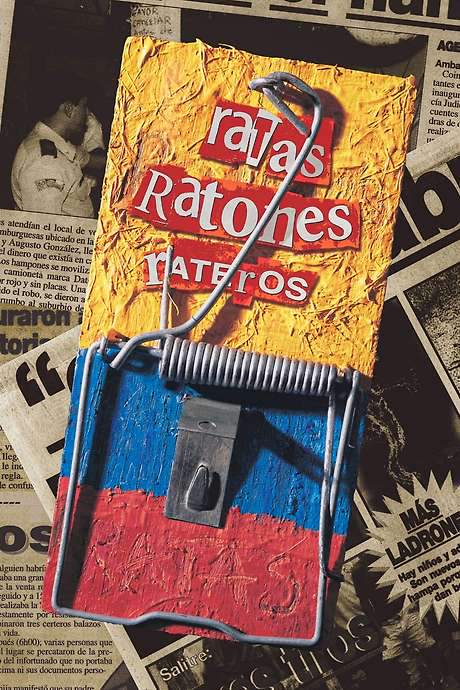
Pizza, Beer, and Cigarettes (1997) movie poster

Plot Summary

Pizza, Beer, and Cigarettes (1997) Plot Summary Explained

Release, runtime and language
1997 · 92 mins · Spanish
Loading streaming availability…
Directed by
Adrián Caetano, Bruno Stagnaro
Starring
Jorge Sesán, Adrián Yospe, Daniel Di Biase, Martín Adjemián, Héctor Anglada, Alejandro Pous

Four friends in a single Argentine city work for a taxi driver, stealing from his passengers, but they feel underpaid. Disillusioned, they decide to organize their own heists despite being amateurs, leading to a series of botched jobs. Cordoba, whose pregnant girlfriend Sandra hopes to flee to Uruguay for a fresh start, pushes for one final robbery, which spirals out of control.

On this page (6)
  1. 1 Where to watch
  2. 2 What happens: full plot
  3. 3 Plot questions answered
  4. 4 Movie threads
  5. 5 Movies like Pizza, Beer, and Cigarettes
  6. 6 Every angle
Loading streaming availability…

Full plot summary · contains spoilers

What Happens in Pizza, Beer, and Cigarettes: Full Plot Summary

The whole story of Pizza, Beer, and Cigarettes (1997) explained, from the opening scene to the final frame: every key event, every twist and what it all adds up to. Read it as a quick recap before the sequel, to check a scene you missed, or to finally understand what really happened.

Set in an impoverished district just outside Buenos Aires, the story centers on a tight-knit group of teenage delinquents and misfits: Alejandro Pous as Megabom, Jorge Sesán as Pablo, Walter Díaz as Frula, and Pamela Jordán as Sandra — the pregnant girlfriend of Héctor Anglada who plays Cordobés. All of them squat together in the same house, sharing a life built on quick grabs and rough chances. The film follows them as they roam the city, surviving by stealing and improvising, their days defined by improvisation, loyalty, and the heavy gravity of their circumstances.

From the start, the group’s bond is tested by a string of tenuous gigs and the consequences that follow. After parting ways with their former employer, a crooked taxi driver who skimmed a cut of their takings, Frula and Cordobés pull off a theft from a crippled street vendor. The moment sparks a cascade of trouble: Sandra is arrested, her pregnancy adding a new layer of fear and responsibility to the looming future she envisions for her child. Released after a brief stint behind bars, she returns to a choice: press Cordobés to reform and seek a decent job, or continue their life of petty crime. Her decision sets the tone for the rest of the narrative, as she moves toward stability while Cordobés weighs the risky pull toward a larger score that could allow them to move to Uruguay.

Seeking a more profitable future, Cordobés, backed by his friends, dives deeper into the theft scene. Frula compiles a plan with his contact, Rubén, Adrián Yospe, a scheme designed to rob a fancy restaurant with unreliable guns. The plan leads them to a spot that looks easy but triggers alarms, forcing a desperate escape. The failure ripples outward: Rubén breaks away, leaving Cordobés and the others with little more than a bitter payout and the realization that trust in their network is fragile. The crew, running out of time and options, shifts toward a plan of easier money—their sights set on a nightclub.

The nightclub job initially feels straightforward: Pablo and Cordobés re-establish contact with the cab driver, turning the encounter into a confrontation that ends with a violent theft of cash and weapons. Yet mercy threads through their actions when they notice a passenger—a middle-aged woman from Córdoba—whose demeanor softens the sting of their crime. She reaches her destination safely, only to quietly dial the police once she’s alone. Back inside the venue, the tension escalates as the three criminals—Pablo, Frula, and Cordobés—press the takings and hold the workers at gunpoint, with Megabom stationed outside as a lookout. The moment of distraction comes when the bouncer notices the weapon switch, a sign that trouble is not far behind.

The chase intensifies as Megabom’s attempt to fend off a pursuing cop by creating a disturbance reveals the fragility of their plan. Cordobés steps from the ticket office with a gun, and the bouncer fires, striking him in the chest; Pablo quickly responds, ending the bouncer’s life. The scene spirals into chaos as the police force enters; an enraged Megabom confronts the officer, only to be subdued by a brutal arrest that leaves the group scattered and terrified. Frula, seeing his friends’ peril, attempts a desperate move, drawing his own weapon in a final, fatal act that ends with him being shot down by law enforcement.

Escape becomes the only option for Pablo, who manages to flee with a badly wounded Cordobés, stealing another car and racing toward the docks. There, the plan to separate grief from love takes center stage: Pablo hands Cordobés the money to secure Sandra’s future, hoping the gesture will allow them both to reach a safer life, while Pablo stays behind to surrender to the authorities. Cordobés fights a losing battle against his injuries, dragging himself toward the water where he imagines a chance to reach the boat and a new life. The moment arrives too late; Cordobés collapses, reuniting briefly with Sandra before the vessel sails away, leaving him behind to face the consequences of their choices.

When the police finally arrive at the docks, they discover Cordobés’s lifeless body and report the death, a stark coda to a night of chaos. The film’s texture—its crowded, sunlit streets, the claustrophobic rooms that double as too-small sanctuaries for the group, and the relentless pull of desperation—renders a bleak but intimate portrait of youth caught between dreams and necessity. The choices each character makes push them toward acts that seem necessary at the moment but carry a heavy price, reframing loyalty, trust, and love against a backdrop of economic hardship and limited options. In the end, the story leaves us with a quiet, unvarnished meditation on what it costs to chase a brighter future when the present offers so little.

Last updated: October 09, 2025 at 09:26

Was this helpful?

Plot questions answered

Pizza, Beer, and Cigarettes Plot Explained: Your Questions Answered

The questions people ask most about Pizza, Beer, and Cigarettes (1997): what happens in the confusing scenes, why the characters do what they do, the twists, hidden details and what the ending means. Each answer contains spoilers.

Q1

Why was Sandra arrested after the street vendor theft?

Sandra was arrested because she was present during the botched robbery of the crippled street vendor. When Frula and Cordobés attempted the theft, the incident drew police attention, and Sandra was taken into custody along with the others. Her pregnancy added extra stakes to her arrest, as she faced the prospect of incarceration while expecting a child.

Foreshadowing: Earlier, the group's precarious living situation and reliance on petty crime already set the stage for inevitable legal consequences.

  • sandra arrest
  • street vendor theft
  • pregnancy
  • police
Q2

Why did the group leave their job working for the taxi driver?

The group decided to leave their crooked taxi driver employer because they felt underpaid. The taxi driver was skimming a cut of all their theft earnings, leaving the teens with insufficient returns for the risks they took. This disillusionment prompted them to organize their own heists despite being amateurs.

Foreshadowing: The tension over unequal payouts was established early when the group discussed their dissatisfaction with the arrangement.

  • taxi driver
  • employment
  • underpaid
  • theft earnings
Q3

Why did Cordobés push for one final heist despite Sandra wanting him to reform?

Cordobés pushed for one final robbery because he needed enough money to escape to Uruguay with Sandra and their unborn child. Sandra had demanded he go legitimate after her arrest, but Cordobés believed a big score was the only way to give them the fresh start they desperately wanted. The plan to flee to Uruguay represented their only escape from the poverty and desperation trapping them.

Foreshadowing: Sandra's arrest and her demand for change created the pressure that pushed Cordobés toward riskier decisions.

  • cordobes
  • sandra
  • uruguay
  • final heist
  • escape
Q4

What caused the restaurant heist to go wrong?

The restaurant heist failed because Frula's contact Rubén provided unreliable guns that malfunctioned at a critical moment. When they reached the target restaurant, an alarm was triggered, forcing a hasty and sloppy escape. Rubén then cut ties with the group and paid them a meager amount, abandoning them after the failed job.

Foreshadowing: The plan's reliance on an outside contact like Rubén signaled the group's vulnerability to unreliable allies.

  • restaurant heist
  • rubén
  • failed guns
  • alarm
Q5

Why did the middle-aged woman passenger call the police after being dropped off?

The middle-aged woman from Córdoba whom Pablo and Cordobés dropped off quietly dialed the police once she was alone. Despite the criminals showing her mercy by allowing her to exit safely, she reported the robbery and the theft of the taxi driver. Her call initiated the police pursuit that eventually caught up with the group at the nightclub.

Foreshadowing: The brief mercy shown to the passenger hinted at the group's internal moral conflict, which was ultimately overshadowed by their criminal actions.

  • córdoba woman passenger
  • police call
  • taxi theft
Q6

What triggered the violence at the nightclub?

Violence erupted when the nightclub bouncer noticed a gun being swapped between Pablo and Megabom, becoming suspicious of the group. When Cordobés stepped out holding a gun, the bouncer fired first, shooting Cordobés in the chest. Pablo then retaliated by killing the bouncer, escalating the situation from a robbery into a homicide.

Foreshadowing: Earlier tension at the nightclub, including the weapon swap and growing bouncer suspicion, foreshadowed the violent confrontation to come.

  • nightclub
  • bouncer
  • cordobes shot
  • pablo kills bouncer
Q7

Why was Frula shot by the police outside the nightclub?

Frula was shot because, upon seeing his friends being pursued and arrested, he attempted to intervene by drawing his weapon on the policeman. When Frula pointed his gun at the officer in a desperate attempt to save his friends, the policeman immediately fired, killing him on the spot. His act of loyalty proved fatal in the chaos of their escape.

Foreshadowing: Frula's deep loyalty to the group had been established throughout the film as a defining character trait that would ultimately lead to his downfall.

  • frula
  • police shooting
  • loyalty
  • arrest
Q8

Why did Pablo give the money to Cordobés at the docks?

Pablo handed the money to Cordobés so that Cordobés could give it to Sandra, enabling her to board the boat and escape to Uruguay. Pablo intended to stay behind and surrender to authorities, using the money as a way to ensure Sandra and the unborn child had a chance at a better life even if he and Cordobés could not escape. It was his final act of sacrifice for his friends.

Foreshadowing: Earlier conversations about wanting to leave for Uruguay had established this shared dream that Pablo was now trying to fulfill through his sacrifice.

  • pablo
  • cordobes
  • money
  • docks
  • uruguay boat
Q9

Why couldn't Cordobés board the boat to Uruguay?

Cordobés couldn't board the boat because he was badly wounded from being shot in the chest by the bouncer. Despite dragging himself toward the water's edge, his injuries were too severe, and he collapsed before reaching the vessel. He briefly reunited with Sandra, confessed his failure to keep his promise, and the boat left without him.

Foreshadowing: The earlier shooting and Pablo's desperate escape with the wounded Cordobés set up the fatal outcome at the docks.

  • cordobes
  • wounded
  • boat
  • uruguay
  • docks
Q10

What did the boat to Uruguay represent for the characters?

The boat to Uruguay represented the characters' desperate hope for escape from their impoverished circumstances in Argentina. For Cordobés and Sandra, it symbolized a fresh start, a chance to raise their child away from crime, poverty, and the cycle of violence trapping them. The failed escape underscores the film's bleak theme that economic desperation often traps people in their circumstances.

Foreshadowing: Throughout the film, discussions of moving to Uruguay highlighted the characters' longing for a better life beyond their current reality.

  • uruguay
  • boat escape
  • hope
  • poverty
  • fresh start
Q11

What caused the group's ultimate downfall?

The group's downfall was caused by a chain of escalating violence and poor decisions that spiraled beyond their control. Starting with the failed restaurant heist, each mistake led to desperate measures: the confrontation with the taxi driver, the nightclub robbery where a bouncer was killed, and the final police chase. Their lack of experience, unreliable contacts, and the relentless pursuit by law enforcement combined to destroy their plans.

Foreshadowing: The film's structure showed a progressive escalation from petty theft to violent crime, each step making escape less likely.

  • downfall
  • escalation
  • violence
  • police pursuit
  • failure

Movie threads

More Movies Like Pizza, Beer, and Cigarettes, by Mood & Story

Curated lists built around what makes Pizza, Beer, and Cigarettes tick: the same mood, the same kind of story or the same emotional payoff. Each list explains why these movies belong together.

Movies about desperate crime spirals like Pizza, Beer, and Cigarettes

Amateur criminals find their plans unraveling with tragic, violent consequences. If you liked the tense, tragic downfall of the amateur thieves in Pizza, Beer, and Cigarettes, explore these movies. They feature similar stories of botched heists, economic desperation, and the bleak consequences of a life of crime, capturing the same gritty, high-intensity vibe.

  • desperate
  • anxious
  • gritty
  • tragic
  • tense
  • fatalistic
  • Tone: bleak, tense
  • Pacing: fast, chaotic
Why these movies?

The story pattern: These narratives typically follow a linear, fast-paced trajectory from a bad decision to a catastrophic outcome. The plot is built around a series of escalating, failed jobs that increase the stakes and tension, stripping away any initial glamour from the crime to reveal its brutal, unforgiving reality. The character journey is one of lost innocence and fatalistic momentum.

Why they belong together: Movies are grouped here for their shared focus on the mechanics of failure in crime. They possess a gritty, anxious mood, a fast and unforgiving pacing that mirrors the characters' loss of control, and a consistently bleak tone that offers little redemption.

Movies about desperate youth and friendship like Pizza, Beer, and Cigarettes

Young friends bound by loyalty and economic despair, making fatal choices. Fans of Pizza, Beer, and Cigarettes will find similar themes in these movies about young friends navigating crime and poverty. These stories explore the heavy emotional weight of loyalty under pressure, the loss of innocence, and the bleak outcomes that can arise from desperate circumstances.

  • desperate
  • loyal
  • tragic
  • gritty
  • youthful
  • anxious
  • Tone: bleak, tragic
  • Pacing: steady, fast
Why these movies?

The story pattern: The narrative pattern revolves around a group dynamic where external pressures—poverty, crime, a dead-end setting—force the characters to make a series of escalating bad decisions. The core conflict is between their loyalty to each other and the survival instincts triggered by their desperate situation. The story often culminates in a tragic event that shatters the group and any hope for escape.

Why they belong together: These films are connected by their poignant focus on youth, the powerful but fragile bonds of friendship, and the thematic exploration of how economic hardship corrupts innocence. They share a heavy emotional weight, a gritty, claustrophobic mood, and a generally bleak outlook on the possibilities for escape.

If you liked this

Movies Like Pizza, Beer, and Cigarettes

Similar movies to Pizza, Beer, and Cigarettes: the same genre, themes or kind of story. Each one comes with its own plot summary, timeline and ending explained.

Browse all movie summaries

Every angle

Pizza, Beer, and Cigarettes (1997) Explained: Plot, Timeline & Characters

Everything about Pizza, Beer, and Cigarettes in one place: what happens in the plot summary, the timeline in chronological order, the characters and meaning and a spoiler-free summary. What's After the Movie adds the cast, box office and post-credit scenes.

Coming soon on iOS and Android

The Plot Explained Movie Summary App

Plot summaries, endings explained and timelines on your phone. Catch up on any movie in minutes, save your favorites and never miss a twist again.

Be the first to know when we launch. Your email stays private, always.

Learn more about the app