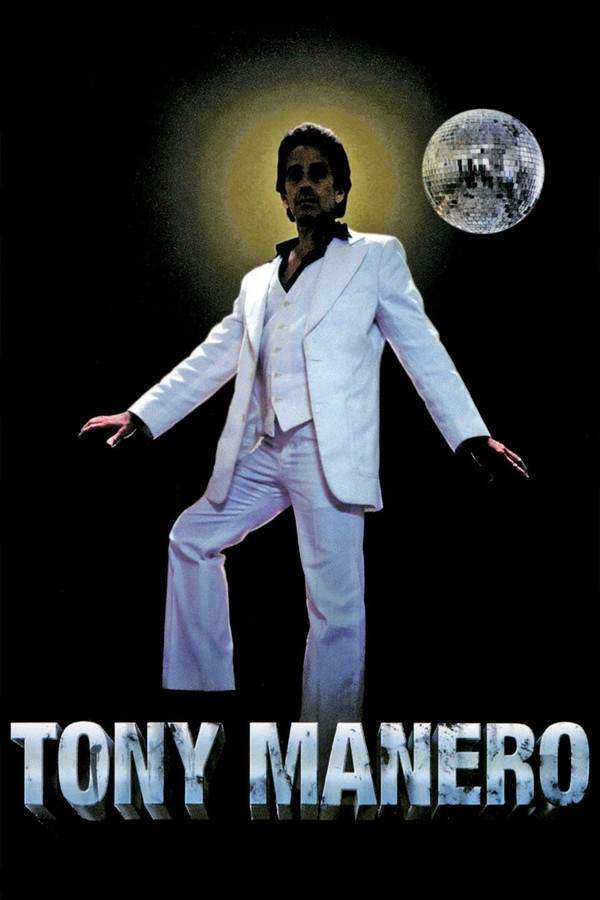
Plot Explained Spoilers guaranteed!
Plot Explained

Browse by genre

Tony Manero (2009) movie poster

Timeline

Tony Manero (2009) Timeline Explained – Every Event in Order

Release, runtime and language
2009 · 97 min · Spanish
Loading streaming availability…
Directed by
Pablo Larraín

Raul Peralta, living in the underbelly of Santiago, seeks solace and escape through his passion for the disco film "Saturday Night Fever." When a television contest challenges him to impersonate Tony Manero, Raul becomes consumed by the pursuit of embodying the iconic character. His obsession escalates, drawing him into a world of murder and deception, and jeopardizing his friendships and moral compass as he strives for perfection.

On this page (6)
  1. 1 Where to watch
  2. 2 Events in order (12)
  3. 3 Timeline questions answered
  4. 4 Movie threads
  5. 5 Movies like Tony Manero
  6. 6 Every angle
Loading streaming availability…

12 events in order · contains spoilers

Tony Manero Timeline: Events in Chronological Order

Every key event of Tony Manero (2009) in order, scene by scene, with when and where it takes place. Use it to untangle flashbacks, time jumps and parallel storylines, to refresh your memory before the sequel or to find the exact scene you are thinking of.

  1. Obsessed with Tony Manero

    Raúl Peralta, a man in his fifties, becomes obsessed with emulating Tony Manero from Saturday Night Fever. He studies every gesture, stride, and flourish as if his own life depended on it. The fixation colors his days in a damp, shadowy Santiago setting.

    When
    opening scene
    Where
    Santiago, Chile
  2. Life in a run-down boarding house

    Peralta lives in a cramped, neglected boarding house where a small stage becomes his sanctuary. He uses the stage to rehearse dance routines, inching closer to his idol with every step. His restrained manner reflects the harsher social environment surrounding him.

    When
    early period
    Where
    Boarding house stage, Santiago
  3. Festival de la Una announces a Tony Manero double

    The popular TV program Festival de la Una announces a weekly contest to find a celebrity double, and this time the focus is Tony Manero. Peralta sees a clear avenue to prove his devotion and gain public recognition. The contest becomes the focal point of his ambitions.

    When
    beginning of competition
    Where
    Television studio / TV program set
  4. Peralta plans to enter the contest

    He formulates a meticulous plan to participate, studying Manero's mannerisms and performance style. His preparation is relentless and sometimes morally dubious in its pursuit of perfection. The boarding house stage becomes his testing ground for the act.

    When
    during preparation
    Where
    Boarding house stage
  5. Intense dance rehearsals

    Peralta rehearses intricate dance routines, including the iconic moves from the American film. The practice reveals both his stamina and the limits of his obsession. The stage space bears witness to the collision of fantasy and grim reality.

    When
    throughout
    Where
    Boarding house stage
  6. The social and political backdrop

    The film foregrounds Santiago under Augusto Pinochet's dictatorship, highlighting decadence, violence, and darkness. This backdrop shapes Peralta's choices and often pushes him toward morally gray actions. The era's strain echoes through the characters' lives.

    When
    1980s era
    Where
    Santiago, Chile
  7. Bifocal storytelling at the core

    The narrative uses a bifocal lens to juxtapose Peralta's scruples (or lack thereof) with the brutal reality around him. Viewers are invited to see how his devotion to Manero clashes with the harsh world he inhabits. This tension fuels the film's emotional and ethical questions.

    When
    throughout
    Where
    Santiago
  8. Isolation amid obsession

    As his fixation deepens, Peralta becomes increasingly isolated from neighbors and potential connections. His behavior serves as a stark contrast to the glamour of his idol's persona. The surrounding environment amplifies his alienation.

    When
    middle phase
    Where
    Santiago, boarding house
  9. Entering the contest stage

    Peralta finally steps onto the televised stage to perform his Tony Manero imitation. The moment heightens the clash between his longing for glory and the moral compromises he makes. Audience and program dynamics heighten the stakes of his obsession.

    When
    during contest
    Where
    Festival de la Una set
  10. Consequences of pursuit

    The pursuit of perfection begins to erode Peralta's humanity, revealing a darker side beneath his charismatic impersonation. The narrative warns against the costs of ambition in a repressive society. His image collides with the surrounding reality in jarring ways.

    When
    post-contest
    Where
    Santiago
  11. Ambiguous, morally complex ending

    The film's ending remains morally ambiguous, leaving the outcome of Peralta's quest unresolved. The bifocal framing lingers, inviting reflection on what is gained or lost. The decadence and violence of the era loom as a counterpoint to his dream.

    When
    ending
    Where
    Santiago
  12. Overall arc: a lens on an era

    Across the story, Peralta's devotion to Tony Manero serves as a lens on a city and era marked by inequality and repression. The juxtaposition of pop-culture glamour and brutal reality critiques both personal longing and societal structure. The timeline traces how a single fixation illuminates a broader social critique.

    When
    throughout
    Where
    Santiago, Chile

Last updated: February 17, 2026 at 19:56

Was this helpful?

Timeline questions answered

Tony Manero Timeline Explained: Your Questions Answered

When does it happen, and why in that order? The questions people ask about the chronology of Tony Manero (2009): time jumps, flashbacks, cause and effect between scenes and the correct order of events, each answered with spoilers.

Q1

Why is Raúl so obsessed with Tony Manero?

Raúl uses Tony Manero as an escape from his grim reality in Pinochet's Chile. Living in a damp, run-down boarding house with little hope, he transforms his longing for a better life into a meticulous imitation of the glamorous disco icon. The character represents everything his own existence lacks, confidence, success, and belonging, so he devotes himself to becoming Tony Manero as a way to redefine his identity and temporarily transcend his oppressive surroundings.

  • raúl peralta
  • tony manero
  • obsession
  • escape
  • dance
  • saturday night fever
Q2

What is the Festival de la Una contest?

Festival de la Una is a Chilean TV program that holds weekly competitions to find live celebrity doubles. Each week, the show selects a famous figure, and contestants perform their imitation for a chance at public recognition. When the program announces Tony Manero as that week's subject, Raúl sees his opportunity to prove his devotion and gain the validation he desperately seeks through his impersonation.

  • festival de la una
  • contest
  • tv show
  • celebrity double
  • imitation
Q3

What moral compromises does Raúl make in pursuit of perfection?

Raúl's obsession drives him toward ethically questionable choices as he prepares for the contest. His meticulous preparation sometimes involves actions that compromise his integrity, though the specific nature of these compromises remains deliberately ambiguous in the film. The narrative presents him as someone whose fixation blurs the line between dedication and moral descent, reflecting how his single-minded pursuit of his idol's image erodes his own ethical boundaries.

Foreshadowing: Earlier scenes show Raúl's careful study of Manero's mannerisms, establishing the obsessive precision that will later tip into morally gray territory.

  • morality
  • compromise
  • obsession
  • preparation
  • ethics
Q4

What happens when Raúl performs on TV?

Raúl finally steps onto the Festival de la Una stage to perform his Tony Manero imitation. The moment represents the climax of his quest for recognition and the physical manifestation of his fantasies. However, the performance also exposes the stark contrast between his idealized self-image and the harsh reality surrounding him, with the TV studio lights illuminating the gap between his dreams and actual existence.

  • television performance
  • contest
  • stage
  • dance routine
Q5

Why does Raúl become increasingly isolated?

As Raúl's fixation deepens, he withdraws from the few connections available to him in the boarding house. His neighbors and potential relationships lose relevance compared to his all-consuming pursuit of perfection. This isolation stems from his inability to relate to ordinary life while living inside his fantasy, leaving him alienated from the very community that could offer human connection outside his obsession.

  • isolation
  • alienation
  • boarding house
  • neighbors
  • relationships
Q6

How does Pinochet's Chile influence the story?

The film is set during Augusto Pinochet's brutal dictatorship, and this context deeply shapes Raúl's obsession. The era's oppression, violence, and social decay create an environment where escapism becomes necessary for survival. Raúl's fixation on an American pop-culture icon serves as both a desperate attempt to flee the local reality and a critique of how authoritarian regimes crush individual dreams, forcing citizens to seek meaning in manufactured fantasies.

  • pinochet
  • chile
  • dictatorship
  • santiago
  • political oppression
  • 1980s
Q7

Why does the film juxtapose disco culture with violence?

The film deliberately contrasts the glamorous world of disco, represented by Saturday Night Fever, with the dark violence of Pinochet's Chile to highlight the disconnect between fantasy and reality. This juxtaposition underscores Raúl's psychological divide: he aspires to the carefree disco lifestyle while trapped in an environment of oppression and danger. The contrast also serves as social commentary, showing how pop culture escapism coexists with political brutality.

  • disco
  • saturday night fever
  • violence
  • contrast
  • escapism
  • culture
Q8

What does the ambiguous ending mean?

The film's ending leaves Raúl's fate and the contest's outcome deliberately unresolved, reflecting the broader uncertainty of life under dictatorship. This ambiguity serves the film's thematic purpose: Raúl's pursuit of an impossible ideal remains forever incomplete, mirroring how hope itself becomes distorted in a repressive society. The unresolved conclusion forces viewers to grapple with what was gained or lost, leaving the protagonist suspended between fantasy and reality.

Foreshadowing: Throughout the film, the bifocal storytelling establishes this tension between Raúl's personal journey and the unforgiving world around him.

  • ending
  • ambiguity
  • contest outcome
  • fate
  • resolution
Q9

What does the film's bifocal storytelling mean?

The film uses a bifocal narrative approach, simultaneously focusing on Raúl's personal obsession while exposing the harsh Santiago environment around him. This technique invites viewers to see how his devotion to Tony Manero clashes with the brutal reality he inhabits. The bifocal lens creates a dual perspective: one examining his individual psychology, the other critiquing the society that shaped his desperation.

  • bifocal
  • narrative
  • storytelling
  • structure
  • perspective
Q10

What does Raúl lose because of his obsession?

Raúl's pursuit of Tony Manero erodes his humanity and moral compass. As he becomes consumed by perfecting his imitation, he loses connections with others, compromises his ethics, and sacrifices his individual identity. The film traces how an all-consuming fixation can distort selfhood, leaving him increasingly isolated and morally compromised. His obsession transforms from aspirational to destructive, warning against the dangers of losing oneself in an unattainable image.

Foreshadowing: Early scenes show Raúl's quiet, precise nature before his fixation begins consuming him completely.

  • identity
  • lost
  • humanity
  • cost
  • consequences
  • obsession

Movie threads

More Movies Like Tony Manero, by Mood & Story

Curated lists built around what makes Tony Manero tick: the same mood, the same kind of story or the same emotional payoff. Each list explains why these movies belong together.

Obsessive character collapse movies like Tony Manero

Stories where a single-minded fixation leads to moral disintegration. If you were fascinated by the descent into obsession in Tony Manero, these movies explore similar themes of dangerous fixation and moral decay. Discover other stories where a character's single-minded pursuit consumes their identity.

  • obsessive
  • unsettling
  • psychological
  • corrosive
  • claustrophobic
  • intense
  • Tone: dark, unsettling
  • Pacing: steady, methodical
Why these movies?

The story pattern: The narrative typically follows a linear but intense descent, starting with an innocent or eccentric fixation that gradually becomes all-consuming. The protagonist's world narrows to their obsession, alienating those around them and leading them to commit increasingly extreme acts to achieve their goal.

Why they belong together: These films are grouped by their powerful, unflinching focus on a character's psychological unraveling through obsession. They share a dark, heavy tone and a steady, deliberate pacing that allows the audience to witness the chilling transformation.
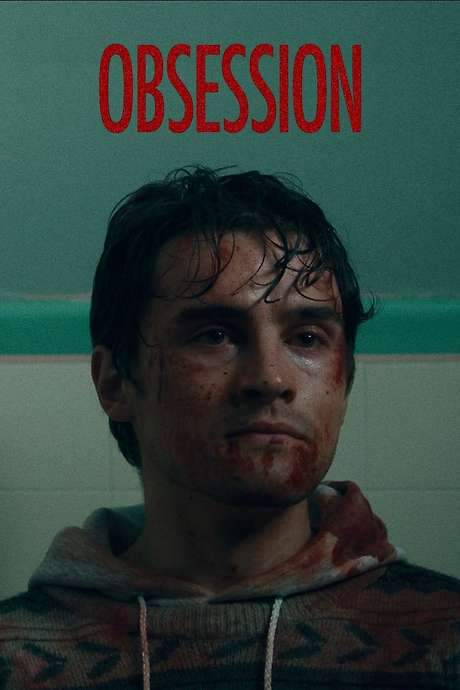
Gritty political decay dramas like Tony Manero

Character-driven stories set against a backdrop of societal collapse and dictatorship. Viewers seeking the oppressive atmosphere of Tony Manero will find these films capture a similar feeling of individuals crumbling under a brutal regime. Explore more movies where a harsh political backdrop intensifies a personal story of decay.

  • gritty
  • oppressive
  • political
  • decadent
  • brutal
  • societal decay
  • Tone: dark, oppressive, bleak
  • Pacing: steady, deliberate
Why these movies?

The story pattern: Stories in this thread often follow an anti-hero or morally ambiguous protagonist navigating a corrupt and dangerous world. The political setting is not just background; it actively shapes their choices, leading to bleak outcomes and an ambiguous sense of survival or defeat.

Why they belong together: These movies are united by their potent combination of a dark, gritty tone with a politically charged setting that reflects the characters' internal states. They create an overwhelming sense of place that defines the narrative's mood and stakes.

If you liked this

Movies Like Tony Manero

Similar movies to Tony Manero: the same genre, themes or kind of story. Each one comes with its own plot summary, timeline and ending explained.

Browse all movie summaries

Every angle

Tony Manero (2009) Explained: Plot, Timeline & Characters

Everything about Tony Manero in one place: what happens in the plot summary, the timeline in chronological order, the characters and meaning and a spoiler-free summary. What's After the Movie adds the cast, box office and post-credit scenes.

Coming soon on iOS and Android

The Plot Explained Movie Summary App

Plot summaries, endings explained and timelines on your phone. Catch up on any movie in minutes, save your favorites and never miss a twist again.

Be the first to know when we launch. Your email stays private, always.

Learn more about the app