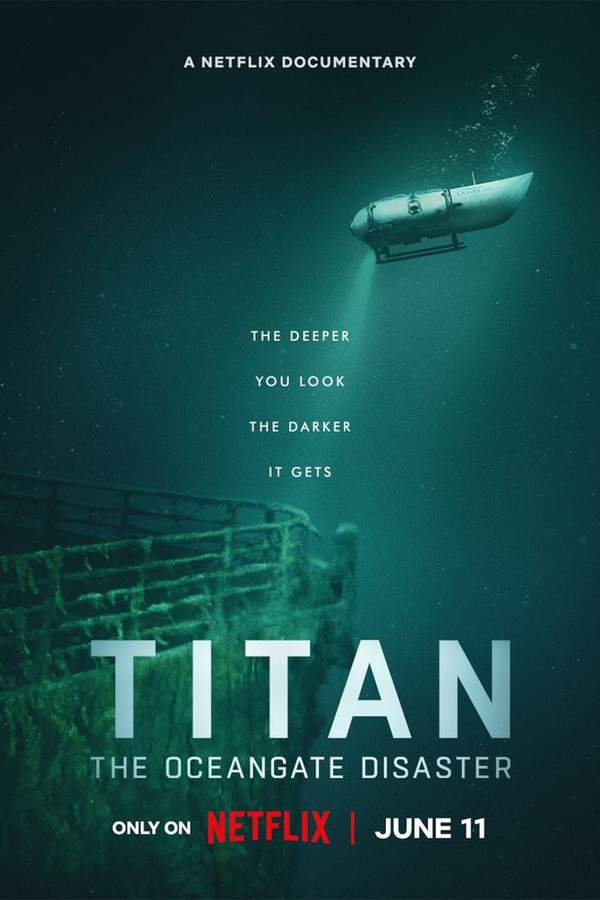
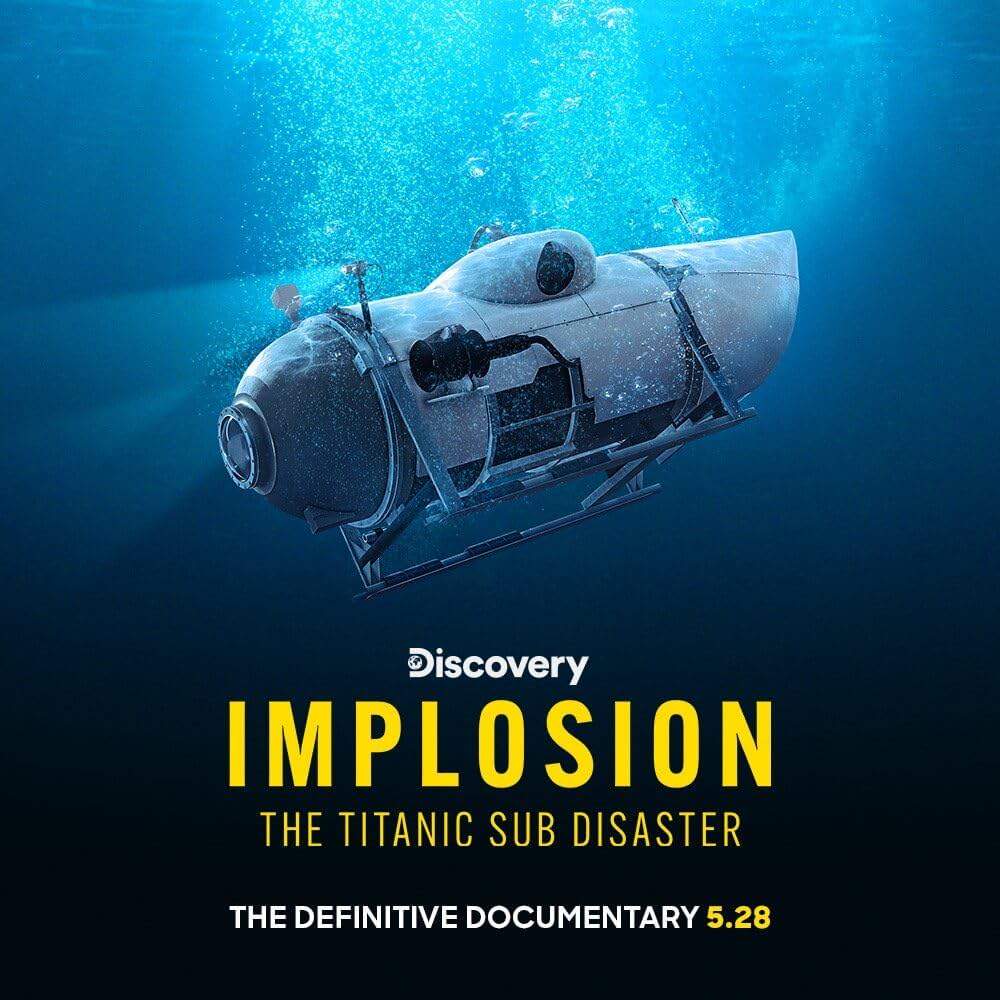
On 18 June 2023, Titan, a submersible operated by OceanGate, imploded during an expedition to the Titanic wreck site in the North Atlantic off Newfoundland, Canada. Aboard were five people: Stockton Rush, the CEO of OceanGate; Paul-Henri Nargeolet, a renowned French deep-sea explorer; Hamish Harding, a British businessman; Shahzada Dawood, a Pakistani-British businessman; and Dawood’s son, Suleman. The film follows not only the tragedy itself but the series of decisions, ambitions, and warnings that preceded it, drawing on whistleblower accounts, archival footage, Coast Guard hearings, internal audio, and numerous interviews to rebuild OceanGate’s evolution and the choices that culminated in disaster.
The investigation and early reporting form a central thread. Former OceanGate employees—including David Lochridge, the former Director of Marine Operations and the primary whistleblower; Emily Hammermeister, an assistant to the lead engineer; and Tony Nissen, the Director of Engineering—provide firsthand perspectives on the ship and its design. Sydney Nargeolet, Paul-Henri’s daughter, offers testimony as a family member touched by the loss, while investigative journalist Mark Harris from Wired contributes context. The film carefully layers these voices to present a portrait of a company under pressure to deliver groundbreaking experiences while contending with deep concerns about safety and process.
Communication and the moment of loss anchor the timeline. Roughly an hour and a half into the dive, Titan lost contact with its mother ship, MV Polar Prince. As authorities mobilized, the initial fear focused on a dwindling air supply, and a Coast Guard aircraft picked up sounds tied to the search area. After four grueling days, a remotely operated vehicle (ROV) uncovered a debris field near the Titanic, about 500 meters from the bow. The broader search area was informed by naval sonar detecting an acoustic signature consistent with an implosion around the time communications ceased, indicating the pressure hull failed during descent and that all five occupants died instantly.
The official findings frame the broader lesson. The U.S. Coast Guard’s investigation concluded the tragedy was preventable, pinpointing OceanGate’s failure to adhere to established engineering protocols for safety, testing, and maintenance of their submersible. The report also highlighted long-standing practices within the company—intimidation tactics, a permissive approach to scientific work, and a reputation that helped curb regulatory scrutiny. Taken together, these elements cast a stark light on how ambition and a culture of risk can overwhelm rigorous safety standards.
The film digs into the business case, design choices, and mounting tensions. Stockton Rush conceived Titan to commercialize deep-sea exploration, starting with voyages to the Titanic as early as 2011–2018, with ticket prices around six figures. The hull’s carbon fiber design promised lighter weight and lower operating costs but carried serious depth-related risks, especially under the immense pressures of thousands of meters underwater. Early plans featured a partnership with Boeing on a carbon fiber hull, but the collaboration ended after test results signaled a high risk of failure well before Titanic depths.
When Boeing stepped away, OceanGate pushed ahead with in-house engineering. Rush often controlled critical technical decisions, even when concerns were raised by others. A test dive in Cyclops 1, aimed at the Andrea Doria wreck, saw Rush replace the designated pilot at the last moment and proceed into a debris-strewn field, a moment that underscored the precarious balance between leadership risk-taking and crew safety. Lochridge voiced specific worries about the hull and the need for independent inspection and certification, but those concerns sparked anger from Rush, who reacted defensively and sometimes shifted blame.
Whistleblowers and safety data reveal a troubled pattern. Lochridge’s detailed risk report was met with resistance, followed by his departure and later a legal fight with OceanGate over whistleblower protections and labor claims. He eventually faced governmental and legal scrutiny, with results that pointed to insufficient protection for whistleblowers and slow regulatory action. Emily Hammermeister witnessed testing sessions in the Bahamas where the Titan attempted a 4000-meter depth, and a crack, accompanied by loud popping noises at depth, suggested a fragile hull. Despite warnings, development continued, with attempts to refine the hull through multiple iterations and a timeline stretched by COVID-19 disruptions.
The narrative returns to performance and public perception. In 2022, as OceanGate opened up about its operations to the press, the film presents a picture of a safety culture that could be seen as obsessive and defiant, especially given Rush’s role as pilot on many dives and the involvement of Paul-Henri Nargeolet, whose decades of Titanic exploration lent credibility to the project. The crew’s complicated dynamics—earlier tensions, shifting responsibilities, and the pressure to demonstrate success—are shown against the backdrop of mounting technical concerns and a growing disconnect between ambition and verifiable safety.
Ultimately, the film presents a layered, cautionary account. It juxtaposes the awe of deep-sea exploration with the stark realities of engineering risk, corporate pressure, and the human cost of decisions made in pursuit of a vision. Through each interview, archival clip, and investigative detail, the narrative invites viewers to weigh the allure of groundbreaking adventure against the imperative of rigorous safety, transparent testing, and accountability—lessons that extend far beyond a single expedition and into the broader world of extreme exploration.