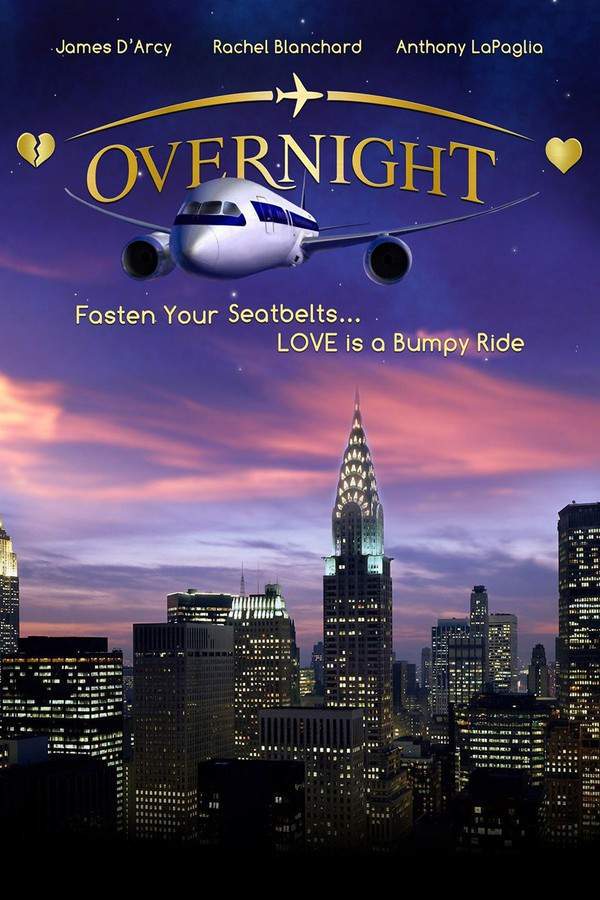
When unexpected weather delays a flight, two strangers, Rachel Blanchard and James D'Arcy, find themselves unexpectedly sharing a chaotic journey across continents. Forced to navigate turbulent relationships and uneasy alliances with a group of eccentric passengers and flight attendants, they experience a series of chance encounters that explore the complexities of love and human connection.
Find where to stream, rent, or buy Overnight (2004) in the US with current JustWatch availability, up-to-date pricing, and platform listings for subscription, rental, and digital purchase options.
Warning: spoilers below!
Haven’t seen Overnight yet? This summary contains major spoilers. Bookmark the page, watch the movie, and come back for the full breakdown. If you're ready, scroll on and relive the story!
Read the complete plot breakdown of Overnight (2004), including all key story events, major twists, and the ending explained in detail. Discover what really happened, and what it all means.
Troy Duffy, a bartender, musician, and aspiring screenwriter, orchestrates a career-altering breakthrough in 1997 after selling his script for The Boondock Saints to Miramax chief Harvey Weinstein for US$300,000, catching the attention of the William Morris Agency in the process. He is offered the extraordinary chance to direct the film with a US$15 million budget, while his band The Brood is lined up to produce the soundtrack and secure a recording deal with Maverick Records. Miramax even agrees to buy the Los Angeles bar J. Sloan’s where Duffy works and hire him to run it, turning his everyday surroundings into the nerve center of a Hollywood ascent. To document this ascent, he enlists friends Tony Montana and Mark Brian Smith to manage The Brood and capture the rollercoaster on film.
In those early days, Duffy revels in his success, flitting between celebrity hangouts at his bar, dining in luxury hotel restaurants, and moving into a production office where teleconferences with major film producers become part of his daily routine. Yet the shine wears off quickly as his swagger morphs into arrogance and abusive behavior, casting a shadow over the project. He is filmed openly insulting actors who are being considered for roles, including Ethan Hawke and Keanu Reeves, and his temper flares when he mispronounces Kenneth Branagh’s name before abruptly calling him a crude epithet. He also publicly disparages industry producers such as Jerry Bruckheimer. As delays mount and he demands swifter production, he threatens to switch to a rival agency, alienating Weinstein and his own production team in the process. Rumors begin to fly that Weinstein has given him informal blacklisting status, and Miramax eventually places the film in turnaround, cutting off conference calls and leaving Duffy with few real contacts in Hollywood.
Meanwhile, the musical side of his ambitions struggles as well. Jeff “Skunk” Baxter expresses interest in producing The Brood and praises lead vocalist Taylor Duffy, but recording sessions quickly devolve into a clash of egos. Duffy tries to take control, ignoring Baxter’s guidance and dismissing concerns about the band’s heavy drinking. After Maverick Records drops them, the group signs with Atlantic Records and renames themselves The Boondock Saints. The debut CD sells a mere 690 copies, and the band is dropped from the label before they can gain traction, effectively stalling their musical ambitions.
By 1998, financing for the film finally comes together through Franchise Pictures, albeit at a budget that totals less than half of what Miramax had offered. The Boondock Saints is teased at the 1999 Cannes Film Festival, but American distributors pass on it en masse. A limited release in five cities follows, but it performs poorly and is pulled after a week, only to later find life on home video and DVD. On the night of its Palm Springs International Film Festival screening, a car unexpectedly jumps the curb and collides with Duffy and producer Chris Brinker; both escape with minor injuries, while the driver and vehicle escape without identification.
The film’s long-term fate is paradoxical: it becomes a sleeper hit on home video even as franchise financing binds Duffy to financial strictures that block profits from television, home media, or foreign sales. The money from his film and music ventures dwindles, his bar closes, and the dream of a Hollywood breakthrough fades for the foreseeable future, leaving him unable to secure work in the industry for six years after the film’s production.
Last updated: November 22, 2025 at 15:58
Explore frequently asked questions about Overnight (2004) with spoiler-rich answers covering the full plot summary, major story beats, character motivations, hidden details, and ending meaning. This movie summary FAQ helps explain confusing scenes, plot twists, and narrative decisions in clear, searchable detail.
Miramax placed the film in turnaround after Duffy repeatedly alienated key industry contacts. He openly insulted actors being considered for roles, including Ethan Hawke and Keanu Reeves, and derisively mispronounced Kenneth Branagh's name before calling him a crude epithet. He also disparaged powerful producers like Jerry Bruckheimer and threatened to leave William Morris for a rival agency. These actions convinced Weinstein to cut off conference calls and effectively blackball Duffy in Hollywood.
Duffy's filmed insults during casting sessions foreshadowed the project's rapid decline.
Duffy's career imploded due to his transformation from confident newcomer to openly abusive industry figure. After signing his deal, he became increasingly arrogant, publicly insulting actors, disparaging producers, and threatening to switch agencies when faced with delays. His inflammatory behavior, including recorded insults toward potential cast and producers, burned bridges with everyone who could have helped him, leading to his informal blacklisting in the industry.
The early days of success already showed signs of swagger that would spiral into destructive arrogance.
The Brood signed with Maverick Records through the Miramax deal but recording sessions quickly deteriorated. Producer Jeff 'Skunk' Baxter tried to guide the band, but Duffy took control and ignored warnings about the band's heavy drinking. After Maverick dropped them, they signed with Atlantic Records and renamed themselves The Boondock Saints, but their debut CD sold only 690 copies. The label dropped them shortly after, ending their musical ambitions.
Duffy's controlling behavior in the studio mirrored his difficult nature on the film set.
The film had a limited five-city release in 1999 that performed poorly and was pulled after one week, with no major American distributor picking it up at Cannes. However, it found unexpected life on home video and DVD, becoming a sleeper hit long after its theatrical run. This paradoxical success, cult following on home video while being bound by a franchise deal that prevented him from profiting from those sales, defined the film's legacy.
The early home video interest hinted at the cult status the film would eventually achieve.
On the night of the Palm Springs International Film Festival screening, a car unexpectedly jumped the curb and struck both Duffy and producer Chris Brinker. Both escaped with minor injuries, while the driver and vehicle fled without identification. The incident generated tabloid headlines but added to the film's troubled exhibition history.
Duffy's contract with Franchise Pictures contained restrictive clauses that barred him from receiving profits from television, home media, or foreign sales. While the film became a sleeper hit on DVD and developed a cult following, these revenue streams went exclusively to the financing company. Combined with the closure of his bar and the collapse of his music deals, Duffy eventually spent all his money and couldn't secure any Hollywood work for six years after production.
The financial strictures in the Franchise Pictures deal were established when the smaller budget financing came together.
In 1998, Franchise Pictures stepped in to finance the film, though at a budget less than half of what Miramax had originally offered. This reduced budget allowed production to continue but came with the restrictive profit participation terms that would later prevent Duffy from benefiting financially from the film's success.
The shift to Franchise Pictures marked a major turning point in the film's troubled production history.
Duffy was effectively blacklisted due to his documented abusive behavior toward industry professionals. He was filmed openly insulting and disparaging actors, producers, and agents, including calling Kenneth Branagh a crude name, insulting Ethan Hawke and Keanu Reeves to their faces, and attacking producers like Jerry Bruckheimer. His threats to abandon William Morris for a rival agency and his deteriorating relationship with Weinstein created rumors of informal blacklisting status. After Miramax put the film in turnaround and cut off his contacts, he found himself with few allies in the industry.
His inflammatory behavior during casting sessions was captured on film and became evidence of his destructive approach.
Jeff 'Skunk' Baxter initially expressed strong interest in producing The Brood and praised lead vocalist Taylor Duffy, but recording sessions quickly became contentious. Duffy attempted to take control of the production, ignoring Baxter's professional guidance and dismissing concerns about the band's heavy drinking. These clashes led Maverick Records to drop the band, ending Baxter's involvement.
This conflict illustrated the same controlling behavior that would derail his film career.
As part of the original deal, Miramax agreed to purchase the Los Angeles bar J. Sloan's where Duffy worked and appointed him to run it. The bar became a hub for celebrity hangouts during Duffy's brief period of success. However, after his financial collapse following the film's release and the restrictive Franchise Pictures contract, Duffy lost everything, and the bar eventually closed.
The film was promoted at the 1999 Cannes Film Festival, but no major American distributor purchased it. This failure stemmed from the film's troubled production history, Duffy's damaged reputation in Hollywood, and the lingering effects of his blacklisting. The lack of distribution led to a brief five-city theatrical release that performed poorly before being pulled after one week.
The Cannes failure was directly linked to Duffy's earlier behavior that had alienated industry decision-makers.
Discover curated groups of movies connected by mood, themes, and story style. Browse collections built around emotion, atmosphere, and narrative focus to easily find films that match what you feel like watching right now.
Cringe-inducing chronicles of ambition undone by toxic ego and arrogance.If you found the brutal honesty of Overnight gripping, this selection features similar real-life stories of creative ambition and toxic ego. These films explore the dramatic rise and fall of individuals in various industries, offering a sobering look at the consequences of arrogance.
The narrative follows a linear, fast-paced trajectory from initial success to inevitable collapse. The focus is on the protagonist's character flaws—primarily ego and hubris—as the direct cause of their undoing, creating a clear and often painful cause-and-effect story.
These films are grouped by their shared focus on real-world ambition corrupted by personality defects. They create a specific mood of gripping discomfort and melancholic reflection, united by a dark tone, heavy emotional weight, and a bleak, cautionary conclusion.
Intense, fast-paced stories of character collapse and devastating consequences.For viewers who appreciated the intense, fast-paced unraveling in Overnight, this list includes movies with similar arcs of self-destruction. These stories, spanning fiction and documentary, explore characters whose own actions lead to a heavy, bleak, and sobering conclusion.
The narrative pattern is straightforward, charting a direct path from a point of potential to a state of ruin. The journey is defined by poor choices rooted in character flaws, creating a sense of inevitability and making the viewing experience both gripping and emotionally draining.
These movies share a powerful combination of high intensity, dark tone, and fast pacing that creates a specific, gripping vibe. They are united by a focus on the psychological mechanics of failure and the heavy emotional impact of witnessing a total collapse.
Don't stop at just watching - explore Overnight in full detail. From the complete plot summary and scene-by-scene timeline to character breakdowns, thematic analysis, and a deep dive into the ending - every page helps you truly understand what Overnight is all about. Plus, discover what's next after the movie.
Track the full timeline of Overnight with every major event arranged chronologically. Perfect for decoding non-linear storytelling, flashbacks, or parallel narratives with a clear scene-by-scene breakdown.
Discover the characters, locations, and core themes that shape Overnight. Get insights into symbolic elements, setting significance, and deeper narrative meaning - ideal for thematic analysis and movie breakdowns.
Discover movies like Overnight that share similar genres, themes, and storytelling elements. Whether you’re drawn to the atmosphere, character arcs, or plot structure, these curated recommendations will help you explore more films you’ll love.
Overnight (2004) Scene-by-Scene Movie Timeline
Overnight (2004) Movie Characters, Themes & Settings
Overnight (2004) Spoiler-Free Summary & Key Flow
Movies Like Overnight – Similar Titles You’ll Enjoy
The Overnighters (2014) Full Movie Breakdown
Don't Look Down (2016) Complete Plot Breakdown
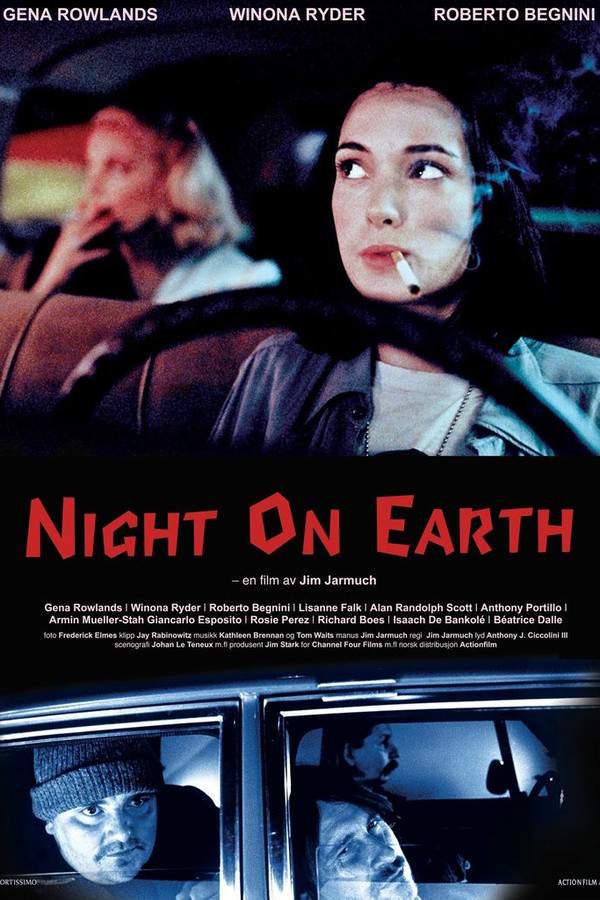
Night on Earth (1991) Detailed Story Recap
Horizon Line (2021) Plot Summary & Ending Explained
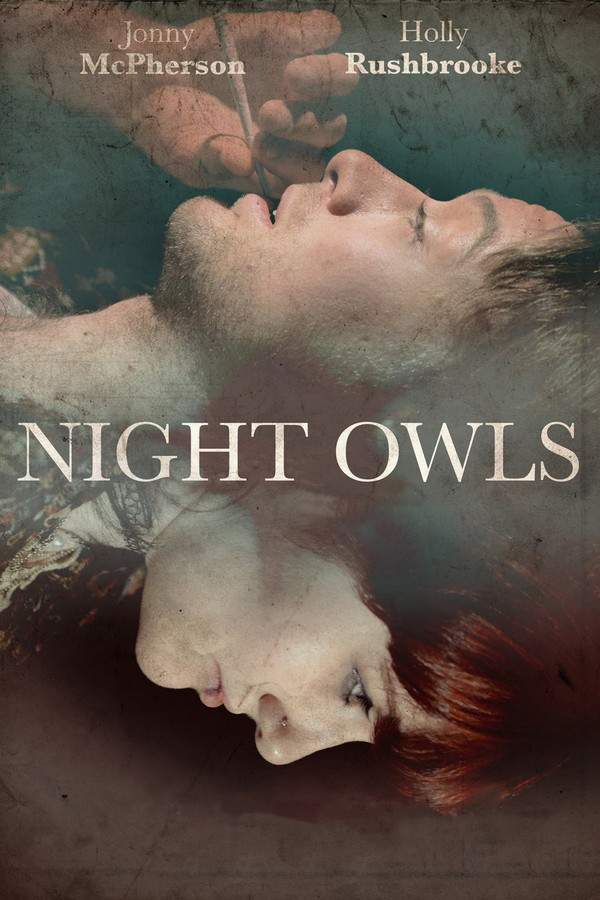
Night Owls (2015) Detailed Story Recap
Overboard (1987) Spoiler-Packed Plot Recap
All Nighter (2017) Plot Summary & Ending Explained
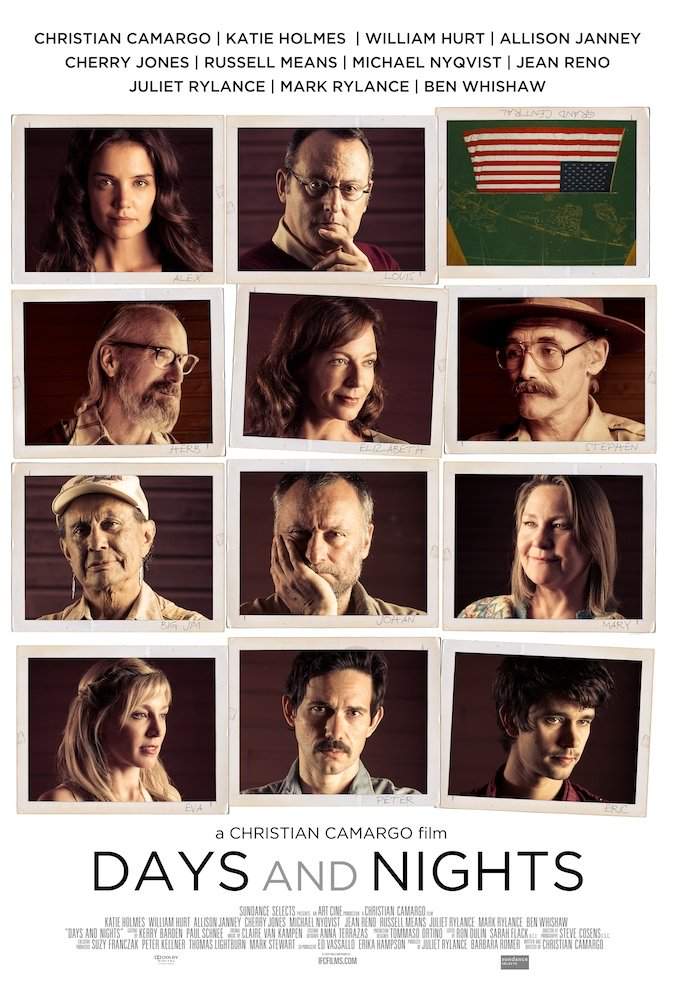
Days and Nights (2014) Story Summary & Characters
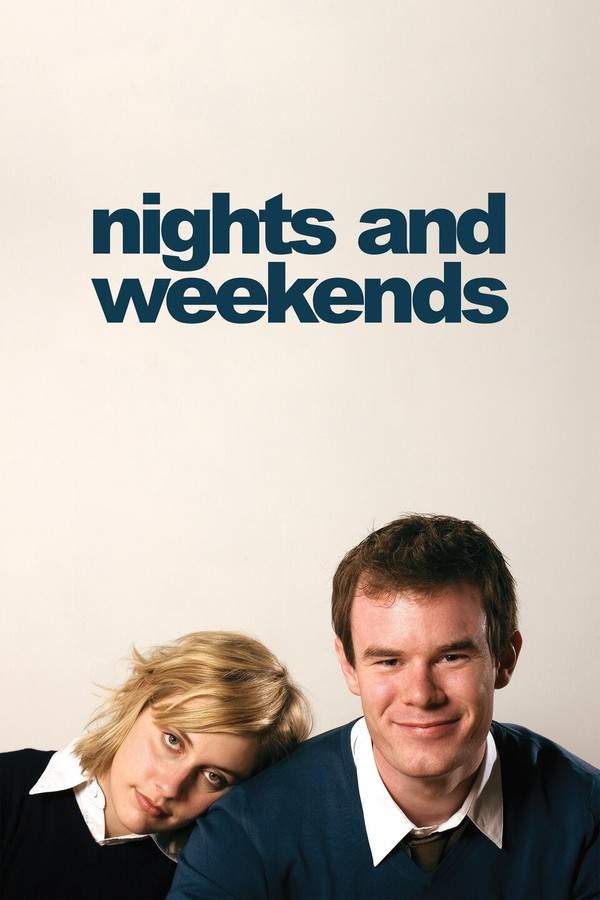
Nights and Weekends (2008) Full Summary & Key Details
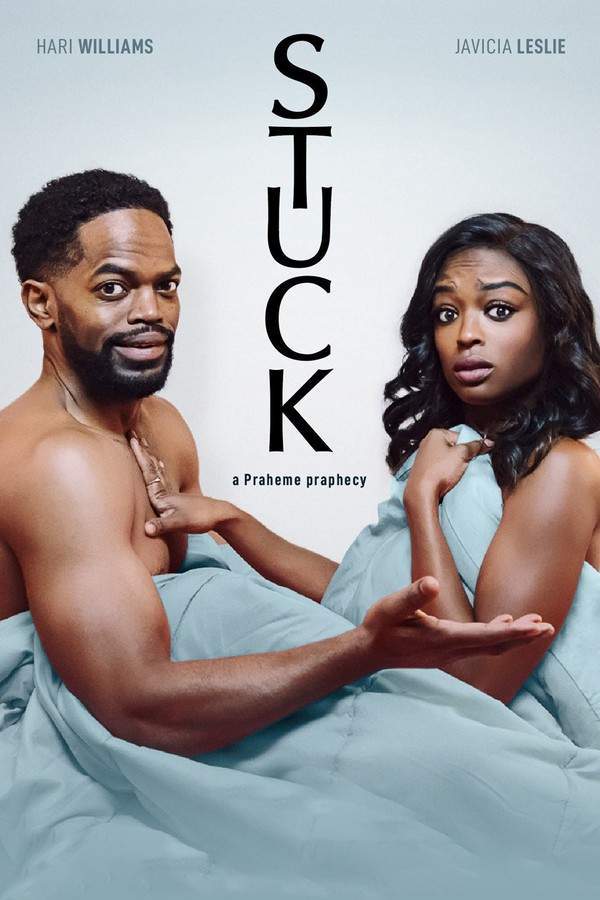
Stuck (2013) Film Overview & Timeline
Falling Overnight (2012) Movie Recap & Themes
Night and Day (1991) Spoiler-Packed Plot Recap
Nocturne (1980) Plot Summary & Ending Explained
Yesterday’s Two Nights (2020) Spoiler-Packed Plot Recap
Nocturnal Uproar (1979) Ending Explained & Film Insights