







Plot Explained Spoilers guaranteed!
Plot Explained

Browse by genre

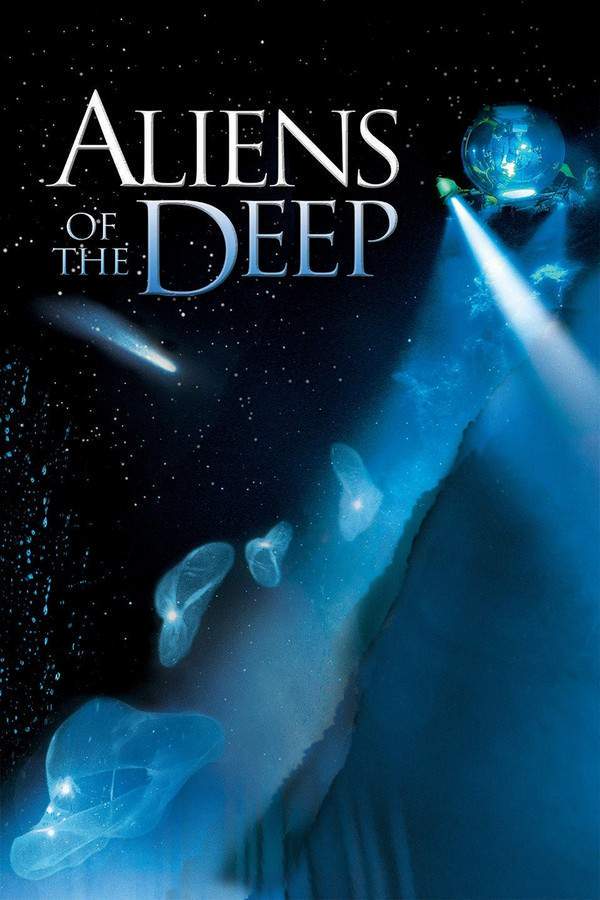
Aliens of the Deep (2005) movie poster

Plot Summary

Aliens of the Deep (2005) Plot Summary Explained

Release, runtime and language
2005 · 47 min · English
JustWatch #29,098 5
Directed by
James Cameron, Steven Quale

Filmmaker James Cameron accompanies a Russian research team aboard a vessel exploring the unexplored depths of the ocean. The documentary focuses on hydrothermal vents and the unique ecosystem they support. Viewers encounter extraordinary marine creatures thriving in this extreme environment, leading scientists to draw compelling parallels between these deep-sea life forms and potential extraterrestrial organisms.

On this page (6)
  1. 1 Where to watch
  2. 2 What happens: full plot
  3. 3 Plot questions answered
  4. 4 Movie threads
  5. 5 Movies like Aliens of the Deep
  6. 6 Every angle

Where to watch

Where to Watch Aliens of the Deep (2005)

Where can you watch Aliens of the Deep? Stream, rent or buy it in the US, including on Disney Plus, Hoopla and Amazon Video: current JustWatch availability with up-to-date prices.

Streaming availability powered by JustWatch

Full plot summary · contains spoilers

What Happens in Aliens of the Deep: Full Plot Summary

The whole story of Aliens of the Deep (2005) explained, from the opening scene to the final frame: every key event, every twist and what it all adds up to. Read it as a quick recap before the sequel, to check a scene you missed, or to finally understand what really happened.

As Cameron embarks on an extraordinary journey aboard the Russian research vessel Akademik Mstislav Keldysh, he is joined by a diverse group of NASA scientists and American marine biologists. Together, they share a common goal: to uncover the secrets of ten hydrothermal vents scattered across the Atlantic and Pacific Oceans. These astonishing underwater springs, brimming with life, nurture a unique ecosystem that flourishes in complete darkness, relying on the energy emitted by the superheated waters.

The documentary takes viewers into a realm where giant tube worms rise towards the surface, resembling nature's sculptures, while swarms of blind white crabs scurry through the inky depths. Vast groups of shrimp explore their environment using an exceptional form of "vision" that detects minute changes in water temperature.

This captivating world, nourished by the vents' sulfur-rich waters, provides a fascinating perspective on what extraterrestrial life might resemble. The harsh conditions found at these vents serve as a metaphor for the relentless environments that could exist on distant planets, suggesting that alien ecosystems may manifest in equally wondrous and strange forms. Cameron's documentary not only reflects his unquenchable enthusiasm for oceanic exploration but also his intrigue regarding the potential for life beyond our planet.

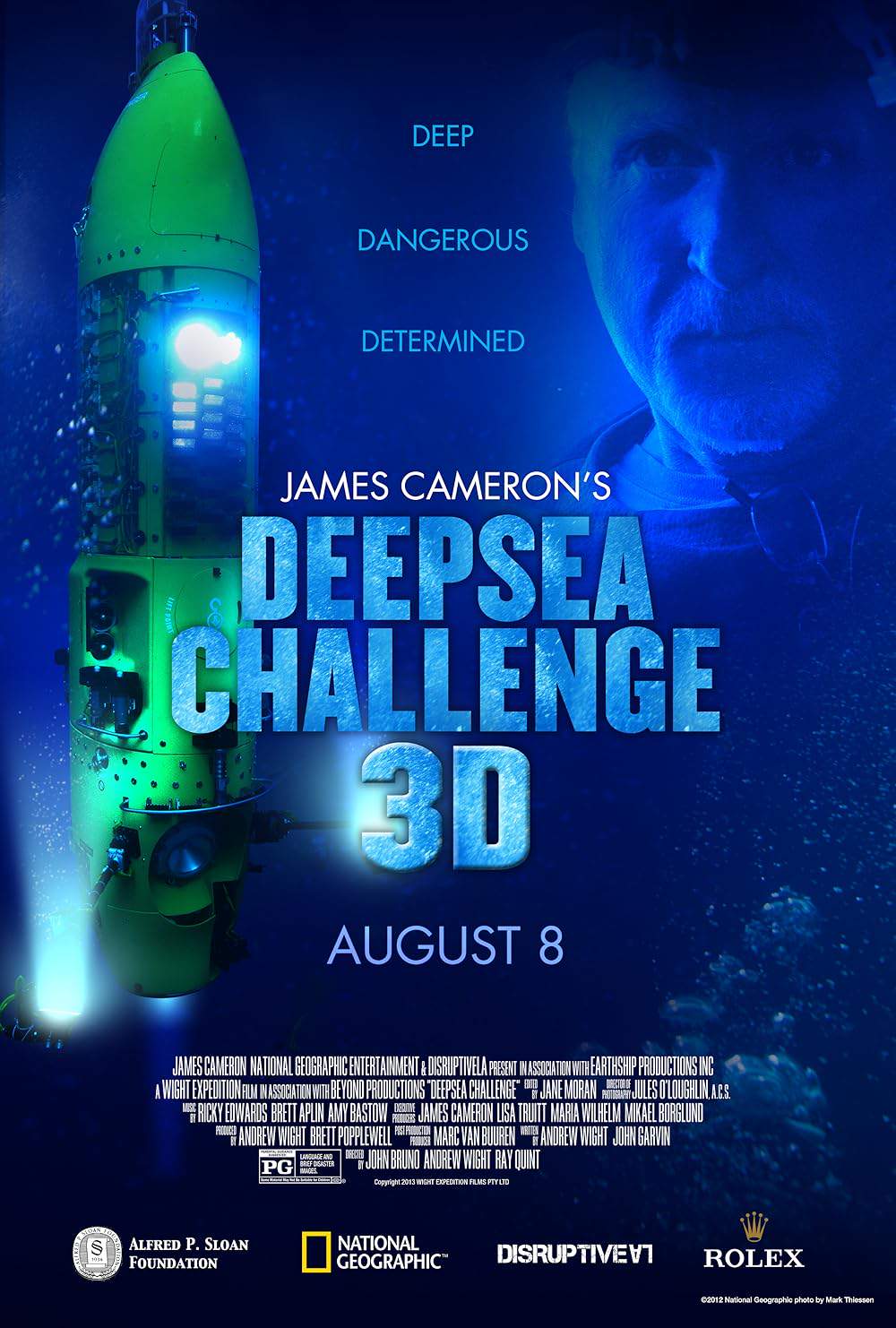
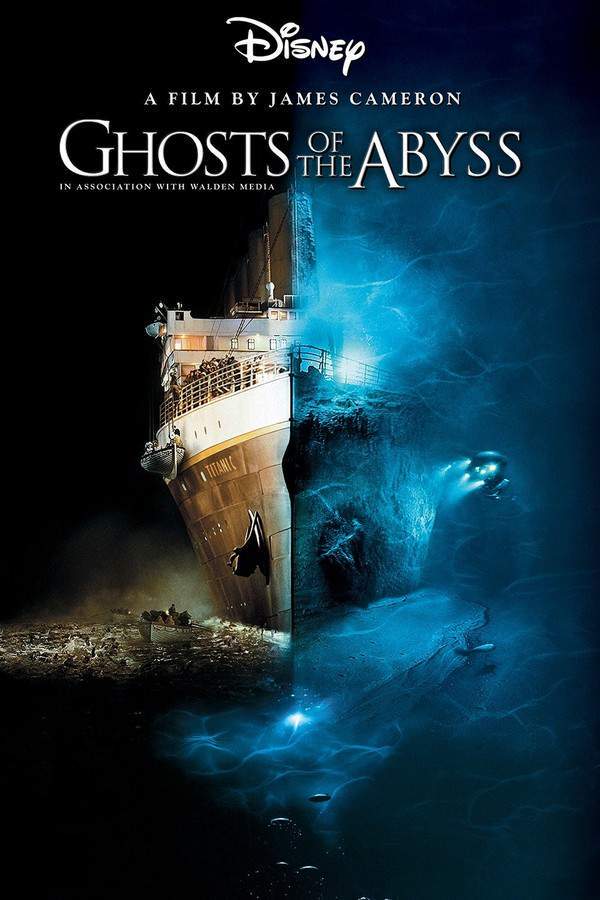
Throughout the film, audiences are treated to a thrilling showcase of technological marvels as the team uses innovative techniques to explore otherwise unreachable depths. The result is a cinematic masterpiece that resonates with Cameron's previous documentary, Ghosts of the Abyss (2003), where he famously journeyed to the Titanic wreck site. Like its forerunner, this film is presented in stunning 3-D IMAX format, ensuring an immersive and unforgettable viewing adventure.

Last updated: November 22, 2024 at 15:41

Was this helpful?

Plot questions answered

Aliens of the Deep Plot Explained: Your Questions Answered

The questions people ask most about Aliens of the Deep (2005): what happens in the confusing scenes, why the characters do what they do, the twists, hidden details and what the ending means. Each answer contains spoilers.

Q1

What are hydrothermal vents and why do they support life?

Hydrothermal vents are underwater springs formed when seawater heated by volcanic activity beneath the seafloor rises back up through the crust. These vents release superheated, mineral-rich water that creates a unique ecosystem. Despite being in complete darkness, life thrives here because chemosynthetic bacteria use the chemicals in the vent water (particularly hydrogen sulfide) as an energy source, forming the base of the food chain that supports tube worms, crabs, and shrimp.

  • hydrothermal vents
  • deep sea life
  • chemosynthesis
  • ecosystem
Q2

How do giant tube worms survive without sunlight?

Giant tube worms (Riftia pachyptila) survive by forming a symbiotic relationship with chemosynthetic bacteria inside their specialized red plumes. The worms extend their bright red plumes into the oxygen-rich seawater to absorb oxygen and hydrogen sulfide, which they then transport to the bacteria in their interior trophosome organ. The bacteria convert these chemicals into organic nutrients that feed the worm, allowing it to thrive in complete darkness.

  • tube worms
  • symbiosis
  • chemosynthetic bacteria
  • deep sea creatures
Q3

Why are the crabs in the documentary blind?

The blind white crabs (Bythograeidae family) have evolved without eyes because visual acuity provides no advantage in the pitch-black environment of the deep ocean. Instead of relying on sight, these crabs have developed other heightened senses to navigate and find food around the vents. Their blindness is an evolutionary adaptation to an environment where light never penetrates.

  • blind crabs
  • deep sea adaptations
  • evolution
  • blindness
Q4

How do the shrimp detect changes in water temperature?

The shrimp featured in the documentary possess a specialized sensory system that detects minute temperature differences in the water. Rather than using traditional eyes, they have thermal receptors that allow them to sense the subtle temperature gradients around the hydrothermal vents. This ability helps them navigate toward the nutrient-rich warm waters while avoiding the extremely hot discharge zones.

  • shrimp
  • temperature sensing
  • thermal receptors
  • deep sea vision
Q5

Why does the documentary connect hydrothermal vents to alien life?

Cameron draws the parallel because hydrothermal vents demonstrate that life can thrive without sunlight in extreme conditions of high pressure, scalding temperatures, and toxic chemicals. Since these environments mirror conditions suspected to exist on other planets and moons (like Jupiter's moon Europa or Saturn's Enceladus), scientists use vent ecosystems as models for understanding how extraterrestrial life might potentially exist in similar extreme habitats elsewhere in the universe.

  • alien life
  • extraterrestrial
  • space exploration
  • astrobiology
Q6

Why was this documentary filmed in 3-D IMAX format?

Cameron chose 3-D IMAX format to bring the otherwise inaccessible deep-sea world to life in a way that standard film cannot. The immersive format allows viewers to experience the grandeur and scale of the hydrothermal vents and their extraordinary creatures, creating a sense of depth and presence that helps communicate the wonder of discovery. This approach was also used in his earlier documentary Ghosts of the Abyss.

  • IMAX
  • 3D format
  • cinematic technology
  • visual documentary
Q7

What was the purpose of the Russian research vessel Akademik Mstislav Keldysh?

The Akademik Mstislav Keldysh served as the primary mother ship for the expedition, providing accommodations, laboratories, and a launching platform for the submersibles used to reach the hydrothermal vents. This Russian research vessel enabled the team of NASA scientists and American marine biologists to conduct deep-sea exploration across multiple vent sites in both the Atlantic and Pacific Oceans.

  • research vessel
  • submersibles
  • deep sea exploration
  • expedition
Q8

How does sulfur support life at the hydrothermal vents?

The superheated water spewing from hydrothermal vents is rich in hydrogen sulfide, a chemical compound that chemosynthetic bacteria use as an energy source through a process called chemosynthesis. These bacteria oxidize the hydrogen sulfide to produce organic matter, which then fuels the entire vent ecosystem. This sulfur-based metabolism allows life to exist independently of sunlight, making it a model for potential life on other worlds.

  • hydrogen sulfide
  • chemosynthesis
  • sulfur
  • energy source
Q9

What technology allowed the team to explore such extreme depths?

The expedition employed innovative submersible technology designed to withstand the crushing pressures and extreme temperatures of the deep ocean. These vehicles enabled the team to reach previously inaccessible hydrothermal vent sites, documenting creatures and geological formations that had never been captured on film before. The technology represented a significant advancement in deep-sea exploration capabilities.

  • submersibles
  • deep sea technology
  • exploration equipment
  • oceanography

Movie threads

More Movies Like Aliens of the Deep, by Mood & Story

Curated lists built around what makes Aliens of the Deep tick: the same mood, the same kind of story or the same emotional payoff. Each list explains why these movies belong together.

Awe-inspiring scientific expeditions like Aliens of the Deep

Immersive journeys of discovery that reveal the wonders of our world and beyond. If you liked the sense of wonder and discovery in Aliens of the Deep, explore these movies that chronicle real or fictional scientific journeys. These films share a hopeful tone and immersive visuals, capturing the thrill of exploring the natural world and unlocking its secrets.

  • wondrous
  • immersive
  • educational
  • awe-inspiring
  • curious
  • methodical
  • Tone: hopeful, wondrous, curious
  • Pacing: steady, methodical
Why these movies?

The story pattern: Stories in this thread typically follow a logical, expeditionary structure, moving from initial curiosity to groundbreaking revelations. The narrative is driven by the process of discovery itself, often leading to optimistic conclusions about human ingenuity and the resilience of life.

Why they belong together: Movies are grouped here for their shared focus on the inspiring process of scientific exploration, their ability to evoke a sense of awe through visual spectacle, and their generally hopeful outlook on the future of discovery.

Movies about alien worlds on Earth similar to Aliens of the Deep

Exploring extreme Earth environments that feel as strange and majestic as another planet. For viewers who enjoyed the otherworldly deep-sea creatures and landscapes in Aliens of the Deep, this section features films that explore Earth's most extreme and alien-looking environments. These stories blend science, nature, and a profound sense of wonder at our own planet's mysteries.

  • alien landscape
  • bizarre creatures
  • extreme environments
  • astrobiology
  • majestic
  • wondrous
  • Tone: awe-inspiring, curious, hopeful
  • Pacing: steady, immersive
Why these movies?

The story pattern: The narrative pattern involves venturing into a harsh, unfamiliar environment on Earth—deep oceans, caves, deserts, or ice caps—and documenting its unique ecosystem. The journey often concludes with a reflective insight about the nature of life and its potential existence in similarly extreme conditions across the universe.

Why they belong together: These films are united by their central theme of finding the 'alien' within our own world. They share a specific vibe of awe and curiosity, driven by stunning visuals of bizarre landscapes and creatures, and a thoughtful, scientific perspective.

If you liked this

Movies Like Aliens of the Deep

Similar movies to Aliens of the Deep: the same genre, themes or kind of story. Each one comes with its own plot summary, timeline and ending explained.

Browse all movie summaries

Every angle

Aliens of the Deep (2005) Explained: Plot, Timeline & Characters

Everything about Aliens of the Deep in one place: what happens in the plot summary, the timeline in chronological order, the characters and meaning and a spoiler-free summary. What's After the Movie adds the cast, box office and post-credit scenes.

Coming soon on iOS and Android

The Plot Explained Movie Summary App

Plot summaries, endings explained and timelines on your phone. Catch up on any movie in minutes, save your favorites and never miss a twist again.

Be the first to know when we launch. Your email stays private, always.

Learn more about the app