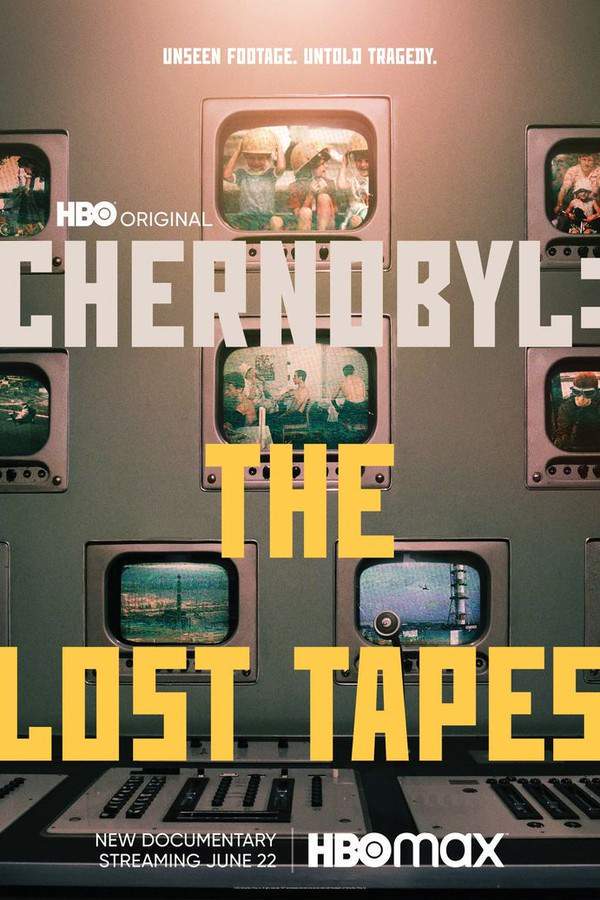
Approaching the 36th anniversary of the Chernobyl disaster, previously unseen footage and interviews offer a harrowing look at the events surrounding the nuclear catastrophe. The documentary reveals the Soviet government’s efforts to cover up the scale of the tragedy and maintain control of the narrative. It highlights the deployment of soldiers who were tasked with containing the fallout and managing the cleanup efforts, providing a stark and intimate portrayal of a monumental disaster.
Find where to stream, rent, or buy Chernobyl: The Lost Tapes (2022) in the US with current JustWatch availability, up-to-date pricing, and platform listings for subscription, rental, and digital purchase options.
Warning: spoilers below!
Haven’t seen Chernobyl: The Lost Tapes yet? This summary contains major spoilers. Bookmark the page, watch the movie, and come back for the full breakdown. If you're ready, scroll on and relive the story!
Read the complete plot breakdown of Chernobyl: The Lost Tapes (2022), including all key story events, major twists, and the ending explained in detail. Discover what really happened, and what it all means.
Chernobyl: The Lost Tapes presents a compelling narrative of the Chernobyl disaster, conveyed through an astonishing collection of dramatic footage captured at the nuclear plant during the catastrophic event. This powerful documentary, directed by the Emmy Award-winning James Jones, includes moving personal interviews from those who experienced the crisis first-hand.
The film meticulously recounts the disaster and its aftermath using extraordinary archival material, filmed under perilous conditions in the hours, days, weeks, and months following the explosion. A dedicated group of cameramen were granted access to the disaster zone, working alongside the brave "liquidators" who risked their lives in an effort to avert further catastrophes and ensure the reactor's safety. The bravery and heroism exhibited by these individuals resonate deeply, presenting a reality far more harrowing than any fictional depiction.
This previously unseen footage, now revealed after an exhaustive investigation of state archives in Ukraine and Russia by James Jones, sheds light on a narrative that has fascinated and horrified audiences for thirty-five years. While numerous radio programs and dramatic retellings have explored the events of April 1986, no documentary has captured the full scope of this monumental disaster—until now.
The film poignantly highlights the stories of those directly impacted, including Lyudmila Ihnatenko, who shares her heart-wrenching experience of losing her firefighter husband, Vasily, just days after the incident. At the time, she was pregnant and tragically lost her child, stating, >"All the radiation I was inhaling, she absorbed it." Through the eyes of various individuals, including a ten-year-old schoolboy and a Russian general, the film illustrates how the Chernobyl disaster irrevocably transformed the lives of millions.
Set against the backdrop of Soviet propaganda that initially dismissed the disaster's severity, the documentary reveals how Mikhail Gorbachev downplayed the incident, thus exposing both his citizens and the global community to significant risks. Many victims suffering from radiation exposure and illnesses were told their conditions had no link to the disaster, as the state maintained its denial and misled its people to suppress the truth. This film bears witness to the profound physical suffering endured by those who selflessly sacrificed themselves for the greater good.
Finally, the documentary illustrates how Chernobyl's catastrophic events and the ensuing cover-up ignited a profound distrust in authority, serving as a catalyst for the protest movements in Ukraine that eventually contributed to the disintegration of the Soviet Union. The implications of this disaster, which endangered countless lives and was tragically mishandled by those in power, resonate powerfully with contemporary audiences.
Chernobyl: The Lost Tapes unfolds the genuine, unvarnished account of one of the most significant yet least understood tragedies of the twentieth century.
Last updated: November 04, 2024 at 03:47
Explore frequently asked questions about Chernobyl: The Lost Tapes (2022) with spoiler-rich answers covering the full plot summary, major story beats, character motivations, hidden details, and ending meaning. This movie summary FAQ helps explain confusing scenes, plot twists, and narrative decisions in clear, searchable detail.
The reactor exploded during a late-night safety test designed to check the emergency cooling system's performance. The test involved reducing power to low levels while simultaneously disabling safety systems to simulate a crisis scenario. This combination created an unstable reaction that led to a massive steam explosion, tearing off the reactor's upper plate and releasing massive amounts of radioactive material into the atmosphere.
The firefighters and initial responders arrived at the plant without knowing the true severity of what had happened. Plant officials themselves did not immediately understand that the reactor had suffered a catastrophic meltdown rather than a simple fire. The firefighters were told they were battling a roof fire and wore standard gear, exposing them to lethal levels of radiation within minutes of arriving.
The Soviet government, led by Mikhail Gorbachev, feared that acknowledging the full scale of the disaster would damage the nation's international reputation and undermine confidence in nuclear power and Soviet technology. The regime prioritized maintaining control of the narrative and protecting state reputation over immediately warning citizens about the deadly radiation spreading across Europe.
Lyudmila Ihnatenko was pregnant when her husband Vasily, a firefighter, was sent to combat the initial blaze. He died from acute radiation syndrome within days. Lyudmila herself suffered severe radiation exposure while caring for him and lost her unborn child, as she stated all the radiation she inhaled was absorbed by the baby. Her story illustrates the devastating human cost borne by families of the first responders.
The liquidators were thousands of workers, soldiers, and volunteers tasked with containing the radioactive fallout and cleaning up the disaster site. They performed incredibly dangerous duties including shoveling radioactive debris from rooftops, burying contaminated soil, and assisting in the construction of the concrete sarcophagus. Many received massive radiation doses, with some completing their tasks in just 90 seconds before being rotated out to prevent fatal exposure.
Mikhail Gorbachev, the Soviet leader at the time, initially downplayed the disaster's severity to the public and international community. His administration delayed issuing proper warnings and evacuation orders, leaving millions of people in affected areas exposed to dangerous radiation levels. The government maintained for months that the situation was under control even as evidence of widespread contamination emerged.
Survivors and cleanup workers suffered severe and often fatal health consequences including thyroid cancer, leukemia, organ damage, and acute radiation syndrome. Many victims were told by state officials that their illnesses were unrelated to the disaster, as the government continued denying any connection between radiation exposure and the emerging health crisis. The true toll continues to this day, with elevated cancer rates still appearing in affected populations.
The Chernobyl cover-up and mishandling of information fueled widespread public distrust in the Soviet government. As the truth emerged about the state's deliberate concealment of the disaster's severity, citizens lost faith in authority. This erosion of trust became a catalyst for the protest movements that swept through Ukraine and other Soviet republics, ultimately contributing to the political upheavals that led to the Soviet Union's dissolution.
Filmmaker James Jones spent years investigating state archives in Ukraine and Russia, uncovering extraordinary archival material that had remained unseen for decades. This footage was captured by cameramen granted rare access to the disaster zone in the hours, days, weeks, and months following the explosion. The material provides an unvarnished look at the heroism of liquidators and the harrowing realities they faced.
Soviet officials delayed evacuating the nearby city of Pripyat and surrounding areas for over 36 hours after the explosion. The government was reluctant to acknowledge the disaster's severity and disrupt the May Day celebrations planned for May 1st. Residents were not warned about the radioactive cloud passing directly over their city, and many went outside to watch the bright glow from the burning reactor, unknowingly exposing themselves to massive radiation.
The Chernobyl exclusion zone remains one of the most contaminated areas on Earth, spanning approximately 1,000 square miles around the destroyed reactor. The abandoned city of Pripyat stands frozen in time, with buildings crumbling and nature reclaiming the empty streets. The concrete sarcophagus built to contain the wreckage has deteriorated, and a new containment structure was completed in 2017 to prevent further radioactive release.
Discover curated groups of movies connected by mood, themes, and story style. Browse collections built around emotion, atmosphere, and narrative focus to easily find films that match what you feel like watching right now.
Unflinching documentaries that expose tragic truths and government failings.If you were gripped by Chernobyl: The Lost Tapes, explore more movies that reveal tragic truths through archival evidence. These similar documentaries expose government failings and human cost in a sobering, intimate style, focusing on survival and sacrifice.
Stories in this thread typically follow a straightforward, chronological structure that methodically reveals the scale of a disaster or cover-up. The narrative journey is one of discovery, moving from initial ignorance to a full, horrifying understanding of a failed system and its consequences.
These movies are grouped for their shared commitment to historical truth-telling through primary sources, their dark tone focused on systemic failure, and their heavy emotional weight derived from real human tragedy and sacrifice.
Stories of ordinary people enduring catastrophe caused by failing institutions.For viewers who appreciated the survival themes in Chernobyl: The Lost Tapes, this section collects movies about ordinary people enduring catastrophic events. These similar films explore grief, loss, and resilience against a backdrop of institutional failure and environmental disaster.
The central pattern involves a catastrophic event that exposes deep flaws in a governing or technological system. The protagonists, often soldiers, first responders, or civilians, are thrust into a desperate struggle for survival, grappling not only with the immediate physical danger but also with the psychological trauma of institutional betrayal.
Movies here share a core theme of human resilience confronting systemic failure. They possess a high intensity and heavy emotional weight, driven by a dark tone and a somber mood that emphasizes the profound cost of survival and the grief of loss.
Don't stop at just watching - explore Chernobyl: The Lost Tapes in full detail. From the complete plot summary and scene-by-scene timeline to character breakdowns, thematic analysis, and a deep dive into the ending - every page helps you truly understand what Chernobyl: The Lost Tapes is all about. Plus, discover what's next after the movie.
Track the full timeline of Chernobyl: The Lost Tapes with every major event arranged chronologically. Perfect for decoding non-linear storytelling, flashbacks, or parallel narratives with a clear scene-by-scene breakdown.
Discover the characters, locations, and core themes that shape Chernobyl: The Lost Tapes. Get insights into symbolic elements, setting significance, and deeper narrative meaning - ideal for thematic analysis and movie breakdowns.
Discover movies like Chernobyl: The Lost Tapes that share similar genres, themes, and storytelling elements. Whether you’re drawn to the atmosphere, character arcs, or plot structure, these curated recommendations will help you explore more films you’ll love.
Chernobyl: The Lost Tapes (2022) Scene-by-Scene Movie Timeline
Chernobyl: The Lost Tapes (2022) Movie Characters, Themes & Settings
Chernobyl: The Lost Tapes (2022) Spoiler-Free Summary & Key Flow
Movies Like Chernobyl: The Lost Tapes – Similar Titles You’ll Enjoy
Atomic Homefront (2017) Spoiler-Packed Plot Recap
The Russian Woodpecker (2015) Detailed Story Recap
Atomic Journeys: Welcome to Ground Zero (2000) Full Summary & Key Details
Chernobyl Heart (2003) Story Summary & Characters
Disaster at Chernobyl (2004) Spoiler-Packed Plot Recap
Hiroshima (2005) Detailed Story Recap
The Battle of Chernobyl (2006) Film Overview & Timeline
Chernobyl: The Final Warning (1991) Movie Recap & Themes
Chornobyl: Chronicle of Difficult Weeks (1987) Plot Summary & Ending Explained
Chernobyl: Abyss (2021) Detailed Story Recap
I’m So Sorry (2021) Spoiler-Packed Plot Recap
Trinity and Beyond: The Atomic Bomb Movie (1995) Complete Plot Breakdown
La noche del fin del mundo (2008) Plot Summary & Ending Explained
The Lost World of Communism (1000) Film Overview & Timeline
The Lost Year 1986 (2022) Full Summary & Key Details