
Three Crowns of the Sailor
Year: 1983
Runtime: 117 mins
Language: French
After killing his professor, a young man is drawn into a surreal voyage across a dream‑filled sea when he meets a mysterious sailor. The sailor offers him a place aboard his ship in return for three Danish crowns and the promise of his undivided attention, and begins to recount the tangled episodes of his own life as they sail.
Warning: spoilers below!
Haven’t seen Three Crowns of the Sailor yet? This summary contains major spoilers. Bookmark the page, watch the movie, and come back for the full breakdown. If you're ready, scroll on and relive the story!
Timeline & Setting – Three Crowns of the Sailor (1983)
Explore the full timeline and setting of Three Crowns of the Sailor (1983). Follow every major event in chronological order and see how the environment shapes the story, characters, and dramatic tension.
Last updated: October 04, 2025 at 13:42
Main Characters – Three Crowns of the Sailor (1983)
Meet the key characters of Three Crowns of the Sailor (1983), with detailed profiles, motivations, and roles in the plot. Understand their emotional journeys and what they reveal about the film’s deeper themes.
Last updated: October 04, 2025 at 13:42
Major Themes – Three Crowns of the Sailor (1983)
Explore the central themes of Three Crowns of the Sailor (1983), from psychological, social, and emotional dimensions to philosophical messages. Understand what the film is really saying beneath the surface.
Last updated: October 04, 2025 at 13:42
Three Crowns of the Sailor (1983) Character & Theme Questions Answered – Info FAQ
Browse frequently asked questions about Three Crowns of the Sailor (1983) focused on characters, relationships, themes, symbols, setting, and story context. This movie info FAQ gives spoiler-aware explanations for character arcs, world details, and thematic interpretation so readers can better understand what the film is really about.
What do the three Danish crowns represent in the story
The three Danish crowns are the price of passage aboard the sailor's ship, demanded from the student in exchange for a berth. This payment symbolizes the inescapable debt that binds every character in the film, the sailor himself lives in perpetual debt, borrowing his way across ports. The crowns represent the transactional nature of escape and belonging, suggesting that freedom and movement always come at a cost.
How does the film's storytelling structure work
The film uses a layered narrative where the sailor recounts his life story to a student while sailing. The sailor's tale is told in vivid color, while the student repeatedly interrupts in black and white, creating a visual distinction between lived experience and mere narration. This structure blurs the line between fact and fable, suggesting the sailor may be an unreliable narrator whose stories are themselves debts, tales that shape reality as much as they describe it.
Where does the sailor travel during his voyage
The film opens in a Polish seaport in 1958, then journeys through multiple global ports including Valparaíso, Buenaventura, Singapore, Tangier, Tampico, and Dakar. These diverse locations represent a post-war world where maritime travel still holds mythic significance, and each port becomes a backdrop for encounters that test the sailor's search for belonging and connection.
Who is the sailor at the center of the story
The sailor is a restless, debt-ridden wanderer who traverses ports while recounting his life as a cascading series of tales. He navigates shifting loyalties and bodies of lore, with an alternate self called 'The Other' appearing throughout. His quest for belonging drives the narrative, and he remains at the center of both the journey and its costly consequences, blurring the line between storyteller and the reality he describes.
When is the film set
The events are framed by 1958, a post-war moment when European cities still bear scars from recent conflict. This setting places the narrative in a tense, transitional era just before broader globalization reshapes maritime lore. The specific year grounds the surreal voyage in a recognizable historical moment, contrasting the mundane reality of post-war Europe with the mythic, timeless quality of the sailor's tales.
How does death feature in the film's themes
Murder opens the tale, the student has killed his professor before meeting the sailor, and death shadows the entire narrative, culminating in a brutal, cyclical killing at the end. The film posits that among a ship of dead men, there must be one living murderer to sustain the legend. This creates a stark moral arc where life at sea is paid for in blood and consequence, with the sailor returning as a phantom forcing the next listener to reckon with violence.
Who is the Blind Man in the story
The Blind Man is a swindler who lures the sailor with a promised berth on the ship Funchalense, only to become a victim of violence himself. He embodies the film's trickster archetype, a character who deals in false promises and deception, only to be eliminated when his usefulness ends. His death illustrates the brutal cost behind easy promises in a world of ships and schemers.
What role does María the Prostitute play
María is a shy prostitute nicknamed 'The Virgin Mary' who collects dolls and forms a poignant connection with the sailor during the voyage. Her presence reflects the intimate, dangerous turns of maritime life and the human costs of existence at sea. She embodies tenderness amid the voyage's harsher realities, representing the fragile kinship networks the sailor builds and loses at each port.
Who is Matilde the Dancer
Matilde is a mambo dancer and femme fatale whose intoxicating presence lures the sailor into a dangerous dynamic. She represents allure entangled with peril, a lure that tests the sailor's restraint and judgment. Her vitality underscores the film's lush, sensuous palette while embodying the theme of identity and transformation through seduction and risk.
What is the sailor searching for throughout his voyage
The sailor is searching for belonging and a lasting home in a world defined by constant movement and transience. Port-to-port odysseys expose him to varied social worlds, mothers, sisters, dancers, and criminals, each adding to a fragile kinship network. The sea becomes a proving ground where identities are tested and remade through continuous travel, yet the sailor remains fundamentally adrift, unable to escape his cycle of debt and storytelling.
Why did the student kill his professor
The student has killed his professor before the story begins, though the film does not provide a clear motive, this motiveless murder establishes the existential dread and dark fatalism that pervades the narrative. The act serves as the catalyst that draws the student into the sailor's world, setting in motion the tale of debt and consequence that defines the film.
What does the sea represent in the film
The sea serves as the constant landscape that shapes moods, debts, and destinies throughout the voyage. It represents both freedom and entrapment, the means of escape that also demands payment in blood. The sea becomes a proving ground where identities are constantly tested and remade, embodying the film's themes of cyclical debt, mortality, and the transactional nature of survival in a post-war world.
What is 'The Other' in the sailor's story
The Other appears as a doppelgänger or alternate perspective of the sailor himself, representing the fractured nature of identity in the narrative. This figure embodies the film's exploration of how stories shape identity and how memory distorts reality. The presence of The Other reinforces the blurred line between storyteller and story, suggesting the sailor may be multiple selves or versions competing within his own narrative.

Explore Movie Threads
Discover curated groups of movies connected by mood, themes, and story style. Browse collections built around emotion, atmosphere, and narrative focus to easily find films that match what you feel like watching right now.
Surreal sea voyage movies like Three Crowns of the Sailor
Atmospheric journeys across dreamlike seas where reality blurs and fate is inescapable. If you liked the dreamlike and ominous nautical journey in Three Crowns of the Sailor, explore similar movies that feature fantastical voyages, ghost ships, and sailors entangled in surreal or mystical events. These films use the sea as a setting for existential exploration and atmospheric dread.
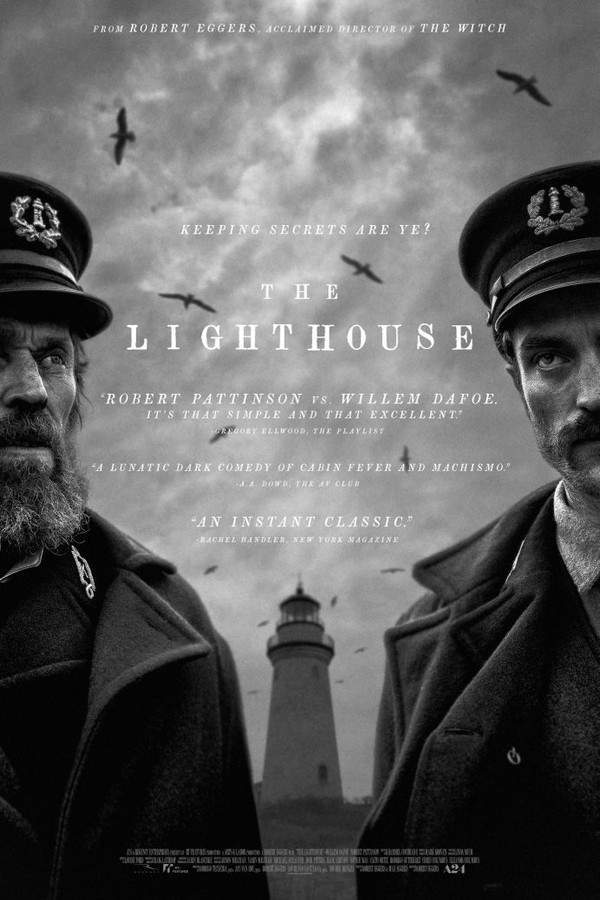
The Lighthouse
2019

Twilight of the Ice Nymphs
1998
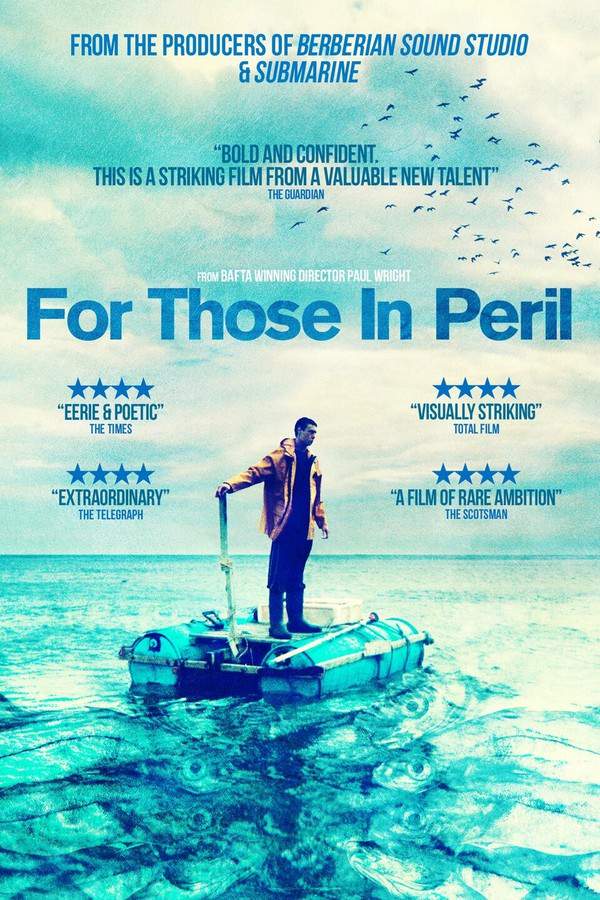
For Those in Peril
2014
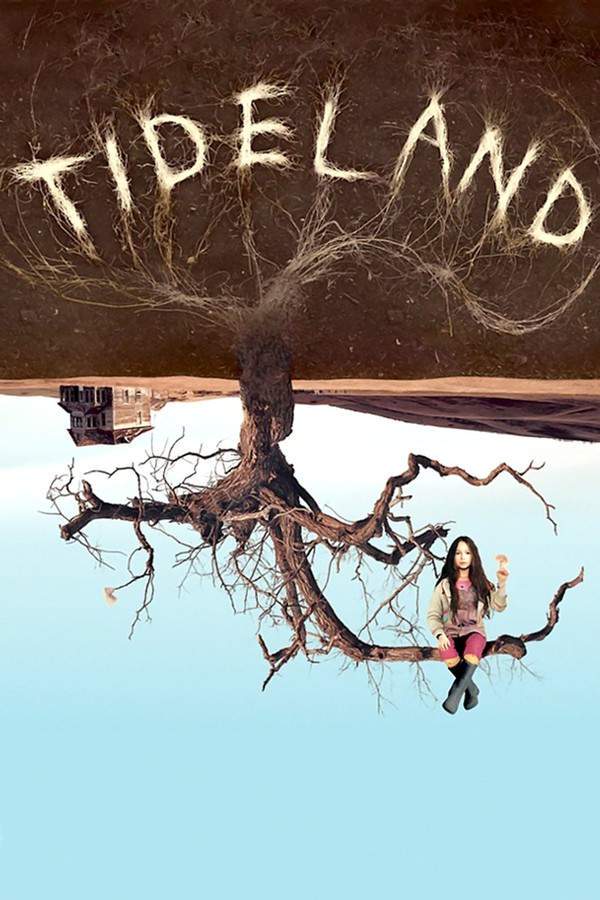
Tideland
2006
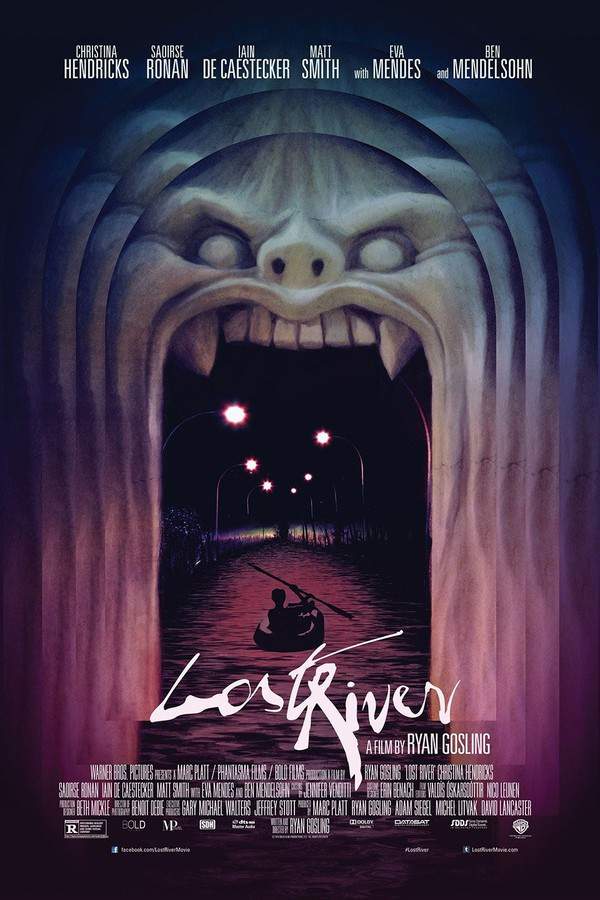
Lost River
2015

Vanishing Waves
2013

The Vanishing
2019
The Lighthouse
2018

Lovely, Dark, and Deep
2024

Uninhabited
2010

Ghost Story
1981
Three Crowns of the Sailor
1983

Ghost Story
1974

Dark Waters
1993

Shanks
1974
Narrative Summary
These narratives are structured around a journey at sea, but the voyage is not a simple adventure. It's a framework for exploring fragmented stories, encountering the uncanny, and confronting a predetermined, often bleak, fate. The ship itself becomes a liminal space between life and death, memory and fantasy.
Why These Movies?
These films are grouped together because they share a core focus on a maritime setting used for more than simple travel. They create a potent, melancholic atmosphere where the sea symbolizes the subconscious, and the journey is one of philosophical inquiry and existential horror.
Cursed storytelling movies like Three Crowns of the Sailor
Stories where the act of storytelling itself is a violent, cyclical curse. Fans of Three Crowns of the Sailor's bleak narrative about a sailor's cursed story will appreciate these movies. They explore similar themes of inescapable fate, violent transactions, and cyclical narratives where the listener becomes part of the story's grim continuation.

Ghost Stories
2019
Storytelling
2002
Heartless
2010
Escape from Tomorrow
2013

The Grudge
2004

The Grudge
2020

The Gorge
2025

Always Be with You
2017

Darkest Night
2012
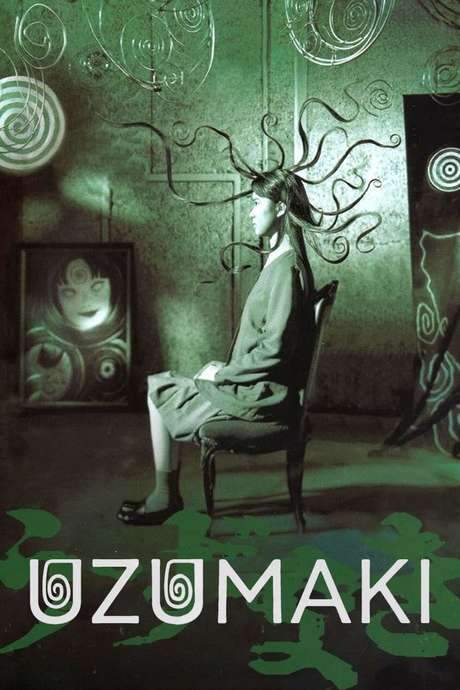
Uzumaki
2000

Cradle of Fear
2001

Noroi: The Curse
2005

The Cuckoo’s Curse
2023

The Strange Hostel of Naked Pleasures
1976
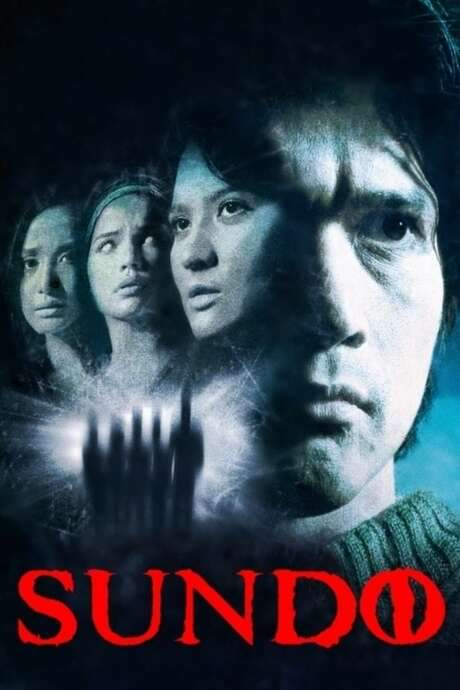
Sundo
2009
Narrative Summary
These films often use a framing device where one character recounts their story to another. The telling of the tale is not passive; it is a binding contract. The narrative structure itself reinforces the theme of inescapable cycles, culminating in an ending where the listener is forced to assume the storyteller's cursed role.
Why These Movies?
They are linked by a unique narrative mechanism: storytelling as a curse. The shared focus is on the metaphysical weight of narrative, the transfer of fatalistic debt, and a tone that blends existential horror with the grim logic of an unstoppable ritual.
Unlock the Full Story of Three Crowns of the Sailor
Don't stop at just watching - explore Three Crowns of the Sailor in full detail. From the complete plot summary and scene-by-scene timeline to character breakdowns, thematic analysis, and a deep dive into the ending - every page helps you truly understand what Three Crowns of the Sailor is all about. Plus, discover what's next after the movie.
Three Crowns of the Sailor Summary
Read a complete plot summary of Three Crowns of the Sailor, including all key story points, character arcs, and turning points. This in-depth recap is ideal for understanding the narrative structure or reviewing what happened in the movie.

Three Crowns of the Sailor Timeline
Track the full timeline of Three Crowns of the Sailor with every major event arranged chronologically. Perfect for decoding non-linear storytelling, flashbacks, or parallel narratives with a clear scene-by-scene breakdown.


Similar Movies to Three Crowns of the Sailor
Discover movies like Three Crowns of the Sailor that share similar genres, themes, and storytelling elements. Whether you’re drawn to the atmosphere, character arcs, or plot structure, these curated recommendations will help you explore more films you’ll love.

Pandora and the Flying Dutchman
1951
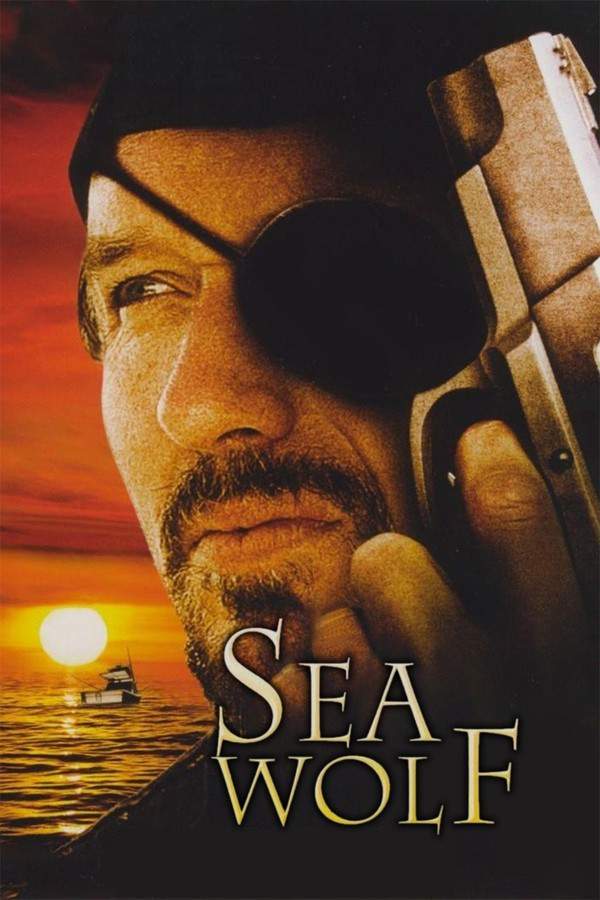
The Sea Wolf
1941

Piet Piraat: The Enchanted Crown
2005
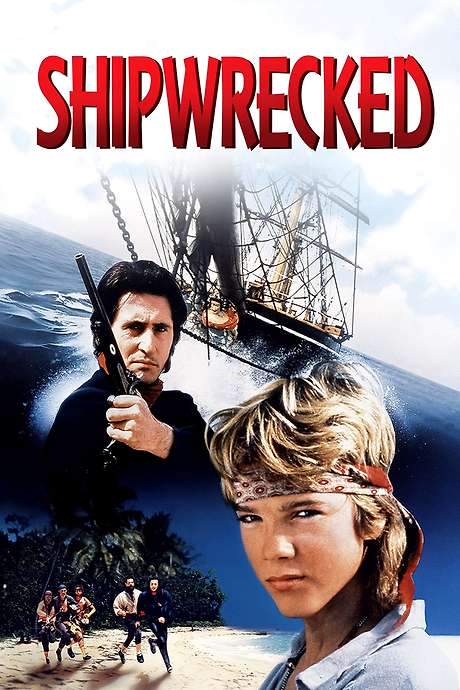
Shipwrecked
1990

City of Pirates
1983

The Coffin Ship
1911
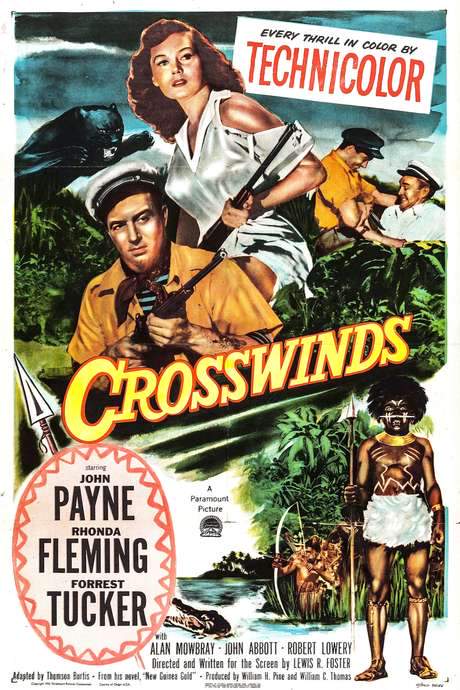
Crosswinds
1951

The Long Ships
1964

The Sailor from Gibraltar
1967

Coral Reefs
1939

The Story of Three Loves
1953

The King’s Pirate
1967

Twilight for the Gods
1958

Ship of Fools
1965

Ship of the Dead
1959
Explore More About Movie Three Crowns of the Sailor
Three Crowns of the Sailor (1983) Plot Summary & Movie Recap
Three Crowns of the Sailor (1983) Scene-by-Scene Movie Timeline
Three Crowns of the Sailor (1983) Spoiler-Free Summary & Key Flow
Movies Like Three Crowns of the Sailor – Similar Titles You’ll Enjoy
Pandora and the Flying Dutchman (1951) Movie Recap & Themes
The Sea Wolf (1941) Story Summary & Characters
Piet Piraat: The Enchanted Crown (2005) Full Movie Breakdown
Shipwrecked (1990) Complete Plot Breakdown
City of Pirates (1983) Ending Explained & Film Insights
The Coffin Ship (1911) Story Summary & Characters
Crosswinds (1951) Complete Plot Breakdown
The Long Ships (1964) Full Summary & Key Details
The Sailor from Gibraltar (1967) Full Summary & Key Details
Coral Reefs (1939) Full Summary & Key Details
The Story of Three Loves (1953) Story Summary & Characters
The King’s Pirate (1967) Story Summary & Characters
Twilight for the Gods (1958) Movie Recap & Themes
Ship of Fools (1965) Full Movie Breakdown
Ship of the Dead (1959) Ending Explained & Film Insights