Plot Explained Spoilers guaranteed!
Plot Explained

Browse by genre

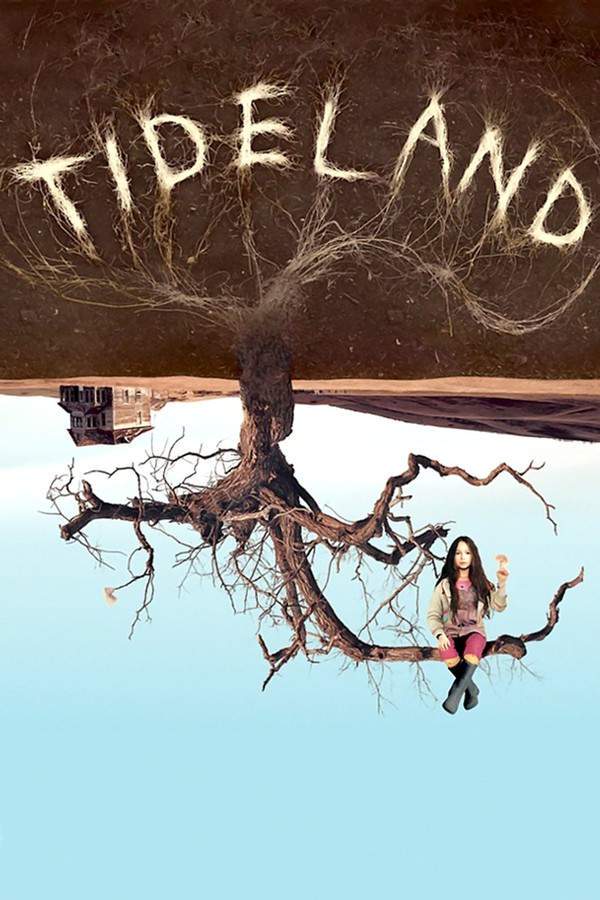
Tideland (2006) movie poster

Plot Summary

Tideland (2006) Plot Summary Explained

Release, runtime and language
2006 · 120 min · English
JustWatch #11,379 467
Starring
Jeff Bridges, Jennifer Tilly, Jodelle Ferland

Eleven-year-old Jeliza-Rose lives in a decaying, isolated community where her parents' addiction blurs the lines of reality. Following her mother's death, she's left to care for her father, Noah, who battles his own struggles. As tragedy continues to unfold, Jeliza-Rose must navigate a world of secrets and lies, confronting the darkness that threatens to consume her and searching for a way to endure in this fractured existence.

On this page (6)
  1. 1 Where to watch
  2. 2 What happens: full plot
  3. 3 Plot questions answered
  4. 4 Movie threads
  5. 5 Movies like Tideland
  6. 6 Every angle

Where to watch

Where to Watch Tideland (2006)

Where can you watch Tideland? Stream, rent or buy it in the US, including on ARROW, Fandor and Night Flight Plus: current JustWatch availability with up-to-date prices.

Streaming availability powered by JustWatch

Full plot summary · contains spoilers

What Happens in Tideland: Full Plot Summary

The whole story of Tideland (2006) explained, from the opening scene to the final frame: every key event, every twist and what it all adds up to. Read it as a quick recap before the sequel, to check a scene you missed, or to finally understand what really happened.

Jeliza-Rose, a young girl living in the chaotic environment of Los Angeles, finds herself caught up in a tumultuous life with her junkie parents. Their family's primary source of income comes from her father's sporadic rock concerts, while Jeliza-Rose possesses very few belongings, mainly consisting of broken toys and a cherished hardcover edition of Alice's Adventures in Wonderland. As she grapples with the realities of her home life, she spends her days taking care of her parents, even going as far as preparing heroin needles for her father, who often drifts off into unconsciousness in the living room armchair. He manages to instill a sense of hope in Jeliza-Rose, telling her that one day they will escape their troubles and live together in Denmark.

Jeliza-Rose’s mother, who is characterized by her heavy smoking and compulsive eating, often insults Jeliza-Rose and is unable to provide the nurturing care a child needs. Tragically, her mother eventually dies after choking on a chocolate bar, a result of her reckless lifestyle. In a desperate attempt to avoid police involvement and the potential for Jeliza-Rose being taken into child services, her father helps her create a shroud for her mother. They then pack a few belongings and embark on a bus trip to Texas, a journey that Jeliza-Rose mistakenly believes will lead them to Denmark.

Once they arrive at an old, decrepit shack that bears the scars of youth vandalism, Jeliza-Rose is confronted with a new reality filled with decay and neglect. Despite its rundown state, she tries to embrace her surroundings, sharing the experience with her four imaginary friends, the disembodied heads of vintage Barbie dolls. Among them, Mystique becomes her closest confidante, providing comfort as Jeliza-Rose navigates her disintegrating world.

However, Jeliza-Rose's world continues to crumble when her father overdoses that very night. Unaware of his death, she indulges in elaborate games and fantasies to cope with her grief. She encounters Dell, described as an eccentric and mean-spirited woman, who claims to have burned her family’s beehives in her youth. Initially, Jeliza-Rose regards Dell with suspicion, believing her to be a witch. She soon meets Dell's troubled brother, Dickens, who has a learning disability and is marked by a scar from a past medical procedure. Jeliza forms a bond with him as they engage in imaginative play, turning everyday objects into vessels of adventure.

As Jeliza's grip on reality weakens, she inadvertently drops Mystique down a rabbit hole on Dell's property, leading to a growing paranoia that the other doll heads will betray her. After surviving on little more than peanut butter, Jeliza faints and is saved by Dell. The twisted nature of Dell's psyche is unveiled when rather than seeking help for Jeliza, she begins to preserve her deceased father as a macabre doll, using his dried skin. A strange relationship begins to blossom between Jeliza and Dell's family as they engage in domestic activities and paint the shack in an attempt to erase the stains of their past.

The narrative takes a turn when Jeliza-Rose finds herself caught in an inappropriate bond with Dickens, as she innocently explores feelings of affection for him. This relationship takes a darker turn when the reality of both their familial connections and past abuses emerges, revealing the incestuous ties that bind them. This chaotic family history culminates in a confrontation with Dell, as she threatens Jeliza for her perceived encroachment on Dickens' affections, leading to a series of deeply unsettling events.

A pivotal moment occurs when Dickens, in a misguided attempt to impress Jeliza, detonates dynamite he stole from a nearby mining operation, resulting in a catastrophic train crash that reveals the tragic consequences of their actions. Meanwhile, Jolie encounters an injured woman, who, unaware of Jeliza-Rose's traumatic background, tries to offer her comfort. The film concludes with an evocative image of Jeliza-Rose’s emotionally distant and glazed-over eyes, suggesting the profound impact of her dire circumstances and her struggle between fantasy and reality.
Last updated: May 13, 2025 at 20:30

Was this helpful?

Plot questions answered

Tideland Plot Explained: Your Questions Answered

The questions people ask most about Tideland (2006): what happens in the confusing scenes, why the characters do what they do, the twists, hidden details and what the ending means. Each answer contains spoilers.

Q1

Why does Jeliza-Rose's father promise to take her to Denmark?

Noah uses Denmark as a false hope to give Jeliza-Rose something to look forward to amidst their chaotic life. It represents an escape from their drug-filled existence in Los Angeles to a mythical better place. The lie maintains Jeliza-Rose's childlike optimism and keeps her dependent on him, though the promise is never genuine, he ultimately takes her to Texas instead.

  • noah
  • denmark
  • promise
  • escape
  • father-daughter
Q2

Why does Jeliza-Rose's father help create a shroud for her mother instead of calling authorities?

Noah fears that if authorities discover his drug use, Jeliza-Rose will be taken into child protective services. By disposing of the body himself, he attempts to hide both his addiction and the circumstances surrounding his wife's death. This decision prioritizes keeping Jeliza-Rose with him over seeking proper help, demonstrating his flawed priorities as a parent.

  • mother death
  • shroud
  • police
  • child services
  • noah
Q3

What happens to Jeliza-Rose's father after they arrive at the Texas shack?

Noah overdoses on heroin that same night they arrive at the decrepit Texas shack. He dies while Jeliza-Rose sleeps nearby. Unable to accept the reality of his death, she convinces herself he is merely sleeping, using her imagination to cope with the loss as she continues playing with her imaginary friends.

Foreshadowing: Earlier in Los Angeles, Jeliza-Rose regularly prepares heroin needles for her father, establishing his severe addiction that would ultimately kill him.

  • noah
  • overdose
  • death
  • texas shack
Q4

Why does Dell preserve Jeliza-Rose's father as a doll?

Dell taxidermies Noah's body and turns him into a grotesque doll because she is psychologically disturbed and sees this twisted preservation as a way to keep the family together. Rather than seeking help for the orphaned Jeliza-Rose, Dell imposes her own warped sense of belonging by literally maintaining Noah's presence. This act reflects Dell's broken worldview where death is handled through macabre domesticity rather than grief or proper burial.

  • dell
  • taxidermy
  • doll
  • father body
  • preservation
Q5

Why does Jeliza-Rose form a bond with Dickens?

Jeliza-Rose connects with Dickens because both are emotionally damaged and socially isolated. Dickens has a learning disability and a scar from past medical procedures, while Jeliza-Rose has endured neglect and trauma. Their bond forms through shared imaginative play, where they transform everyday objects into adventure props. However, this relationship crosses inappropriate boundaries, including an innocent kiss that hints at deeper issues stemming from both their traumatic upbringings.

  • dickens
  • bond
  • friendship
  • imagination
  • learning disability
Q6

What causes the train crash at the end of Tideland?

Dickens uses dynamite he stole from a nearby mining quarry, believing it to be a magical item. In a misguided attempt to impress Jeliza-Rose, he detonates the explosive near the train tracks, causing a catastrophic train crash. This action stems from his intellectual disability and his desire to create something extraordinary for Jeliza-Rose, though the result is devastating destruction.

  • dickens
  • dynamite
  • train crash
  • quarry
  • explosion
Q7

What does the ending of Tideland mean?

The final image of Jeliza-Rose with glazed, emotionally vacant eyes represents the permanent psychological damage caused by relentless trauma, neglect, and exposure to death and inappropriate relationships. Her fantasy world has completely collapsed under the weight of reality, leaving her emotionally detached and unreachable. There is no rescue or recovery suggested, the film ends in bleak hopelessness, indicating her inability to process or escape the horrors she has experienced.

  • ending
  • glazed eyes
  • psychological damage
  • trauma
  • bleak
Q8

What is the significance of Jeliza-Rose's doll head friends, especially Mystique?

The disembodied Barbie heads represent Jeliza-Rose's coping mechanism, imaginary friends that provide comfort in her chaotic world. Mystique is her closest confidante, serving as a voice of reason and comfort. When Mystique falls down a rabbit hole (literally echoing Alice in Wonderland), Jeliza-Rose fears the other heads will betray her, symbolizing her deteriorating mental state and her struggle to distinguish fantasy from reality as trauma escalates.

  • mystique
  • doll heads
  • imaginary friends
  • alice in wonderland
  • fantasy
Q9

Why does Jeliza-Rose believe they are going to Denmark when they board the bus to Texas?

Jeliza-Rose is a child who has been manipulated by her father's false promises. He told her they would escape to Denmark to give her hope, and she accepted this literally without understanding the deception. When they board the bus, she genuinely believes the destination is Denmark, showing her innocence and her father's continued pattern of using false promises to control her.

  • denmark
  • bus
  • texas
  • belief
  • father deception
Q10

Why does Dell take in Jeliza-Rose after her father dies?

Dell, described as eccentric and mean-spirited with a history of burning beehives, sees Jeliza-Rose as either a replacement or an addition to her twisted family dynamic with Dickens. Rather than alerting authorities about the orphaned child, Dell incorporates Jeliza into their household, having her paint the shack, pray, and share meals. This reflects Dell's desire to create a surrogate family unit, albeit one built on dysfunction and denial of reality.
  • dell
  • adoption
  • family
  • dickens
  • household
Q11

Why does Jeliza-Rose's mother die from choking on a chocolate bar?

Jeliza-Rose's mother is characterized by heavy smoking and compulsive eating, demonstrating her reckless disregard for her own health. During one of her erratic episodes, she consumes too much chocolate and chokes to death. This death is presented as a consequence of her self-destructive lifestyle rather than a deliberate act, highlighting the film's themes of parental failure and neglect.

  • mother
  • death
  • chocolate
  • choking
  • neglect

Movie threads

More Movies Like Tideland, by Mood & Story

Curated lists built around what makes Tideland tick: the same mood, the same kind of story or the same emotional payoff. Each list explains why these movies belong together.

Movies with a child's surreal perspective like Tideland

Stories told through a young protagonist's surreal, traumatic imagination. If you were fascinated by Tideland's use of a child's imagination to process trauma, this thread highlights other movies like Tideland. These films use a young protagonist's distorted point of view to explore dark themes, blurring the lines between fantasy and a grim reality.
  • disturbing
  • dreamlike
  • grotesque
  • psychological
  • melancholic
  • unreliable narrator
  • Tone: dark, grotesque, melancholic
  • Pacing: slow, atmospheric
Why these movies?

The story pattern: Narratives in this thread are filtered through the consciousness of a child facing extreme adversity. The plot often unfolds linearly, but the subjective experience is non-linear, surreal, and symbolic, reflecting the character's psychological state. The central conflict is internal, as the child constructs a fantasy world to endure an unlivable reality.

Why they belong together: These films are grouped by their unique narrative perspective—the child's-eye-view of trauma. They share a dark, often grotesque tone, a deliberate pacing that builds unease, and a heavy emotional weight centered on themes of neglect, loss, and psychological survival.

Slow burn atmospheric decay movies like Tideland

Slow-burn stories set in crumbling worlds, both physical and psychological. For viewers who appreciated the oppressive, decaying atmosphere of Tideland, this collection features similar movies with a slow pace and heavy mood. Discover films like Tideland where the environment itself is a character, reflecting themes of psychological and physical ruin.

  • oppressive
  • isolated
  • decay
  • melancholic
  • slow burn
  • claustrophobic
  • Tone: dark, oppressive, melancholic
  • Pacing: slow burn
Why these movies?

The story pattern: The narrative pattern is one of gradual decline, where the passage of time is felt through the increasing decay of the environment. Plot developments are often subtle, serving to deepen the atmosphere of unease and highlight the characters' entrapment within their disintegrating world. The journey is typically toward a bleak acceptance or irrevocable loss.

Why they belong together: This thread connects films through their shared emphasis on atmosphere as a primary driver of the experience. They are united by a slow, deliberate pacing, a dark and oppressive tone, and the central motif of decay—whether it's societal, architectural, or moral.

If you liked this

Movies Like Tideland

Similar movies to Tideland: the same genre, themes or kind of story. Each one comes with its own plot summary, timeline and ending explained.

Browse all movie summaries

Every angle

Tideland (2006) Explained: Plot, Timeline & Characters

Everything about Tideland in one place: what happens in the plot summary, the timeline in chronological order, the characters and meaning and a spoiler-free summary. What's After the Movie adds the cast, box office and post-credit scenes.

Coming soon on iOS and Android

The Plot Explained Movie Summary App

Plot summaries, endings explained and timelines on your phone. Catch up on any movie in minutes, save your favorites and never miss a twist again.

Be the first to know when we launch. Your email stays private, always.

Learn more about the app