
Three Crowns of the Sailor
Year: 1983
Runtime: 117 mins
Language: French
After killing his professor, a young man is drawn into a surreal voyage across a dream‑filled sea when he meets a mysterious sailor. The sailor offers him a place aboard his ship in return for three Danish crowns and the promise of his undivided attention, and begins to recount the tangled episodes of his own life as they sail.
Warning: spoilers below!
Haven’t seen Three Crowns of the Sailor yet? This summary contains major spoilers. Bookmark the page, watch the movie, and come back for the full breakdown. If you're ready, scroll on and relive the story!
Timeline – Three Crowns of the Sailor (1983)
Trace every key event in Three Crowns of the Sailor (1983) with our detailed, chronological timeline. Perfect for unpacking nonlinear stories, spotting hidden connections, and understanding how each scene builds toward the film’s climax. Whether you're revisiting or decoding for the first time, this timeline gives you the full picture.
Last updated: October 09, 2025 at 14:28
Three Crowns of the Sailor (1983) Timeline Questions Answered – Chronology FAQ
Find frequently asked questions about the Three Crowns of the Sailor (1983) timeline, including chronological order, nonlinear jumps, cause-and-effect links, and scene sequence clarifications. This timeline FAQ helps explain when key events happen, how moments connect, and why the story unfolds in that specific order.
Why does the student kill the professor at the start of the film?
The murder is explicitly described as motiveless, a random act of violence by the student Philippe Deplanche. This opening establishes the film's dark, existential tone and suggests the student is already displaced and desperate enough to commit violence without reason. It sets up the central theme of debt and transaction: he steals the professor's three Danish crowns to pay the sailor, creating a cycle of violence and payment that defines the entire narrative.
What do the three Danish crowns represent in the story?
The three Danish crowns function as a symbolic currency of debt and obligation that recurs throughout the sailor's life. The sailor first encounters the demand for three crowns in Dakar from a wise man, and the motif represents the perpetual financial and existential debt he carries. The student must obtain these crowns, stolen from the murdered professor, to pay for his passage, completing the cycle of violence and transaction that defines the film's themes.
The demand for three crowns first appears in Dakar, establishing the payment as a lifelong obligation the sailor must eventually collect.
Why does the student kill the sailor at the end?
The student kills the sailor because he demands his reward, passage aboard the ship, after the sailor completes his life story. The sailor laughs at this demand, revealing that the price has never been passage but rather the student's transformation into the next murderer. The killing is the final payment: to join the phantom crew of dead sailors, one must commit the same act of violence that started the cycle. The student becomes the new living sailor among dead men.
The sailer's demand for payment and the recurring theme of violence as currency prepare for this fatal confrontation.
What is The Other that the sailor experiences on the ship?
The Other is a doppelganger figure representing the sailer's alternate self or fractured identity. One crew member throws himself overboard, then returns claiming it was The Other who jumped. The sailor sometimes inhabits The Other's body, experiencing visions of parallel lives. This surreal element symbolizes the fluidity of identity and the theme that life at sea involves living multiple existences simultaneously, reinforcing the dreamlike quality of the sailor's journey.
The crew member's jump and return introduce The Other early, establishing identity as fluid and duplicated.
Why does the Funchalense sink and then come back to life?
The ship's sinking and miraculous resurfacing represents a pivotal moment of death and rebirth that tests the sailor's faith and resilience. It reinforces the film's surreal logic where fate can flip instantly at sea. The event also marks a threshold in the narrative, after which the sailor's journey takes on even stranger qualities, including encounters with replacement family members and escalating debts.
What does the ending mean about 'one murderous living sailor among dead men'?
The ending reveals a cursed cycle: the ship is staffed by phantom dead sailors, and to join them, a living person must commit murder. The student has now killed the sailor, becoming the new living murderer among the dead crew. This establishes the eternal recurrence of violence that the film presents as the price of maritime life, a dark fatalism where storytelling and murder are intertwined transactions that perpetuate endlessly.
The entire narrative has been building toward this revelation of the crew's true nature.
What is the significance of the crew's strange behaviors, tattoos, no salt, sweating maggots?
These surreal details establish the ship as a liminal, dreamlike space where normal rules don't apply. The crew has letters tattooed across their bodies, they eat without salt and never defecate, and they sweat maggots, details that mark them as otherworldly. These rituals create an uncanny atmosphere that signals the Funchalense exists outside normal reality, preparing viewers for the metaphysical events to come.
Why does the sailor keep borrowing money throughout his journey?
The sailor repeatedly borrows money to survive and pursue his dream of owning a bar with his surrogate family. However, he gambles away most of his winnings, accumulating debts that follow him from port to port. This pattern of debt and repayment mirrors the central transaction with the student and emphasizes the film's theme that obligations and financial burden are inescapable, forming a cycle the sailor can never fully escape.
The recurring debts establish the financial desperation that connects all his adventures.
Why is María called The Virgin Mary in Buenaventura?
María is a shy prostitute in Buenaventura who is nicknamed The Virgin Mary by those who seek her company, despite her profession. The ironic nickname highlights the film's themes of contradiction and spiritual ambiguity, 她在角色的复杂性上体现了贞洁与堕落的对立。
Why does the sailor keep meeting replacement mothers throughout his voyage?
The sailor encounters several maternal figures: his original mother in Valparaíso who disappears, a replacement mother who is a stowaway, and later figures who fulfill maternal roles. These repeated mother figures represent his eternal search for belonging and family, yet each replacement ultimately leaves or fails him. The pattern underscores the sailor's rootlessness and the impossibility of stable family bonds in his wandering life.
His farewell to his mother and sister in Valparaíso establishes the motif of maternal loss that recurs throughout.
What is the blind man's role in the sailor's story?
The blind man is a local swindler in Valparaíso who promises the sailor a berth aboard the Funchalense, then is found stabbed and dying shortly after. Despite this ominous start, the sailor uses the information to secure his place on the ship. The blind man represents the deceptive promise of stability, he offers opportunity but dies before delivering, setting the pattern of false hope and violent transitions that define the sailor's journey.
What is the relationship between the student and the sailor?
The student and sailor exist in a transactional relationship that mirrors the film's cyclical violence. The student pays with attention and eventually three Danish crowns; the sailor pays with his life story. But the true cost is revealed at the end: the listener must become the next storyteller, and to join the phantom crew, they must become a murderer. The student effectively becomes the next sailor, continuing the infinite cycle of violence, debt, and maritime ritual.
The student's skepticism about hearing the tales before and his growing obsession foreshadow his transformation.

Explore Movie Threads
Discover curated groups of movies connected by mood, themes, and story style. Browse collections built around emotion, atmosphere, and narrative focus to easily find films that match what you feel like watching right now.
Surreal sea voyage movies like Three Crowns of the Sailor
Atmospheric journeys across dreamlike seas where reality blurs and fate is inescapable. If you liked the dreamlike and ominous nautical journey in Three Crowns of the Sailor, explore similar movies that feature fantastical voyages, ghost ships, and sailors entangled in surreal or mystical events. These films use the sea as a setting for existential exploration and atmospheric dread.
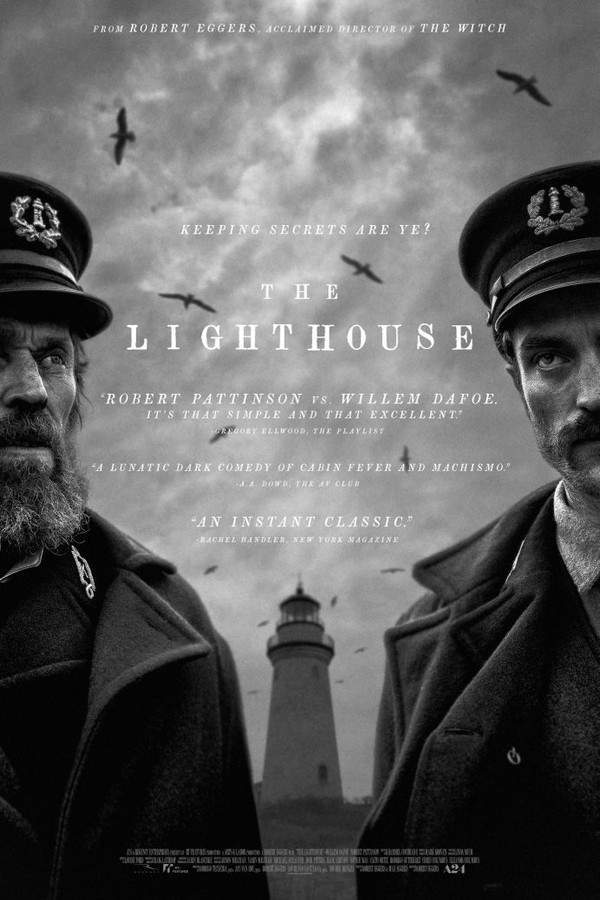
The Lighthouse
2019

Twilight of the Ice Nymphs
1998
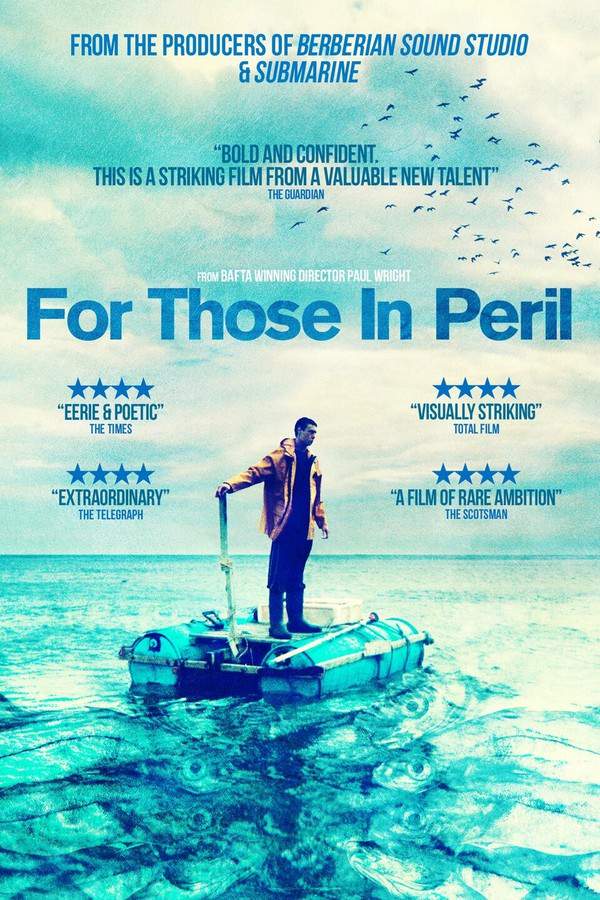
For Those in Peril
2014

Tideland
2006
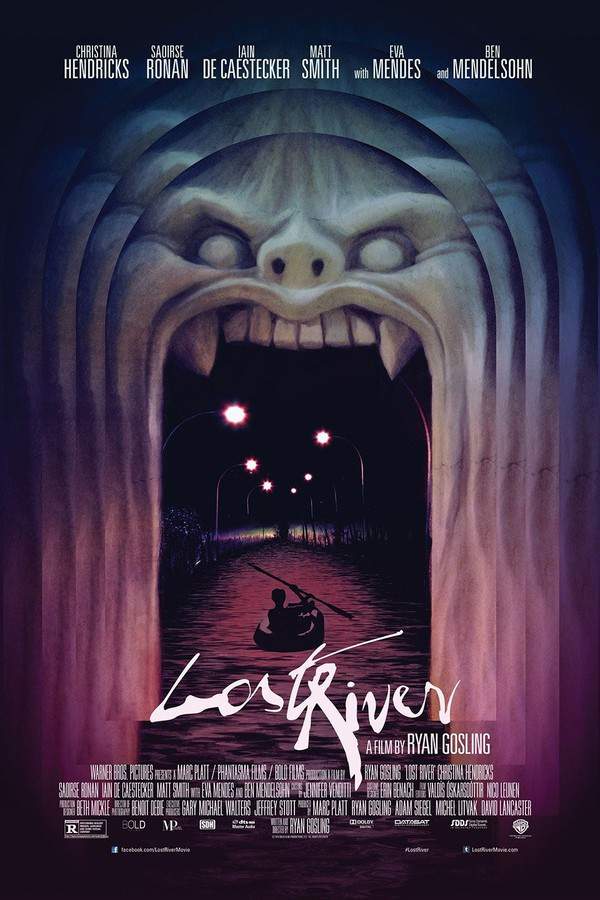
Lost River
2015

Vanishing Waves
2013

The Vanishing
2019
The Lighthouse
2018

Lovely, Dark, and Deep
2024

Uninhabited
2010

Ghost Story
1981
Three Crowns of the Sailor
1983

Ghost Story
1974

Dark Waters
1993

Shanks
1974
Narrative Summary
These narratives are structured around a journey at sea, but the voyage is not a simple adventure. It's a framework for exploring fragmented stories, encountering the uncanny, and confronting a predetermined, often bleak, fate. The ship itself becomes a liminal space between life and death, memory and fantasy.
Why These Movies?
These films are grouped together because they share a core focus on a maritime setting used for more than simple travel. They create a potent, melancholic atmosphere where the sea symbolizes the subconscious, and the journey is one of philosophical inquiry and existential horror.
Cursed storytelling movies like Three Crowns of the Sailor
Stories where the act of storytelling itself is a violent, cyclical curse. Fans of Three Crowns of the Sailor's bleak narrative about a sailor's cursed story will appreciate these movies. They explore similar themes of inescapable fate, violent transactions, and cyclical narratives where the listener becomes part of the story's grim continuation.

Ghost Stories
2019

Storytelling
2002
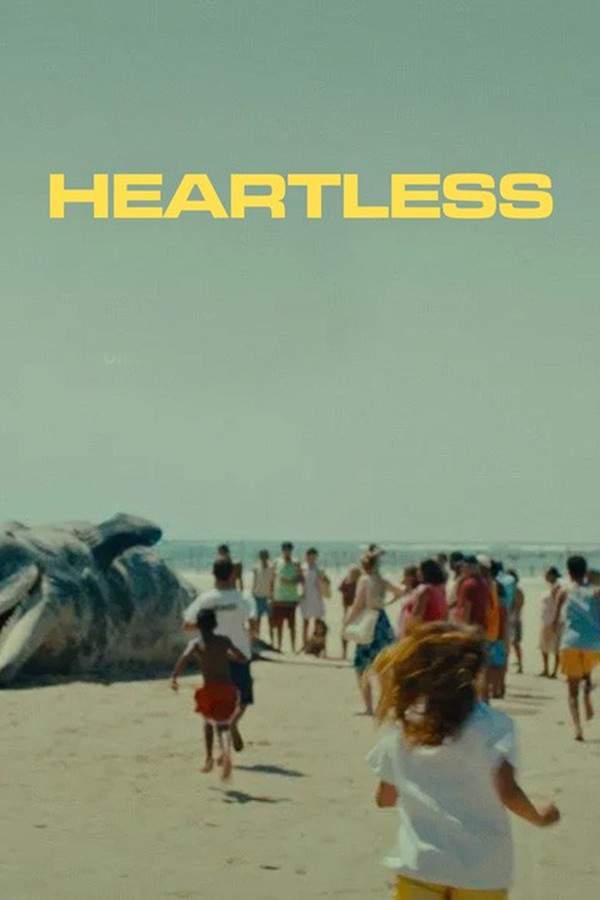
Heartless
2010
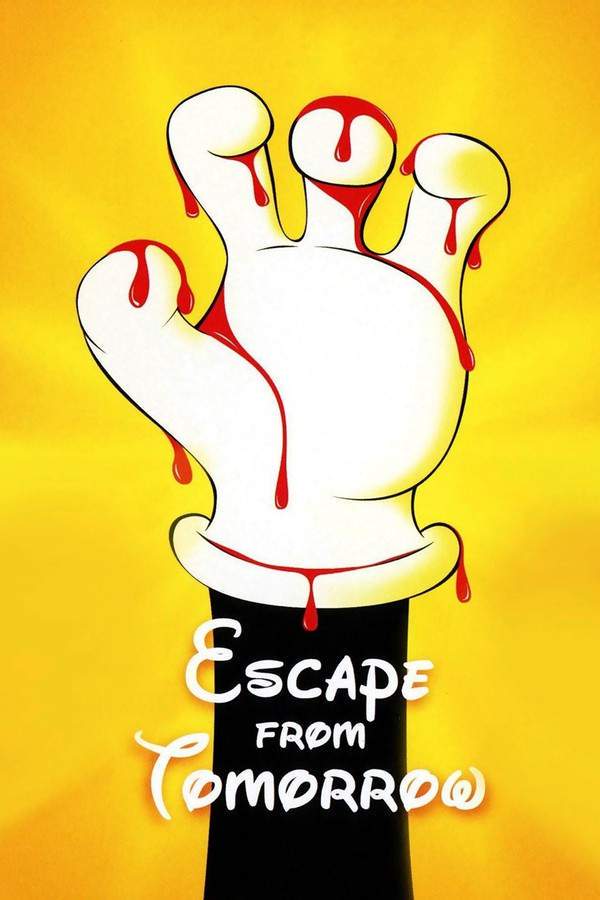
Escape from Tomorrow
2013

The Grudge
2004

The Grudge
2020

The Gorge
2025

Always Be with You
2017

Darkest Night
2012
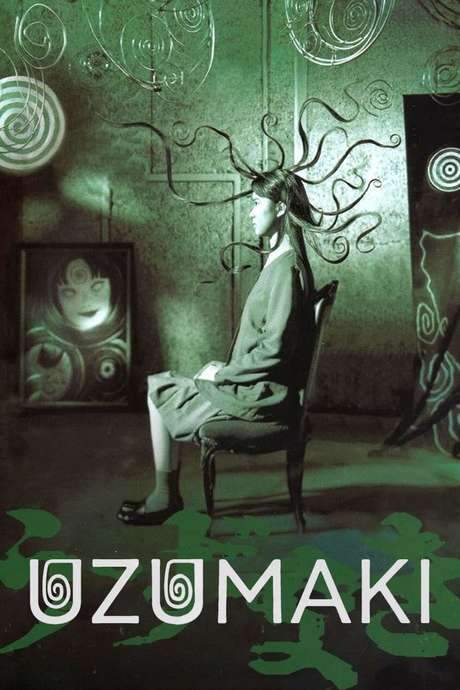
Uzumaki
2000

Cradle of Fear
2001

Noroi: The Curse
2005

The Cuckoo’s Curse
2023

The Strange Hostel of Naked Pleasures
1976
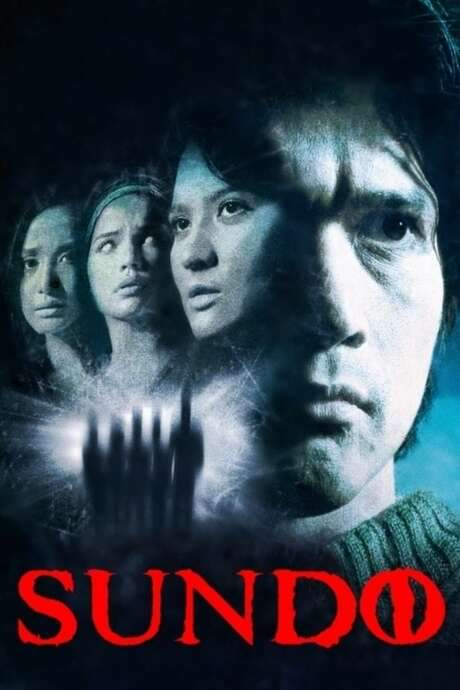
Sundo
2009
Narrative Summary
These films often use a framing device where one character recounts their story to another. The telling of the tale is not passive; it is a binding contract. The narrative structure itself reinforces the theme of inescapable cycles, culminating in an ending where the listener is forced to assume the storyteller's cursed role.
Why These Movies?
They are linked by a unique narrative mechanism: storytelling as a curse. The shared focus is on the metaphysical weight of narrative, the transfer of fatalistic debt, and a tone that blends existential horror with the grim logic of an unstoppable ritual.
Unlock the Full Story of Three Crowns of the Sailor
Don't stop at just watching - explore Three Crowns of the Sailor in full detail. From the complete plot summary and scene-by-scene timeline to character breakdowns, thematic analysis, and a deep dive into the ending - every page helps you truly understand what Three Crowns of the Sailor is all about. Plus, discover what's next after the movie.
Three Crowns of the Sailor Summary
Read a complete plot summary of Three Crowns of the Sailor, including all key story points, character arcs, and turning points. This in-depth recap is ideal for understanding the narrative structure or reviewing what happened in the movie.

Characters, Settings & Themes in Three Crowns of the Sailor
Discover the characters, locations, and core themes that shape Three Crowns of the Sailor. Get insights into symbolic elements, setting significance, and deeper narrative meaning - ideal for thematic analysis and movie breakdowns.


Similar Movies to Three Crowns of the Sailor
Discover movies like Three Crowns of the Sailor that share similar genres, themes, and storytelling elements. Whether you’re drawn to the atmosphere, character arcs, or plot structure, these curated recommendations will help you explore more films you’ll love.

Pandora and the Flying Dutchman
1951
The Sea Wolf
1941

Piet Piraat: The Enchanted Crown
2005
Shipwrecked
1990

City of Pirates
1983

The Coffin Ship
1911
Crosswinds
1951

The Long Ships
1964

The Sailor from Gibraltar
1967

Coral Reefs
1939

The Story of Three Loves
1953

The King’s Pirate
1967

Twilight for the Gods
1958

Ship of Fools
1965

Ship of the Dead
1959
Explore More About Movie Three Crowns of the Sailor
Three Crowns of the Sailor (1983) Plot Summary & Movie Recap
Three Crowns of the Sailor (1983) Scene-by-Scene Movie Timeline
Three Crowns of the Sailor (1983) Spoiler-Free Summary & Key Flow
Movies Like Three Crowns of the Sailor – Similar Titles You’ll Enjoy
Pandora and the Flying Dutchman (1951) Ending Explained & Film Insights
The Sea Wolf (1941) Full Summary & Key Details
Piet Piraat: The Enchanted Crown (2005) Full Movie Breakdown
Shipwrecked (1990) Complete Plot Breakdown
City of Pirates (1983) Spoiler-Packed Plot Recap
The Coffin Ship (1911) Movie Recap & Themes
Crosswinds (1951) Film Overview & Timeline
The Long Ships (1964) Film Overview & Timeline
The Sailor from Gibraltar (1967) Story Summary & Characters
Coral Reefs (1939) Plot Summary & Ending Explained
The Story of Three Loves (1953) Detailed Story Recap
The King’s Pirate (1967) Full Summary & Key Details
Twilight for the Gods (1958) Complete Plot Breakdown
Ship of Fools (1965) Story Summary & Characters
Ship of the Dead (1959) Spoiler-Packed Plot Recap