Plot Explained Spoilers guaranteed!
Plot Explained

Browse by genre

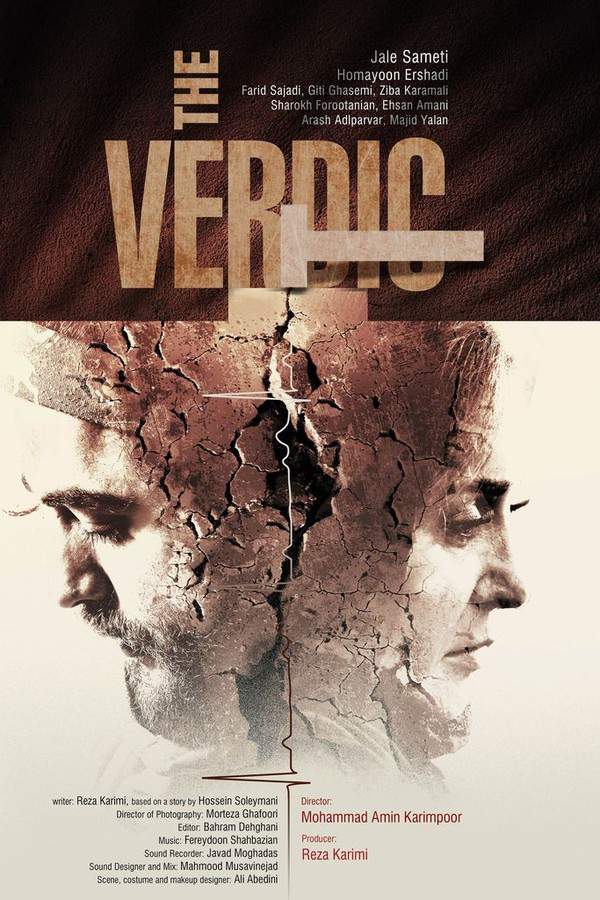
The Verdict (1946) movie poster

Spoiler-Free Summary

The Verdict (1946) Spoiler-Free Summary – What It's About

Release, runtime and language
1946 · 86 mins · English
Directed by
Don Siegel
Starring
Mark Strong, Billy Bletcher, Peter Lorre, Arthur Shields, George Coulouris, Ian Wolfe

After an innocent man is executed in a case he was responsible for, a Scotland Yard superintendent finds himself investigating the murder of his key witness.

On this page (6)
  1. 1 What it is about
  2. 2 Is it worth watching?
  3. 3 After you watch
  4. 4 Movie threads
  5. 5 Movies like The Verdict
  6. 6 Every angle

Spoiler-free summary · safe to read

What Is The Verdict About? (No Spoilers)

The plot of The Verdict (1946) without spoilers: what it is about, who it follows and where it takes place, told without the twists or the ending. Enough to decide whether it is your next watch, not enough to ruin it.

In the dim, fog‑laden streets of 1890 London, the weight of the law hangs heavy over the city’s soot‑blackened alleys. A recent execution, carried out on shaky grounds, has left the public uneasy and the corridors of Scotland Yard humming with whispered doubt. The film opens against this backdrop of Victorian severity, where the pursuit of order collides with the lingering scent of injustice, setting a tone that is both atmospheric and tautly restrained.

George Grodman, a veteran superintendent whose career has been defined by meticulous prosecution, finds himself drawn back into the heart of the controversy. When the key witness linked to the condemned man meets an enigmatic end, Grodman's sense of duty compels him to revisit the case that haunts his conscience. Standing beside him is the newly appointed John R. Buckley, whose brash confidence contrasts sharply with Grodman's measured deliberation, creating a dynamic tension that underscores the differing philosophies within the force. Around them swirl figures such as Arthur Kendall, the victim’s determined nephew; Victor Emmric, a sensitive artist enlisted to document the morbid details; and Clive Russell, a politically savvy opponent whose ambitions add layers of complexity to the unfolding inquiry.

The world of the film feels like a living tapestry of soot‑streaked rooftops, gas‑lit chambers, and the austere interiors of courtroom and prison alike. Its mood is a blend of gritty realism and haunting introspection, inviting the audience to question how far the quest for truth can stretch before it is torn apart by personal motives and institutional pressures. As the investigation deepens, the characters navigate a maze of loyalty, reputation, and moral ambiguity, each step drawing them closer to a revelation that could reshape their understanding of justice itself.

Last updated: December 05, 2025 at 09:52

Was this helpful?

What to expect

Is The Verdict Worth Watching? What It Feels Like

Is it dark, sad, slow, intense or confusing? The mood of The Verdict (1946) in a few tags, without a word about how it ends. Each tag opens a list of movies that feel the same.

After you watch

Seen The Verdict? Now Read the Spoilers

Once you have watched The Verdict (1946), come back for the full story: the plot summary with spoilers, the timeline in chronological order, the characters and meaning.

Movie threads

More Movies Like The Verdict, by Mood & Story

Curated lists built around what makes The Verdict tick: the same mood, the same kind of story or the same emotional payoff. Each list explains why these movies belong together.

Grim crime investigations with moral conflict like in The Verdict

Methodical crime solvers confront a corrupt system and their own compromised ethics. If you liked The Verdict for its intense moral conflict within a crime investigation, you'll find similar movies here. These films focus on detectives and investigators who are morally compromised by the systems they operate in, resulting in suspenseful and heavy narratives about the cost of justice.

  • grim
  • tense
  • methodical
  • moral conflict
  • suspenseful
  • sombre
  • Tone: dark, tense, morally conflicted
  • Pacing: steady, methodical
Why these movies?

The story pattern: Stories in this thread typically follow a seasoned investigator—a detective, journalist, or official—whose pursuit of a truth uncovers systemic corruption or a personal failure. The central conflict becomes internal as much as external, pitting the character's principles against the pragmatic or even vengeful actions they feel compelled to take. The narrative arc often involves a descent into moral ambiguity, where solving the case comes at a significant personal or ethical cost.

Why they belong together: These movies are grouped together because they share a core focus on the moral dilemma at the heart of an investigation. They blend the procedural elements of a crime thriller with deep character studies, creating a consistently dark and intense vibe where the biggest mystery is often the protagonist's own soul.
Bittersweet justice endings like in The Verdict

Stories where a victory is achieved, but it is shadowed by loss and ethical compromise. For viewers who appreciated the complex, bittersweet conclusion of The Verdict, this list features movies with similarly impactful endings. These stories deliver a form of justice or resolution that is deeply satisfying yet emotionally complicated, often because it was achieved through morally questionable means.

  • bittersweet
  • sombre
  • thought-provoking
  • moral weight
  • grim
  • partial victory
  • Tone: bittersweet, grim, heavy
  • Pacing: steady build
Why these movies?

The story pattern: The narrative pattern here involves a protagonist striving to correct a grave injustice. Their journey is arduous and forces them to make difficult, often ethically problematic choices. The climax resolves the central conflict—the innocent may be exonerated, the guilty punished—but the ending is tempered by the consequences of the protagonist's actions or the realization that the larger system remains broken. The emotional journey is one of heavy sacrifice for a partial win.

Why they belong together: These films are united by their emotionally complex and morally ambiguous conclusions. They move beyond simple 'happy' or 'sad' endings to explore the grey area where justice is served but purity is lost. This creates a powerful and thought-provoking viewing experience that lingers long after the credits roll.

If you liked this

Movies Like The Verdict

Similar movies to The Verdict: the same genre, themes or kind of story. Each one comes with its own plot summary, timeline and ending explained.

Browse all movie summaries

Every angle

The Verdict (1946) Explained: Plot, Timeline & Characters

Everything about The Verdict in one place: what happens in the plot summary, the timeline in chronological order, the characters and meaning and a spoiler-free summary. What's After the Movie adds the cast, box office and post-credit scenes.

Coming soon on iOS and Android

The Plot Explained Movie Summary App

Plot summaries, endings explained and timelines on your phone. Catch up on any movie in minutes, save your favorites and never miss a twist again.

Be the first to know when we launch. Your email stays private, always.

Learn more about the app