Plot Explained Spoilers guaranteed!
Plot Explained

Browse by genre

The Verdict (1946) movie poster

Timeline

The Verdict (1946) Timeline Explained – Every Event in Order

Release, runtime and language
1946 · 86 mins · English
Directed by
Don Siegel
Starring
Mark Strong, Billy Bletcher, Peter Lorre, Arthur Shields, George Coulouris, Ian Wolfe

After an innocent man is executed in a case he was responsible for, a Scotland Yard superintendent finds himself investigating the murder of his key witness.

On this page (5)
  1. 1 Events in order (12)
  2. 2 Timeline questions answered
  3. 3 Movie threads
  4. 4 Movies like The Verdict
  5. 5 Every angle

12 events in order · contains spoilers

The Verdict Timeline: Events in Chronological Order

Every key event of The Verdict (1946) in order, scene by scene, with when and where it takes place. Use it to untangle flashbacks, time jumps and parallel storylines, to refresh your memory before the sequel or to find the exact scene you are thinking of.

  1. The execution at Newgate

    In 1890, a man convicted of murder is executed at Newgate Prison based on a circumstantial case Grodman assembled. The defendant maintains an alibi with Reverend Hoffman, but Hoffman cannot be located. It later emerges that Hoffman had actually gone to New South Wales, undermining the alibi.

    When
    1890
    Where
    Newgate Prison, London
  2. Hoffman's alibi unravels

    Following the execution, Hoffman, the alibi witness, cannot be traced back to Wales. It later turns out he had traveled to New South Wales, not staying in Wales as claimed. The missing alibi hints at a miscarriage of justice.

    When
    1890
    Where
    London/Wales/New South Wales
  3. Buckley takes over the investigation

    Grodman is fired for the miscarriage of justice, and Buckley becomes the new superintendent. Buckley adopts a harsher, more aggressive approach to pursuing Kendall's murder. The stage is set for a renewed push to find the real killer.

    When
    Shortly after execution, 1890
    Where
    Scotland Yard, London
  4. A memo and a plan to memoir

    Grodman, Kendall, Emmric, and Clive Russell visit Grodman. Grodman reveals plans to write a memoir of his career and hires Emmric to illustrate the dossiers of bodies. Kendall and Russell nearly come to blows, highlighting the tensions among them.

    When
    Soon after Buckley's appointment, 1890
    Where
    Grodman's home, London
  5. Kendall is murdered in a locked room

    The next day, Kendall is found stabbed to death inside a locked room; Mrs. Benson, his landlady, calls Grodman to break down the door. The locked-room detail becomes a central puzzle for the investigators. Buckley begins the forensic inquiry into the crime's mechanics.

    When
    The next day
    Where
    Kendall's residence, London
  6. Initial leads and an arrest

    Buckley consults a burglar about the locks, but cannot explain how the crime was committed. He arrests Lottie Rawson, a music-hall singer who argued with Kendall, but she is eventually freed as the lovers’ quarrel is clarified. The investigation narrows but the truth remains elusive.

    When
    Shortly after murder
    Where
    London
  7. Russell’s alibi collapses

    The unused ticket to Brockton and the murder weapon are found in Clive Russell’s home, casting doubt on his travel alibi. Russell is arrested, tried, and convicted for Kendall’s murder. The defense collapses as new evidence emerges.

    When
    After murder
    Where
    Russell's home, London
  8. A new alibi surfaces

    Awaiting execution, Russell confesses a new alibi: he was having an affair with a married woman during the time of the murder. He asks Grodman to keep the affair secret, but Grodman traces the woman anyway. It turns out she has just died, complicating any exonerating effort.

    When
    Before execution
    Where
    Russell's prison
  9. Grodman confesses at Newgate

    At the last moment, Grodman asks Emmric to accompany him to Newgate, where Grodman confesses to the murder. He explains that Kendall was murdered to obtain justice for his aunt and to expose the miscarriage of justice. The locked-room ruse is laid bare, revealing the depths of the deceit.

    When
    The last moment before the condemned’s fate
    Where
    Newgate Prison
  10. The crime method revealed

    Grodman reveals that he drugged Kendall so he would not wake, then stabbed him during Grodman’s investigation. He then broke into Russell’s home and planted the murder weapon to frame him. The true scope of the deception becomes clear, exposing the real killer and the flawed conviction.

    When
    During confession
    Where
    Newgate
  11. Exoneration of Russell

    With Grodman’s confession, Russell is exonerated of Kendall’s murder. The planted weapon is revealed, and the public learns the truth behind the original conviction. The miscarriage of justice is finally acknowledged.

    When
    After confession
    Where
    London
  12. Memoir handed to Emmric

    Grodman hands Emmric the manuscript of his memoir, detailing the entire crime so it can be published after the police finish their work. Buckley’s authority is undermined by the exposure of the truth. Emmric is tasked with ensuring the memoir’s publication.

    When
    After confession
    Where
    Newgate/ Grodman's vicinity

Last updated: October 09, 2025 at 14:06

Was this helpful?

Timeline questions answered

The Verdict Timeline Explained: Your Questions Answered

When does it happen, and why in that order? The questions people ask about the chronology of The Verdict (1946): time jumps, flashbacks, cause and effect between scenes and the correct order of events, each answered with spoilers.

Q1

Why did George Grodman murder Arthur Kendall?

Grodman killed Kendall because he was the man responsible for his aunt's murder, someone who had corrupted the justice system and allowed an innocent man to be executed. Grodman framed Russell to expose this miscarriage of justice and ensure the truth came to light.

Foreshadowing: Earlier, the tension between Kendall and Russell hinted at deeper conflicts, but the reason for Grodman's personal vendetta was not yet revealed.

  • george grodman
  • arthur kendall
  • murder motive
  • justice system
  • revenge
Q2

How did Grodman stage the locked-room murder?

Grodman drugged Kendall so he would not wake, then entered the room during his supposed investigation and stabbed the sleeping man. He manipulated Mrs. Benson's reactions to create the illusion of a locked room and made it appear as if no one could have entered or left.

Foreshadowing: The timeline shows Grodman was called to break down the door, giving him direct access to stage the crime scene.

  • locked room
  • murder method
  • crime scene
  • drugged Kendall
Q3

Why was Clive Russell framed for Arthur Kendall's murder?

Russell was framed because Grodman needed a scapegoat who would be convicted, allowing the real truth about the miscarriage of justice to eventually emerge. Grodman planted the murder weapon and an unused train ticket in Russell's home to build a convincing case against him.

Foreshadowing: The tension between Kendall and Russell during their earlier argument at Grodman's home foreshadowed their later deadly conflict in the eyes of investigators.

  • clive russell
  • framed
  • murder weapon
  • planted evidence
Q4

What caused the original man's wrongful execution?

Grodrun built a circumstantial case against an innocent man, pinning the murder largely on an alibi placing him with Reverend Hoffman at the time of the crime. When Hoffman could not be located and it was later discovered he had traveled to New South Wales rather than staying in Wales as claimed, the alibi collapsed and the man was executed.

Foreshadowing: The summary mentions early that Hoffman could not be traced back to Wales, hinting at the flawed prosecution.

  • wrongful execution
  • circumstantial case
  • alibi
  • reverend hoffman
Q5

Why did Grodman wait until Russell was about to be executed to confess?

Grodman waited until the last moment because he needed the case to reach its conclusion for his plan to work. Only by letting Russell be convicted could Grodman ensure the full truth would eventually emerge and the miscarriage of justice would be exposed through his memoir.

Foreshadowing: The buildup to Russell's execution creates the dramatic tension that leads to Grodman's confession at Newgate.

  • confession
  • timing
  • execution
  • last moment
Q6

How did Grodman plant the murder weapon in Russell's home?

Grodman broke into Russell's home and planted both the murder weapon and an unused Brockton-bound train ticket to create false evidence linking Russell to the crime. This framed Russell and made his alibi about traveling appear false.

Foreshadowing: Buckley finding the unused ticket was meant to seem like conclusive proof of Russell's guilt.

  • planted evidence
  • murder weapon
  • break in
  • frame up
Q7

Why did Grodman want his memoir published?

Grodman wrote the memoir to document his career, including the grave error that led to an innocent man's execution. He wanted the full truth about the miscarriage of justice and his own crime to be permanently recorded, entrusting Victor Emmric with ensuring its publication after the police finished their work.

Foreshadowing: Grodman's plan to publish a memoir and hire Emmric to illustrate it was mentioned early in the timeline.

  • memoir
  • publication
  • confession
  • victor emmric
Q8

What happened to Reverend Hoffman after the execution?

Reverend Hoffman, the alibi witness, had actually traveled to New South Wales rather than staying in Wales as he claimed. This made the alibi appear false and contributed to the wrongful conviction and execution of the innocent man.

Foreshadowing: The inability to locate Hoffman in Wales was the first sign that the prosecution's case was flawed.

  • reverend hoffman
  • wales
  • new south wales
  • missing witness
Q9

What was Arthur Kendall's role in the original murder case?

Arthur Kendall was the victim's nephew and the man who actually committed the murder that Grodman wrongly attributed to the executed defendant. Kendall's crime led to an innocent man being convicted, and Grodman killed him to expose this corruption of justice.

Foreshadowing: The initial summary mentions Kendall as the victim's nephew, establishing his connection to the original crime.

  • arthur kendall
  • victim nephew
  • original murder
  • true killer
Q10

Why did Grodman involve Victor Emmric in his plan?

Grodman trusted Emmric enough to bring him along for the confession and later entrusted him with the manuscript of his memoir. Emmric was hired to illustrate the dossiers of bodies, which gave Grodman a trusted connection to someone who could help reveal the truth after his arrest.

Foreshadowing: Emmric's illustration work for Grodman established their relationship and gave him access to the case details.

  • victor emmric
  • trust
  • memoir
  • confidant
Q11

What happened to John R. Buckley after the truth was revealed?

Buckley's reputation was left in tatters after Grodman's confession exposed the truth. The system that had elevated him as the tough new superintendent was forced to confront its own failings when the planted evidence and wrongful conviction were revealed.

Foreshadowing: Buckley's aggressive approach and自信 early in the investigation set up his dramatic downfall.

  • john r buckley
  • reputation
  • scandal
  • defeat

Movie threads

More Movies Like The Verdict, by Mood & Story

Curated lists built around what makes The Verdict tick: the same mood, the same kind of story or the same emotional payoff. Each list explains why these movies belong together.

Grim crime investigations with moral conflict like in The Verdict

Methodical crime solvers confront a corrupt system and their own compromised ethics. If you liked The Verdict for its intense moral conflict within a crime investigation, you'll find similar movies here. These films focus on detectives and investigators who are morally compromised by the systems they operate in, resulting in suspenseful and heavy narratives about the cost of justice.

  • grim
  • tense
  • methodical
  • moral conflict
  • suspenseful
  • sombre
  • Tone: dark, tense, morally conflicted
  • Pacing: steady, methodical
Why these movies?

The story pattern: Stories in this thread typically follow a seasoned investigator—a detective, journalist, or official—whose pursuit of a truth uncovers systemic corruption or a personal failure. The central conflict becomes internal as much as external, pitting the character's principles against the pragmatic or even vengeful actions they feel compelled to take. The narrative arc often involves a descent into moral ambiguity, where solving the case comes at a significant personal or ethical cost.

Why they belong together: These movies are grouped together because they share a core focus on the moral dilemma at the heart of an investigation. They blend the procedural elements of a crime thriller with deep character studies, creating a consistently dark and intense vibe where the biggest mystery is often the protagonist's own soul.
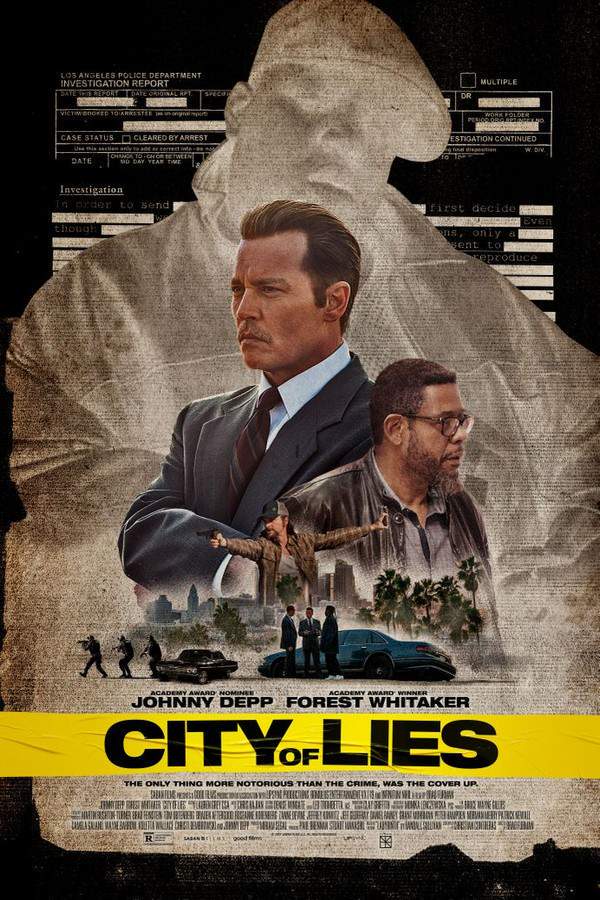
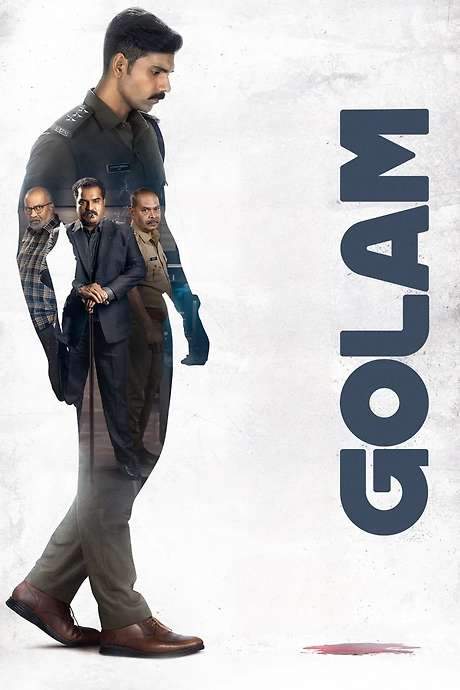
Bittersweet justice endings like in The Verdict

Stories where a victory is achieved, but it is shadowed by loss and ethical compromise. For viewers who appreciated the complex, bittersweet conclusion of The Verdict, this list features movies with similarly impactful endings. These stories deliver a form of justice or resolution that is deeply satisfying yet emotionally complicated, often because it was achieved through morally questionable means.

  • bittersweet
  • sombre
  • thought-provoking
  • moral weight
  • grim
  • partial victory
  • Tone: bittersweet, grim, heavy
  • Pacing: steady build
Why these movies?

The story pattern: The narrative pattern here involves a protagonist striving to correct a grave injustice. Their journey is arduous and forces them to make difficult, often ethically problematic choices. The climax resolves the central conflict—the innocent may be exonerated, the guilty punished—but the ending is tempered by the consequences of the protagonist's actions or the realization that the larger system remains broken. The emotional journey is one of heavy sacrifice for a partial win.

Why they belong together: These films are united by their emotionally complex and morally ambiguous conclusions. They move beyond simple 'happy' or 'sad' endings to explore the grey area where justice is served but purity is lost. This creates a powerful and thought-provoking viewing experience that lingers long after the credits roll.

If you liked this

Movies Like The Verdict

Similar movies to The Verdict: the same genre, themes or kind of story. Each one comes with its own plot summary, timeline and ending explained.

Browse all movie summaries

Every angle

The Verdict (1946) Explained: Plot, Timeline & Characters

Everything about The Verdict in one place: what happens in the plot summary, the timeline in chronological order, the characters and meaning and a spoiler-free summary. What's After the Movie adds the cast, box office and post-credit scenes.

Coming soon on iOS and Android

The Plot Explained Movie Summary App

Plot summaries, endings explained and timelines on your phone. Catch up on any movie in minutes, save your favorites and never miss a twist again.

Be the first to know when we launch. Your email stays private, always.

Learn more about the app