Plot Explained Spoilers guaranteed!
Plot Explained

Browse by genre

The Verdict (1946) movie poster

Characters & Themes

The Verdict (1946) Characters, Setting & Themes Explained

Release, runtime and language
1946 · 86 mins · English
Directed by
Don Siegel
Starring
Mark Strong, Billy Bletcher, Peter Lorre, Arthur Shields, George Coulouris, Ian Wolfe

After an innocent man is executed in a case he was responsible for, a Scotland Yard superintendent finds himself investigating the murder of his key witness.

On this page (7)
  1. 1 Characters explained (8)
  2. 2 Where & when it takes place
  3. 3 Themes & meaning (3)
  4. 4 Character & meaning questions
  5. 5 Movie threads
  6. 6 Movies like The Verdict
  7. 7 Every angle

8 main characters · contains spoilers

The Verdict Characters Explained: Who Is Who

The main characters of The Verdict (1946), heroes and villains: what drives them, how they change over the course of the story and what each of them reveals about the film's bigger ideas.

  • George Edward Grodman (Sydney Greenstreet)

    A diligent, principled superintendent who questions a verdict and pursues the truth at any cost. He orchestrates the investigation, writes a memoir to preserve the truth, and ultimately confesses to the murder to demonstrate the real killer's identity. His resolve is tempered by a sense of justice for Kendall and the innocent man wrongly executed. He embodies the tension between official duty and moral responsibility.

    • ⚖️ Justice
    • 🕵️ Investigation
    • 🧭 Integrity
  • Supt. John R. Buckley

    played by George Coulouris

    The obnoxious, gloating replacement superintendent who leads the prosecution with swagger and a blunt approach. He fixates on a straightforward trail and is quick to convict Russell, showcasing the dangers of arrogance within law enforcement. His downfall comes as the truth behind the alibis and the real sequence of events is laid bare.

    • ⚖️ Authority
    • 🔎 Prosecution
    • 🕵️ Bureaucracy
  • Victor Emmric (Peter Lorre)

    An artist and Kendall’s ally who provides a cultured lens on the case. He collaborates with Grodman to illustrate the bodies and events for the memoir, helping to interpret the evidence from a perceptive, artistic angle. His friendship with Kendall adds a human dimension to the investigation and its stakes.

    • 🎨 Art
    • 🕵️ Investigation
    • 🧠 Insight
  • Arthur Kendall

    played by Morton Lowry

    The murder victim whose death catalyzes the investigation. As the victim’s nephew, his murder exposes networks of alibis, political pressure, and hidden motives. Kendall’s role is pivotal as the case unfolds around the attempt to hide and reveal truth surrounding his death.

    • 🕵️ Investigation
    • 🧩 Motive
    • ⚖️ Justice
  • Clive Russell

    played by Paul Cavanagh

    The MP from Brockton whose travel alibi is scrutinized and ultimately challenged. The discovery of an unused ticket and the murder weapon ties him to the crime, leading to his conviction. His arc illustrates how political figures can be ensnared by the same web of evidence that ensnares others.

    • 🏛️ Politics
    • 🔎 Investigation
    • ⚖️ Justice
  • Lottie Rawson

    played by Joan Lorring

    A music-hall singer who becomes entangled in Kendall’s murder after a quarrel with him. She is briefly questioned and released, showing how many ordinary people become part of the case's orbit. Her involvement highlights the broad net of suspicion cast by a high-profile crime.

    • 🎤 Entertainment
    • 🕵️ Investigation
    • 🗝️ Secrets
  • Mrs. Vicky Benson

    played by Rosalind Ivan

    Kendall’s landlady who witnesses events and accidentally becomes a linchpin in Grodman’s locked-room manipulation. Her reactions provide crucial clues to the method of the crime. She embodies the ordinary citizen drawn into the mechanisms of a sensational investigation.

    • 🏠 Landlord
    • 🔍 Witness
    • 🧩 Clue
  • Rev. Holbrook

    played by Arthur Shields

    A Reverend connected to the alibi network around the murder. His movements and credibility are examined as the investigation reorders itself around the pursuit of truth. He represents the moral weight of community voices in a case of alleged justice.

    • ⛪ Spiritual
    • 🕵️ Investigation
    • 🧭 Alibi

Last updated: October 04, 2025 at 14:30

Was this helpful?

Setting

Where and When Does The Verdict Take Place?

The setting of The Verdict (1946): the year and time period, the places and locations, and how they shape the characters, the mood and the tension of the story.

Time period

1890

Set in 1890, the film situates its drama in late Victorian London, a time of rigid social hierarchies and muscular law enforcement. The era's reliance on circumstantial evidence and public opinion shapes how the case unfolds. The mood and institutions reflect the period's appetite for sensational justice and newspaper-driven narratives.

Location

Newgate Prison, London

The story unfolds at Newgate Prison in London, providing a grim, institutional backdrop for a high-stakes murder investigation. The setting underscores the Victorian era's brutal justice system and the public spectacle surrounding trials. The claustrophobic environment amplifies the tension as secrets and alibis collide.

  • ⚖️ Crime
  • 🔎 Mystery
  • 🏛️ London

Last updated: October 04, 2025 at 14:30

Was this helpful?

3 major themes

The Verdict Meaning: Themes & Message Explained

What is The Verdict (1946) really about? The emotional, social and philosophical themes the film keeps returning to, its symbolism and the message beneath the surface.

  • Justice

    A miscarriage of justice triggers the entire case, with an innocent man executed on circumstantial proof. Grodman maneuvers through a flawed system, seeking to uncover the truth beyond official narratives. The narrative culminates in a confession that reveals how truth can be obscured by power and procedure. The memoir frame emphasizes lasting accountability over convenient verdicts.

  • Truth

    Secrets, alibis, and manipulated evidence create a dense web the investigators must untangle. The locked-room setup serves as a device to test perception against reality. Characters wrestle with what to reveal and what to protect, ultimately exposing the real culprit. The resolution argues that truth, even when costly, must prevail over reputation.

  • Power

    The clash between the pomp and pressure of authority and the slow grind of forensic truth drives the plot. Buckley embodies brute, showy power, while Grodman represents principled persistence in the service of justice. The story shows how institutions can be bent by ambition, yet are forced to confront their own fragility. In the end, power without integrity collapses under scrutiny.

Last updated: October 04, 2025 at 14:30

Was this helpful?

Character & theme questions

The Verdict Characters & Meaning: Your Questions Answered

The questions people ask about The Verdict (1946): who the characters really are, their relationships, what the symbols mean, where it takes place and what the movie is really about. Each answer contains spoilers.

Q1

Where is the story set?

The story unfolds at Newgate Prison in London, a grim Victorian-era institution that serves as both the execution site and backdrop for the murder investigation. The claustrophobic prison environment underscores the era's brutal justice system and the public spectacle surrounding high-profile trials.

  • newgate prison
  • london
  • prison
  • setting
  • victorian london
Q2

When does the movie take place?

Set in 1890, the film is anchored in late Victorian London, a period characterized by rigid social hierarchies and muscular law enforcement. The era's reliance on circumstantial evidence and public opinion heavily shapes how the case unfolds and highlights the period's appetite for sensational justice.

  • 1890
  • victorian era
  • london
  • time period
  • late victorian
Q3

What is the main theme of the movie?

The movie centers on the theme of justice, exploring a miscarriage of justice where an innocent man is executed based on circumstantial proof. Superintendent Grodman maneuvers through this flawed system seeking to uncover the truth beyond official narratives, ultimately revealing how truth can be obscured by power and procedure.

  • justice
  • miscarriage of justice
  • truth
  • execution
  • innocent man
Q4

How does the movie portray power and authority?

The film depicts a clash between the pomp of authority and the slow grind of forensic truth. Superintendent Buckley embodies brute, showy power and quick conviction, while Grodman represents principled persistence. The narrative shows how institutions can be bent by ambition, yet are forced to confront their own fragility when power operates without integrity.

  • power
  • authority
  • institutions
  • buckley
  • grodman
  • law enforcement
Q5

Who is George Grodman?

George Edward Grodman is the diligent, principled Scotland Yard superintendent portrayed by Sydney Greenstreet. He is the central moral force who questions a wrongful verdict and pursues the truth at any cost. His commitment to justice for the wrongly executed man drives the entire investigation, leading him to extreme measures to expose the real killer.

  • george grodman
  • sydney greenstreet
  • superintendent
  • protagonist
  • investigator
Q6

Who is Superintendent Buckley?

Superintendent John R. Buckley is the gloating replacement superintendent who leads the prosecution with swagger and blunt force. He represents the dangers of arrogance within law enforcement, fixating on a straightforward trail and quick conviction of Russell. His downfall comes as the truth behind alibis and the real sequence of events is revealed.

  • buckley
  • superintendent
  • prosecution
  • antagonist
  • law enforcement
Q7

Who is Victor Emmric?

Victor Emmric is an artist portrayed by Peter Lorre who becomes Kendall's ally and provides a cultured perspective on the case. He collaborates with Grodman to illustrate the bodies and events for the memoir, helping interpret evidence from an artistic and perceptive angle. His friendship with Kendall adds human dimension to the investigation.

  • victor emmric
  • peter lorre
  • artist
  • ally
  • witness
Q8

Who was Arthur Kendall?

Arthur Kendall is the murder victim whose death catalyzes the investigation. As the victim's nephew, his murder exposes networks of alibis, political pressure, and hidden motives. His role is pivotal as the case unfolds around attempts to hide and reveal truth surrounding his death.

  • arthur kendall
  • victim
  • murder victim
  • nephew
  • investigation
Q9

What is the locked-room element in the story?

The story features a locked-room setup that serves as a central mystery device, testing perception against reality. Characters must untangle a dense web of secrets, alibis, and manipulated evidence to understand how the murder was committed within seemingly impossible conditions.

  • locked room
  • mystery
  • investigation
  • alibi
  • evidence
Q10

How does the film depict the Victorian justice system?

The film portrays the Victorian justice system as brutal and flawed, reliant on circumstantial evidence and public opinion. The setting at Newgate Prison underscores the era's harsh penalties, including execution, while the narrative demonstrates how newspaper-driven sensationalism and political pressure can distort the pursuit of truth.

  • victorian justice
  • justice system
  • trials
  • execution
  • circumstantial evidence
Q11

What does the film say about truth and reputation?

The film argues that truth, even when costly, must prevail over reputation. Characters wrestle with what to reveal and what to protect throughout the investigation. The resolution demonstrates that attempting to preserve reputation through deception ultimately leads to downfall, while honest confrontation with truth, however painful, brings genuine resolution.

  • truth
  • reputation
  • confession
  • justice
  • integrity

Movie threads

More Movies Like The Verdict, by Mood & Story

Curated lists built around what makes The Verdict tick: the same mood, the same kind of story or the same emotional payoff. Each list explains why these movies belong together.

Grim crime investigations with moral conflict like in The Verdict

Methodical crime solvers confront a corrupt system and their own compromised ethics. If you liked The Verdict for its intense moral conflict within a crime investigation, you'll find similar movies here. These films focus on detectives and investigators who are morally compromised by the systems they operate in, resulting in suspenseful and heavy narratives about the cost of justice.

  • grim
  • tense
  • methodical
  • moral conflict
  • suspenseful
  • sombre
  • Tone: dark, tense, morally conflicted
  • Pacing: steady, methodical
Why these movies?

The story pattern: Stories in this thread typically follow a seasoned investigator—a detective, journalist, or official—whose pursuit of a truth uncovers systemic corruption or a personal failure. The central conflict becomes internal as much as external, pitting the character's principles against the pragmatic or even vengeful actions they feel compelled to take. The narrative arc often involves a descent into moral ambiguity, where solving the case comes at a significant personal or ethical cost.

Why they belong together: These movies are grouped together because they share a core focus on the moral dilemma at the heart of an investigation. They blend the procedural elements of a crime thriller with deep character studies, creating a consistently dark and intense vibe where the biggest mystery is often the protagonist's own soul.
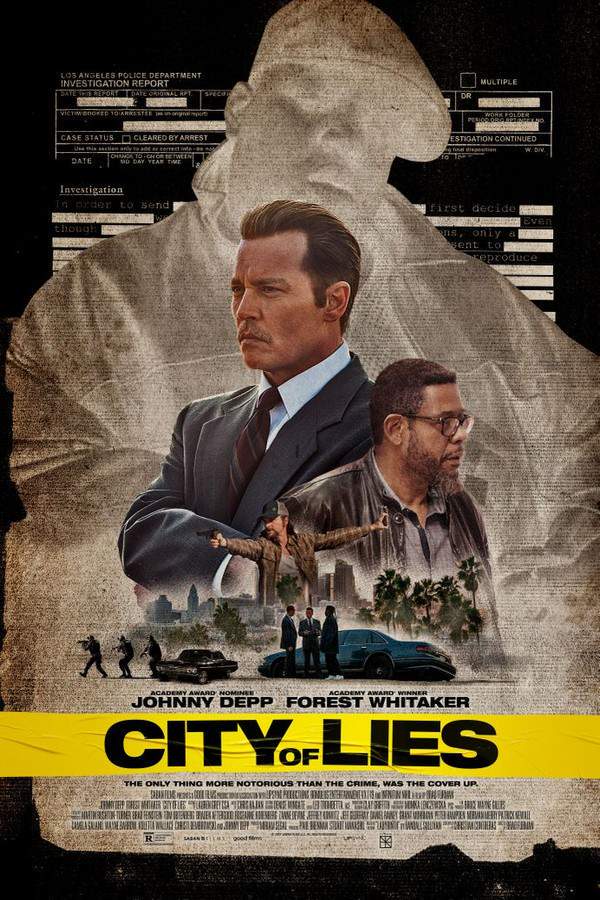
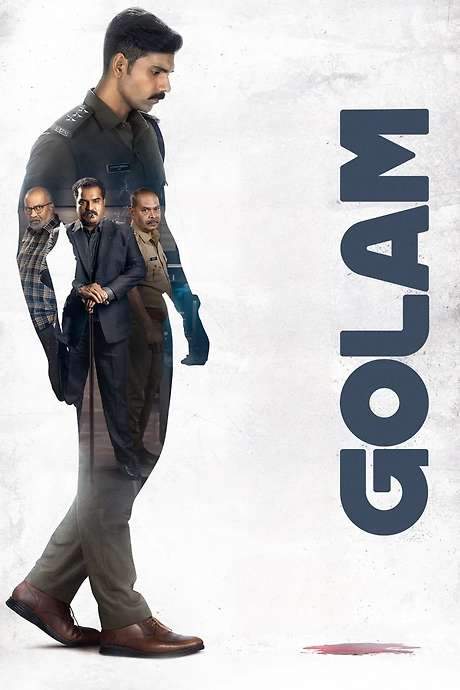
Bittersweet justice endings like in The Verdict

Stories where a victory is achieved, but it is shadowed by loss and ethical compromise. For viewers who appreciated the complex, bittersweet conclusion of The Verdict, this list features movies with similarly impactful endings. These stories deliver a form of justice or resolution that is deeply satisfying yet emotionally complicated, often because it was achieved through morally questionable means.

  • bittersweet
  • sombre
  • thought-provoking
  • moral weight
  • grim
  • partial victory
  • Tone: bittersweet, grim, heavy
  • Pacing: steady build
Why these movies?

The story pattern: The narrative pattern here involves a protagonist striving to correct a grave injustice. Their journey is arduous and forces them to make difficult, often ethically problematic choices. The climax resolves the central conflict—the innocent may be exonerated, the guilty punished—but the ending is tempered by the consequences of the protagonist's actions or the realization that the larger system remains broken. The emotional journey is one of heavy sacrifice for a partial win.

Why they belong together: These films are united by their emotionally complex and morally ambiguous conclusions. They move beyond simple 'happy' or 'sad' endings to explore the grey area where justice is served but purity is lost. This creates a powerful and thought-provoking viewing experience that lingers long after the credits roll.

If you liked this

Movies Like The Verdict

Similar movies to The Verdict: the same genre, themes or kind of story. Each one comes with its own plot summary, timeline and ending explained.

Browse all movie summaries

Every angle

The Verdict (1946) Explained: Plot, Timeline & Characters

Everything about The Verdict in one place: what happens in the plot summary, the timeline in chronological order, the characters and meaning and a spoiler-free summary. What's After the Movie adds the cast, box office and post-credit scenes.

Coming soon on iOS and Android

The Plot Explained Movie Summary App

Plot summaries, endings explained and timelines on your phone. Catch up on any movie in minutes, save your favorites and never miss a twist again.

Be the first to know when we launch. Your email stays private, always.

Learn more about the app