









Plot Explained Spoilers guaranteed!
Plot Explained

Browse by genre

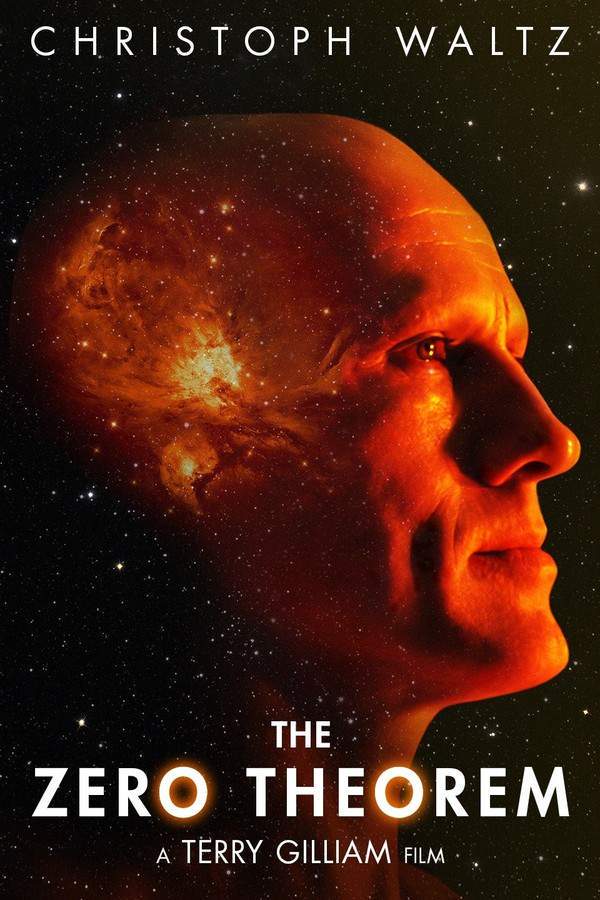
The Zero Theorem (2014) movie poster

Timeline

The Zero Theorem (2014) Timeline Explained – Every Event in Order

Release, runtime and language
2014 · 107 min · English
JustWatch #5,864 9
Starring
David Thewlis, Lucas Hedges, Christoph Waltz, Mélanie Thierry

Qohen, a gifted but withdrawn computer programmer, is tasked with a mysterious assignment that sends him on a journey to confront the meaning of existence. As he works, he experiences unsettling encounters with a variety of unusual characters, including Bainsley, Job, and Dr. Shrink-Rom. These interactions challenge his solitary life and force him to question his place in a perplexing world dominated by Management's ambiguous commands.

On this page (6)
  1. 1 Where to watch
  2. 2 Events in order (15)
  3. 3 Timeline questions answered
  4. 4 Movie threads
  5. 5 Movies like The Zero Theorem
  6. 6 Every angle

Where to watch

Where to Watch The Zero Theorem (2014)

Where can you watch The Zero Theorem? Stream, rent or buy it in the US, including on Amazon Prime Video, AMC+ and Amazon MX Player: current JustWatch availability with up-to-date prices.

Streaming availability powered by JustWatch

15 events in order · contains spoilers

The Zero Theorem Timeline: Events in Chronological Order

Every key event of The Zero Theorem (2014) in order, scene by scene, with when and where it takes place. Use it to untangle flashbacks, time jumps and parallel storylines, to refresh your memory before the sequel or to find the exact scene you are thinking of.

  1. Qohen's Isolation

    In the mid-21st century, Qohen Leth resides in a dystopian city, seeking solace in the remnants of a former church. His life is consumed by his work for Mancom's ontological research division, where he tirelessly searches for 'entities' amid the ash-strewn environment.

    When
    Mid-21st Century
    Where
    Dystopian City
  2. The Long-Awaited Call

    Qohen becomes increasingly fixated on receiving a phone call that he believes will provide him with the answers to the profound questions of life. This longing deeply influences his mental state, making him yearn for clarity in his chaotic existence.

  3. The Lavish Party Invitation

    An unexpected opportunity arises when Qohen's supervisor, Joby, invites him to a lavish party. Hoping to find inspiration, Qohen pleads with Management to allow him to work from home, believing his unique mindset would enhance his productivity.

    Where
    Party Venue
  4. The Zero Theorem Assignment

    Initially dismissed as insane, Qohen's determination leads to a daunting task: the Zero Theorem. This complex mathematical quest is infamous for driving those who attempt it to frustration and mental collapse.

    Where
    Mancom Office
  5. Mental Breakdown

    As Qohen immerses himself in the Zero Theorem, the pressures from Mancom begin to take a toll on his mental health. In a moment of rage, he shatters his workstation, symbolizing his shattered dreams and growing despair.

  6. Bainsley's Arrival

    Joby, sensing Qohen's distress, sends in Bainsley, a captivating woman he met at the party, to assist him. Dressed in a sultry nurse's outfit, Bainsley reveals more about herself while cleaning, drawing Qohen into a deeper connection.

    Where
    Qohen's Workspace
  7. The Devil's Bargain

    Bob, the teenage son of Management, visits Qohen and offers a devil's bargain: if Qohen continues working on the Zero Theorem, he will help him reconnect with Bainsley. This tempting offer drives Qohen to continue down the dark path of his assignment.

  8. A Virtual Paradise

    With Bainsley's encouragement, Qohen uses an advanced VR suit that allows him to escape reality. He shares a fleeting yet intimate moment with Bainsley in a virtual paradise, highlighting their blossoming romance amidst the chaos.

    Where
    Virtual Reality
  9. Unraveling Reality

    Bob returns to inform Qohen that the Zero Theorem asserts the meaninglessness of life through the Big Crunch theory. Struggling to comprehend this existential reality, Qohen immerses himself in the virtual realm, finding a creative spark with Bainsley.

  10. Bainsley's New Life

    After a heartfelt connection, Qohen discovers Bainsley's new profession as a webcam stripper, causing him pain and forcing him to distance himself. This revelation deepens Qohen's feelings of isolation as he grapples with his own identity.

  11. Revelation from Dr. Shrink-Rom

    Dr. Shrink-Rom reveals that Qohen's anticipated phone call is merely a figment of his imagination. This chilling insight shatters Qohen's hope for clarity, intensifying his struggle against Management's control.

  12. Destruction of Surveillance

    In a moment of defiance, Qohen destroys the surveillance cameras installed by Management, symbolizing his rebellion against their suffocating grip. This act of resistance foreshadows dire consequences for him and those around him.

  13. Final Confrontation with Management

    As Qohen is thrust into a digital landscape by a malfunctioning VR suit, he confronts the colossal Neural Net Mancrive. Management reveals the manipulation behind his existence, thrusting him into an introspective journey that forces him to face his choices.

    Where
    Digital Landscape
  14. Dismantling the Neural Net

    In a climactic moment, Qohen dismantles the Neural Net, leading to a storm of memories and experiences that reflect his tumultuous journey. This act signifies his quest for freedom from the constraints imposed by Management.

  15. Embracing the Unknown

    As the film concludes, Qohen stands solitary on a digital beach, reflecting on his journey. Finding Bainsley's bikini top and playing catch with a virtual beach ball symbolizes his acceptance of spontaneity and the joy that comes with embracing the unknown.

    Where
    Digital Beach

Last updated: November 22, 2024 at 14:24

Was this helpful?

Timeline questions answered

The Zero Theorem Timeline Explained: Your Questions Answered

When does it happen, and why in that order? The questions people ask about the chronology of The Zero Theorem (2014): time jumps, flashbacks, cause and effect between scenes and the correct order of events, each answered with spoilers.

Q1

Why is Qohen waiting for a phone call?

Qohen believes the phone call will provide answers to life's profound questions. He has become obsessed with this waiting because he views it as a pivotal moment that will give his existence meaning and purpose. The call represents his desperate search for clarity in a chaotic, meaningless world dominated by Mancom's demands.

Foreshadowing: Early scenes establish Qohen's fixation on the call as his primary motivation for enduring his oppressive work environment.

  • qohen
  • phone call
  • meaning of life
  • obsession
Q2

What is the Zero Theorem?

The Zero Theorem is a complex mathematical equation that Mancom assigns to Qohen. It is designed to prove whether life has meaning or is fundamentally meaningless. Bob reveals that the theorem ultimately asserts the meaninglessness of existence through the Big Crunch theory, which suggests the universe will eventually collapse into nothingness.

Foreshadowing: The Zero Theorem assignment is introduced early as a notorious task that has driven previous programmers to frustration and mental collapse.

  • zero theorem
  • big crunch
  • meaning of life
  • mancom
Q3

What happens between Qohen and Bainsley in virtual reality?

Bainsley gives Qohen an advanced VR suit that allows him to enter a virtual paradise. Inside this digital world, they share an intimate romantic moment and even travel together through a black hole, experiencing both wonder and despair. This escape provides Qohen with temporary relief from his oppressive reality and deepens their emotional connection.

Foreshadowing: Bainsley's arrival at Qohen's workspace in a nurse's outfit hints at her role as a caregiver who will help him escape his mental distress.

  • bainsley
  • virtual reality
  • vr suit
  • digital world
Q4

Why does Bainsley become a webcam stripper?

After her intimate virtual experience with Qohen, Management cuts off her connection to the virtual world. Left without options, Bainsley turns to working as a webcam stripper as a means of survival within Mancom's system. This choice highlights how the corporation controls and commodifies people, forcing them into degrading roles to survive.

Foreshadowing: Earlier hints show Bainsley's desperation to stay connected to Qohen through the VR system, foreshadowing her vulnerability when that connection is severed.

  • bainsley
  • webcam stripper
  • management
  • survival
Q5

Is the phone call real or just in Qohen's mind?

Dr. Shrink-Rom reveals that Qohen's anticipated phone call is entirely imaginary, a figment of his desperate imagination. This devastating revelation shatters Qohen's hope for external meaning and forces him to confront the fact that he has been waiting for something that will never come, intensifying his existential crisis.

Foreshadowing: Qohen's supervisor Joby and others have previously seemed skeptical of his waiting, hinting at the delusion underlying his obsession.

  • phone call
  • imagination
  • dr shrink-rom
  • delusion
Q6

What does Management reveal about Qohen's life?

In the climactic digital landscape, Management reveals that Qohen's entire existence has been manipulated. His life was controlled by the corporation, with his work on the Zero Theorem being part of a larger experiment. Management's resignation of purpose exposes how they orchestrate human lives as part of their chaotic ambition to prove life's meaninglessness.

Foreshadowing: Bob's earlier visits with ulterior motives and the constant surveillance foreshadow the extent of Management's control over Qohen.

  • management
  • manipulation
  • neural net
  • conspiracy
Q7

What does the ending mean?

In the final scene, Qohen stands alone on a digital beach, finding solace in memories of Bainsley represented by her bikini top. His playful game with the virtual beach ball and tossing the sun into the horizon symbolizes his acceptance of life's uncertainty and his embrace of spontaneous joy rather than desperate searching for meaning. He achieves personal liberation by rejecting the system's constraints, though he remains solitary.

Foreshadowing: Earlier moments of rebellion, especially destroying the surveillance cameras, foreshadow Qohen's eventual rejection of external control.

  • digital beach
  • ending
  • freedom
  • solitude
  • bainsley
Q8

Why does Qohen destroy the surveillance cameras?

Qohen destroys Management's surveillance cameras as an act of rebellion against their constant monitoring and control over his life. This destructive act symbolizes his refusal to be manipulated and marks a turning point where he begins to actively resist Mancom's oppressive system rather than passively accept it.

Foreshadowing: Qohen's growing frustration with his working conditions and the constant surveillance has been building throughout the film.

  • surveillance
  • cameras
  • rebellion
  • freedom
  • management
Q9

What is the Neural Net Mancrive?

Mancrive is the colossal supercomputer that embodies all the entities processed by Mancom's system. When Qohen confronts it in the digital landscape, it represents the accumulated data and consciousness of everyone who has worked for the corporation. Qohen ultimately dismantles it, triggering a storm of memories and experiences that reflect his entire journey.

Foreshadowing: Throughout the film, Qohen's work involves searching for 'entities,' hinting at the existence of a larger system that collects and processes human consciousness.

  • mancrive
  • neural net
  • supercomputer
  • entities
Q10

Why does Qohen ask to work from home?

Qohen pleads with Management to allow him to work from home because he believes his unique, isolated mindset fosters greater productivity. More importantly, he hopes this arrangement will allow him to wait for his anticipated phone call in peace, free from the distractions and pressures of the Mancom office environment.

Foreshadowing: His request reveals his prioritization of personal fulfillment over corporate expectations, setting up his later rebellion.

  • work from home
  • isolation
  • productivity
  • management
Q11

What is the Big Crunch theory in the movie?

The Big Crunch theory is the philosophical basis behind the Zero Theorem. Bob explains that the theorem mathematically proves the universe will eventually collapse into nothingness, thereby affirming the meaninglessness of existence. Qohen rejects this nihilistic conclusion, leading him to ultimately dismantle the system designed to prove it.

Foreshadowing: The Zero Theorem's reputation for driving programmers to madness hints at the existential horror of its conclusions.

  • big crunch
  • nihilism
  • universe
  • meaninglessness
Q12

Who is Joby and what is his role?

Joby is Qohen's supervisor at Mancom who invites him to the lavish party where Qohen meets Bainsley. Joby sends Bainsley to help Qohen when he senses his distress, and later arrives as the situation deteriorates, suggesting Qohen's actions have led to consequences. His name and appearance (played by Tom Waits) evoke the biblical figure Job, reflecting themes of suffering and testing.

Foreshadowing: Joby's role as both facilitator and overseer hints at his position within Management's hierarchy.

  • joby
  • supervisor
  • mancom
  • tom waits

Movie threads

More Movies Like The Zero Theorem, by Mood & Story

Curated lists built around what makes The Zero Theorem tick: the same mood, the same kind of story or the same emotional payoff. Each list explains why these movies belong together.

Movies about dystopian existentialism like The Zero Theorem

Characters search for meaning in overwhelming, technologically saturated futures. If you liked The Zero Theorem's deep dive into existential dread within a chaotic future, you'll find similar stories here. These movies feature characters in dystopian settings questioning reality, facing corporate control, and experiencing technological alienation, all while on a slow, melancholic search for meaning.

  • existential
  • alienating
  • claustrophobic
  • reflective
  • dreamlike
  • anxious
  • Tone: melancholic, bleak, reflective
  • Pacing: slow, contemplative
Why these movies?

The story pattern: The narrative follows a solitary protagonist, often an outsider, who is tasked with or driven to solve a philosophical puzzle that challenges their perception of reality. Their journey is less about external action and more about an internal unraveling, leading to a confrontation with the nature of existence itself.

Why they belong together: They are grouped by their shared focus on heavy philosophical themes, a melancholic and alienating tone, and a setting where advanced technology exacerbates human loneliness rather than solves it. The pacing is deliberate, allowing the weight of the existential questions to settle.

Movies about psychological isolation like The Zero Theorem

Intimate portraits of lonely characters undergoing a psychological breakdown. For viewers who connected with Qohen's profound loneliness and mental decline in The Zero Theorem, this list features similar character studies. These films focus on solitary individuals whose grip on reality loosens, offering a heavy, reflective, and often bittersweet viewing experience.

  • lonely
  • anxious
  • reflective
  • unraveling
  • claustrophobic
  • nostalgic
  • Tone: melancholic, bittersweet, disturbing
  • Pacing: slow, character-driven
Why these movies?

The story pattern: The story is character-driven, following a protagonist's descent into or confrontation with their own mind. The plot is secondary to the emotional and psychological arc, which is marked by unsettling encounters, a struggle for connection, and a central theme of searching for peace or meaning amidst chaos.

Why they belong together: They share a heavy emotional weight, a slow, introspective pace, and a core theme of mental health decline. The tone is consistently melancholic and reflective, focusing on the internal experience of a character who feels profoundly disconnected from the world around them.

If you liked this

Movies Like The Zero Theorem

Similar movies to The Zero Theorem: the same genre, themes or kind of story. Each one comes with its own plot summary, timeline and ending explained.

Browse all movie summaries

Every angle

The Zero Theorem (2014) Explained: Plot, Timeline & Characters

Everything about The Zero Theorem in one place: what happens in the plot summary, the timeline in chronological order, the characters and meaning and a spoiler-free summary. What's After the Movie adds the cast, box office and post-credit scenes.

Coming soon on iOS and Android

The Plot Explained Movie Summary App

Plot summaries, endings explained and timelines on your phone. Catch up on any movie in minutes, save your favorites and never miss a twist again.

Be the first to know when we launch. Your email stays private, always.

Learn more about the app