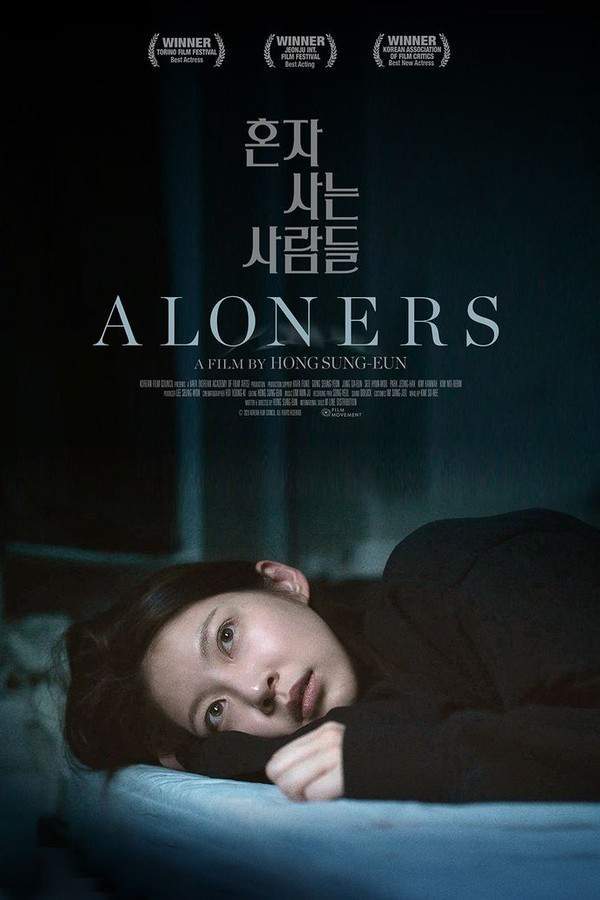
Alice, a young investigative reporter, suffers a devastating loss when her boyfriend, Tom, takes his own life after a heated argument. Unable to cope with the aftermath, she pursues a lead about an isolated community run by a former psychiatrist, hoping to uncover answers or a new sense of belonging. She travels to the secluded place and enters by feigning amnesia, slipping into the rhythms of a life that seems calm, ordered, and strangely empathetic. The atmosphere is quiet and intimate, built on routines that feel protective yet claustrophobic, and Alice begins to navigate a world where care and control coexist.
Within the commune, she discovers that every resident has carried a tremendous loss or trauma, a shared wound that binds them together. The group appears to exist in a state of current joy and harmony, but beneath the surface there is a somber, unspoken plan—an intention to perform a mass suicide that is framed as an act of release from suffering. The tension between surface serenity and hidden intent threads through the days, shaping how people interact and what they dare to reveal about their deepest fears.
A pivotal relationship develops when Charlie, a resident, discovers Alice’s secret I.D. card but chooses not to expose her deception. The bond between them grows into a romantic connection, a private sanctuary where both feel seen and understood for the first time in a long while. As Alice becomes more accepted and supported by the community, she asks whether she can stay, and the others grant her permission, treating her presence as a meaningful addition rather than an intrusion.
Yet the question of whether to live or to die remains unsettled for Alice. The arrival of a crisis intensifies the moral arithmetic: Neil, the commune’s director, accidentally ends the life of his sick wife, a tragedy that the group interprets as a sign to proceed with the suicide ritual they had been preparing. Alice’s instinctive reaction is to run, to pull Charlie away and start anew somewhere else. Charlie refuses to abandon the others, but he doesn’t scold her for wanting to leave; instead, he tells her she can go if she wishes.
Ultimately, Alice decides to stay for the moment, even as she wrestles with the possibility of ending her life alongside the others. The next morning, the group gathers to enact their plan—lying down on camp beds and consuming a poison that would spare them further suffering, followed by fire. Just as Alice is about to drink, Charlie steps forward and stops her, offering an alternative path. He agrees to flee with her, vowing not to let the group be disturbed, and his resolve signals a break from the ritual’s momentum. The final scene follows Alice and Charlie as they board a train together, a tentative step toward freedom, with the carved word “forever” etched on a bench at their station—a quiet, haunting reminder of the choices made and the vow to seek a different future.








-HOGtBZMKH4I3HQ.jpg)