Plot Explained Spoilers guaranteed!
Plot Explained

Browse by genre

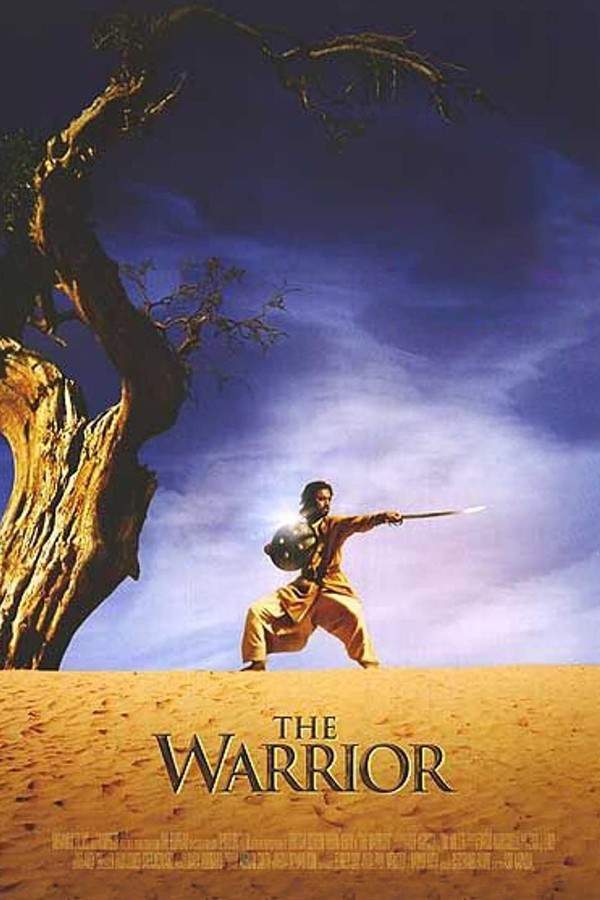
The Warrior (2005) movie poster

Plot Summary

The Warrior (2005) Plot Summary Explained

Release, runtime and language
2005 · 86 min · Hindi
Directed by
Asif Kapadia
Starring
Irrfan Khan, Aino Annuddin, Puru Chibber

Haunted by a violent past, a warrior seeks refuge in the Himalayas, hoping to escape the life he once led as a lord's feared enforcer. However, his former lord relentlessly pursues him, forcing him to flee across dangerous mountain paths. As he fights for survival, he must also confront the shadows of his past and the consequences of his actions.

On this page (6)
  1. 1 Where to watch
  2. 2 What happens: full plot
  3. 3 Plot questions answered
  4. 4 Movie threads
  5. 5 Movies like The Warrior
  6. 6 Every angle

Where to watch

Where to Watch The Warrior (2005)

Where can you watch The Warrior? Stream, rent or buy it in the US, including on Apple TV Store and JustWatch TV: current JustWatch availability with up-to-date prices.

Streaming availability powered by JustWatch

Full plot summary · contains spoilers

What Happens in The Warrior: Full Plot Summary

The whole story of The Warrior (2005) explained, from the opening scene to the final frame: every key event, every twist and what it all adds up to. Read it as a quick recap before the sequel, to check a scene you missed, or to finally understand what really happened.

In the year 1375, a small political envoy embarks on a journey to China to meet the esteemed Ming Emperor. However, a grave misunderstanding leads to their arrest, as they are mistakenly identified as spies. Amidst this turmoil, their transport is ambushed by Mongol marauders, resulting in the brutal killing of the Chinese guards and allowing the Korean envoys to escape. As fate would have it, all the Korean ambassadors are lost, leaving the inexperienced general to take charge of the situation.

The soldiers quickly arm themselves, discovering that the Mongols have kidnapped the Ming Emperor's daughter. In a bold move, they launch an ambush to rescue the princess. Among the brave warriors is Yeo-sol, the former slave of an ambassador, who engages in a fierce duel with the injured Mongolian general Rambulwha. Ultimately, Yeo-sol triumphs but, showing mercy, allows Rambulwha to escape.

With the princess in tow, the Koreans are determined to return her to the Ming Emperor, seeking to atone for their diplomatic blunder. However, the Mongolian forces are in hot pursuit, eager to reclaim the princess and marry her to the Yuan Emperor, thus solidifying his claim over China. The Koreans aim for a seaside fortress, mentioned by the princess, which they hope will serve as a sanctuary. Along their arduous journey, they are joined by a group of Chinese peasants, all fleeing from the clutches of the Mongols.

As they navigate through the clashes with Mongol search parties, the Korean group faces numerous internal struggles fueled by social class tensions, love interests, and notions of honor. The lower-class soldiers feel the sting of their poor treatment compared to the upper-class soldiers and harbor little faith in their young general, often preferring the leadership of the veteran sergeant, Dae-Jung. Meanwhile, the princess grapples with her new reality, struggling to adapt to the rigors of their desperate situation.

Tension escalates between the general and Yeo-sol as they both vie for the princess's attention, leading to several confrontations. Upon reaching the fortress, they are disheartened to find it nothing more than a dilapidated ruin. As the group braces for a final stand against the Mongol forces, the princess attempts to sacrifice herself for the sake of her rescuers. In a dramatic twist, both the general and Yeo-sol leap into action to save her, leading to Yeo-sol's subsequent capture.

In an unexpected turn, Rambulwha extends an offer to Yeo-sol to join his ranks, but as the Mongols prepare for a vigorous assault, Yeo-sol chooses to return to his fellow Koreans. In the ensuing battle, the Koreans face disaster when their gunpowder defenses malfunction. In a heroic act, Yeo-sol gives his life to save the princess. The final showdown concludes with the general meeting his end at the hands of the Mongolian general, who also loses his life in the clash. All Mongols fall in battle, while the remaining Koreans are decimated, leaving only Dae-Jung alive.

The princess decides to stay with the peasants at the fortress, pledging to relay the courageous sacrifice of the Koreans to her father. With a heavy heart, Dae-Jung constructs a boat and sets sail back to Korea, carrying the weight of their lost comrades.

Last updated: November 04, 2024 at 03:01

Was this helpful?

Plot questions answered

The Warrior Plot Explained: Your Questions Answered

The questions people ask most about The Warrior (2005): what happens in the confusing scenes, why the characters do what they do, the twists, hidden details and what the ending means. Each answer contains spoilers.

Q1

Why did Yeo-sol spare Rambulwha after defeating him in the duel?

Yeo-sol showed mercy because he recognized Rambulwha as a worthy opponent who was already injured. This act of compassion distinguishes Yeo-sol from typical warriors and sets up his later choice to rejoin the Koreans instead of siding with the Mongols. The mercy he shows becomes a defining moment that influences Rambulwha's later offer to Yeo-sol.

Foreshadowing: Earlier in the duel, Rambulwha notes Yeo-sol's skill, foreshadowing the respect that would lead to the later offer.

  • yeo-sol
  • rambulwha
  • duel
  • mercy
  • compassion
Q2

Why did Rambulwha offer Yeo-sol a chance to join the Mongols?

Rambulwha offered Yeo-sol a position because he recognized Yeo-sol as an exceptional warrior after their duel. Despite being enemies, Rambulwha developed respect for Yeo-sol's combat skills and appreciated the mercy he was shown earlier. The Mongol general saw strategic value in recruiting such a capable fighter.

Foreshadowing: Their duel established mutual respect, with Rambulwha acknowledging Yeo-sol's superior skill.

  • rambulwha
  • yeo-sol
  • recruitment
  • respect
  • warrior
Q3

Why did the princess try to sacrifice herself at the fortress?

The princess attempted to sacrifice herself to save the Koreans from the impending Mongol attack. With the fortress in ruins and no hope of escape, she believed her death would end the Mongols' pursuit and prevent further bloodshed among those who rescued her. Her sacrifice was meant to repay their bravery and end the conflict.

  • princess
  • sacrifice
  • suicide
  • fortress
  • protection
Q4

Why did Yeo-sol choose to return to the Koreans instead of joining the Mongols?

Yeo-sol chose to return to the Koreans because despite being a former slave who suffered under the social hierarchy, he felt a deeper loyalty to his fellow soldiers who had accepted him. His earlier act of mercy toward Rambulwha and the subsequent offer created a moment of choice, but his commitment to the princess and his comrades outweighed the opportunity for a potentially easier life with the Mongols.

Foreshadowing: Yeo-sol's mercy toward Rambulwha demonstrated his character, showing he valued honor over personal gain.

  • yeo-sol
  • loyalty
  • koreans
  • mongols
  • choice
Q5

What caused the gunpowder defenses to malfunction during the final battle?

The gunpowder defenses failed at a critical moment during the final battle against the Mongols. This malfunction left the Koreans vulnerable and contributed to the devastating losses they suffered. The failure represents a turning point that forced Yeo-sol into the heroic sacrifice that would follow.

  • gunpowder
  • malfunction
  • battle
  • failure
  • koreans
Q6

Why did both the general and Yeo-sol risk their lives to save the princess?

Both men fought for the princess due to their competing interests in her. The general, as the leader, felt responsible for her safety and also harbored romantic feelings. Yeo-sol, despite his lower social status, had also developed feelings for her. Their simultaneous efforts to save her during her sacrifice attempt created a pivotal moment that led to Yeo-sol's capture.

Foreshadowing: Earlier tensions between the general and Yeo-sol over the princess foreshadowed this confrontation.

  • general
  • yeo-sol
  • princess
  • love triangle
  • rescue
Q7

Why did the Mongols want to marry the princess to the Yuan Emperor?

The Mongols wanted to marry the princess to the Yuan Emperor to strengthen their political claim over China. By marrying her to the Yuan Emperor, they would have a legitimate basis for asserting control over the Chinese throne. This political motive drove their relentless pursuit throughout the film.

  • mongols
  • princess
  • yuan emperor
  • marriage
  • political claim
Q8

Why was the seaside fortress in ruins when the Koreans arrived?

The seaside fortress, which the princess had mentioned as a potential sanctuary, was in ruins because it had been abandoned or destroyed over time. This discovery devastated the Koreans, as they had counted on it as a safe haven from Mongol pursuers. The ruin symbolized their diminishing hope and forced them into a final desperate stand.

  • fortress
  • ruins
  • disappointment
  • sanctuary
  • koreans
Q9

Why were there class tensions among the Korean soldiers?

Class tensions existed because the Korean army consisted of both upper-class officers and lower-class soldiers. The lower-class soldiers felt unfairly treated and had little faith in their young general's leadership, often preferring the experienced sergeant Dae-Jung. These tensions reflected broader social hierarchies and added internal conflict to their already dangerous journey.

Foreshadowing: Early interactions between soldiers revealed the disparity in treatment between classes.

  • class tension
  • korean soldiers
  • social hierarchy
  • dae-jung
  • leadership
Q10

Why was Dae-Jung the only Korean survivor?

Dae-Jung survived because he was positioned differently during the final battle and was not directly engaged in the fatal confrontations with Rambulwha. While the general and Yeo-sol both died in their respective duels, Dae-Jung managed to escape the destruction. His survival allowed him to carry the story of the Koreans' sacrifice back to Korea and fulfill the princess's promise to report their heroism.

  • dae-jung
  • survivor
  • koreans
  • sacrifice
  • return to korea

Movie threads

More Movies Like The Warrior, by Mood & Story

Curated lists built around what makes The Warrior tick: the same mood, the same kind of story or the same emotional payoff. Each list explains why these movies belong together.

Redemption stories like in The Warrior

Haunted warriors seek peace but are forced to confront their bloody pasts. For viewers who enjoyed The Warrior, this thread collects movies about warriors seeking redemption through exile. These films feature intense action, heavy emotional weight, and a focus on a lone survivor grappling with the consequences of a violent past. If you liked the journey of Lafcadia, you'll find similar stories here.

  • gritty
  • tragic
  • heroic
  • bleak
  • tense
  • solemn
  • Tone: dark, solemn, tragic
  • Pacing: fast, relentless
Why these movies?

The story pattern: These stories follow a linear, often fast-paced journey where a protagonist is pursued by their past. The central conflict is as much internal—grappling with guilt and the desire for a new life—as it is external, culminating in a final confrontation that tests their resolve and often results in a bittersweet resolution where survival comes at a great personal cost.

Why they belong together: These films are grouped by their shared focus on a specific character arc: the redeemed warrior. They blend high-intensity action with a dark, solemn tone, creating a heavy emotional experience centered on themes of honor, duty, and the price of violence.

Historical survival movies like The Warrior

Small groups fight for survival against nature and enemies in a historical setting. This list features films similar to The Warrior, focusing on gritty historical survival epics. If you enjoyed the tense journey across the Himalayas, the desperate battles, and the tragic sacrifices, you'll find more movies here with fast pacing, high stakes, and a group fighting against overwhelming odds.

  • epic
  • tense
  • gritty
  • tragic
  • bleak
  • heroic
  • Tone: bleak, tense, tragic
  • Pacing: fast, relentless
Why these movies?

The story pattern: The narrative is a linear, fast-paced trek through a perilous landscape. The group faces a series of escalating threats, from the environment to enemy ambushes, whittling down their numbers. The story is driven by a clear goal, but the emotional core is the sacrifice required to achieve it, often ending with heavy losses and a somber victory.

Why they belong together: These movies share a specific vibe: a combination of historical setting, high-tension survival scenarios, and a fast, relentless pace. They deliver a heavy emotional experience through their focus on sacrifice, honor, and the bleak realities of a desperate mission.

If you liked this

Movies Like The Warrior

Similar movies to The Warrior: the same genre, themes or kind of story. Each one comes with its own plot summary, timeline and ending explained.

Browse all movie summaries

Every angle

The Warrior (2005) Explained: Plot, Timeline & Characters

Everything about The Warrior in one place: what happens in the plot summary, the timeline in chronological order, the characters and meaning and a spoiler-free summary. What's After the Movie adds the cast, box office and post-credit scenes.

Coming soon on iOS and Android

The Plot Explained Movie Summary App

Plot summaries, endings explained and timelines on your phone. Catch up on any movie in minutes, save your favorites and never miss a twist again.

Be the first to know when we launch. Your email stays private, always.

Learn more about the app