Plot Explained Spoilers guaranteed!
Plot Explained

Browse by genre

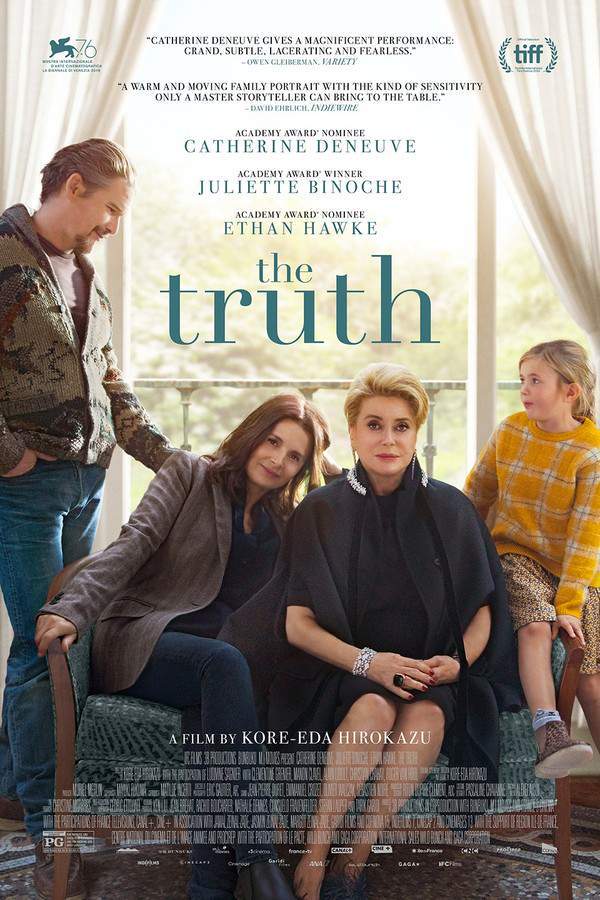
The Truth (2020) movie poster

Characters & Themes

The Truth (2020) Characters, Setting & Themes Explained

Release, runtime and language
2020 · 106 min · French
Echo score 78
Loading streaming availability…
Starring
Catherine Deneuve, Alain Libolt, Christian Crahay, Clémentine Grenier
Budget
$5.9M

A renowned French actress, Fabienne Dujardin, finds her life and career scrutinized when her memoirs are published. This sparks a complex and emotionally charged conflict with her daughter, Lumir. As Fabienne revisits her past, her vulnerabilities are exposed, while Lumir grapples with her own uncertainties and reservations. The story explores their intricate relationship and the bittersweet nature of family history and legacy.

On this page (8)
  1. 1 Where to watch
  2. 2 Characters explained (5)
  3. 3 Where & when it takes place
  4. 4 Themes & meaning (3)
  5. 5 Character & meaning questions
  6. 6 Movie threads
  7. 7 Movies like The Truth
  8. 8 Every angle
Loading streaming availability…

5 main characters · contains spoilers

The Truth Characters Explained: Who Is Who

The main characters of The Truth (2020), heroes and villains: what drives them, how they change over the course of the story and what each of them reveals about the film's bigger ideas.

  • Fabienne Dangeville (Catherine Deneuve)

    Fabienne is a celebrated French actress, both revered and scrutinized for her artistic legacy. Her complexity lies in her dichotomous nature as a mother; she grapples with her past decisions and their lingering effects on her daughter, Lumir. Her journey encapsulates a clash between pride and vulnerability as she navigates her identity and familial ties.

    • 🎬 Actress
    • 💔 Complexity
    • 🎭 Fame
  • Lumir (Juliette Binoche)

    Lumir is a talented screenwriter grappling with her relationship with her mother, Fabienne. Throughout the film, she embodies a voice of reason, pushing for honesty and confronting the painful truths of their past. Her determination to understand and mend the fractured bond speaks to her strength and resilience.

    • ✍️ Screenwriter
    • 💪 Resilience
    • 🐍 Confrontation
  • Luc Garbois (Alain Libolt)

    Luc is Fabienne's manager, often navigating the complexities of artistic production while trying to maintain his relationship with Fabienne. He is an enlightening presence, providing insight into Fabienne's career while also revealing the toll it takes on personal connections.

    • 📈 Manager
    • 🎬 Insight
    • 🧙‍♂️ Support
  • Charlotte (Clémentine Grenier)

    Charlotte is the inquisitive granddaughter who brings a lightness to the family dynamics. Her fascination with magic and storytelling highlights the innocence and curiosity that often contrasts the heavier themes explored by the adults. Charlotte embodies the hope for reconciliation among the family members.

    • 👧 Innocence
    • 🎩 Curiosity
    • 🌟 Hope
  • Jacques (Christian Crahay)

    Jacques is Fabienne's current husband, who participates in family gatherings with a sense of nurturing. He balances the tensions of family life with care, often trying to provide a sense of normalcy amid the chaos surrounding Fabienne's past and present.

    • 🍽️ Caregiver
    • 🙇‍♂️ Supportive
    • 😊 Normalcy

Last updated: October 22, 2024 at 18:56

Was this helpful?

Setting

Where and When Does The Truth Take Place?

The setting of The Truth (2020): the year and time period, the places and locations, and how they shape the characters, the mood and the tension of the story.

Time period

Contemporary

The events unfold in a contemporary setting, reflecting modern family dynamics, artistic endeavors, and the impact of technology on personal relationships. This era is characterized by rapid change, both in the film industry and in societal expectations, further complicating the lives of the characters.

Location

France, Paris

The movie takes place primarily in Paris, a city renowned for its rich history, artistic heritage, and vibrant culture. Known as the 'City of Light,' Paris serves as a backdrop to the personal and familial conflicts explored in the narrative. The urban landscape is not just a setting but also symbolizes the complexities of relationships within a family of artists.

  • 🏙️ City
  • 🥖 Culture

Last updated: October 22, 2024 at 18:56

Was this helpful?

3 major themes

The Truth Meaning: Themes & Message Explained

What is The Truth (2020) really about? The emotional, social and philosophical themes the film keeps returning to, its symbolism and the message beneath the surface.

  • Family Dynamics

    The film intricately explores the theme of family dynamics, highlighting the complexities of relationships between mothers and daughters. Tension arises from past grievances and secrets that shape their interactions. Through confrontations and revelations, the characters are pushed toward understanding and forgiveness.

  • Art and Identity

    Art and its intersection with personal identity play a significant role in the narrative. The characters are constantly grappling with how their art reflects, distorts, or shapes their lives. Fabienne's legacy and her complex views on fame illuminate the pursuit of authenticity amid public perception.

  • Memory and Reflection

    Memory serves as a pivotal theme, with characters confronting their pasts and the narratives they choose to share. The discrepancies between Fabienne's memoir and real-life events provoke critical reflections on how memories shape identity and influence relationships.

Last updated: October 22, 2024 at 18:56

Was this helpful?

Character & theme questions

The Truth Characters & Meaning: Your Questions Answered

The questions people ask about The Truth (2020): who the characters really are, their relationships, what the symbols mean, where it takes place and what the movie is really about. Each answer contains spoilers.

Q1

Where is the movie set?

The film takes place primarily in Paris, France. The city serves as both a literal location and a symbolic backdrop representing artistic heritage and the complexities of family relationships among artists.

  • paris
  • france
  • setting
  • location
  • city of light
Q2

What time period does the story take place in?

The story unfolds in a contemporary, modern setting. It reflects current family dynamics, the evolving film industry, and how technology impacts personal relationships in today's world.

  • contemporary
  • modern era
  • time period
  • present day
Q3

What are the main themes explored in the film?

The film explores three major themes: family dynamics between mothers and daughters, the intersection of art and personal identity, and the role of memory in shaping identity and relationships.

  • themes
  • family dynamics
  • art and identity
  • memory
  • meaning
Q4

How does the film handle mother-daughter relationships?

The film intricately examines the complex relationship between Fabienne and her daughter Lumir. Tension arises from past grievances and secrets, with confrontations pushing both characters toward understanding and forgiveness.

  • family
  • mother daughter
  • relationships
  • conflict
Q5

How is art portrayed in relation to personal identity?

Art and identity are deeply intertwined throughout the narrative. Fabienne's career and complex views on fame illuminate the pursuit of authenticity amid public perception, while characters grapple with how their art reflects or distorts their lives.

  • art
  • identity
  • fame
  • career
  • performance
Q6

Who is Fabienne Dangeville and what is her role?

Fabienne Dangeville is a celebrated French actress whose legacy and complex relationship with her daughter Lumir form the emotional core of the film. She grapples with her past decisions as a mother and navigates the tension between her public persona and private vulnerabilities.

  • fabienne
  • actress
  • mother
  • main character
Q7

Who is Lumir and what motivates her?

Lumir is a talented screenwriter who returns to confront her mother about the truths in Fabienne's memoir. She serves as a voice of reason, pushing for honesty and seeking to understand and mend their fractured bond.

  • lumir
  • screenwriter
  • daughter
  • motivation
Q8

How does memory function as a theme?

Memory plays a pivotal role as characters confront their pasts and the narratives they choose to tell. The discrepancies between Fabienne's memoir and actual events provoke critical reflections on how memories shape identity and influence family relationships.

  • memory
  • memoir
  • past
  • recollections
  • truth
Q9

Who is Charlotte in the film?

Charlotte is Fabienne's granddaughter who brings innocence and curiosity to the family dynamics. Her fascination with magic and storytelling provides a lightness that contrasts with the heavier themes explored by the adults, representing hope for reconciliation.

  • charlotte
  • granddaughter
  • innocence
  • future generation
Q10

Why is Paris an important element of the story?

Paris, known as the 'City of Light,' is more than a setting, it symbolizes the artistic world Fabienne embodies. The urban landscape reflects the complexities of relationships within a family of artists and represents the tension between public legacy and private truth.

  • paris symbolism
  • city of light
  • artistic heritage
  • backdrop
Q11

What is the overall tone and emotional feel of the film?

The film has a melancholic yet hopeful tone. It deals with serious themes of familial neglect and grief but moves toward a bittersweet resolution with tearful reconciliation and a glimmer of hope, rather than remaining bleak.

  • tone
  • melancholy
  • bittersweet
  • emotional
  • catharsis
Q12

What is the film's narrative structure?

The film employs a film-within-a-film structure that parallels the main characters' lives. This adds layers to the themes of performance versus reality, as the characters navigate between their true selves and the roles they play.

  • narrative structure
  • film within film
  • meta
  • performance vs reality

Movie threads

More Movies Like The Truth, by Mood & Story

Curated lists built around what makes The Truth tick: the same mood, the same kind of story or the same emotional payoff. Each list explains why these movies belong together.

Quietly intense mother-daughter dramas like The Truth

Stories where family history and unspoken truths fracture the bond between a mother and daughter. For viewers seeking more movies like The Truth, this list features powerful, character-driven dramas exploring the intricate and often strained bonds between mothers and daughters. These films share a focus on emotional truth, family legacy, and the bittersweet journey of reconciliation.

  • family drama
  • confrontational
  • cathartic
  • introspective
  • tense
  • emotional
  • Tone: melancholic, cathartic, confrontational
  • Pacing: slow, reflective, dialogue-driven
Why these movies?

The story pattern: The narrative pattern often involves a catalyst—a reunion, a publication, or a crisis—that forces a mother and daughter to confront their shared but differently remembered past. The story unfolds through intimate conversations and reflective moments, revealing layers of resentment, envy, and love, typically moving toward a cathartic but imperfect resolution.

Why they belong together: These films are grouped together because they share a specific emotional core: the examination of the mother-daughter dynamic with a melancholic yet cathartic tone. They prioritize character depth over plot twists, using a slow, deliberate pace to let the emotional tensions simmer and eventually surface.
Reflective dramas about artists and legacies like The Truth

Films exploring the personal costs of artistic life and the truths hidden behind public personas. If you liked The Truth's exploration of an actress confronting her past, you'll appreciate these movies about artists examining their lives and work. These films delve into the intersection of performance, memory, and personal truth, often with a melancholic and introspective mood.

  • introspective
  • melancholic
  • reflective
  • artistic
  • bittersweet
  • emotional
  • Tone: melancholic, introspective, bittersweet
  • Pacing: slow, steady, contemplative
Why these movies?

The story pattern: The narrative follows an established artist who is prompted to look back on their life and career, often through a memoir, an interview, or a new project. This introspection forces them to confront regrets, rivalries, and the ways their artistry has shaped—or damaged—their closest relationships, leading to a reevaluation of what truly matters.

Why they belong together: Movies in this thread share a focus on the interior life of the artist, blending themes of performance versus reality, professional envy, and the bittersweet nature of looking back. They create a cohesive experience through their melancholic tone, moderate complexity, and emphasis on emotional revelation over external drama.

If you liked this

Movies Like The Truth

Similar movies to The Truth: the same genre, themes or kind of story. Each one comes with its own plot summary, timeline and ending explained.

Browse all movie summaries

Every angle

The Truth (2020) Explained: Plot, Ending, Timeline & Characters

Everything about The Truth in one place: what happens in the plot summary, the timeline in chronological order, the characters and meaning, the ending explained and a spoiler-free summary. What's After the Movie adds the cast, box office and post-credit scenes.

Coming soon on iOS and Android

The Plot Explained Movie Summary App

Plot summaries, endings explained and timelines on your phone. Catch up on any movie in minutes, save your favorites and never miss a twist again.

Be the first to know when we launch. Your email stays private, always.

Learn more about the app