Plot Explained Spoilers guaranteed!
Plot Explained

Browse by genre

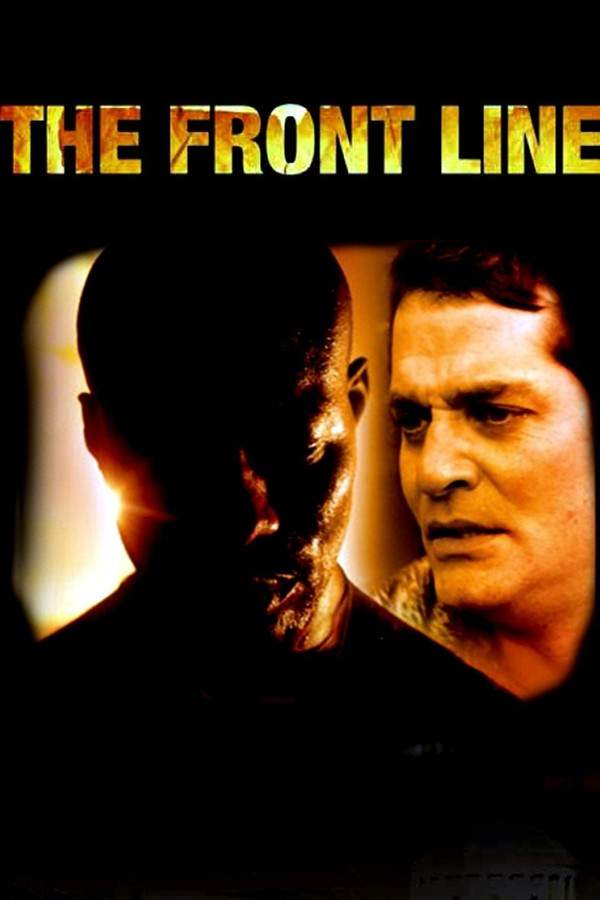
The Front Line (2012) movie poster

Plot Summary

The Front Line (2012) Plot Summary Explained

Release, runtime and language
2012 · 133 min · English
JustWatch #13,127 2
Directed by
Hun Jang
Starring
Ha-kyun Shin, Chang-Seok Ko, Je-hoon Lee, Seung-su Ryu, Soo Go

As armistice negotiations falter, a brutal stalemate grips the eastern front in Korea. During the intense fighting, a South Korean commander is tragically killed, and his body is mistakenly riddled with friendly fire. A relentless investigator is sent to determine the circumstances surrounding his death, navigating a web of suspicion and danger to uncover whether it was a devastating accident or a deliberate act of sabotage.

On this page (6)
  1. 1 Where to watch
  2. 2 What happens: full plot
  3. 3 Plot questions answered
  4. 4 Movie threads
  5. 5 Movies like The Front Line
  6. 6 Every angle

Where to watch

Where to Watch The Front Line (2012)

Where can you watch The Front Line? Stream, rent or buy it in the US, including on Amazon Prime Video, Hi-YAH and Hoopla: current JustWatch availability with up-to-date prices.

Streaming availability powered by JustWatch

Full plot summary · contains spoilers

What Happens in The Front Line: Full Plot Summary

The whole story of The Front Line (2012) explained, from the opening scene to the final frame: every key event, every twist and what it all adds up to. Read it as a quick recap before the sequel, to check a scene you missed, or to finally understand what really happened.

Early in the Korean War, around 1950, the North Koreans push south and two South Korean privates, Kang Eun-pyo and Kim Soo-hyeok, are captured during a skirmish and brought before a North Korean captain, Jung-yoon. He declares that the war will be over in a week and hints at knowing exactly why the fighting continues, then releases the prisoners so they can help rebuild the nation once the fighting ends.

Fast forward to 1953, and the war rages on despite ceasefire talks. The fighting fluctuates across the hills along the 38th Parallel, with both sides treating these high ground positions as bargaining chips to be grabbed and held as negotiations grind on. The air is thick with tension, and the lines are porous enough that even the negotiators can misjudge who controls what.

Amid the relentless fighting, a South Korean officer commanding the “Alligator” Company is found dead from a Southern bullet on the Aerok Hills. Eun-pyo, now a First Lieutenant with the Counterintelligence Corps, is sent to investigate and root out a suspected mole who has been routing letters from Northern troops into the South.

Eun-pyo reaches the front with Captain Jae-oh, a replacement commander, and new recruit Nam Seong-shik. The front-line world shakes his assumptions: Captain Young-Il, a capable fighter, is hampered by morphine dependence; soldiers wear captured enemy uniforms and speak with Communist undertones; war orphans live among them; and the camp bears a creeping sense of fatigue and fragility. The shadow of Eun-pyo’s past friendship with Soo-hyeok resurfaces as the latter appears again, now as a First Lieutenant who has transformed into a ruthless, capable platoon leader. The unit bears silent scars from a prior incident in Pohang, a memory that haunts them all.

Jung-yoon, the former captor, turns out to lead North Korean forces against them, a veteran stretched to the edge by the war. Captain Jae-oh impresses no one with his disregard for the experience of veteran officers, and tactical missteps begin to accumulate. Eun-pyo is stunned when he witnesses Soo-hyeok kill surrendered North Koreans in a raid, a moment that crystallizes the moral quagmires the men face. Yet Soo-hyeok helps retake the hill from the North, and the unit bands together again.

In a hidden cave, the soldiers uncover a long-forgotten mail-and-gift exchange system between the sides—a relic from when the South had controlled the cave and its stash. The gift box becomes a powerful symbol of the ties that bind and bind them to their humanity, a quiet counterpoint to the violence outside. The veterans urge Eun-pyo to keep their fraternization secret, even as the war rages on around them.

Winter yields to summer, but the fighting refuses to fade. A patrol results in Seong-shik being shot by the feared Communist sniper known as “Two Seconds.” Eun-pyo fights to save him, but Soo-hyeok orders him to retreat and lure the artillery. Eun-pyo pursues the sniper alone, eventually subdues the shooter only to discover the killer is a female North Korean soldier named Cha Tae-kyeong, who grieves the death of Seong-shik and disappears with a heavy heart. The confrontation exposes Soo-hyeok’s cold pragmatism and raises questions about loyalty and humanity, especially when he mocks a disabled child living in the camp. Their disagreement crystallizes into a deeper rift as the unit’s discipline is reimposed and memories of Pohang’s disaster echo through the ranks.

The truth behind the Pohang catastrophe finally surfaces: the company had to abandon many comrades to survive, and some had to be killed to stay afloat. The veteran who survived the rout is punished with a dishonorable discharge, while the orphans are evacuated and Soo-hyeok and Young-il work to restore order and morale.

Chinese forces return with brutal mass assaults on the Aerok Hills. Jae-oh buckles under the pressure and refuses to retreat, even as his subordinates beg for it. Soo-hyeok shoots Jae-oh in front of Eun-pyo, assumes command alongside Young-il, and steers the company to safety. Recognizing the danger he faces, Eun-pyo confronts Soo-hyeok over the murders of Jae-oh and the prior commander, but Soo-hyeok defends their replacements as necessary for the company’s survival. Soon after, Soo-hyeok is struck down by the same “Two Seconds” sniper, delivering a devastating blow to Eun-pyo and the others.

After the fighting, an armistice is signed, and celebrations are muted at best. On a stream, North and South soldiers exchange tense glances and then bid each other a quiet farewell. Yet the armistice’s timing remains uncertain, and both sides are ordered to press their advantage for twelve more hours to shape the final border. The remnants of Alligator Company gather on Aerok Hill as fog rolls in. Captain Shin Young-il explains that American air strikes will hit the hill first, and the troops will charge in to capitalize on the bombardment. They are exhausted and emotionally raw, with a hollow resolve that aches in their bones.

In the gloom, the North Koreans begin to sing the same song Seong-shik used to sing for the boys, a moment that sparks a shared memory and a flutter of humanity on both sides. When the fog lifts, battle erupts in full force, and the ground becomes a grueling, brutal slaughter where every life seems to hinge on one misstep or one last breath. Gi-Yeong’s unit encounters Seon-chil on the hill, and a fierce scramble ends with Gi-Yeong striking Seon-chil with a helmet. A moment later, a stray American air-strike bomb devastates the battleground, killing Young-il with the blast and injuring Eun-pyo and others. In a stark turn of fate, Jung-yoon, the North Korean commander, passes by and faces Young-il, ending his own life as Young-il sinks to the ground, both men locked in a final, exhausted confrontation.

The two survivors, Eun-pyo and Jung-yoon, meet in the cave where the gift box once resided. Eun-pyo asks why they fight, and Jung-yoon answers that he once knew but has forgotten. The radio crackles with news that the armistice is in effect, and both men laugh at the absurdity of their fate. They share a smoke, the moment strangely intimate in its quietness, before Jung-yoon dies from his wounds.

The film closes on a shell-shocked Eun-pyo walking alone down the devastated, blood-soaked hill, the bodies of fallen soldiers surrounding him, and the ultimate fate of Aerok Hill left unknown.
Last updated: October 09, 2025 at 16:17

Was this helpful?

Plot questions answered

The Front Line Plot Explained: Your Questions Answered

The questions people ask most about The Front Line (2012): what happens in the confusing scenes, why the characters do what they do, the twists, hidden details and what the ending means. Each answer contains spoilers.

Q1

Why did Jung-yoon release the Korean prisoners at the start of the war?

North Korean Captain Jung-yoon releases Kang Eun-pyo and Kim Soo-hyeok early in the war, declaring it will end within a week and hinting he knows exactly why the fighting continues. He wants them to help rebuild the nation once the war ends, suggesting he viewed the conflict as a brief ideological struggle rather than a prolonged stalemate. This act establishes a complex dynamic that resurfaces later when they meet as enemies.

Foreshadowing: Jung-yoon's early belief that the war would be brief foreshadows his later exhaustion and existential crisis by 1953.

  • jung-yoon
  • prisoners
  • release
  • reconstruction
Q2

How did the Alligator Company commander die?

The Alligator Company commander is found dead from a Southern bullet on Aerok Hills, killed by friendly fire during the brutal stalemate. This is the incident that triggers Eun-pyo's investigation to determine whether it was an accident or deliberate sabotage. The investigation reveals deep unit trauma and moral decay among the soldiers.

Foreshadowing: The commander's death foreshadows the moral compromises that will define the unit, including later killings of their own officers.

  • alligator company commander
  • friendly fire
  • death investigation
Q3

Why did Soo-hyeok kill the surrendered North Korean soldiers?

Kim Soo-hyeok, now a First Lieutenant and platoon leader, kills surrendered North Koreans during a raid, shocking Eun-pyo who witnesses the execution. This act demonstrates how the war has transformed Soo-hyeok into a ruthless commander willing to commit atrocities. He justifies it as practical survival in a morally broken environment where the line between combat and murder has dissolved.

Foreshadowing: Soo-hyeok's brutality foreshadows his later decision to shoot Captain Jae-oh and his cold prioritization of unit survival over ethical constraints.

  • soo-hyeok
  • surrendered soldiers
  • killing
  • atrocity
Q4

What was the Pohang incident that haunts the unit?

During a rout at Pohang, the company was forced to abandon many comrades to survive. Some soldiers were killed by their own unit to prevent the retreat from collapsing, a traumatic memory that haunts the veterans. The sole surviving veteran from that incident is later punished with a dishonorable discharge, leaving the unit marked by unresolved guilt and the stain of fratricide.

Foreshadowing: The Pohang incident establishes the unit's culture of brutal pragmatism that Soo-hyeok embodies and continues.

  • pohang
  • rout
  • fratricide
  • abandoned comrades
Q5

Why did Soo-hyeok shoot Captain Jae-oh?

As Chinese forces launch mass assaults on Aerok Hills, Captain Jae-oh cracks under pressure and refuses to order a retreat despite his subordinates' pleas. Soo-hyeok shoots Jae-oh in front of Eun-pyo, then assumes command alongside Young-il to lead the company to safety. He defends the killing as a necessary replacement for the unit's survival, arguing that weak leadership would doom them all.

Foreshadowing: This act completes Soo-hyeok's transformation from a decorated soldier to a man willing to kill his own officers for pragmatic reasons.

  • soo-hyeok
  • jae-oh
  • shooting
  • command
  • survival
Q6

Who is the sniper known as Two Seconds?

The feared Communist sniper nicknamed "Two Seconds" is revealed to be Cha Tae-kyeong, a female North Korean soldier. She shoots Nam Seong-shik during a patrol, and when Eun-pyo finally confronts and subdues her, he discovers she grieves Seong-shik's death before disappearing. Her identity exposes the human cost on both sides and the personal tragedies embedded in the conflict.

Foreshadowing: Cha Tae-kyeong's grief foreshadows the shared humanity that briefly emerges when both sides sing Seong-shik's song later in the film.

  • two seconds
  • sniper
  • cha tae-kyeong
  • female soldier
Q7

What happens to Jung-yoon at the end of the movie?

After the brutal final battle on Aerok Hill, Jung-yoon encounters the dying Young-il and ends his own life as Young-il sinks to the ground. The two surviving protagonists, Eun-pyo and Jung-yoon, later meet in the cave where they share a smoke and contemplate why they fought. When the armistice radio announces the ceasefire, Jung-yoon succumbs to his wounds, leaving Eun-pyo alone to walk the devastated hill.

Foreshadowing: Jung-yoon's final moments echo his 1950 statement about knowing why they fight, now hollowed by his admission that he has forgotten.

  • jung-yoon
  • death
  • armistice
  • cave
  • final confrontation
Q8

What is the significance of the cave gift box?

In a hidden cave, soldiers discover a mail-and-gift exchange system from when the South controlled the cave, representing a relic of humanity amid the violence. The gift box becomes a symbol of the connections between enemies that persist even during war. The veterans urge Eun-pyo to keep this fraternization secret, highlighting how war creates unintended human bonds that must remain hidden.

Foreshadowing: The cave becomes the site of the final meeting between Eun-pyo and Jung-yoon, where the gift box symbolizes their shared humanity.

  • cave
  • gift box
  • fraternization
  • mail exchange
  • humanity
Q9

Why does fighting continue after the armistice is signed?

Although an armistice is signed, it will not take effect for another twelve hours. Both sides receive orders to press their advantage during this window to shape the final border along the 38th Parallel. This creates a brutal final push where soldiers die in vain for territory that will soon become meaningless, emphasizing the war's absurdity.

Foreshadowing: The twelve-hour window leads to the final devastating battle and the deaths of Young-il and many others just before peace arrives.

  • armistice
  • twelve hours
  • final push
  • battle
  • ceasefire
Q10

What is the relationship between Eun-pyo and Soo-hyeok?

Kang Eun-pyo and Kim Soo-hyeok were both captured by Jung-yoon in 1950 and released together, establishing a deep friendship. By 1953, Eun-pyo has become a Counterintelligence Corps lieutenant investigating the commander's death, while Soo-hyeok has transformed into a ruthless platoon leader. Their past bond makes Soo-hyeok's moral decay especially painful for Eun-pyo to witness, creating a central tension throughout the film.

Foreshadowing: Their shared history explains why Eun-pyo is uniquely positioned to confront Soo-hyeok about his murders and why Soo-hyeok's death devastates him.

  • eun-pyo
  • soo-hyeok
  • friendship
  • former prisoners
  • transformation
Q11

Why is Eun-pyo alone at the end of the movie?

The film closes with Eun-pyo as one of only two survivors walking alone down the blood-soaked hill after Jung-yoon dies in the cave. The ultimate fate of Aerok Hill remains unknown. This solitude represents the ultimate cost of the war, Eun-pyo loses his friend Soo-hyeok, his enemy Jung-yoon, and countless comrades, leaving him shell-shocked amid the devastation.

Foreshadowing: This ending fulfills the film's bleak tone, showing that survival provides no resolution or redemption, only hollow victory.

  • eun-pyo
  • survivor
  • alone
  • devastated hill
  • ending

Movie threads

More Movies Like The Front Line, by Mood & Story

Curated lists built around what makes The Front Line tick: the same mood, the same kind of story or the same emotional payoff. Each list explains why these movies belong together.

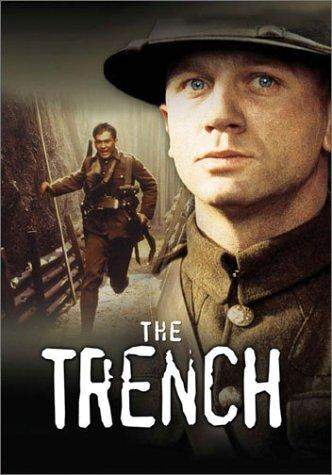
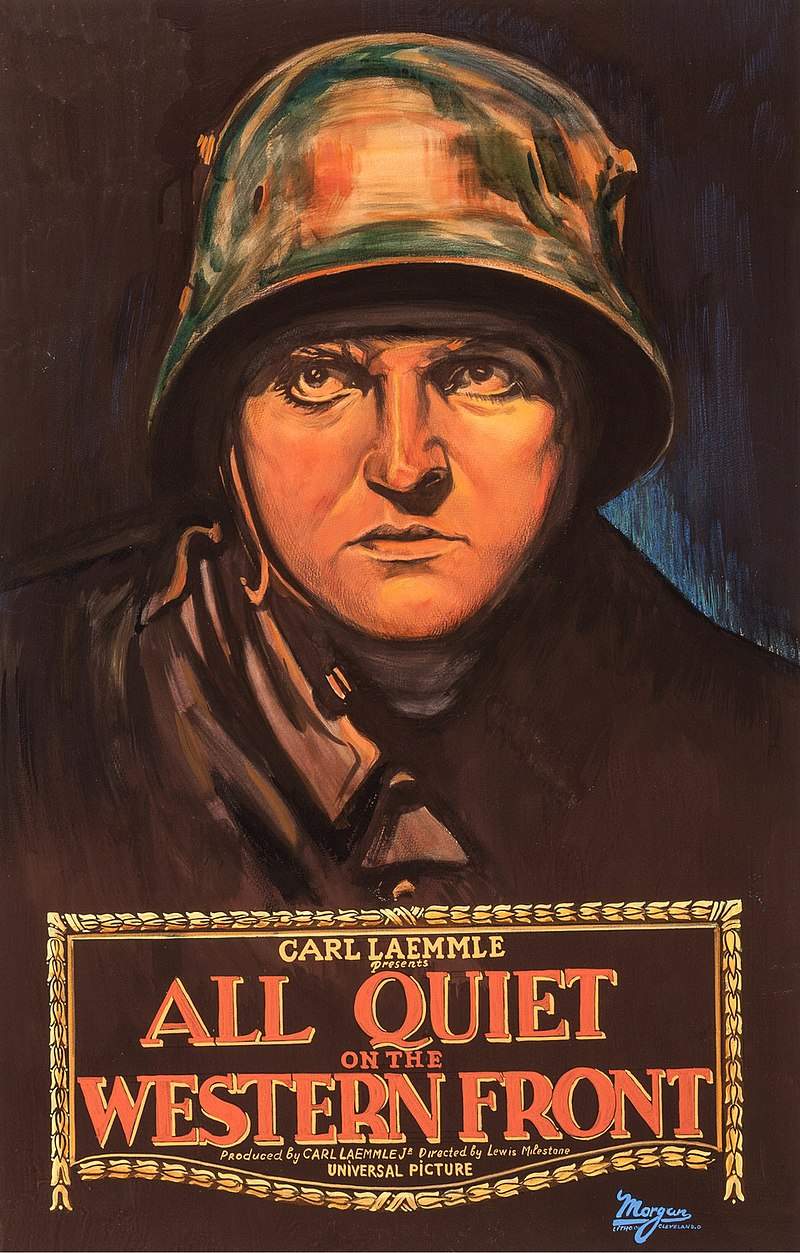
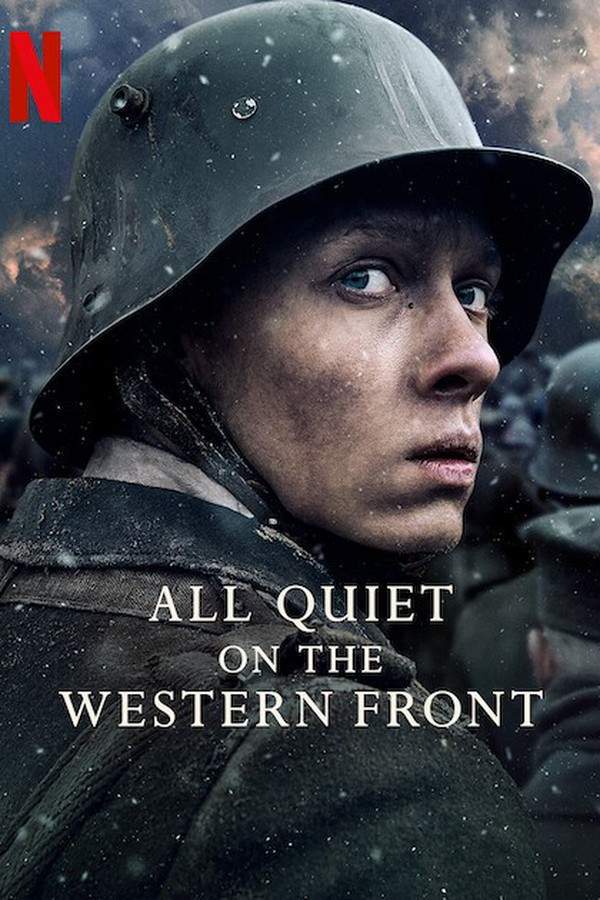
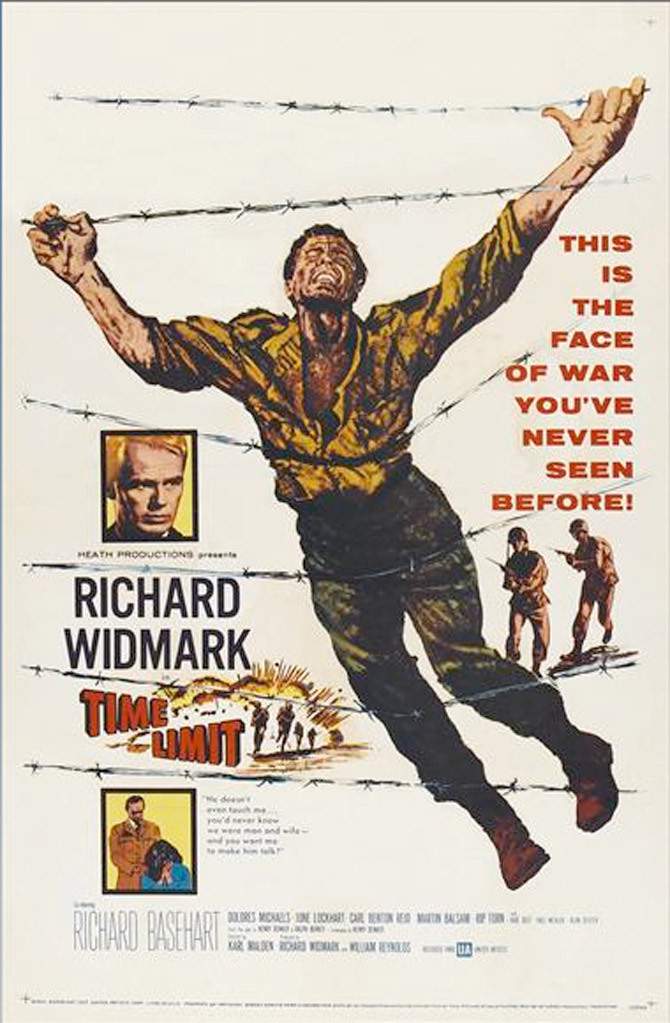
Movies about the futility of trench warfare like The Front Line

Stories of brutal stalemates where soldiers are consumed by a pointless conflict. If you were gripped by the brutal stalemate in The Front Line, explore these other war movies that depict the psychological horror and utter futility of trench warfare. Discover similar films where soldiers battle not just the enemy, but also despair and moral decay in a seemingly endless conflict.

  • brutal
  • grim
  • claustrophobic
  • desperate
  • exhausting
  • somber
  • Tone: bleak, desperate, grim
  • Pacing: steady, methodical
Why these movies?

The story pattern: Stories in this thread often center on a specific, strategically unimportant piece of land that becomes a symbol of the war's absurdity. Characters are worn down over time, not by dramatic battles, but by the relentless grind of attrition, poor conditions, and the realization that their sacrifices may be for nothing.

Why they belong together: These films are grouped together because they share a core focus on the specific type of horror found in static warfare. They create a powerful sense of claustrophobia and despair, emphasizing the dehumanizing conditions and the tragic waste of life, rather than glorious combat.

Movies about war trauma and psychological scars like The Front Line

Character studies focusing on the deep psychological scars left by combat. If the investigation into unit trauma and the psychological toll on soldiers in The Front Line resonated with you, these films offer similar deep dives into the aftermath of war. Find movies that explore moral injury, survivor's guilt, and the heavy cost of survival.

  • tragic
  • somber
  • psychological
  • melancholic
  • heavy
  • grim
  • Tone: bleak, melancholic, tragic
  • Pacing: steady, deliberate
Why these movies?

The story pattern: These narratives frequently use an investigative or reflective structure to peel back the layers of a traumatic event. The plot is secondary to the character study, as the journey is about understanding how war shatters individuals, corrupts their morals, and leaves them permanently altered.

Why they belong together: Movies here are connected by their primary focus on the internal landscape of soldiers rather than the external battlefields. They share a heavy emotional weight and a bleak tone, united in their examination of how combat erodes the soul and the difficult, often lonely, path of living with that damage.

If you liked this

Movies Like The Front Line

Similar movies to The Front Line: the same genre, themes or kind of story. Each one comes with its own plot summary, timeline and ending explained.

Browse all movie summaries

Every angle

The Front Line (2012) Explained: Plot, Timeline & Characters

Everything about The Front Line in one place: what happens in the plot summary, the timeline in chronological order, the characters and meaning and a spoiler-free summary. What's After the Movie adds the cast, box office and post-credit scenes.

Coming soon on iOS and Android

The Plot Explained Movie Summary App

Plot summaries, endings explained and timelines on your phone. Catch up on any movie in minutes, save your favorites and never miss a twist again.

Be the first to know when we launch. Your email stays private, always.

Learn more about the app