



Plot Explained Spoilers guaranteed!
Plot Explained

Browse by genre

The Sword of Doom (1966) movie poster

Timeline

The Sword of Doom (1966) Timeline Explained – Every Event in Order

Release, runtime and language
1966 · 122 mins · Japanese
JustWatch #8,734 1
Directed by
Kihachi Okamoto
Starring
Tatsuya Nakadai, Toshirô Mifune, Yûzô Kayama, Ichirô Nakatani, Kei Satô, Kamatari Fujiwara

The sword is the soul, and to understand the blade one must study the spirit that wields it. Ryunosuke, a talented yet amoral swordsman, plies his trade amid the chaotic final days of Shogunate rule, killing without remorse. His relentless pursuit of violence becomes a twisted way of life that spirals into madness, reflecting the desperate turmoil of a dying era.

On this page (6)
  1. 1 Where to watch
  2. 2 Events in order (14)
  3. 3 Timeline questions answered
  4. 4 Movie threads
  5. 5 Movies like The Sword of Doom
  6. 6 Every angle

Where to watch

Where to Watch The Sword of Doom (1966)

Where can you watch The Sword of Doom? Stream, rent or buy it in the US, including on Amazon Video, Apple TV Store and Fandango At Home: current JustWatch availability with up-to-date prices.

Streaming availability powered by JustWatch

14 events in order · contains spoilers

The Sword of Doom Timeline: Events in Chronological Order

Every key event of The Sword of Doom (1966) in order, scene by scene, with when and where it takes place. Use it to untangle flashbacks, time jumps and parallel storylines, to refresh your memory before the sequel or to find the exact scene you are thinking of.

  1. Killing of the elderly pilgrim

    Ryunosuke Tsukue is introduced by murdering an elderly Buddhist pilgrim who prays for death. The act reveals his cold, amoral nature and his lack of empathy for human suffering. This brutal opening establishes the tone for his ruthless path ahead.

  2. The unholy duel and coercion

    During a fencing match intended to be non-lethal, he defeats his opponent but then reveals the affair by coercing the opponent's wife to help him throw the match. The coercion turns the contest into a deadly duel and exposes Ryunosuke's manipulation and cruelty. The crowd remains unaware that honor has given way to domination.

    When
    during the match
    Where
    town fencing arena
  3. Rival discovers affair; lethal draw

    Upon learning of the affair, the husband vows divorce and confronts Ryunosuke after the match. In a drawn-out escalation, Ryunosuke delivers an illegal lunge and kills the opponent with a single stroke. The kill follows the official draw, underscoring Ryunosuke's disdain for rules.

    When
    immediately after the match
    Where
    fencing arena
  4. Flees town and slaughters followers

    After the killing, Ryunosuke flees the town, cutting down many of the slain man's clan members who pursue him. The violence marks the start of his long flight and escalating brutality. He disappears into the countryside as enemies close in.

    When
    immediately after the duel
    Where
    town outskirts
  5. Two years later: joins Shinsengumi

    Two years pass, and to make a living he joins the Shinsengumi, a group of rōnin aligned with the shogunate. He moves through violence with his usual emotional detachment, finding a harsh rhythm to his new life. His skills as a swordsman are reshaped into a tool for a brutal, state-sanctioned milieu.

    When
    two years after the earlier events
    Where
    Kyoto
  6. Life with mistress and child; emotional detachment

    He remains emotionally blank even at home with his mistress and their baby son. The relationship underscores his inability to connect on a human level, sustained by a life of violence. Everyday moments coexist with the constant undercurrent of lethal work.

    When
    during Shinsengumi years
    Where
    home with mistress
  7. Young brother seeks revenge

    The younger brother of the man Ryunosuke killed vows revenge and plans to meet him to settle the score. Ryunosuke prepares for a confrontation, his confidence steady but increasingly shadowed by the looming duel. The threat foreshadows a test of his claimed invincibility.

    When
    early during Shinsengumi period
    Where
    Kyoto
  8. Botched assassination reveals Toranosuke

    During a botched assassination attempt, Ryunosuke sees Shimada Toranosuke in action and for the first time doubts that his skill is unbeatable. That moment unsettles his confidence and foreshadows a turning point in his arc. The encounter challenges the myth of his invincibility.

    When
    night
    Where
    Kyoto
  9. Mistress’s murder in the gardens

    That same night, his mistress, horrified by his unremitting evil, attempts to kill him; he retaliates by murdering her in the gardens, while their sleeping child cries inside. The act deepens the sense of doom that haunts him. He flees rather than face the consequences of his choices.

    When
    the same night
    Where
    the gardens
  10. Return to Shimabara oiran house

    After the murder, he returns to the gang of assassins at an oiran house in the Shimabara district of Kyoto. The brothel becomes a field of sinister meetings and rituals, where he confronts his own unsettled state of mind. He moves deeper into a world of ghosts and blood.

    When
    later that night
    Where
    Shimabara district, Kyoto
  11. Ghosts and words haunt him

    In a quiet room within the brothel, he begins seeing the ghosts of all the people he has killed. Shimada's words echo: the sword is the soul; study the soul to know the sword; evil mind, evil sword. The haunting drives him toward a psychological collapse that blurs reality and memory.

    When
    after entering the brothel
    Where
    quiet room in the Shimabara brothel
  12. Revelation: pilgrim’s granddaughter

    He discovers that the apprentice oiran is the pilgrim's granddaughter—the very girl he murdered at the film's start. The revelation cracks his remaining defenses and accelerates his downward spiral. The cycle of violence and guilt reaches a concentrated point.

    When
    revelation moment
    Where
    Shimabara brothel
  13. Descent into madness and onslaught

    Driven by guilt and fury, he slashes at the shadows and then attacks his fellow assassins. The gang’s numbers dwindle as his violence grows unchecked, and the line between foe and kin dissolves. The room fills with chaos and the scent of burning tissue and fear.

    When
    late night
    Where
    courtesan house, Shimabara
  14. Final massacre and frozen ending

    Bleeding and enraged, he slashes through dozens of his enemies as the courtesan house burns around him. He lunges forward one last time, and the film ends with a freeze-frame of him mid sword slash. The boundary between hunter and haunted man collapses in a moment of final, unresolved fury.

    When
    final moment
    Where
    burning courtesan house

Last updated: October 09, 2025 at 11:20

Was this helpful?

Timeline questions answered

The Sword of Doom Timeline Explained: Your Questions Answered

When does it happen, and why in that order? The questions people ask about the chronology of The Sword of Doom (1966): time jumps, flashbacks, cause and effect between scenes and the correct order of events, each answered with spoilers.

Q1

Why does Ryunosuke kill the elderly pilgrim at the start of the film?

Ryunosuke kills the elderly Buddhist pilgrim who prays for death to demonstrate his complete lack of empathy and moral compass. This opening act establishes his amoral nature, he feels nothing when ending a defenseless life. The pilgrim represents human vulnerability and spiritual vulnerability, yet Ryunosuke treats him as nothing more than a target for his sword, setting the tone for his ruthless path throughout the story.

Foreshadowing: The pilgrim's death foreshadows the final revelation when Ryunosuke discovers the man's granddaughter, completing a cycle of violence he set in motion.

  • ryunosuke
  • pilgrim
  • killing
  • amoral
  • opening scene
Q2

Why does Ryunosuke force the opponent's wife to sleep with him during the fencing match?

Ryunosuke coerces the opponent's wife to manipulate the match outcome, demonstrating his willingness to destroy others for personal gain. By having her help throw the match, he turns what was meant to be a non-lethal contest into a situation where he can kill her husband while appearing wronged. This act reveals his cunning cruelty, he doesn't just defeat opponents, he psychologically destroys them by corrupting their personal relationships.

Foreshadowing: This manipulation directly leads to the husband's discovery of the affair, which escalates the confrontation into a deadly duel.

  • fencing match
  • coercion
  • affair
  • duel
  • manipulation
Q3

Why does Ryunosuke join the Shinsengumi after fleeing town?

Ryunosuke joins the Shinsengumi as a practical matter, he needs to survive and the group accepts ronin with violent skills regardless of their morality. The Shinsengumi operates as a semi-official police force that supports the Tokugawa shogunate through murder and assassination. For someone like Ryunosuke, who kills without emotional response, this role suits his nature perfectly. It provides purpose, income, and a steady supply of violence without requiring him to change his fundamental character.

Foreshadowing: His Shinsengumi tenure leads directly to encountering Shimada Toranosuke, the swordsman who first makes him question his own invincibility.

  • shinsengumi
  • ronin
  • kyoto
  • assassins
  • samurai
Q4

What makes Shimada Toranosuke different from other swordsmen Ryunosuke has faced?

Shimada Toranosuke represents the first true threat to Ryunosuke's belief in his own invincibility. During a botched assassination, Ryunosuke witnesses Shimada's skill and recognizes something in his technique that mirrors or exceeds his own ability. Shimada's admonition that "the sword is the soul" and "evil mind, evil sword" directly challenges Ryunosuke's purely technical approach to swordsmanship. For the first time, Ryunosuke confronts the possibility that his amoral blade may not be unmatched.

Foreshadowing: This encounter plants the psychological seed that eventually blossoms into full breakdown when combined with later revelations.

  • shimada toranosuke
  • master swordsman
  • soul
  • sword
  • skill
Q5

Why does Ryunosuke's mistress try to kill him in his sleep?

Ryunosuke's mistress attempts to kill him because she is horrified by his unremitting evil and cannot bear to live with a man who kills without conscience. She represents ordinary human morality reacting to his monstrous nature. The attempt occurs the same night he witnessed Shimada's superior skill, making it a psychological double blow, he sees that he may not be the greatest swordsman, and then learns that even someone close to him despises him enough to murder him. He kills her in response, adding another death to his growing list.

Foreshadowing: Her attempt and his subsequent murder intensify his isolation, pushing him further toward the psychological abyss.

  • mistress
  • assassination
  • garden
  • murder
  • betrayal
Q6

Why does discovering the pilgrim's granddaughter cause Ryunosuke's complete breakdown?

The revelation that the apprentice oiran sent to entertain him is the granddaughter of the elderly pilgrim he murdered at the film's beginning represents the collapse of Ryunosuke's psychological defenses. This moment connects his first act of senseless violence to his present reality in the most direct way possible, he destroyed her grandfather, used her grandmother's profession as a brothel, and now circles back to face the consequences of that original sin. The cyclical nature of violence closes in on him, and this recognition shatters whatever remaining grip on reality he possessed.

Foreshadowing: This revelation comes after he has already begun seeing the ghosts of his victims, making it the final psychological blow that triggers his frenzied rampage.

  • pilgrim
  • granddaughter
  • oiran
  • breakdown
  • cycle of violence
Q7

What does the phrase "the sword is the soul" mean in the film?

"The sword is the soul" represents the film's central philosophical idea: a swordsman's weapon reflects their inner nature. Shimada teaches that "evil mind, evil sword", meaning Ryunosuke's amoral, ruthless approach to killing has corrupted not just his soul but the very essence of his swordsmanship. Despite his technical skill, his blade carries the weight of his cruelty. This concept explains why Ryunosuke ultimately unravels, his sword cannot save him because his soul was already lost the moment he began killing without conscience.

Foreshadowing: This philosophy directly predicts Ryunosuke's fate: a corrupted soul produces a corrupted outcome, culminating in his hallucinatory collapse.

  • sword
  • soul
  • philosophy
  • shimada
  • corruption
Q8

Why does Ryunosuke start seeing the ghosts of people he killed?

Ryunosuke begins seeing ghosts after returning to the Shimabara brothel, as psychological guilt manifests visually. The haunting begins in a quiet room where he confronts the cumulative weight of his violence. These apparitions represent his subconscious processing the hundreds of deaths he has caused, people he killed without emotion now returning to claim his sanity. Combined with his encounter with Shimada's superior skill and the guilt from killing his mistress, his mind can no longer contain the trauma, and it erupts into hallucinations.

Foreshadowing: The ghosts foreshadow the complete breakdown that follows, as his mental state deteriorates from emotional detachment to full psychosis.

  • ghosts
  • hallucinations
  • guilt
  • psychological breakdown
  • brothel
Q9

Why does Ryunosuke attack his fellow Shinsengumi assassins at the brothel?

Ryunosuke attacks his fellow assassins because the psychological pressure from seeing ghosts and the revelation about the pilgrim's granddaughter shatters his last remaining grip on reality. He lashes out at everyone around him, unable to distinguish between friend and foe. His violence becomes uncontrollable, he slashes at shadows, then at the gang members themselves. The boundary between hunter and hunted collapses entirely, and he kills dozens of his own comrades in a frenzied onslaught that marks his complete descent into madness.

Foreshadowing: This attack represents the final stage of his transformation from cold, controlled killer to completely unhinged monster.

  • assassins
  • massacre
  • frenzy
  • shinsengumi
  • brothel
Q10

What does the ending freeze-frame of Ryunosuke mid-sword-slash signify?

The ending freeze-frame captures Ryunosuke in his final act of futile violence, a man who has destroyed everything and everyone around him, now trapped in an endless moment of aggression. The film intentionally provides no resolution or redemption; he remains caught mid-slash, eternally attacking, eternally trapped in the cycle of violence that defined his existence. The burning brothel around him symbolizes the destruction he leaves in his wake, while the freeze-frame suggests his madness will never resolve into peace or judgment.

Foreshadowing: The unresolved ending reflects the film's bleak philosophy: Ryunosuke's path leads only to perpetual motion without meaning or salvation.

  • ending
  • freeze frame
  • massacre
  • cycle of violence
  • bleak conclusion

Movie threads

More Movies Like The Sword of Doom, by Mood & Story

Curated lists built around what makes The Sword of Doom tick: the same mood, the same kind of story or the same emotional payoff. Each list explains why these movies belong together.

Movies about moral collapse like The Sword of Doom

Stories charting a character's irreversible fall into amorality and madness. If you liked watching Ryunosuke's descent in The Sword of Doom, explore these other movies about characters spiraling into amorality and psychological ruin. These films share a bleak tone and heavy emotional weight, focusing on irreversible moral decay in stories like crime dramas and character studies.

  • nihilistic
  • grim
  • unsettling
  • psychological
  • oppressive
  • brutal
  • Tone: dark, bleak, unsettling
  • Pacing: steady, methodical
Why these movies?

The story pattern: These narratives typically follow a linear or escalating path where a character's defining flaw—such as ambition, nihilism, or revenge—consumes them. The plot is driven by a series of consequential choices that lead to increasingly dire outcomes, culminating in a bleak resolution that offers no redemption, only the consequences of a corrupted soul.

Why they belong together: Movies are grouped here for their shared focus on a protagonist's internal and moral deterioration. They connect through a consistently dark tone, steady pacing that methodically builds the fall, and a heavy emotional weight derived from witnessing a character's loss of humanity.

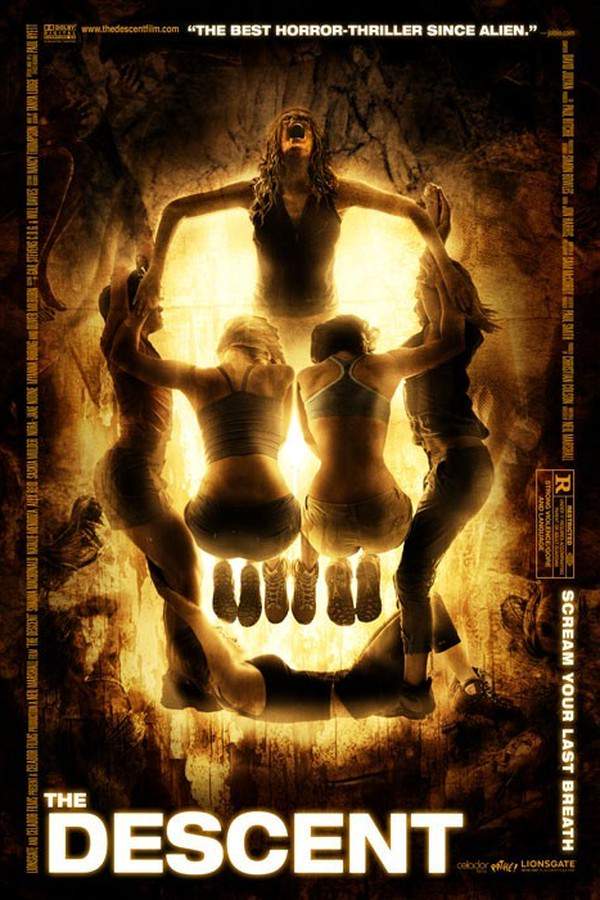
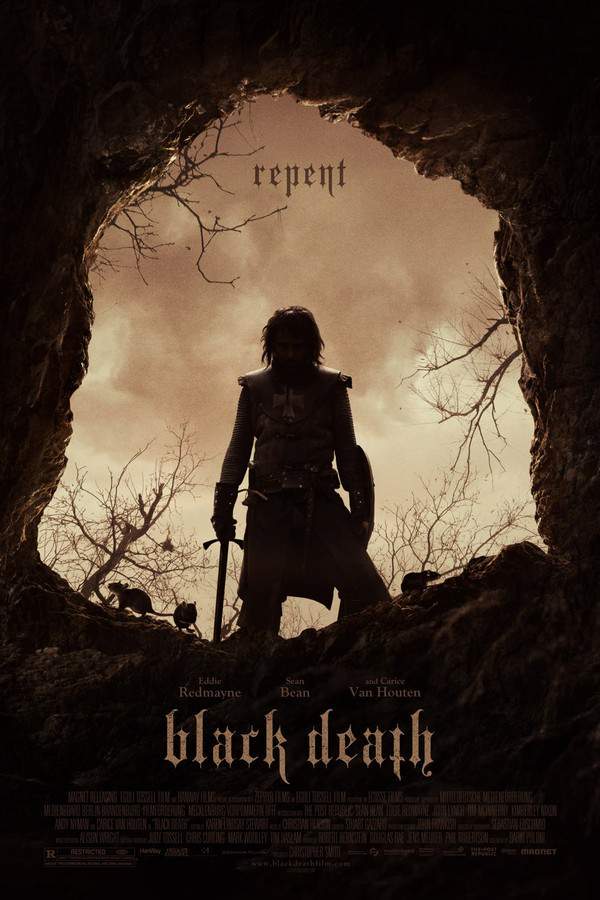
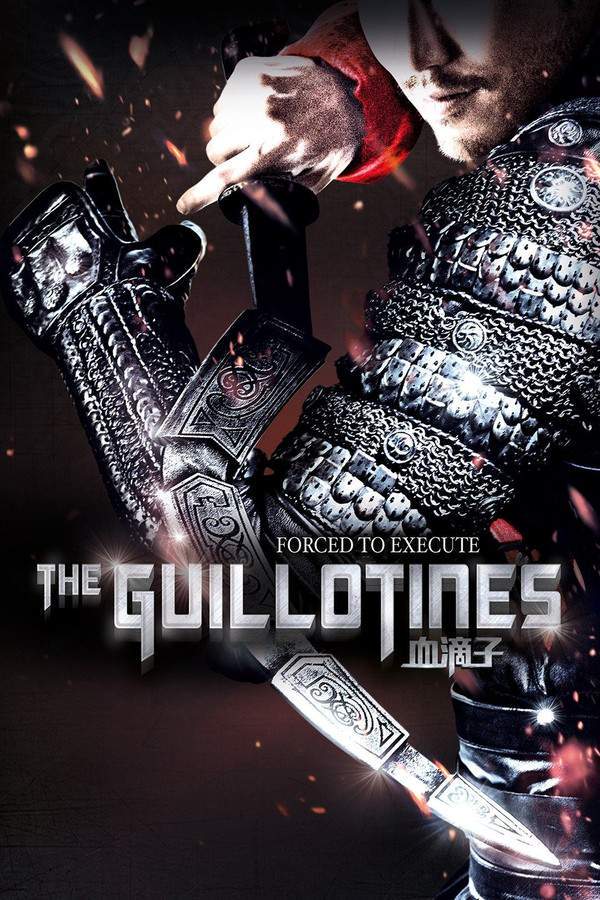
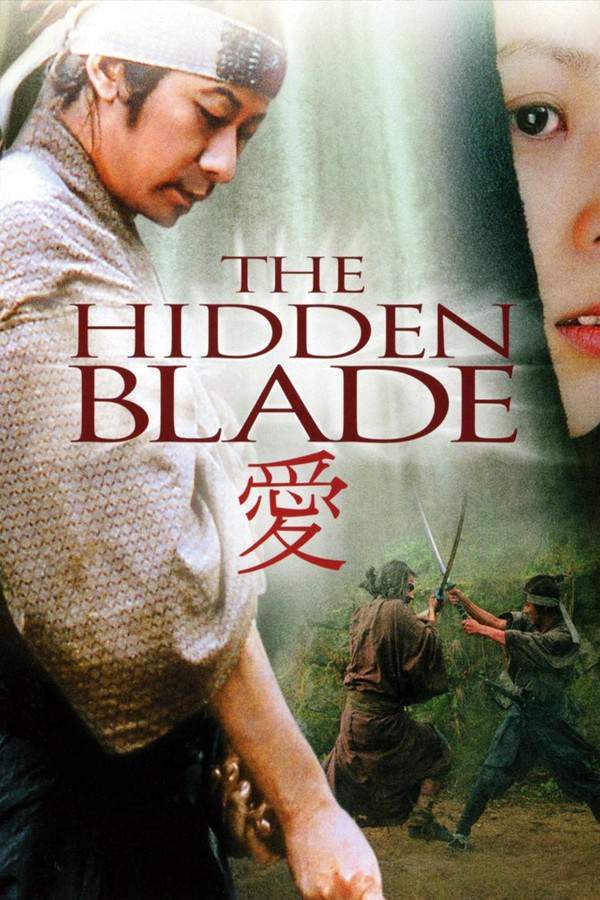
Grim historical action movies like The Sword of Doom

Historically set tales where violence reflects a decaying world. Fans of the oppressive atmosphere and historical violence in The Sword of Doom will find similar movies here. These films are set in tumultuous past eras and use intense combat to explore themes of moral decay, nihilism, and the brutality of their time, much like samurai and epic dramas.

  • atmospheric
  • brutal
  • oppressive
  • grim
  • tense
  • historical
  • Tone: dark, oppressive, atmospheric
  • Pacing: steady, immersive
Why these movies?

The story pattern: Stories in this thread are often set during times of great social upheaval—like the fall of a shogunate or a war-torn era—where the constant threat of violence shapes the characters' lives. The narrative uses the historical context to amplify themes of honor, betrayal, and the futility of violence, creating a world that feels authentically harsh and unforgiving.

Why they belong together: These films are united by their combination of a detailed historical setting, a consistently dark and oppressive mood, and violence that is both visceral and thematic. The pacing is often steady, building a world where brutality is a way of life, leading to emotionally heavy conclusions.

If you liked this

Movies Like The Sword of Doom

Similar movies to The Sword of Doom: the same genre, themes or kind of story. Each one comes with its own plot summary, timeline and ending explained.

Browse all movie summaries

Every angle

The Sword of Doom (1966) Explained: Plot, Timeline & Characters

Everything about The Sword of Doom in one place: what happens in the plot summary, the timeline in chronological order, the characters and meaning and a spoiler-free summary. What's After the Movie adds the cast, box office and post-credit scenes.

Coming soon on iOS and Android

The Plot Explained Movie Summary App

Plot summaries, endings explained and timelines on your phone. Catch up on any movie in minutes, save your favorites and never miss a twist again.

Be the first to know when we launch. Your email stays private, always.

Learn more about the app