Plot Explained Spoilers guaranteed!
Plot Explained

Browse by genre

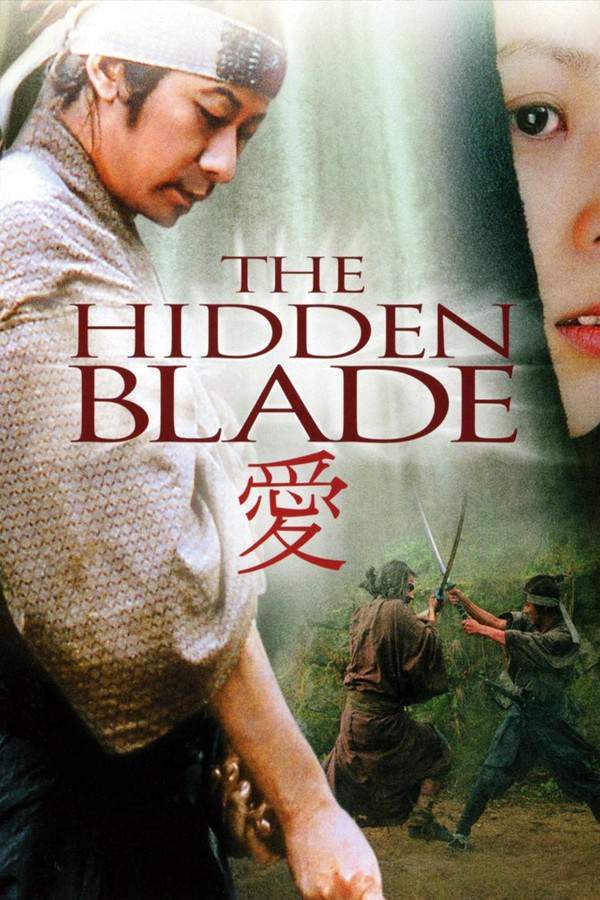
The Hidden Blade (2006) movie poster

Plot Summary

The Hidden Blade (2006) Plot Summary Explained

Release, runtime and language
2006 · 132 min · Japanese
Directed by
Yôji Yamada
Starring
Masatoshi Nagase, Takako Matsu

During feudal Japan, samurai Munezo Katagiri grapples with conflicting desires and rigid traditions. He finds himself drawn to his family's maid, Kie, initiating a forbidden romance he knows is unsustainable. Torn between personal longing and duty, Munezo must also confront his own mortality and learn the intricacies of artillery to challenge his former friend, Yaichiro, in a decisive battle.

On this page (6)
  1. 1 Where to watch
  2. 2 What happens: full plot
  3. 3 Plot questions answered
  4. 4 Movie threads
  5. 5 Movies like The Hidden Blade
  6. 6 Every angle

Where to watch

Where to Watch The Hidden Blade (2006)

Where can you watch The Hidden Blade? Stream, rent or buy it in the US, including on Hoopla, Kanopy and Rakuten Viki: current JustWatch availability with up-to-date prices.

Streaming availability powered by JustWatch

Full plot summary · contains spoilers

What Happens in The Hidden Blade: Full Plot Summary

The whole story of The Hidden Blade (2006) explained, from the opening scene to the final frame: every key event, every twist and what it all adds up to. Read it as a quick recap before the sequel, to check a scene you missed, or to finally understand what really happened.

The narrative unfolds in Japan during the 1860s, a significant period marked by cultural consolidation. Two samurai, Munezo Katagiri, played by Masatoshi Nagase, and Samon Shimada (Hidetaka Yoshioka), bid farewell to their companion Yaichiro Hazama (Yukiyoshi Ozawa), who is set to serve in Edo (now Tokyo) under the local shogunate. Though this position is coveted, Katagiri expresses his unease about Yaichiro's character and foreshadows trouble when Yaichiro, already married, reveals his intention to indulge in Edo’s pleasures during his stay.

Later that evening, during a dinner gathering, Katagiri’s mother shares their family's ongoing financial struggles since the tragic death of her husband—a consequence of financial scandals tied to a construction project, leading him to commit ritual suicide. She hopes for a match between Samon and Shino (Tomoko Tabata), Katagiri’s sister. Also in attendance is Kie, brilliantly portrayed by Takako Matsu, the literate housekeeper of the Katagiri household. In a reflective voiceover, Katagiri hints at his deeper feelings for Kie, but soon confesses that around the time Shino weds Samon, Kie marries a man from the merchant class and departs from their lives.

As the years roll on, Katagiri faces personal tragedy with the death of his mother. While wandering the streets, he unexpectedly spots Kie, who is working in a kimono shop, assuring him of her well-being. However, Shino soon informs Katagiri that Kie has been subjected to relentless duties within her new family, essentially reduced to a slave, and her health is alarmingly fragile. Determined to help, Katagiri visits Mrs. Iseya (Sachiko Mitsumoto), Kie’s mother-in-law, only to find Kie in a state of delirium due to her illness. Fueled by rage, he confronts Kie’s husband to demand a divorce, bringing her back to his home to aid her recovery.

As the world around them evolves, Katagiri and his fellow samurai must adapt to Western fighting techniques, which the clan's elders scorn. News reaches them from Edo about a suppressed rebellion against the shogunate, with Yaichiro’s involvement raising alarms. Following a grim twist of fate, Yaichiro is returned to the village in chains, denied the honor of ritual suicide, and doomed to spend his days imprisoned. When the clan's chief retainer, Hori (Ken Ogata), demands that Katagiri identify those who supported Yaichiro, Katagiri resolutely refuses, standing by his samurai honor and facing dismissal from the clan.

Meanwhile, Kie regains her strength and returns to her duties as Katagiri's housekeeper. Though there is an undeniable bond between them, the constraints of their social classes loom large, compelling them to maintain a distance. However, due to escalating gossip, Katagiri decides to send Kie away to live with her father in the countryside. Shortly thereafter, Yaichiro escapes captivity and takes hostages from a family, prompting Hori to insist that Katagiri eliminate him.

Knowing that Yaichiro surpasses him in skill, Katagiri seeks wisdom from their former mentor (Min Tanaka), who has since become a farmer and imparts a risky tactic involving turning one's back on an opponent. When the time comes, Katagiri approaches the outskirts of the village, attempting to persuade Yaichiro to surrender. Yet, when Yaichiro rejects his pleas—blaming Hori and the leaders for their incompetence—an intense duel ensues. Katagiri manages to inflict a serious wound but as fate would have it, Yaichiro is ultimately gunned down by hidden soldiers in the woods. This ignoble death weighs heavily on Katagiri who knows it brings shame to samurai honor. Confronted by Yaichiro’s wife (Reiko Takashima), he learns of her desperate bargain with Hori, exchanging favors for false assurances of her husband’s safety. Bound by an oath of suicide should Yaichiro die, she tragically takes her own life.

Conflicted about his loyalties, Katagiri approaches Hori and reveals his suspicions, only to witness Hori’s brutal candor about the preceding chaos. Reckoning with the injustice faced by the Hazama family, Katagiri exacts revenge by plunging a thin blade into Hori's heart—a method referred to as “the hidden blade,” leaving nearly no evidence. He then pays his respects by burying the blade at the grave of the Hazamas, signifying his deepest regret, and renouncing his status as a samurai. Finally, seeking a different path, he resolves to become a tradesman and departs for the island of Ezo (modern-day Hokkaido). Before his departure, he visits Kie one last time, and with their social differences finally set aside, he proposes to her. Kie joyfully accepts, and the film concludes with the two hand in hand on a scenic hilltop, gazing toward their hopeful future together.

Last updated: November 15, 2024 at 20:05

Was this helpful?

Plot questions answered

The Hidden Blade Plot Explained: Your Questions Answered

The questions people ask most about The Hidden Blade (2006): what happens in the confusing scenes, why the characters do what they do, the twists, hidden details and what the ending means. Each answer contains spoilers.

Q1

Why does Katagiri intervene to save Kie from her marriage?

Katagiri intervenes because he learns from Shino that Kie is being treated as a slave in her new family, working relentlessly and her health deteriorating rapidly. Despite their class differences, he a samurai and she a former servant, his feelings for her compel him to confront her husband, demand a divorce, and bring her back to recover in his home. This act demonstrates his willingness to defy social conventions for someone he loves.

  • katagiri
  • kie
  • rescue
  • marriage
  • class differences
Q2

Why does Katagiri send Kie away to live with her father?

Katagiri sends Kie away because rumors begin spreading about their close relationship, and given their stark class differences, a samurai and a former servant, society deems their bond inappropriate. To protect Kie's reputation and avoid scandal, he decides she should live with her father in the countryside, though this decision clearly causes him immense pain.

Foreshadowing: Earlier, the film establishes their unspoken love through Katagiri's voiceover reflections on Kie.

  • katagiri
  • kie
  • gossip
  • social class
  • separation
Q3

Why does Katagiri refuse to name those who supported Yaichiro?

When Hori demands that Katagiri identify Yaichiro's supporters, Katagiri refuses out of unwavering samurai loyalty. Even though Yaichiro has been imprisoned for his failed rebellion, Katagiri refuses to betray those who stood by his former friend. This act of defiance costs him his position in the clan, but he maintains his honor by not cooperating with what he sees as unjust treatment.

  • katagiri
  • yaichiro
  • honor
  • loyalty
  • housing
Q4

How does Katagiri manage to wound Yaichiro in their duel?

Katagiri seeks guidance from their former mentor, who has become a farmer. The mentor teaches him a risky technique: turning one's back on the opponent, which creates an opening that confounds the enemy's expectations. During the duel, Katagiri employs this unexpected tactic, catching Yaichiro off guard and managing to inflict a serious wound, though Yaichiro is ultimately shot by hidden soldiers before the duel concludes.

  • katagiri
  • yaichiro
  • duel
  • mentor
  • technique
Q5

Why does Katagiri kill Hori with the hidden blade?

After witnessing the tragic consequences of Hori's manipulations, Yaichiro's ignoble death and his wife's suicide, Katagiri confronts Hori. Hori openly admits to orchestrating the injustice against the Hazama family. Consumed by a sense of justice and vengeance, Katagiri kills Hori using a thin blade called the 'hidden blade,' which leaves virtually no evidence. He then buries the blade at the Hazama family grave as a symbol of his regret.

  • katagiri
  • hori
  • revenge
  • hidden blade
  • justice
Q6

Why does Yaichiro's wife take her own life?

Yaichiro's wife commits suicide because of the samurai code of honor. She had made a bargain with Hori, exchanging favors for false assurances that her husband would be safe. When Yaichiro is killed, not in honorable combat but gunned down by hidden soldiers, she is bound by an oath to take her own life if her husband dies. This tragic choice reflects the rigid demands of bushido honor.

  • yaichiro
  • wife
  • suicide
  • bushido
  • honor code
Q7

Why does Katagiri renounce his status as a samurai?

After killing Hori with the hidden blade to avenge the injustice done to the Hazama family, Katagiri feels deeply conflicted. He has witnessed the tragic deaths of his friend Yaichiro and Yaichiro's wife, both of which he feels partly responsible for. Disillusioned with the samurai code that has caused so much suffering, he chooses to renounce his status and seek a different path as a tradesman, seeking personal freedom rather than continued adherence to a system he now sees as corrupt.

  • katagiri
  • samurai
  • renounce
  • freedom
  • new life
Q8

What does the mentor mean by turning your back on your opponent?

When Katagiri seeks guidance on how to defeat Yaichiro, who is more skilled than him, his former mentor teaches him a counterintuitive technique: deliberately turning one's back on the opponent. This seemingly vulnerable position actually creates confusion and an opening that an opponent anticipates differently. The mentor describes it as a risky tactic that can catch a more skilled swordsman off guard, which proves effective during Katagiri's duel with Yaichiro.

  • mentor
  • technique
  • swordsman
  • duel
  • strategy
Q9

Why does Kie accept Katagiri's proposal at the end?

Kie accepts Katagiri's proposal because by this point in the film, the social barriers that previously kept them apart have effectively dissolved. Katagiri has renounced his samurai status, Kie is no longer married to her merchant husband, and they are both free from the constraints of their rigid class system. Their love, which has been suppressed throughout the film by societal expectations, can finally be openly acknowledged, leading to their hopeful future together.
  • kie
  • katagiri
  • proposal
  • love
  • class barriers
Q10

Why is Yaichiro returned to the village in chains?

Yaichiro is returned in chains because he was involved in a failed rebellion against the shogunate in Edo. Rather than being allowed the honorable option of ritual suicide (seppuku), which would have been the traditional death for a disgraced samurai, he is captured and imprisoned. This represents a profound humiliation, being denied the chance to die with honor, instead being condemned to a slow, shameful death in captivity.

  • yaichiro
  • rebellion
  • shogunate
  • chains
  • prison
Q11

Why do Katagiri and Kie leave for Ezo together?

After renouncing his samurai status and proposing to Kie, Katagiri decides to leave for Ezo (modern-day Hokkaido) to start a new life as a tradesman. This journey represents a complete break from his past, he is abandoning the rigid feudal system that constrained both his duty and his heart. Kie accompanies him, suggesting they will build a life together away from the societal constraints that previously prevented their union.

  • katagiri
  • kie
  • ezo
  • new beginning
  • tradesman
Q12

Why is the hidden blade method significant?

The 'hidden blade' refers to a thin, almost invisible blade that Katagiri uses to kill Hori. Its significance lies in leaving virtually no evidence, no visible wound that would immediately reveal the cause of death. This method allows Katagiri to exact his revenge while minimizing the likelihood of being caught, though he ultimately confesses to Hori's murder anyway. He then buries the blade at the Hazama grave, using it as a symbolic offering of his regrets.

  • hidden blade
  • revenge
  • murder
  • evidence
  • symbolism

Movie threads

More Movies Like The Hidden Blade, by Mood & Story

Curated lists built around what makes The Hidden Blade tick: the same mood, the same kind of story or the same emotional payoff. Each list explains why these movies belong together.

Movies about forbidden romance like The Hidden Blade

Heartfelt stories of love that defies strict social codes and traditions. If you enjoyed the forbidden love story in The Hidden Blade, explore other movies where romance blossoms against impossible odds. These films feature characters torn between their hearts and the rigid expectations of their society, leading to deeply emotional and bittersweet journeys.

  • forbidden romance
  • melancholic
  • heartfelt
  • duty vs desire
  • social constraints
  • emotional sacrifice
  • Tone: melancholic, bittersweet
  • Pacing: steady, deliberate
Why these movies?

The story pattern: Stories in this thread follow characters who fall in love with someone from a different social class, background, or circumstance, creating a conflict with their family, community, or personal code of honor. The narrative explores the sacrifices, secret meetings, and ultimate price of pursuing a love that society deems unacceptable.

Why they belong together: These movies are grouped together because they share a core narrative of forbidden romance, a melancholic tone driven by impossible choices, and a significant emotional weight. They focus on the internal struggle between desire and duty, creating a powerful and relatable emotional experience for the viewer.

Samurai dramas about honor and change like The Hidden Blade

Stories of principled fighters grappling with duty and obsolescence. For viewers who liked the samurai themes in The Hidden Blade, this list features similar stories of honorable warriors navigating personal codes of conduct. These movies explore the tension between tradition and progress, often set against a backdrop of a society in transition.

  • samurai
  • honorable
  • melancholic
  • changing times
  • personal code
  • reflective
  • Tone: reflective, somber, honorable
  • Pacing: steady, character-driven
Why these movies?

The story pattern: The narrative pattern involves a skilled warrior whose strict moral code is tested by new technologies, shifting political alliances, or a personal crisis that forces them to question their purpose. The journey often culminates in a decisive confrontation that is as much about internal validation as it is about external victory.

Why they belong together: These films share a specific mood of reflective melancholy and a world built on codes of honor. They feature a steady, deliberate pace that allows for deep character study and explore themes of personal honor, duty, and the painful transition from an old era to a new one.

If you liked this

Movies Like The Hidden Blade

Similar movies to The Hidden Blade: the same genre, themes or kind of story. Each one comes with its own plot summary, timeline and ending explained.

Browse all movie summaries

Every angle

The Hidden Blade (2006) Explained: Plot, Timeline & Characters

Everything about The Hidden Blade in one place: what happens in the plot summary, the timeline in chronological order, the characters and meaning and a spoiler-free summary. What's After the Movie adds the cast, box office and post-credit scenes.

Coming soon on iOS and Android

The Plot Explained Movie Summary App

Plot summaries, endings explained and timelines on your phone. Catch up on any movie in minutes, save your favorites and never miss a twist again.

Be the first to know when we launch. Your email stays private, always.

Learn more about the app