



Plot Explained Spoilers guaranteed!
Plot Explained

Browse by genre

The Sword of Doom (1966) movie poster

Characters & Themes

The Sword of Doom (1966) Characters, Setting & Themes Explained

Release, runtime and language
1966 · 122 mins · Japanese
JustWatch #8,734 1
Directed by
Kihachi Okamoto
Starring
Tatsuya Nakadai, Toshirô Mifune, Yûzô Kayama, Ichirô Nakatani, Kei Satô, Kamatari Fujiwara

The sword is the soul, and to understand the blade one must study the spirit that wields it. Ryunosuke, a talented yet amoral swordsman, plies his trade amid the chaotic final days of Shogunate rule, killing without remorse. His relentless pursuit of violence becomes a twisted way of life that spirals into madness, reflecting the desperate turmoil of a dying era.

On this page (8)
  1. 1 Where to watch
  2. 2 Characters explained (4)
  3. 3 Where & when it takes place
  4. 4 Themes & meaning (4)
  5. 5 Character & meaning questions
  6. 6 Movie threads
  7. 7 Movies like The Sword of Doom
  8. 8 Every angle

Where to watch

Where to Watch The Sword of Doom (1966)

Where can you watch The Sword of Doom? Stream, rent or buy it in the US, including on Amazon Video, Apple TV Store and Fandango At Home: current JustWatch availability with up-to-date prices.

Streaming availability powered by JustWatch

4 main characters · contains spoilers

The Sword of Doom Characters Explained: Who Is Who

The main characters of The Sword of Doom (1966), heroes and villains: what drives them, how they change over the course of the story and what each of them reveals about the film's bigger ideas.

  • Ryunosuke Tsukue (Tatsuya Nakadai)

    An amoral samurai and master swordsman whose unorthodox style and emotional detachment set him on a path of relentless killing. He kills an elderly pilgrim and, later, his opponent's wife to secure a match outcome, prompting a flight from town. His psyche fractures as ghosts and a cruel code of honor push him toward a fateful, doomed end.

    • 🗡️ Amoral
    • 🧊 Stoic
    • 🎯 Ruthless
  • Toranosuke Shimada (Toshiro Mifune)

    played by Toshirô Mifune

    A formidable swordsman whose presence introduces doubt about Ryunosuke's claimed unbeatable skill. His actions illuminate the sword's soul and the limits of Ryunosuke's control, serving as the catalyst for the protagonist's crisis. He becomes both a rival and a mirror for Ryunosuke's brutality.

    • ⚔️ Rival
    • 🧭 Insight
    • 🗡️ Master
  • Hyoma Utsuki (Yūzō Kayama)

    played by Yûzô Kayama

    The younger brother of the man Ryunosuke killed in the fencing match, driven by revenge. He embodies a calm, calculated threat that tests Ryunosuke's sense of invincibility. His pursuit helps precipitate the narrative's moral reckoning and confrontation.

    • 🗡️ Vengeance
    • 🧊 Determination
    • 👁️ Pursuit
  • Ohama (Michiyo Aratama)

    Ryunosuke's mistress and mother of his child, who becomes horrified by his unremitting evil. She attempts to kill him in his sleep, marking a pivotal turn where personal relationships give way to fear and desperation. Her fate underscores the personal costs of Ryunosuke's violence.

    • 💔 Affair
    • 🪪 Fear
    • 🔪 Threat

Last updated: October 04, 2025 at 15:46

Was this helpful?

Setting

Where and When Does The Sword of Doom Take Place?

The setting of The Sword of Doom (1966): the year and time period, the places and locations, and how they shape the characters, the mood and the tension of the story.

Time period

Mid-19th century, late Edo period

Set in the final years of the Tokugawa shogunate, the narrative captures a Japan on the brink of upheaval. The era's social order relies on samurai codes and martial prowess, even as law enforcement becomes more brutal and shadowy through groups like the Shinsengumi. The tension of this period fuels Ryunosuke's ruthless rise and ultimate unraveling.

Location

Kyoto, Japan, Shimabara district

The events unfold in Kyoto, Japan during the late Edo period when the Tokugawa shogunate still holds sway. The Shimabara district and its courtesan houses anchor the film's atmosphere of martial honor, violence, and moral ambiguity. Kyoto provides the backdrop where ronin, the Shinsengumi, and rival clans clash amid ritualized brutality.

  • 🏯 Historic city
  • 🗺️ Edo period setting
  • 🗡️ Samurai culture

Last updated: October 04, 2025 at 15:46

Was this helpful?

4 major themes

The Sword of Doom Meaning: Themes & Message Explained

What is The Sword of Doom (1966) really about? The emotional, social and philosophical themes the film keeps returning to, its symbolism and the message beneath the surface.

  • Sword and Soul

    The sword is treated as an extension of the self, where mastery in combat mirrors the state of the wielder's spirit. Ryunosuke's unorthodox skill and emotional detachment reveal a dangerous disconnect between prowess and ethics. The line between identity and violence drives the story toward a catastrophic finale.

  • Moral Descent

    Ryunosuke's merciless killings, manipulation, and refusal to feel remorse expose a life detached from conventional morality. The lure of speed and domination leads him to betray friends and lovers alike. The narrative probes whether skill justifies cruelty when no humanity remains.

  • Haunting Ghosts

    After violent acts, Ryunosuke is haunted by the ghosts of those he killed, confronting him in visions and in a haunted room. The spirits symbolize guilt and the inescapable consequences of a life devoted to killing. Ghostly apparitions push him toward a breakdown as he nears his climactic collapse.

  • Descent and Fire

    The pursuit of power culminates in a fiery, chaotic breakdown within a burning courtesan house. As his surroundings burn, Ryunosuke's fury intensifies, trapping him in a spiral of violence. The climax underscores how unchecked aggression consumes both the perpetrator and those around him.

Last updated: October 04, 2025 at 15:46

Was this helpful?

Character & theme questions

The Sword of Doom Characters & Meaning: Your Questions Answered

The questions people ask about The Sword of Doom (1966): who the characters really are, their relationships, what the symbols mean, where it takes place and what the movie is really about. Each answer contains spoilers.

Q1

Where is the film set?

The story takes place in Kyoto, Japan, primarily in the Shimabara district, known for its courtesan houses. This historic district serves as a backdrop for the film's themes of martial honor, violence, and moral ambiguity, where ronin, the Shinsengumi, and rival clans clash amid ritualized brutality.

  • kyoto
  • shimabara
  • japan setting
  • historic city
Q2

When does the story take place?

The film is set in the mid-19th century during the late Edo period, in the final years of the Tokugawa shogunate. This was a time when Japan's feudal order was crumbling, and the era's reliance on samurai codes and martial prowess coexisted with increasingly brutal law enforcement through groups like the Shinsengumi.

  • edo period
  • 19th century
  • tokugawa shogunate
  • historical setting
Q3

What does the 'sword and soul' theme mean?

The theme explores how the sword becomes an extension of the self, where mastery in combat reflects the wielder's spiritual state. Ryunosuke's unorthodox skill and emotional detachment reveal a dangerous disconnect between prowess and ethics, showing that sword mastery without moral grounding leads to destruction.

  • sword
  • soul
  • swordsmanship
  • martial arts theme
Q4

Who is Ryunosuke Tsukue and what motivates him?

Ryunosuke is an amoral samurai and master swordsman whose unorthodox style and emotional detachment set him on a path of relentless killing. He is motivated by a twisted pursuit of violence as a way of life, killing without remorse and viewing the sword as his soul's expression rather than a tool bound by honor.

  • ryunosuke
  • protagonist
  • samurai
  • swordsman
  • motivation
Q5

Who is Toranosuke Shimada and what is his role?

Toranosuke Shimada is a formidable swordsman played by Toshiro Mifune who challenges Ryunosuke's claimed unbeatable skill. He serves as both a rival and a mirror for Ryunosuke's brutality, illuminating the sword's soul and testing the limits of Ryunosuke's control, becoming the catalyst for the protagonist's psychological crisis.

  • toranosuke shimada
  • mifune
  • rival swordsman
  • character
Q6

Who is Hyoma Utsuki and why is he significant?

Hyoma Utsuki is the younger brother of a man Ryunosuke killed in a fencing match, driven by revenge against the protagonist. He embodies a calm, calculated threat that tests Ryunosuke's sense of invincibility, helping precipitate the narrative's moral reckoning and final confrontation.

  • hyoma utsuki
  • revenge
  • brother
  • character motivation
Q7

Who is Ohama and what is her relationship to Ryunosuke?

Ohama is Ryunosuke's mistress and the mother of his child, who becomes horrified by his unremitting evil. She represents the personal cost of Ryunosuke's violence, attempting to kill him in his sleep as a pivotal turn where personal relationships give way to fear and desperation.

  • ohama
  • mistress
  • lover
  • relationship
  • character
Q8

What is the Shinsengumi's role in the story?

The Shinsengumi appear as the brutal, shadowy law enforcement force of the late Edo period. Their presence establishes the era's climate of violence and political tension, reflecting the decaying social order that surrounds Ryunosuke's own brutal path.

  • shinsengumi
  • police
  • samurai
  • historical element
Q9

What do the ghost apparitions represent?

The ghosts that haunt Ryunosuke after his violent acts symbolize guilt and the inescapable consequences of a life devoted to killing. These spectral visions represent the psychological toll of his actions, pushing him toward a breakdown as his mind fractures under the weight of his victims.

  • ghosts
  • haunting
  • guilt
  • psychology
  • symbolism
Q10

What is the 'Moral Descent' theme about?

The Moral Descent theme explores how Ryunosuke's merciless killings, manipulation, and refusal to feel remorse represent a life detached from conventional morality. The narrative probes whether skill justifies cruelty when no humanity remains, showing his betrayal of friends and lovers alike.

  • morality
  • corruption
  • ethical descent
  • character arc
Q11

What does the climax represent thematically?

The climax takes place in a burning courtesan house where Ryunosuke's pursuit of power culminates in fiery, chaotic breakdown. As his surroundings burn, his fury intensifies, trapping him in a spiral of violence that underscores how unchecked aggression consumes both the perpetrator and those around him.

  • climax
  • fire
  • destruction
  • violence
  • ending theme
Q12

What is the film saying about violence and power?

The film presents a stark meditation on violence as a hollow pursuit, showing how Ryunosuke's relentless killing spiral leads only to madness and destruction. The bleak ending freezes on his frenzied, futile act of violence with no resolution or hope, suggesting that a life devoted to killing ultimately consumes itself.

  • violence
  • power
  • corruption
  • message
  • theme

Movie threads

More Movies Like The Sword of Doom, by Mood & Story

Curated lists built around what makes The Sword of Doom tick: the same mood, the same kind of story or the same emotional payoff. Each list explains why these movies belong together.

Movies about moral collapse like The Sword of Doom

Stories charting a character's irreversible fall into amorality and madness. If you liked watching Ryunosuke's descent in The Sword of Doom, explore these other movies about characters spiraling into amorality and psychological ruin. These films share a bleak tone and heavy emotional weight, focusing on irreversible moral decay in stories like crime dramas and character studies.

  • nihilistic
  • grim
  • unsettling
  • psychological
  • oppressive
  • brutal
  • Tone: dark, bleak, unsettling
  • Pacing: steady, methodical
Why these movies?

The story pattern: These narratives typically follow a linear or escalating path where a character's defining flaw—such as ambition, nihilism, or revenge—consumes them. The plot is driven by a series of consequential choices that lead to increasingly dire outcomes, culminating in a bleak resolution that offers no redemption, only the consequences of a corrupted soul.

Why they belong together: Movies are grouped here for their shared focus on a protagonist's internal and moral deterioration. They connect through a consistently dark tone, steady pacing that methodically builds the fall, and a heavy emotional weight derived from witnessing a character's loss of humanity.

Grim historical action movies like The Sword of Doom

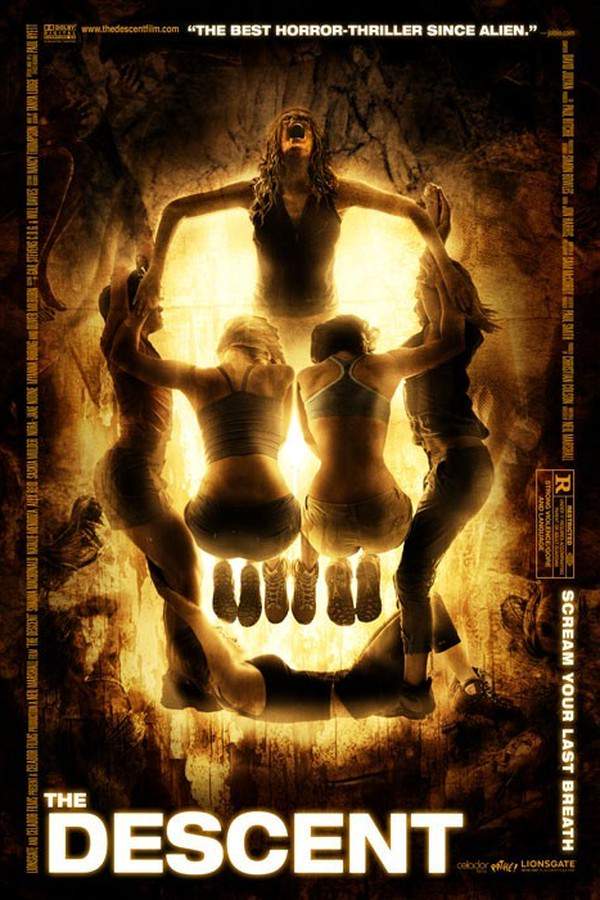
Historically set tales where violence reflects a decaying world. Fans of the oppressive atmosphere and historical violence in The Sword of Doom will find similar movies here. These films are set in tumultuous past eras and use intense combat to explore themes of moral decay, nihilism, and the brutality of their time, much like samurai and epic dramas.

  • atmospheric
  • brutal
  • oppressive
  • grim
  • tense
  • historical
  • Tone: dark, oppressive, atmospheric
  • Pacing: steady, immersive
Why these movies?

The story pattern: Stories in this thread are often set during times of great social upheaval—like the fall of a shogunate or a war-torn era—where the constant threat of violence shapes the characters' lives. The narrative uses the historical context to amplify themes of honor, betrayal, and the futility of violence, creating a world that feels authentically harsh and unforgiving.

Why they belong together: These films are united by their combination of a detailed historical setting, a consistently dark and oppressive mood, and violence that is both visceral and thematic. The pacing is often steady, building a world where brutality is a way of life, leading to emotionally heavy conclusions.

If you liked this

Movies Like The Sword of Doom

Similar movies to The Sword of Doom: the same genre, themes or kind of story. Each one comes with its own plot summary, timeline and ending explained.

Browse all movie summaries

Every angle

The Sword of Doom (1966) Explained: Plot, Timeline & Characters

Everything about The Sword of Doom in one place: what happens in the plot summary, the timeline in chronological order, the characters and meaning and a spoiler-free summary. What's After the Movie adds the cast, box office and post-credit scenes.

Coming soon on iOS and Android

The Plot Explained Movie Summary App

Plot summaries, endings explained and timelines on your phone. Catch up on any movie in minutes, save your favorites and never miss a twist again.

Be the first to know when we launch. Your email stays private, always.

Learn more about the app