Year: 2003
Runtime: 95 mins
Language: Korean
Director: Kim Eui-suk
Set in the Kingdom of Joseon, ancient Korea, a usurper has seized the throne and begins eliminating his ministers through the work of a mysterious assassin. An arrogant master swordsman is tasked with confronting the assassin and ending the reign of terror, fighting to restore order.
Warning: spoilers below!
Haven’t seen Sword In The Moon yet? This summary contains major spoilers. Bookmark the page, watch the movie, and come back for the full breakdown. If you're ready, scroll on and relive the story!
Read the complete plot breakdown of Sword In The Moon (2003), including all key story events, major twists, and the ending explained in detail. Discover what really happened—and what it all means.
The film opens with an assassination attempt on the Joseon king during a grand reception, a plot that is almost thwarted by a special security squad led by Gyu-yup. The event triggers a string of high‑profile political deaths, sending the kingdom into a tense nighttime skirmish where one member of an apparent assassin duo—a woman—falls into custody. Gyu-yup recognizes the captive, and as she refuses to reveal information, she endures brutal interrogation. This sequence sets up a sharp pivot: a flashback that takes us back to Gyu-yup’s past.
Shortly after the Japanese invasions of Korea in the middle Joseon period, a unit of elite soldiers is forged from students of the Clear Wind Shining Moon sword school, created to secure peace and protect the realm. At the center of this unit are two exemplary swordsmen, Ji-hwan [Choi Min-soo] and Gyu-yup [Bae Joong-sik], whose bond is unbreakable and whose skills define the training ground. Yet a political coup—often called a rebellion—threatens everything they have built. Gyu-yup is pressed into an impossible choice: he must kill his fencing master, and he must also confront Ji-hwan, who is entangled with Shi-yeong, the daughter of the fencing master and a skilled warrior in her own right. The burden is crushing, and the cost is mortal. In the midst of this upheaval, a harsh truth emerges: a line is crossed, and loyalty fractures.
During the upheaval, Gyu-yup is forced into brutal acts that devastate his inner world. He beheads his master, slays his best friend, and even confronts his best friend’s lover—an unnamed moral abyss that stains him forever. The rebellion also forces him to lead his troops against members of the very training school that shaped them, raising a chilling protest from within: “we have killed the brothers with whom we shed blood.” This brutal cascade crystallizes a lingering ache: a man who has lost a essential part of himself.
The narrative then returns to the present, five years after those fateful events. Gyu-yup has become a cold and dreaded commander, nicknamed “the human butcher.” A sword bearing the seal of his old unit surfaces during a night battle, suggesting that Ji-hwan may still be alive and active, not dead as Gyu-yup had believed. The current king—an usurper who navigates a treacherous landscape of betrayal and cover‑ups—begins to unravel, ordering assassinations of key commanders to hide his tracks. The king schemes to draw Ji-hwan and Shi-yeong out into the open, planning an expedition that could decide the fate of the rebellion once and for all.
As Ji-hwan and Shi-yeong become aware of the royal plot, they maneuver to avoid capture while contemplating a risky gambit. The expedition unfolds, and Ji-hwan nearly downs the king, only to be momentarily distracted by the death of Shi-yeong at the hands of the king’s elite guard. The moment is devastating, and it tests everyone involved. In a decisive turn, Gyu-yup, moved by past loyalties and the memory of Shi-yeong and Ji-hwan, steps into the fray to save his once‑friend. He pleads for a chance at freedom, a vow that had bound him during the rebellion years earlier, and when the king’s response remains silent, the two former allies confront the encircling troops side by side. What follows is a breathless, cataclysmic clash in which old bonds are revived only to be tested once more.
The film concludes with a powerful freeze-frame: the two men—once rivals, now united in their resistance—fight shoulder to shoulder against the usurper king’s troops. The reunion is tinged with sorrow and clarity, a testament to the brutal cost of loyalty, duty, and friendship. Through its sweeping flashbacks and intense present-day confrontations, the story remains focused on the core relationships that define the saga—the bond between Ji-hwan and Gyu-yup, the memory of Shi-yeong, and the unyielding pressure of a kingdom unwilling to forgive betrayal.
The tale is a grim meditation on sacrifice and memory, where past loyalties collide with the demands of the present, and where two once‑brotherly swordsmen must choose between the promises they’ve made and the lives they’re willing to fight for now. The balance between honour and survival threads through every battle, every interrogation, and every quiet moment of reflection that follows a victory hard won and a friendship tested beyond endurance.
Last Updated: October 09, 2025 at 16:35
Discover curated groups of movies connected by mood, themes, and story style. Browse collections built around emotion, atmosphere, and narrative focus to easily find films that match what you feel like watching right now.
Stories where profound friendship is shattered by conflicting loyalties and duty.If you were moved by the tragic conflict in Sword In The Moon, explore more movies where loyal friends are forced into opposition. These similar historical dramas and action films feature heavy emotional weight, bittersweet endings, and the theme of brotherhood tested by political betrayal and duty.
Narratives in this thread often follow two or more deeply connected characters whose bond is fractured by an external conflict, such as a coup, a war, or a rigid code of honor. The story explores the psychological toll of this separation, leading to a climactic confrontation filled with regret and sorrow, rather than simple triumph.
These movies are grouped by their devastating focus on the cost of loyalty. They share a heavy emotional weight, a dark or bittersweet tone, and center on the agonizing personal sacrifice required when duty forces you to oppose those you love.
Brutal, character-driven period pieces with a heavy, melancholic atmosphere.Fans of the somber, brutal world of Sword In The Moon will appreciate these similar films. Discover more historical action epics and dramas that blend intense combat with a dark, oppressive tone, heavy emotional themes, and a focus on political turmoil and personal cost.
These stories unfold in politically unstable historical periods, where violence is a grim necessity. The plot often involves assassination plots, usurpation, and the psychological corrosion of warriors. The pacing shifts between explosive action and slower, brooding sequences that dwell on the tragic consequences of violence.
Movies in this thread share a specific mix of high-intensity action within a historically-grounded, bleak setting. They are united by a dark tone, heavy emotional weight stemming from themes like grief and loss, and a focus on the grim reality of combat and political machinations.
Don't stop at just watching — explore Sword In The Moon in full detail. From the complete plot summary and scene-by-scene timeline to character breakdowns, thematic analysis, and a deep dive into the ending — every page helps you truly understand what Sword In The Moon is all about. Plus, discover what's next after the movie.
Track the full timeline of Sword In The Moon with every major event arranged chronologically. Perfect for decoding non-linear storytelling, flashbacks, or parallel narratives with a clear scene-by-scene breakdown.
Discover the characters, locations, and core themes that shape Sword In The Moon. Get insights into symbolic elements, setting significance, and deeper narrative meaning — ideal for thematic analysis and movie breakdowns.
Get a quick, spoiler-free overview of Sword In The Moon that covers the main plot points and key details without revealing any major twists or spoilers. Perfect for those who want to know what to expect before diving in.
Visit What's After the Movie to explore more about Sword In The Moon: box office results, cast and crew info, production details, post-credit scenes, and external links — all in one place for movie fans and researchers.
Discover movies like Sword In The Moon that share similar genres, themes, and storytelling elements. Whether you’re drawn to the atmosphere, character arcs, or plot structure, these curated recommendations will help you explore more films you’ll love.
Sword In The Moon (2003) Scene-by-Scene Movie Timeline
Sword In The Moon (2003) Movie Characters, Themes & Settings
Sword In The Moon (2003) Spoiler-Free Summary & Key Flow
Movies Like Sword In The Moon – Similar Titles You’ll Enjoy
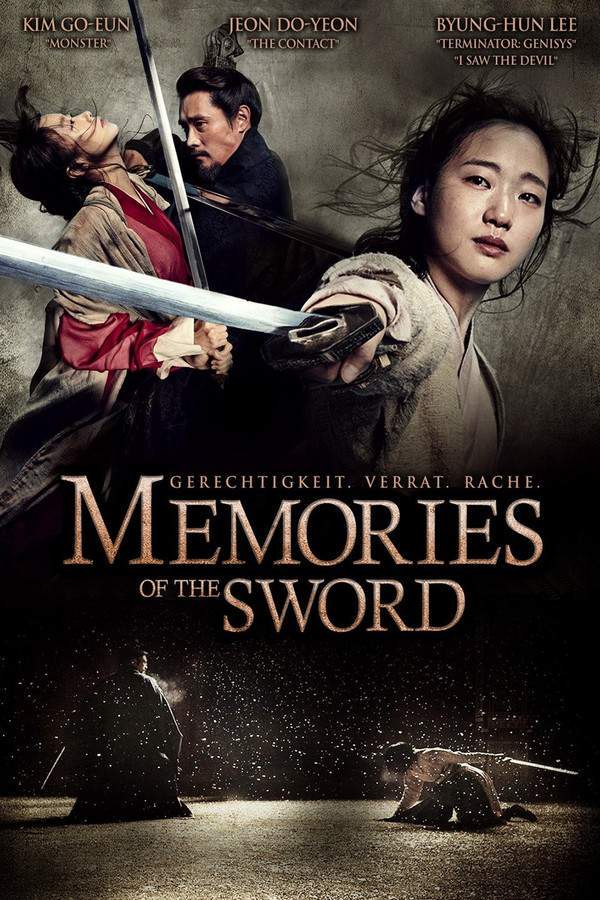
Memories of the Sword (2015) Spoiler-Packed Plot Recap
The Sword and the Sorcerer (1982) Detailed Story Recap
Shadowless Sword (2005) Story Summary & Characters
Swordsman (1990) Film Overview & Timeline
The Sword (1980) Spoiler-Packed Plot Recap
The Swordsman (2020) Complete Plot Breakdown
The Swordmates (1969) Full Summary & Key Details
The Thundering Sword (1967) Film Overview & Timeline
The Sword of Doom (1966) Ending Explained & Film Insights
Full Moon Scimitar (1979) Movie Recap & Themes
Sword of the Beast (1965) Full Summary & Key Details
The Silent Swordsman (1967) Movie Recap & Themes
Sword Devil (1965) Story Summary & Characters
The Sword of Swords (1968) Full Summary & Key Details
Moonlight Sword and Jade Lion (1977) Detailed Story Recap