Year: 1966
Runtime: 122 mins
Language: Japanese
Director: Kihachi Okamoto
The sword is the soul, and to understand the blade one must study the spirit that wields it. Ryunosuke, a talented yet amoral swordsman, plies his trade amid the chaotic final days of Shogunate rule, killing without remorse. His relentless pursuit of violence becomes a twisted way of life that spirals into madness, reflecting the desperate turmoil of a dying era.
Warning: spoilers below!
Haven’t seen The Sword of Doom yet? This summary contains major spoilers. Bookmark the page, watch the movie, and come back for the full breakdown. If you're ready, scroll on and relive the story!
Read the complete plot breakdown of The Sword of Doom (1966), including all key story events, major twists, and the ending explained in detail. Discover what really happened—and what it all means.
Ryunosuke Tsukue is an amoral samurai and a master swordsman with an unorthodox style. He is first seen when he kills an elderly Buddhist pilgrim who prays for death, a moment that makes clear he feels no real emotion or empathy. Later, he defeats an opponent in a fencing contest that was meant to be non-lethal, but the match turns into a duel after he coerces his opponent’s wife to sleep with him in exchange for throwing the match and letting her husband win. The other man discovers the affair before the contest and, against that backdrop, receives a notice of divorce as a grim prelude to the clash.
During the match, Ryunosuke commits an illegal lunging attack after the judge proclaims a draw. Yet the better swordsman parries and delivers a single, decisive stroke with his bokken, sending his rival to the ground. He flees town amid the chaos, cutting down many of the vanquished man’s clan members as he escapes. The vanquished opponent’s ex-wife asks to join him on the road, a hollow sign of the life he now leads.
Two years pass, and to survive he joins the Shinsengumi, a semi-official police force made up of rōnin who support the Tokugawa shogunate through murder and assassinations. In every encounter, whether he is killing or at home with his mistress and their baby son, Ryunosuke remains emotionally imperturbable, a man who seems impervious to fear or doubt. Eventually he learns that the younger brother of the man he killed in the fencing match is seeking revenge, and a duel seems inevitable. But two events shake his confidence before any confrontation can occur: a botched assassination attempt brings him face to face with another master swordsman, Shimada Toranosuke, in action, and for the first time he questions whether his own skill is truly unbeatable. The same night, his mistress—oh, the unnamed woman who shares his life—tries to kill him in his sleep, and he kills her in the gardens, the sleeping child inside the house crying out as the violence unfolds.
He returns to the gang of assassins at an oiran house in the Shimabara district of Kyoto. In a quiet, haunted room, he begins to see the ghosts of all the people he has killed. He is haunted by Shimada’s admonition: “The sword is the soul. Study the soul to know the sword. Evil mind, evil sword.” The final blow comes when he realizes that the apprentice oiran sent to entertain him is the granddaughter of the pilgrim he murdered at the film’s beginning.
With this grim realization, Ryunosuke spirals into a frenzy, slashing at the shadows and attacking his fellow assassins as a growing crowd of enemies closes in. He kills dozens of gang members as the flames of the brothel burn around him. Bleeding and driven by rage, he lunges forward one last time, and the film ends with a freeze-frame of him caught mid-sword-slash.
Last Updated: October 09, 2025 at 11:20
Discover curated groups of movies connected by mood, themes, and story style. Browse collections built around emotion, atmosphere, and narrative focus to easily find films that match what you feel like watching right now.
Stories charting a character's irreversible fall into amorality and madness.If you liked watching Ryunosuke's descent in The Sword of Doom, explore these other movies about characters spiraling into amorality and psychological ruin. These films share a bleak tone and heavy emotional weight, focusing on irreversible moral decay in stories like crime dramas and character studies.
These narratives typically follow a linear or escalating path where a character's defining flaw—such as ambition, nihilism, or revenge—consumes them. The plot is driven by a series of consequential choices that lead to increasingly dire outcomes, culminating in a bleak resolution that offers no redemption, only the consequences of a corrupted soul.
Movies are grouped here for their shared focus on a protagonist's internal and moral deterioration. They connect through a consistently dark tone, steady pacing that methodically builds the fall, and a heavy emotional weight derived from witnessing a character's loss of humanity.
Historically set tales where violence reflects a decaying world.Fans of the oppressive atmosphere and historical violence in The Sword of Doom will find similar movies here. These films are set in tumultuous past eras and use intense combat to explore themes of moral decay, nihilism, and the brutality of their time, much like samurai and epic dramas.
Stories in this thread are often set during times of great social upheaval—like the fall of a shogunate or a war-torn era—where the constant threat of violence shapes the characters' lives. The narrative uses the historical context to amplify themes of honor, betrayal, and the futility of violence, creating a world that feels authentically harsh and unforgiving.
These films are united by their combination of a detailed historical setting, a consistently dark and oppressive mood, and violence that is both visceral and thematic. The pacing is often steady, building a world where brutality is a way of life, leading to emotionally heavy conclusions.
Don't stop at just watching — explore The Sword of Doom in full detail. From the complete plot summary and scene-by-scene timeline to character breakdowns, thematic analysis, and a deep dive into the ending — every page helps you truly understand what The Sword of Doom is all about. Plus, discover what's next after the movie.
Track the full timeline of The Sword of Doom with every major event arranged chronologically. Perfect for decoding non-linear storytelling, flashbacks, or parallel narratives with a clear scene-by-scene breakdown.
Discover the characters, locations, and core themes that shape The Sword of Doom. Get insights into symbolic elements, setting significance, and deeper narrative meaning — ideal for thematic analysis and movie breakdowns.
Get a quick, spoiler-free overview of The Sword of Doom that covers the main plot points and key details without revealing any major twists or spoilers. Perfect for those who want to know what to expect before diving in.
Visit What's After the Movie to explore more about The Sword of Doom: box office results, cast and crew info, production details, post-credit scenes, and external links — all in one place for movie fans and researchers.
Discover movies like The Sword of Doom that share similar genres, themes, and storytelling elements. Whether you’re drawn to the atmosphere, character arcs, or plot structure, these curated recommendations will help you explore more films you’ll love.
The Sword of Doom (1966) Scene-by-Scene Movie Timeline
The Sword of Doom (1966) Movie Characters, Themes & Settings
The Sword of Doom (1966) Spoiler-Free Summary & Key Flow
Movies Like The Sword of Doom – Similar Titles You’ll Enjoy
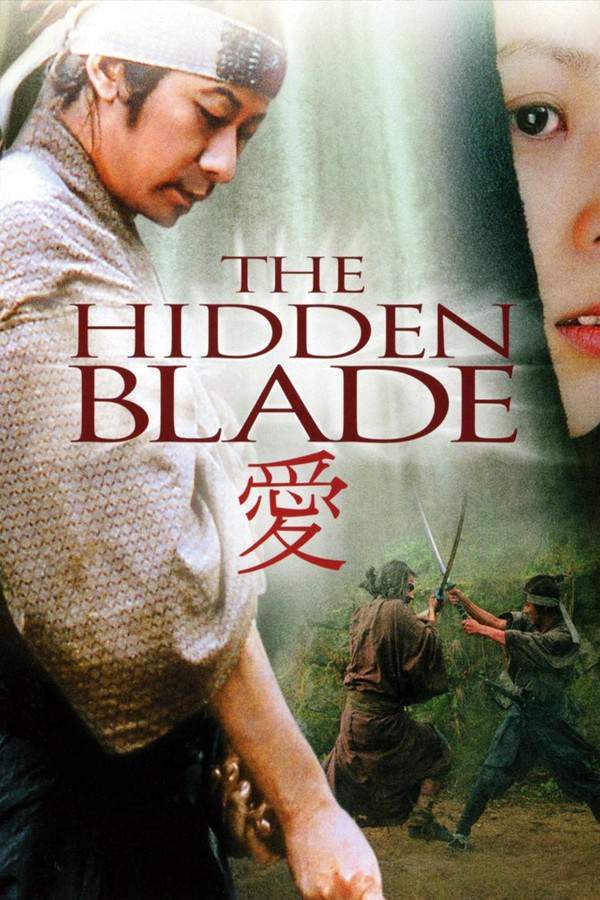
The Hidden Blade (2006) Film Overview & Timeline
Samurai Resurrection (2003) Full Movie Breakdown
When the Last Sword Is Drawn (2002) Movie Recap & Themes
Sword In The Moon (2003) Detailed Story Recap
The Bushido Blade (1981) Full Movie Breakdown
The Sword (1980) Story Summary & Characters
Shogun Assassin (1980) Full Movie Breakdown
The Devil’s Sword (1984) Full Summary & Key Details
The Last Swordsman (1974) Spoiler-Packed Plot Recap
Twin Blades of Doom (1969) Story Summary & Characters
Satan’s Sword (1960) Complete Plot Breakdown
Sword of the Beast (1965) Ending Explained & Film Insights
Samurai Assassin (1965) Film Overview & Timeline
Sword Devil (1965) Detailed Story Recap
Lone Wolf and Cub: Sword of Vengeance (1972) Ending Explained & Film Insights