
The Night of the Shooting Stars
Year: 1982
Runtime: 105 mins
Language: Italian
Directors: Paolo Taviani, Vittorio Taviani
The Night of San Lorenzo, known in Italian folklore as the night of the shooting stars when wishes are said to come true, provides the backdrop for a 1944 tale of war‑torn Italy. A band of locals abandons their village after rumors spread that the Nazis intend to destroy it and that American forces are poised to arrive and liberate them, prompting a desperate escape through a landscape scarred by conflict.
Warning: spoilers below!
Haven’t seen The Night of the Shooting Stars yet? This summary contains major spoilers. Bookmark the page, watch the movie, and come back for the full breakdown. If you're ready, scroll on and relive the story!
Timeline & Setting – The Night of the Shooting Stars (1982)
Explore the full timeline and setting of The Night of the Shooting Stars (1982). Follow every major event in chronological order and see how the environment shapes the story, characters, and dramatic tension.
Last updated: October 04, 2025 at 12:49
Main Characters – The Night of the Shooting Stars (1982)
Meet the key characters of The Night of the Shooting Stars (1982), with detailed profiles, motivations, and roles in the plot. Understand their emotional journeys and what they reveal about the film’s deeper themes.
Last updated: October 04, 2025 at 12:49
Major Themes – The Night of the Shooting Stars (1982)
Explore the central themes of The Night of the Shooting Stars (1982), from psychological, social, and emotional dimensions to philosophical messages. Understand what the film is really saying beneath the surface.
Last updated: October 04, 2025 at 12:49
The Night of the Shooting Stars (1982) Character & Theme Questions Answered – Info FAQ
Browse frequently asked questions about The Night of the Shooting Stars (1982) focused on characters, relationships, themes, symbols, setting, and story context. This movie info FAQ gives spoiler-aware explanations for character arcs, world details, and thematic interpretation so readers can better understand what the film is really about.
What kind of setting is shown in the movie?
The story takes place in a small Italian town during the final months of World War II. The town shows clear signs of occupation, with German forces retreating but still present, and Fascist elements creating tension among residents. The church and streets serve as the central gathering points for a community living in constant fear, awaiting liberation while trying to survive the dangers surrounding them.
When does the story take place?
The events occur during the summer of 1944, a critical period in Italy's history. German forces were retreating southward through Italy while Allied forces advanced. The town's residents endure air raids, food scarcity, and the constant threat of violence from both occupying forces and local Fascists, until the U.S. Fifth Army arrives to liberate the region.
What does the shooting star motif represent?
The shooting stars reference the Italian legend of La Notte di San Lorenzo, the night when shooting stars are said to grant wishes. In the film, this motif represents hope amid catastrophe, characters cling to small glimmers of possibility while their village is destroyed around them. The wish for a safer future and the power of memory sustain the characters through the chaos of war.
What role does hope play in the story?
Hope functions as the central thematic engine driving the narrative. Even as bombs fall and villagers are forced to scatter, characters maintain belief in a better future. Cecilia's storytelling weaves past and present together, using memory as a form of survival. The desire for liberation and reunion with their homeland keeps the group moving forward despite overwhelming danger.
How is faith depicted in the film?
Faith appears as a vital lifeline for the community when material resources fail. With bread scarce, the bishop improvises blessings and religious ritual becomes essential for maintaining morale. The film shows how religious symbols coexist alongside violence, highlighting how belief helps people endure fear. The priest and bishop represent different facets of faith under pressure, comfort versus authority.
What does solidarity mean in this story?
Solidarity manifests through neighbors banding together to help each other survive. Villagers share food, assist escape routes, and coordinate with partisan fighters. The group supports its most vulnerable members and transforms individual fear into collective action. Liberation ultimately rewards this communal resilience, showing how working together gives ordinary people courage against overwhelming odds.
Who is Cecilia and what is her role?
Cecilia is a perceptive young girl who serves as the narrator of the frame story, recounting events from her childhood. Her perspective anchors the past in memory, allowing the film to explore trauma and survival through a child's eyes. Her calm observation and survival instinct help others endure the town's trauma, making her the emotional core representing resilience and the preservation of memory.
Who is Galvano and why is he important?
Galvano is the elderly leader of the fleeing villagers, portrayed by Omero Antonutti. His life experience and wisdom guide the group through the dangers of their retreat. He provides stability and direction when chaos threatens to overwhelm the community. His presence represents the importance of generational knowledge and steady leadership during crisis, even as personal emotions surface alongside his responsibilities.
What role does the bishop play in the story?
The bishop represents religious authority attempting to maintain ritual and provide comfort during extreme scarcity. He improvises blessings and tries to sustain the community's spiritual life when physical resources are depleted. His role highlights how faith institutions function during wartime, both as sources of hope and as symbols of order that persist alongside violence and destruction.
How does the film portray Italian civilians in wartime?
The film focuses on ordinary Italian villagers caught between occupying forces and the approach of liberation. These civilians face impossible choices, stay and risk death from bombing or reprisals, or flee and abandon their homes. The narrative emphasizes their vulnerability while also showing their courage, resourcefulness, and capacity for collective action against overwhelming violence.

Explore Movie Threads
Discover curated groups of movies connected by mood, themes, and story style. Browse collections built around emotion, atmosphere, and narrative focus to easily find films that match what you feel like watching right now.
Movies about childhood in war like The Night of the Shooting Stars
Harsh realities of conflict filtered through the wonder and terror of a child's perspective.If you were moved by the childhood perspective in The Night of the Shooting Stars, discover other films that explore war through the eyes of the young. These movies capture the unique blend of innocence, terror, and surreal memory that defines a child's experience of conflict.
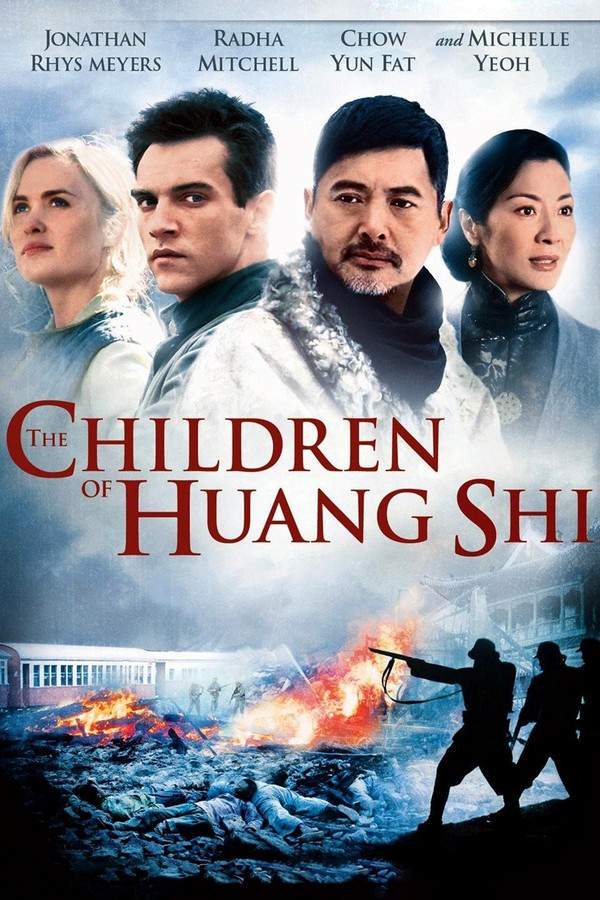
The Children of Huang Shi
2008
The Night of the Shooting Stars
1982

Battle Cry
1955

Once Upon a Time in a Battlefield
2003

The Shadow in My Eye
2021

The Great War
1959

Giovanni’s Island
2014
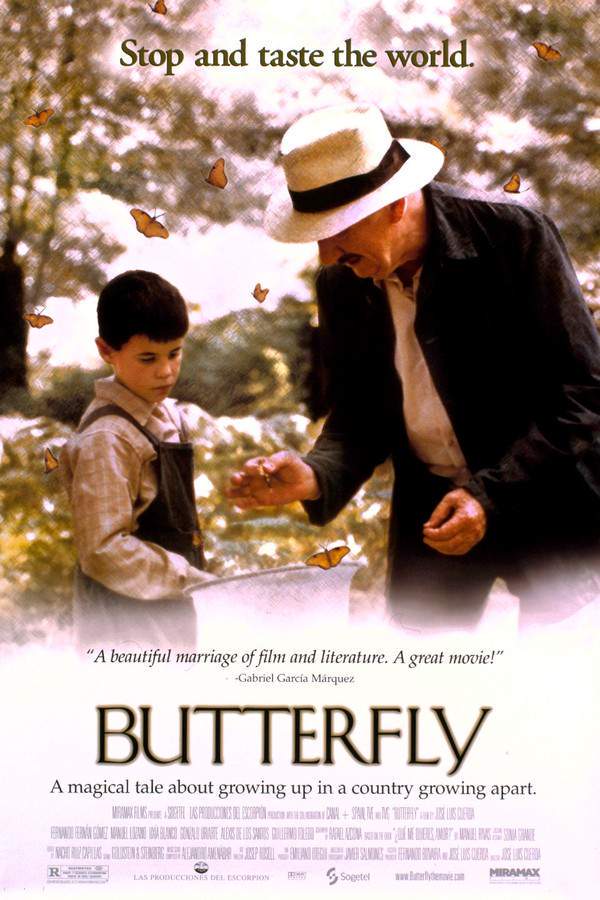
Butterfly Tongues
2000

Barefoot Gen 2
1986

Only The Brave
2006

Alsino and the Condor
1982
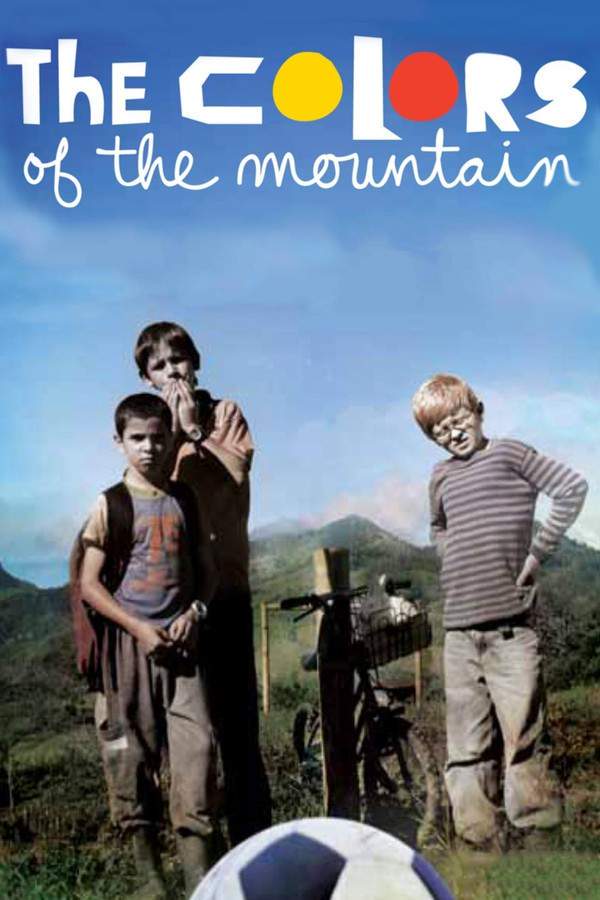
The Colors of the Mountain
2011

The Dawns Here Are Quiet
1972
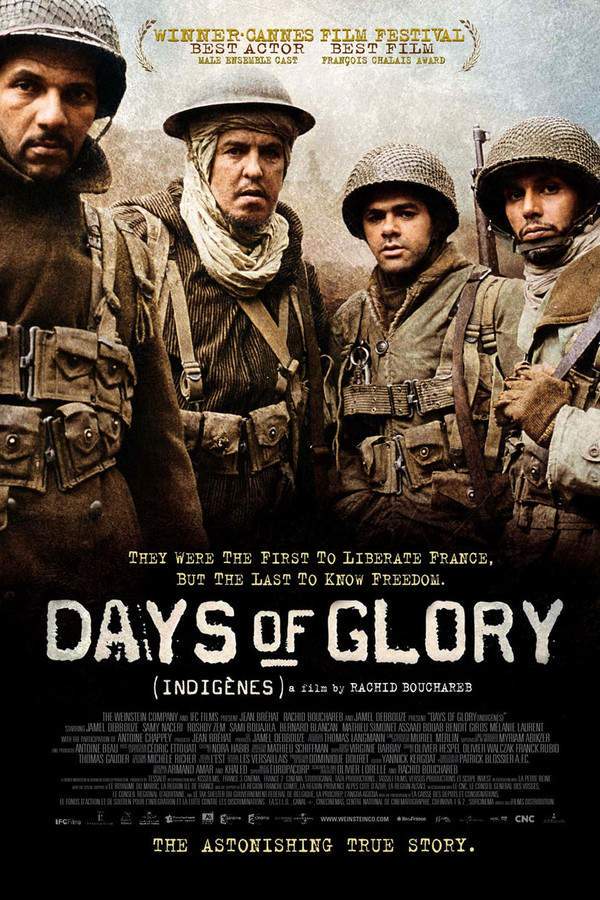
Days of Glory
2006

Strange Gardens
2003
Narrative Summary
The narrative follows a child protagonist navigating a world shattered by war, where moments of wonder coexist with terror. The story is often framed by memory, creating a bittersweet or reflective tone as the adult looks back on the formative, traumatic events of their youth.
Why These Movies?
These films are grouped by their unique perspective, which transforms a war story into something more intimate and mythic. They share a focus on how innocence is lost or preserved, a tone that balances harsh reality with moments of surreal hope, and a heavy emotional weight centered on memory and survival.
Community survival journey movies like The Night of the Shooting Stars
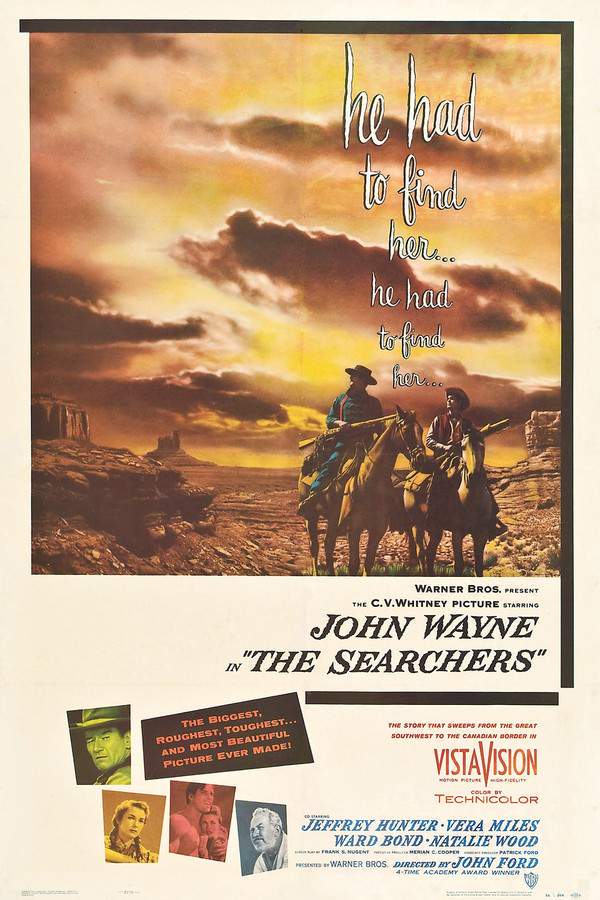
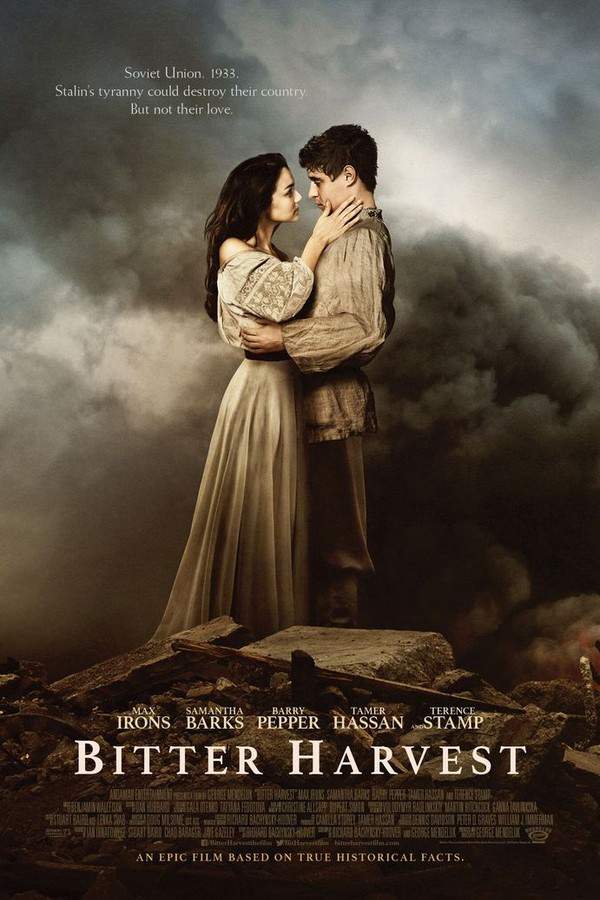
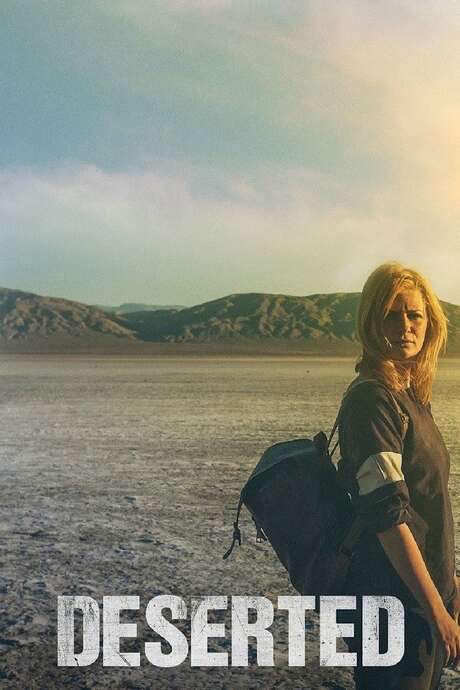
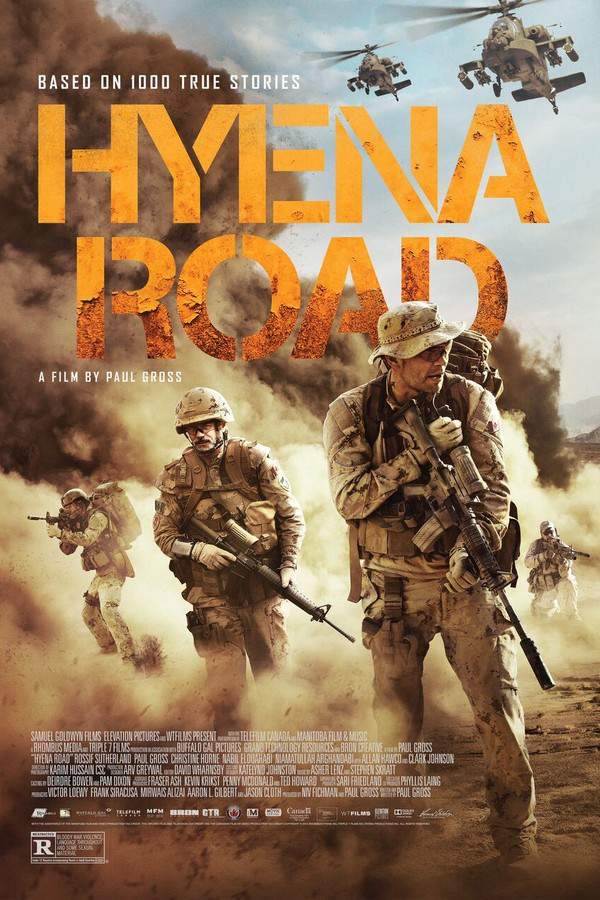
A group's perilous trek through a dangerous landscape, tested by internal and external threats.Fans of The Night of the Shooting Stars will appreciate these other films about a community's desperate journey for survival. Explore stories where a group's unity is tested by a perilous trek through war-torn or hostile landscapes, resulting in a bittersweet and heavy emotional experience.




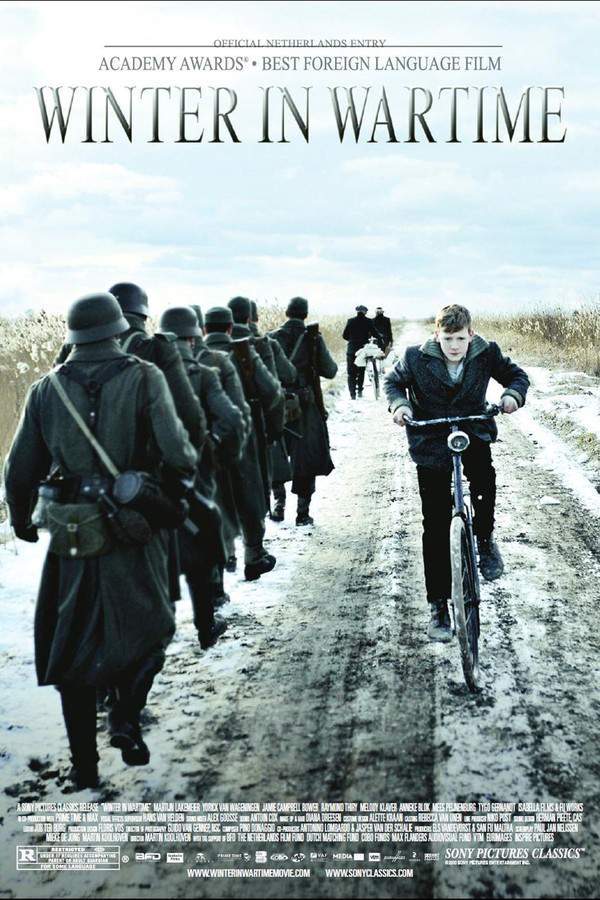
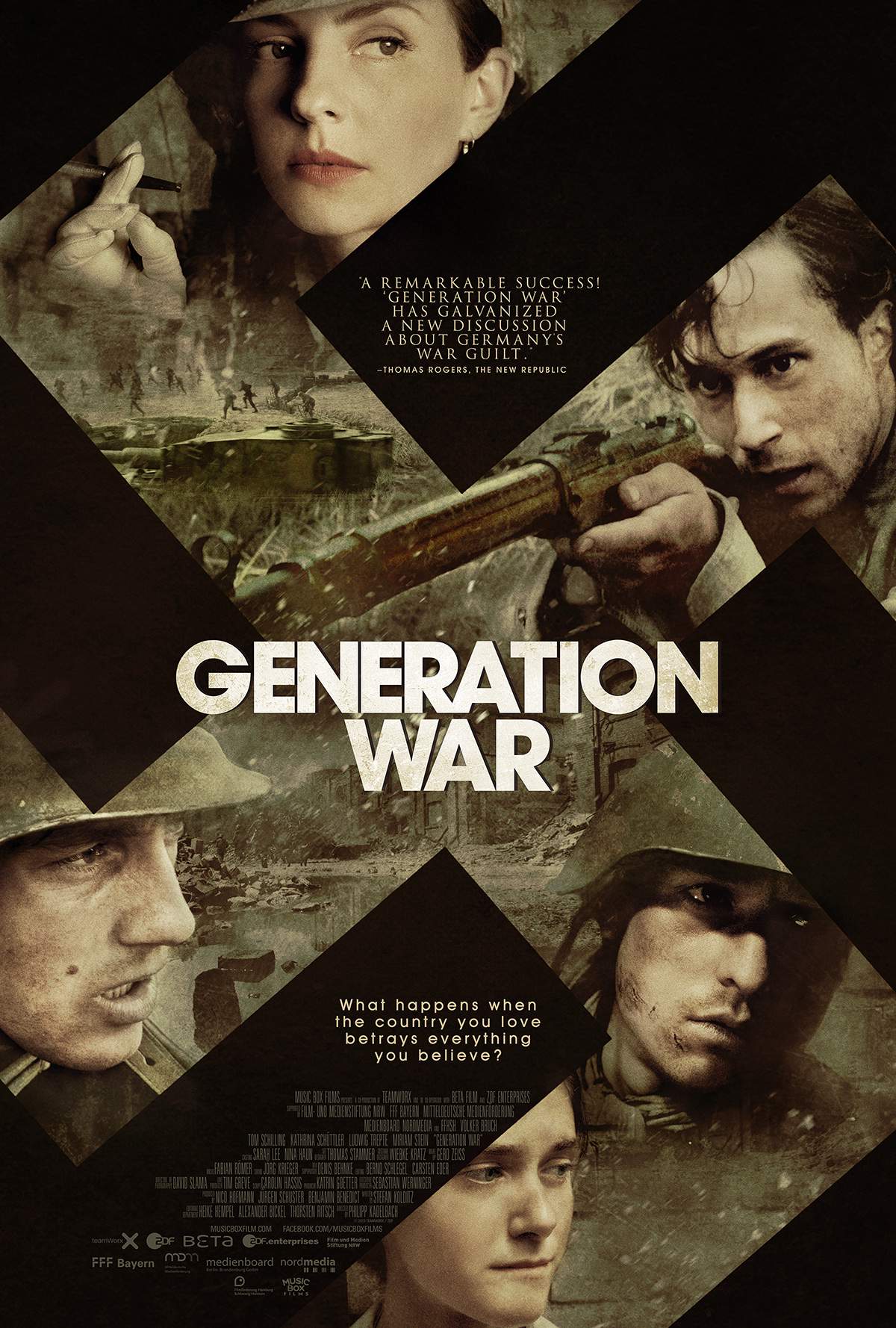



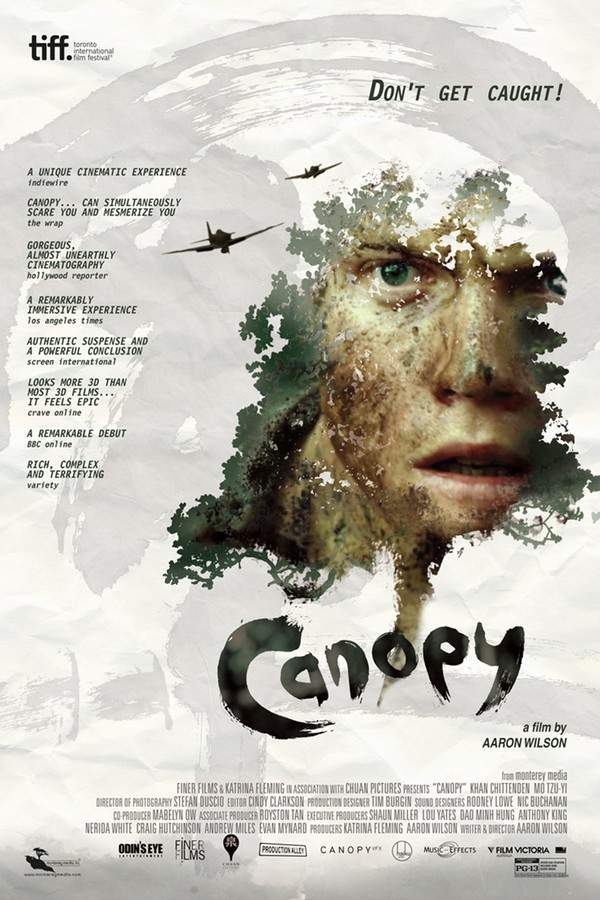

Narrative Summary
The plot is driven by a group's need to escape a dire situation, traveling through a threatening environment. The narrative structure is often linear and steady, punctuated by episodic challenges that test the group's resolve and morality. The ending acknowledges survival but is underscored by the profound cost of the journey.
Why These Movies?
Movies in this thread share a high-intensity, steady-paced narrative centered on collective survival. They feature a strong sense of community, the moral dilemmas of group dynamics under duress, and a consistently bittersweet or heavy tone that acknowledges the scars left by the journey.
Unlock the Full Story of The Night of the Shooting Stars
Don't stop at just watching - explore The Night of the Shooting Stars in full detail. From the complete plot summary and scene-by-scene timeline to character breakdowns, thematic analysis, and a deep dive into the ending - every page helps you truly understand what The Night of the Shooting Stars is all about. Plus, discover what's next after the movie.
The Night of the Shooting Stars Summary
Read a complete plot summary of The Night of the Shooting Stars, including all key story points, character arcs, and turning points. This in-depth recap is ideal for understanding the narrative structure or reviewing what happened in the movie.

The Night of the Shooting Stars Timeline
Track the full timeline of The Night of the Shooting Stars with every major event arranged chronologically. Perfect for decoding non-linear storytelling, flashbacks, or parallel narratives with a clear scene-by-scene breakdown.


Similar Movies to The Night of the Shooting Stars
Discover movies like The Night of the Shooting Stars that share similar genres, themes, and storytelling elements. Whether you’re drawn to the atmosphere, character arcs, or plot structure, these curated recommendations will help you explore more films you’ll love.
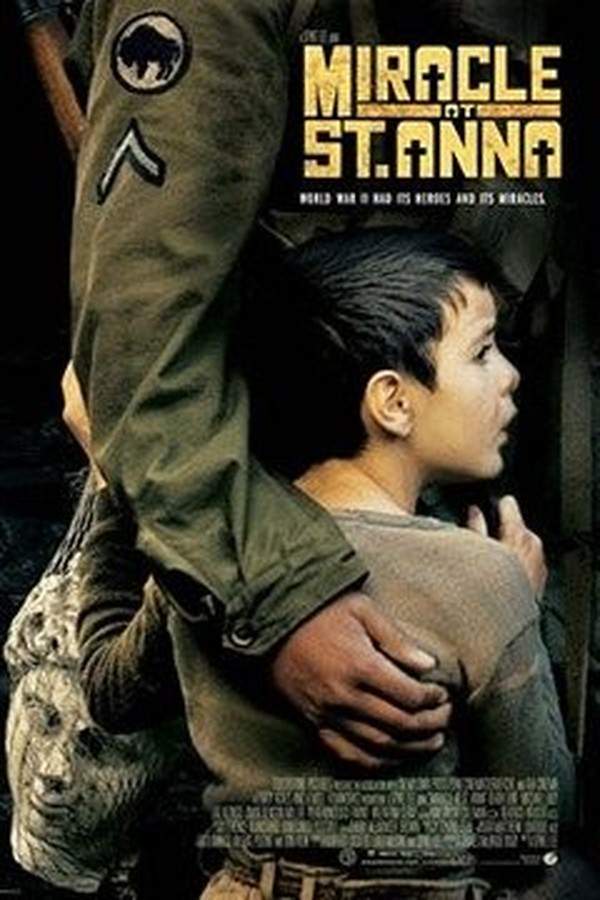
Miracle at St. Anna
2008

The Fall of Italy
1981

Night of Love
1954

Hornets’ Nest
1970

To Live in Peace
1947

The Truce
1997

Rome, Open City
1945

A Walk in the Sun
1945

Violent Summer
1959

The Deserter and the Nomads
1968

The North Star
1943

The Man Who Will Come
2009

Exterior Night
1000
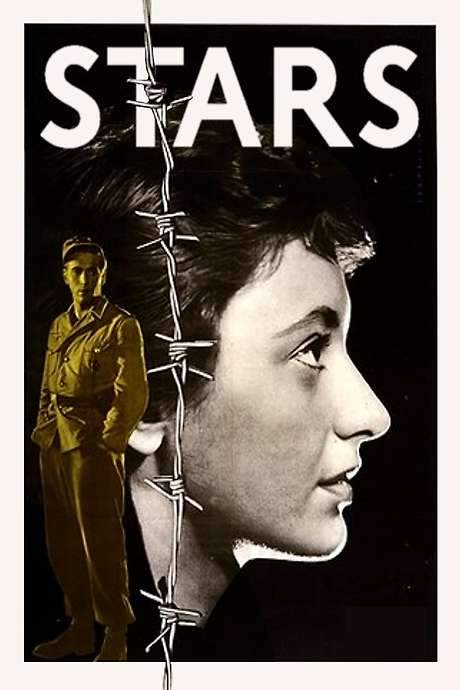
Stars
1959

The Four Days of Naples
1962
Explore More About Movie The Night of the Shooting Stars
The Night of the Shooting Stars (1982) Plot Summary & Movie Recap
The Night of the Shooting Stars (1982) Scene-by-Scene Movie Timeline
The Night of the Shooting Stars (1982) Spoiler-Free Summary & Key Flow
Movies Like The Night of the Shooting Stars – Similar Titles You’ll Enjoy
Miracle at St. Anna (2008) Full Summary & Key Details
The Fall of Italy (1981) Movie Recap & Themes
Night of Love (1954) Story Summary & Characters
Hornets’ Nest (1970) Movie Recap & Themes
To Live in Peace (1947) Full Movie Breakdown
The Truce (1997) Full Movie Breakdown
Rome, Open City (1945) Spoiler-Packed Plot Recap
A Walk in the Sun (1945) Complete Plot Breakdown
Violent Summer (1959) Movie Recap & Themes
The Deserter and the Nomads (1968) Story Summary & Characters
The North Star (1943) Detailed Story Recap
The Man Who Will Come (2009) Full Summary & Key Details
Exterior Night (1000) Ending Explained & Film Insights
Stars (1959) Story Summary & Characters
The Four Days of Naples (1962) Full Movie Breakdown