Year: 2003
Runtime: 104 mins
Language: Korean
Director: Lee Joon-ik
Budget: $29M
Set in 7th‑century Korea during the Three Kingdoms era, Silla king Kim Choon‑chu, backed by Tang China, targets Baekje’s Hwangsanbul fortress, the interior gateway. General Kye Baek (Park Joong‑hoon) fiercely defends it, turning the clash into a comedic mix of ancient war and modern language, full of irony.
Warning: spoilers below!
Haven’t seen Once Upon a Time in a Battlefield yet? This summary contains major spoilers. Bookmark the page, watch the movie, and come back for the full breakdown. If you're ready, scroll on and relive the story!
Read the complete plot breakdown of Once Upon a Time in a Battlefield (2003), including all key story events, major twists, and the ending explained in detail. Discover what really happened—and what it all means.
The film opens with a high-stakes summit where the rulers of Baekje, Silla, Tang China, and Goguryeo gather to decide the fate of the Korean kingdoms. Tang asserts its legitimacy and superiority, demanding tribute, while Silla agrees to align with Tang for support. Goguryeo and Baekje stand apart, wary of the shifting balance of power. When the meeting breaks down, trouble follows: the Baekje court learns that a Tang-Silla army is on the move, and there is real fear about which kingdom it will strike next. The court’s uneasy coalition fractures into infighting and accusations, highlighting the deep political rifts at the heart of Baekje.
In the midst of this turmoil, the Baekje king turns to General Gyebaek [Park Joong-hoon], a loyal and capable commander who accepts the daunting task of riding out to face an overwhelming foe. News arrives that the allied Tang-Silla army is marching toward Baekje’s strategic points, and the narrative soon confirms the grim possibility that Baekje could be the target. Gyebaek’s burden grows heavier as the scale of the coming battle becomes clear, and the personal cost of leadership weighs on every decision.
Before he leaves to battle, Gyebaek, who understands the odds and knows he may not return, makes a brutal, protective choice: he takes the lives of his own family to shield them from capture. This act is stark and haunting, underscoring the theme that sacrifice in war often comes at the deepest personal price. Gyebaek’s wife and eldest daughter are part of this merciless testament to duty, a moment many viewers will feel acutely as it reframes what he fights for.
The two well-armored forces meet in a tense standoff at Hwangsanbeol. The Silla commander Kim Yu-sin [Jung Jin-young] hesitates to strike, even though his troops vastly outnumber Gyebaek’s, having learned from history that Gyebaek’s plans are shrouded in mystery. Kim Yu-sin’s probing attacks are designed to uncover Gyebaek’s elusive strategy, but they yield little and only heighten the sense of a culminating clash between two men bound by a code of duty.
To gain insight, Kim Yu-sin invites Gyebaek to a game of janggi, hoping a moment of strategy will reveal the other side’s true intent. During the game, a startling detail comes to light: Gyebaek has sewn shut his armor so it cannot be removed until death, a stark manifestation of his grim directive to fight to the end. This revelation crystallizes the former doubts and reframes the moral arithmetic of the coming encounter. Gyebaek’s resolve becomes a fixed target for Kim Yu-sin’s calculations, and the two generals’ cat-and-mouse maneuvers push the battle toward its inexorable end.
As the tension escalates, Kim Yu-sin orders his generals to send their sons—members of the Hwarang—on suicide missions to duel Gyebaek and boost morale. The display of youth sacrifice carries a brutal irony: a desperate bid to turn the tide through sacrifice, even as the reality of the odds remains stark. The initial corpses return, and more are sent forward, a sequence that tests the spirits of the troops and reveals the ferocity of the conflict.
The climactic battle arrives on a rain-soaked day. The Silla army rains clay balls from catapults, weighing down the Baekje defense and forcing weary soldiers to shed their armor. The Baekje line buckles under the weight of the assault, and Gyebaek is forced to retreat into a keep with a small band of loyal followers. He ultimately steps out to meet death head-on, his last stand a testament to unwavering duty. Among the chaos, one unnamed soldier, sometimes called Geoshigi, escapes with a lingering sense of regret for those left behind. As Gyebaek falls to a volley of arrows, he recalls the life he chose to protect—his family who did not see him as a hero in the abstract, but as a flawed father and husband.
Meanwhile, in the Tang-Silla camp, Tang leaders with imperial ambitions press to seize the conquered territory, while Kim Yu-sin’s vow rings clear: he will someday drive the Tang from this land. The narrative briefly shifts to the human costs and the lingering ache of what was won and what was lost. In a small, poignant coda, Geoshigi finds a moment of reunion with his mother, who toils in the fields, bringing the film back to ordinary life after the battlefield’s grandeur and tragedy.
“one day kick the Tang out of this land.”
Last Updated: October 09, 2025 at 16:51
Discover curated groups of movies connected by mood, themes, and story style. Browse collections built around emotion, atmosphere, and narrative focus to easily find films that match what you feel like watching right now.
Serious historical conflicts are viewed through a lens of dark humor and contemporary wit.Looking for movies like Once Upon a Time in a Battlefield? This thread gathers historical and war films that blend serious drama with a modern, ironic sense of humor. Expect tragic events framed by witty dialogue and a bittersweet tone, perfect if you enjoyed the unique mix of grandeur and comedy.
Stories in this thread follow a known or pivotal historical event, often with a tragic conclusion for the protagonists. The narrative structure is typically linear, building towards an inevitable climax. However, the journey is punctuated by anachronistic humor, witty banter, or satirical commentary that highlights the absurdities and timeless human follies within the grand historical tapestry.
These movies are grouped together because they share a distinctive tonal approach to history. They balance the heavy emotional weight of their subjects with a layer of ironic detachment or comedy, creating a bittersweet and intellectually stimulating experience that sets them apart from purely solemn historical epics.
Stories of leaders facing impossible battles, bound by duty to a lost cause.If you liked the tragic heroism in Once Upon a Time in a Battlefield, explore this collection of films about doomed last stands. These stories focus on leaders facing certain defeat, emphasizing themes of duty, sacrifice, and the heavy personal cost of conflict, often with a bittersweet or bleak conclusion.
The narrative pattern follows a protagonist, typically a military or political leader, as they prepare for and engage in a battle they cannot win. The plot methodically builds tension towards the climactic confrontation, focusing on the protagonist's internal struggle with fate, their responsibilities to their people, and the extreme sacrifices they must make, which often extend to their personal lives and family.
These films are connected by their core narrative of tragic inevitability and the thematic focus on duty in the face of annihilation. They share a high intensity, a heavy emotional weight, and a tone that is overwhelmingly bittersweet or bleak, creating a powerful and melancholic viewing experience.
Don't stop at just watching — explore Once Upon a Time in a Battlefield in full detail. From the complete plot summary and scene-by-scene timeline to character breakdowns, thematic analysis, and a deep dive into the ending — every page helps you truly understand what Once Upon a Time in a Battlefield is all about. Plus, discover what's next after the movie.
Track the full timeline of Once Upon a Time in a Battlefield with every major event arranged chronologically. Perfect for decoding non-linear storytelling, flashbacks, or parallel narratives with a clear scene-by-scene breakdown.
Discover the characters, locations, and core themes that shape Once Upon a Time in a Battlefield. Get insights into symbolic elements, setting significance, and deeper narrative meaning — ideal for thematic analysis and movie breakdowns.
Get a quick, spoiler-free overview of Once Upon a Time in a Battlefield that covers the main plot points and key details without revealing any major twists or spoilers. Perfect for those who want to know what to expect before diving in.
Visit What's After the Movie to explore more about Once Upon a Time in a Battlefield: box office results, cast and crew info, production details, post-credit scenes, and external links — all in one place for movie fans and researchers.
Discover movies like Once Upon a Time in a Battlefield that share similar genres, themes, and storytelling elements. Whether you’re drawn to the atmosphere, character arcs, or plot structure, these curated recommendations will help you explore more films you’ll love.
Once Upon a Time in a Battlefield (2003) Scene-by-Scene Movie Timeline
Once Upon a Time in a Battlefield (2003) Movie Characters, Themes & Settings
Once Upon a Time in a Battlefield (2003) Spoiler-Free Summary & Key Flow
Movies Like Once Upon a Time in a Battlefield – Similar Titles You’ll Enjoy
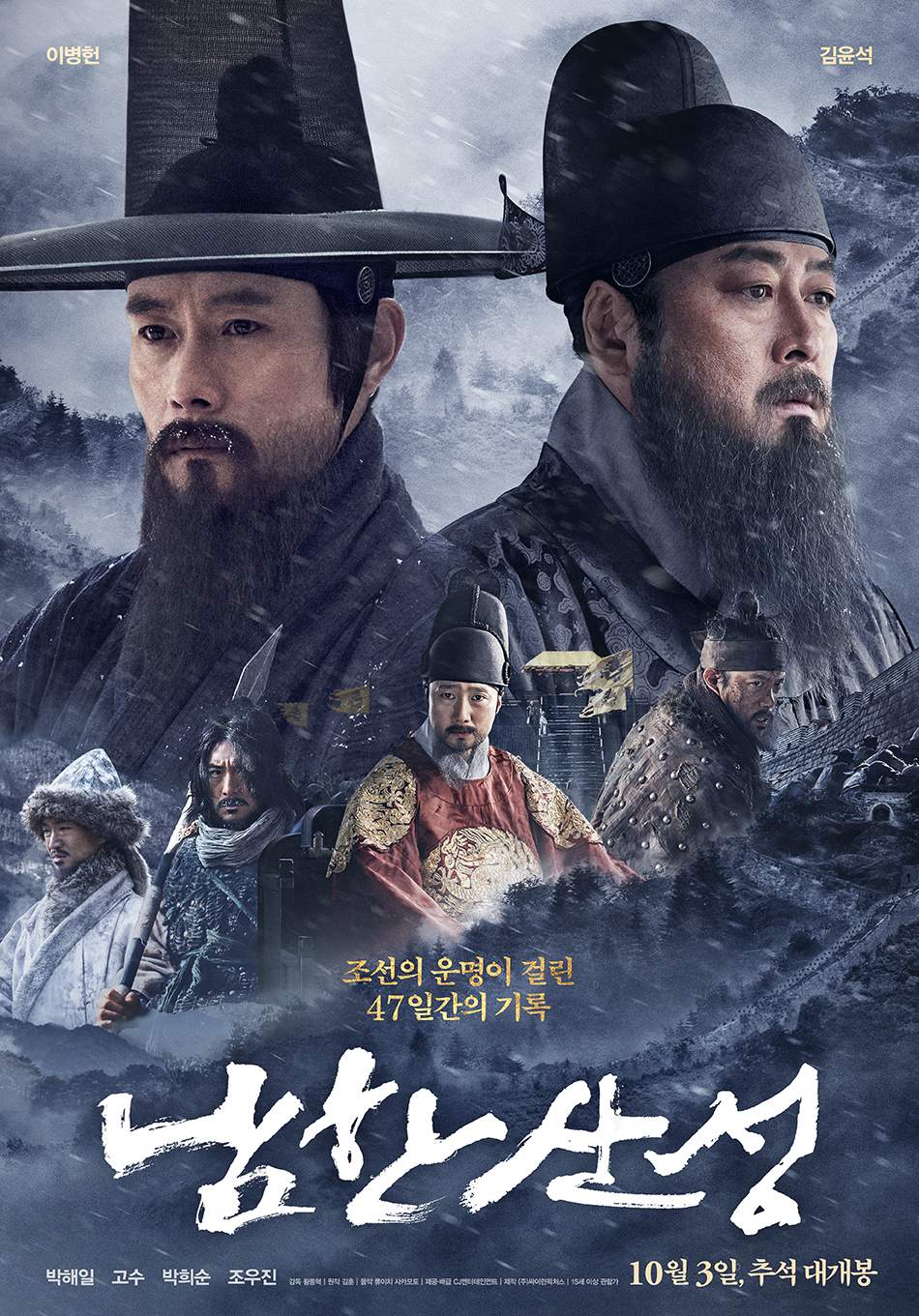
The Fortress (2017) Full Movie Breakdown
The Battle: Roar to Victory (2019) Story Summary & Characters
Battle of Jangsari (2019) Detailed Story Recap
My Country: The New Age (1000) Complete Plot Breakdown
Heaven’s Soldiers (2005) Detailed Story Recap
Welcome to Dongmakgol (2005) Complete Plot Breakdown
Hanbando (2006) Movie Recap & Themes
Once Upon a Time in China (1991) Detailed Story Recap
Inchon (1981) Story Summary & Characters
The Battle at Lake Changjin (2021) Plot Summary & Ending Explained
Fixed Bayonets! (1951) Ending Explained & Film Insights
The Taebaek Mountains (1994) Movie Recap & Themes
A Hill in Korea (1956) Full Movie Breakdown
Straits of Chosun (1943) Full Summary & Key Details
Battle Hymn (1957) Spoiler-Packed Plot Recap