
The Night of the Shooting Stars
Year: 1982
Runtime: 105 mins
Language: Italian
Directors: Paolo Taviani, Vittorio Taviani
The Night of San Lorenzo, known in Italian folklore as the night of the shooting stars when wishes are said to come true, provides the backdrop for a 1944 tale of war‑torn Italy. A band of locals abandons their village after rumors spread that the Nazis intend to destroy it and that American forces are poised to arrive and liberate them, prompting a desperate escape through a landscape scarred by conflict.
Warning: spoilers below!
Haven’t seen The Night of the Shooting Stars yet? This summary contains major spoilers. Bookmark the page, watch the movie, and come back for the full breakdown. If you're ready, scroll on and relive the story!
The Night of the Shooting Stars (1982) – Full Plot Summary & Ending Explained
Read the complete plot breakdown of The Night of the Shooting Stars (1982), including all key story events, major twists, and the ending explained in detail. Discover what really happened, and what it all means.
The film opens with a mother telling her sleeping son a memory from her childhood, a bedtime tale about wishes that come true when a shooting star streaks across the sky. She then recalls the summer of 1944 in a small Italian town at the tail end of World War II, and we become witnesses to the lives of several townsfolk, anchored by a young girl named Cecilia. Through her eyes, the film traces a time of fear, danger, and fragile hope as war presses in from all directions.
A newly married couple—the man and his pregnant fiancée—celebrate their union in a church, while their families exchange anxious glances, wary of the German danger that looms nearby. As defeat seems certain for the German army, they retreat, leaving behind a trail of destruction. The plan is grim: the Germans intend to blow up more buildings and order the villagers to assemble in the church. Half the town chooses to stay within the church, clinging to faith and safety, while the other half dresses in dark clothes to disappear into the night, hoping to join the rumored arrival of American liberators.
Inside the church, the bishop hopes to administer communion with whatever bread is available. Only two pieces exist, until a villager mentions she has a loaf. In an act of practicality and faith, the bishop asks the community to share what they have, blessing the gathered bread to substitute for the usual host. While this improvised communion takes place, a bomb detonates in the church, and chaos erupts as people flee, search for loved ones, and pull bodies from the wreckage. Among the trapped is the bride, whose mother and the others desperately try to help, while the groom returns only to face the heartbreaking realization that it is too late for her.
The surviving group presses on, moving toward safety with the help of partisans who are seen harvesting grain in the countryside. The partisans speak of reclaiming what the Fascists have stolen, and they offer a chance for transport to a city away from danger. The travelers join the day’s work, harvesting the fields while German planes pass overhead at midday, forcing them to lie low and stay hidden.
Cecilia remembers the night as a “San Lorenzo” night, the “night of wishes,” when shooting stars would usually bring hope, though the shadow of fear keeps those wishes from fully taking hold. The next day brings a brutal test: a small band of Fascists confronts the travelers. Casualties follow as the groups clash, and Cecilia witnesses the devastating moment when a Fascist kills her grandfather. As the danger closes in on her, she recites a rhyme her mother taught her to calm her fears; at that moment, a Roman soldier appears, delivering a fatal blow to the Fascist with spear and shield. In a dramatic flash, a line of Roman warriors appears and repels the threat, restoring a fragile sense of safety.
With the immediate danger behind them, the group finds refuge in a farm house for the night. There, the elderly leader of the caravan, Galvano, and Concetta, a woman among the older travelers, share a private moment that reveals years of unspoken feelings between them. The following morning brings news of liberation—the region has been freed by the U.S. Fifth Army. Jubilant but exhausted, the survivors decide to begin the long journey home, carrying with them the memories of what they endured and the uncertain promise of what lies ahead.
As the frame tale concludes, the mother finishes her story and tells her sleeping son to remember the rhymes she shared. It is revealed that she is the mother of [Cecilia], the child at the center of the story, tying the mythic wish of the night to a memory that endures beyond the war. The film ends with a quiet acknowledgment of resilience and the strange coincidence that memory itself can become a kind of wish fulfilled.
Last updated: October 09, 2025 at 14:55
The Night of the Shooting Stars (1982) Plot Questions Answered – Summary FAQ
Explore frequently asked questions about The Night of the Shooting Stars (1982) with spoiler-rich answers covering the full plot summary, major story beats, character motivations, hidden details, and ending meaning. This movie summary FAQ helps explain confusing scenes, plot twists, and narrative decisions in clear, searchable detail.
Why did the Germans bomb the church during the makeshift communion?
The Germans were carrying out a systematic withdrawal across Italy, destroying infrastructure as they retreated. The church was being used as a gathering point for villagers, and the bombing was part of their scorched-earth policy. The timing during the improvised communion was coincidental, the bomb detonated while the bishop was blessing the bread, turning a moment of religious hope into tragedy.
Earlier, the Germans had already blown up several buildings in town as they retreated, establishing their pattern of destruction.
Why did the groom leave his pregnant wife in the church instead of escaping with her?
The groom joined the retreating column to seek safety, believing the church would be protected as a sacred space. His pregnant wife and her mother stayed behind, trusting that the Germans would not target a church. This decision proved fatal when the church was bombed, the groom returned too late to save her.
The wedding scene shows the families exchanging anxious glances, hinting at the danger that loomsover the celebration.
Who were the Roman soldiers that appeared and saved Cecilia?
The Roman soldiers appear as a surreal, almost mythical element in the film. When a Fascist is about to kill Cecilia, she recites a rhyme her mother taught her, and a Roman soldier materializes with spear and shield to kill the Fascist. This can be interpreted as a magical realist moment, either a hallucination brought on by terror, or the film's way of showing how ancient Italian resilience and mythic heroism still protect the innocent in their darkest hour.
The opening frame story about wishes coming true establishes a tone where hope and magic can intersect with harsh reality.
How does the ending reveal that the mother telling the story is actually Cecilia?
At the end of the film, the mother finishes her story and asks her sleeping son to remember the rhymes she shared. It is then revealed that she is Cecilia, the child who experienced the events of 1944. The frame story bookends the narrative, Cecilia grew up and became a mother herself, passing down the memory of that night as a kind of living wish fulfilled through her own survival.
The entire film is told through Cecilia's perspective as a child, anchored by her eyes throughout the events.
Why did the villagers split between staying in the church and escaping into the night?
The villagers faced an impossible choice when they learned the Germans planned to destroy the town. Those who stayed believed the church would offer sanctuary as a sacred space, and some were too elderly or frail to travel. Others dressed in dark clothes to slip away, hoping to reach the American liberators. This split reflects different responses to terror, faith versus action, stillness versus movement.
The wedding scene establishes the community's fear and the tension between German occupation and hope for liberation.
What is the significance of the San Lorenzo night in the story?
San Lorenzo is the Italian night of shooting stars, traditionally a time when wishes come true. The film is set on this specific night, using it as a symbolic counterpoint to the brutal reality of war. While shooting stars streak across the sky, the terrified villagers are too consumed by fear and survival to make wishes, hope exists but cannot be reached. The frame tale connects this myth to the adult Cecilia telling her son about wishes, suggesting memory itself can become a wish fulfilled.
The opening scene establishes the shooting star wish motif before the war story begins.
How did the partisans help the villagers during their escape?
The partisans encountered the escaping villagers in the countryside and offered crucial assistance. They had transport to move people toward a safer city away from the conflict. The villagers helped the partisans harvest grain while hiding from German planes overhead. This alliance provided both physical protection and a sense of solidarity against the common Fascist enemy.
Earlier, the summary mentions partisans speaking of reclaiming what the Fascists had stolen, establishing their anti-Fascist stance.
Why was Cecilia's grandfather killed during the clash with Fascists?
During an afternoon confrontation between the travelers and a small band of Fascists, a brutal firefight erupted in the countryside. Cecilia's grandfather was caught in the exchange and killed, marking another devastating loss for the group. His death deepens the emotional weight of the journey and shows how war's violence spares no one, even elderly civilians.
The escalation of danger throughout the journey builds toward this violent confrontation.
What happened to the pregnant bride during the church bombing?
The young bride was inside the church when Fascists bombed it during the makeshift communion. She became trapped in the wreckage along with others. Her mother and others desperately tried to rescue her, but when the groom returned from his retreat, he faced the heartbreaking realization that it was too late, she had perished in the blast.
The earlier wedding scene establishes her as a newlywed and introduces her family, making her death a poignant loss.
What was the significance of Galvano and Concetta's private moment at the farm?
At the farm where the survivors took shelter for the night, Galvano (the elderly leader) and Concetta (an older traveler) shared a private moment revealing years of unspoken romantic feelings for each other. This tender scene provides emotional relief from the trauma, showing that even in desperate times, human connection and love persist. It also underscores the characters' humanity beyond the chaos of war.
Both characters have been present throughout the journey, but their personal history was not revealed until this quiet moment.
How did the survivors learn about liberation and what happened next?
The morning after the group found shelter at the farm brought news that the region had been liberated by the U.S. Fifth Army. The survivors celebrated in the rain, though their joy was mixed with exhaustion from their ordeal. With the immediate danger over, they decided to begin the long journey home, carrying the memories of what they endured and facing an uncertain but hopeful future.
The travelers had been moving toward rumored American liberators throughout their journey.

Explore Movie Threads
Discover curated groups of movies connected by mood, themes, and story style. Browse collections built around emotion, atmosphere, and narrative focus to easily find films that match what you feel like watching right now.
Movies about childhood in war like The Night of the Shooting Stars
Harsh realities of conflict filtered through the wonder and terror of a child's perspective.If you were moved by the childhood perspective in The Night of the Shooting Stars, discover other films that explore war through the eyes of the young. These movies capture the unique blend of innocence, terror, and surreal memory that defines a child's experience of conflict.
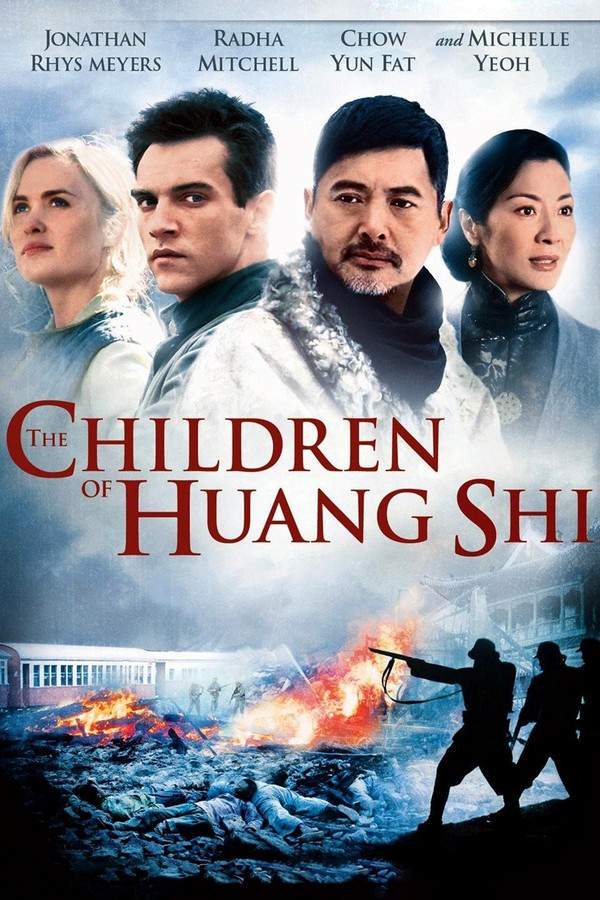
The Children of Huang Shi
2008
The Night of the Shooting Stars
1982

Battle Cry
1955

Once Upon a Time in a Battlefield
2003

The Shadow in My Eye
2021

The Great War
1959

Giovanni’s Island
2014
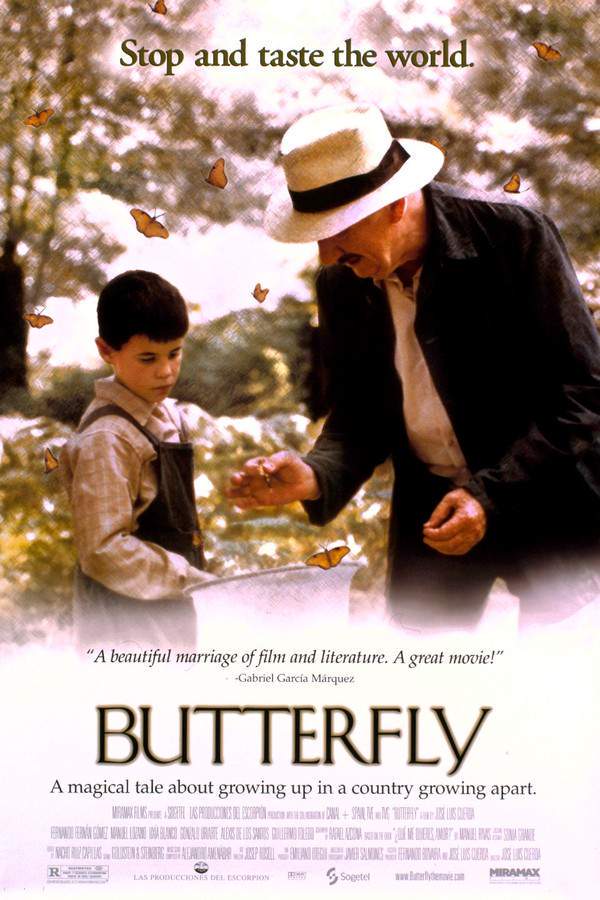
Butterfly Tongues
2000

Barefoot Gen 2
1986

Only The Brave
2006

Alsino and the Condor
1982
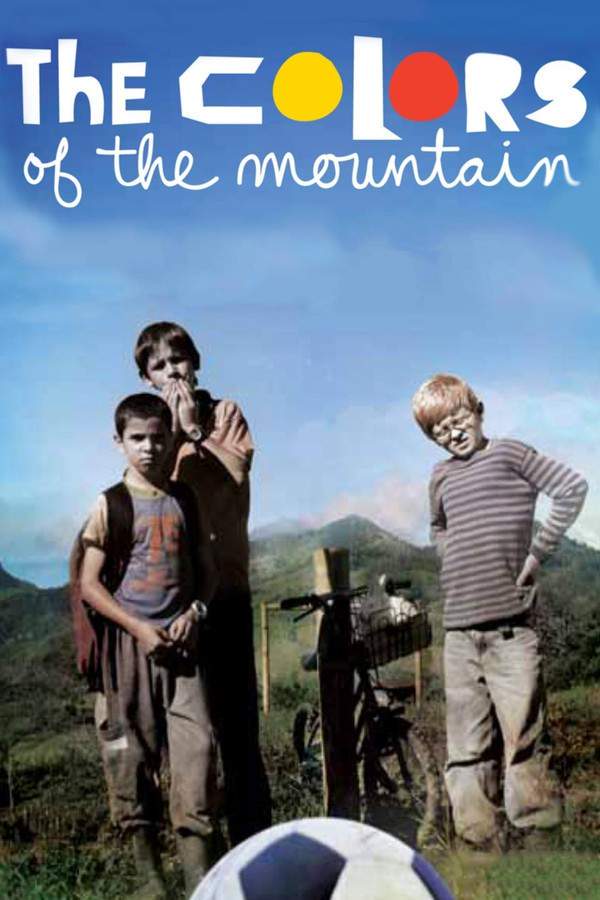
The Colors of the Mountain
2011

The Dawns Here Are Quiet
1972
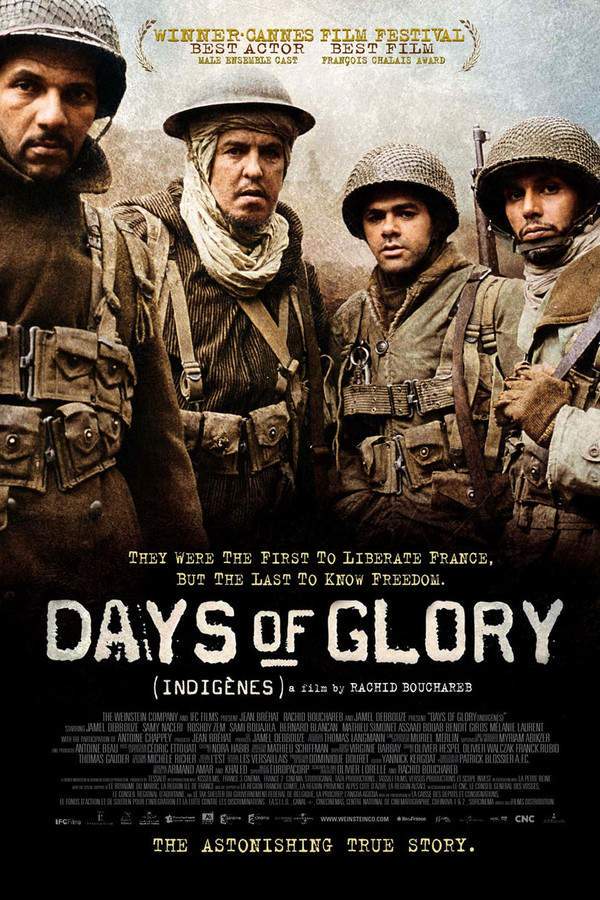
Days of Glory
2006

Strange Gardens
2003
Narrative Summary
The narrative follows a child protagonist navigating a world shattered by war, where moments of wonder coexist with terror. The story is often framed by memory, creating a bittersweet or reflective tone as the adult looks back on the formative, traumatic events of their youth.
Why These Movies?
These films are grouped by their unique perspective, which transforms a war story into something more intimate and mythic. They share a focus on how innocence is lost or preserved, a tone that balances harsh reality with moments of surreal hope, and a heavy emotional weight centered on memory and survival.
Community survival journey movies like The Night of the Shooting Stars
A group's perilous trek through a dangerous landscape, tested by internal and external threats.Fans of The Night of the Shooting Stars will appreciate these other films about a community's desperate journey for survival. Explore stories where a group's unity is tested by a perilous trek through war-torn or hostile landscapes, resulting in a bittersweet and heavy emotional experience.










Narrative Summary
The plot is driven by a group's need to escape a dire situation, traveling through a threatening environment. The narrative structure is often linear and steady, punctuated by episodic challenges that test the group's resolve and morality. The ending acknowledges survival but is underscored by the profound cost of the journey.
Why These Movies?
Movies in this thread share a high-intensity, steady-paced narrative centered on collective survival. They feature a strong sense of community, the moral dilemmas of group dynamics under duress, and a consistently bittersweet or heavy tone that acknowledges the scars left by the journey.
Unlock the Full Story of The Night of the Shooting Stars
Don't stop at just watching - explore The Night of the Shooting Stars in full detail. From the complete plot summary and scene-by-scene timeline to character breakdowns, thematic analysis, and a deep dive into the ending - every page helps you truly understand what The Night of the Shooting Stars is all about. Plus, discover what's next after the movie.
The Night of the Shooting Stars Timeline
Track the full timeline of The Night of the Shooting Stars with every major event arranged chronologically. Perfect for decoding non-linear storytelling, flashbacks, or parallel narratives with a clear scene-by-scene breakdown.

Characters, Settings & Themes in The Night of the Shooting Stars
Discover the characters, locations, and core themes that shape The Night of the Shooting Stars. Get insights into symbolic elements, setting significance, and deeper narrative meaning - ideal for thematic analysis and movie breakdowns.


Similar Movies to The Night of the Shooting Stars
Discover movies like The Night of the Shooting Stars that share similar genres, themes, and storytelling elements. Whether you’re drawn to the atmosphere, character arcs, or plot structure, these curated recommendations will help you explore more films you’ll love.
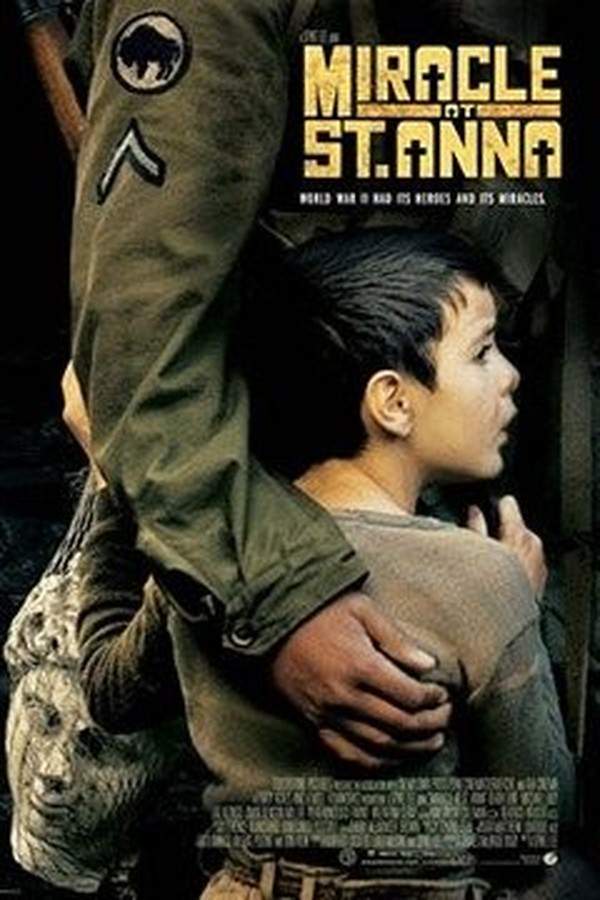
Miracle at St. Anna
2008

The Fall of Italy
1981

Night of Love
1954

Hornets’ Nest
1970

To Live in Peace
1947

The Truce
1997

Rome, Open City
1945

A Walk in the Sun
1945

Violent Summer
1959

The Deserter and the Nomads
1968

The North Star
1943

The Man Who Will Come
2009

Exterior Night
1000
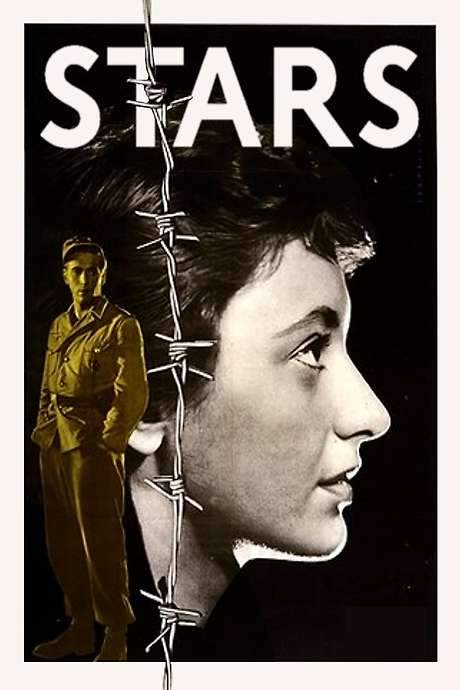
Stars
1959

The Four Days of Naples
1962
Explore More About Movie The Night of the Shooting Stars
The Night of the Shooting Stars (1982) Scene-by-Scene Movie Timeline
The Night of the Shooting Stars (1982) Movie Characters, Themes & Settings
The Night of the Shooting Stars (1982) Spoiler-Free Summary & Key Flow
Movies Like The Night of the Shooting Stars – Similar Titles You’ll Enjoy
Miracle at St. Anna (2008) Ending Explained & Film Insights
The Fall of Italy (1981) Movie Recap & Themes
Night of Love (1954) Story Summary & Characters
Hornets’ Nest (1970) Spoiler-Packed Plot Recap
To Live in Peace (1947) Complete Plot Breakdown
The Truce (1997) Plot Summary & Ending Explained
Rome, Open City (1945) Story Summary & Characters
A Walk in the Sun (1945) Plot Summary & Ending Explained
Violent Summer (1959) Spoiler-Packed Plot Recap
The Deserter and the Nomads (1968) Film Overview & Timeline
The North Star (1943) Full Summary & Key Details
The Man Who Will Come (2009) Full Summary & Key Details
Exterior Night (1000) Full Movie Breakdown
Stars (1959) Film Overview & Timeline
The Four Days of Naples (1962) Plot Summary & Ending Explained