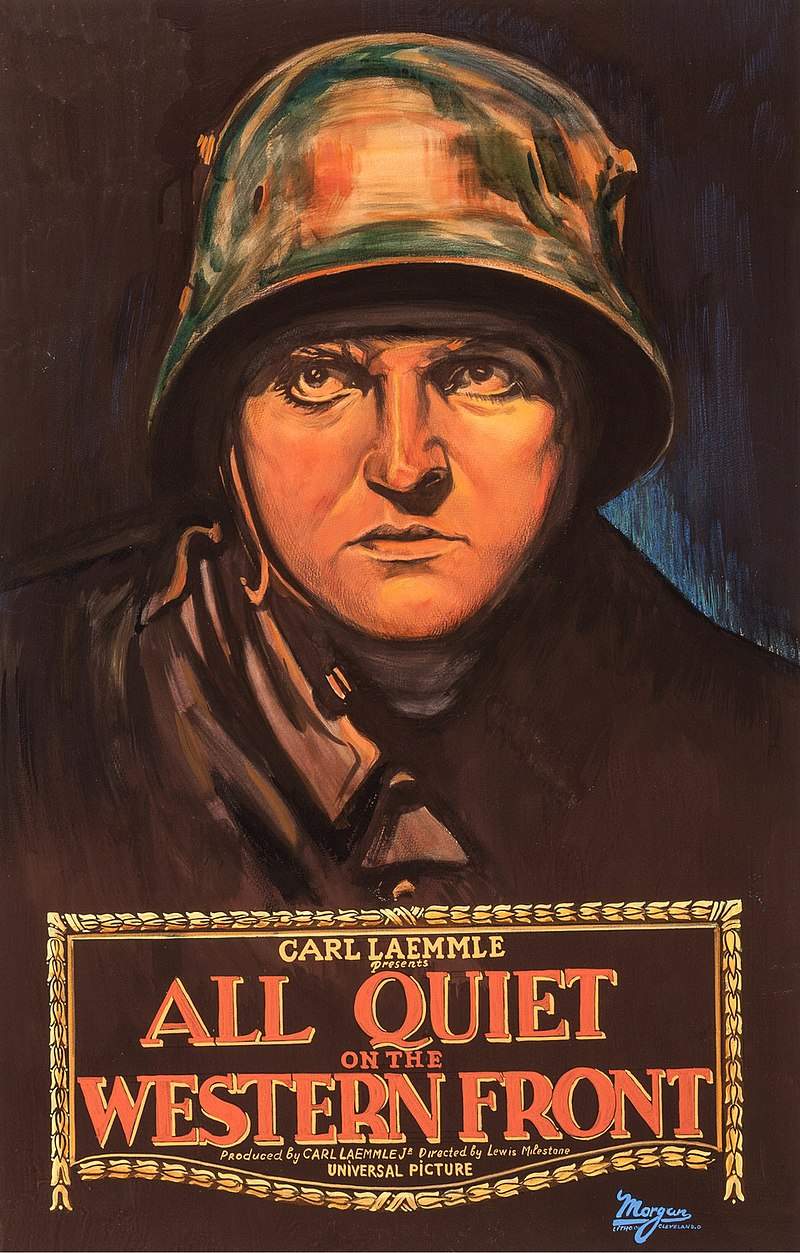
A squad of German machine gunners on the Western Front faces a tense debate about when the Great War will end. Among them, Willy Andy Devine stands out as a quick-witted, loyal presence, while the aristocratic Captain Von Hagen John Emery leads with a poised, almost ceremonial air. The Corporal reveals a calendar that makes the soldiers pause: tomorrow is November 11, 1918. As the company launches another assault on French lines, both sides pay a terrible price in casualties, yet the Germans somehow seize a trench. Unbeknownst to the troops below, the Armistice is being signed at that very moment, and the news reaches them just after 11 am, reshaping the meaning of every sacrifice they’ve made. The moment of peace lands with a complicated ache, and the men must reckon with what their victory truly cost.
With the ceasefire in effect, the soldiers peel away from the line and march back toward Germany. On the road, they encounter members of the American Expeditionary Forces, sharing cigarettes and food across a fragile, unspoken camaraderie. The encounter underscores a sobering truth: both sides poured lives into a conflict that could not be easily unwound. When they roll into a small French hamlet, whispers of a German Revolution spread, and the platoon medic proclaims that the soldiers now seem to be in charge. The Captain’s stripes come off, but not everyone welcomes the change; the Revolution feels like a test of loyalties as the survivors press on, with the Captain stubbornly staying in command until the last march home.
Back in Germany, the veterans struggle to reassemble their lives after years spent in the frontlines. The Corporal manages to secure a stable marriage, a rare bright note in an era of upheaval. The Lieutenant faces a brutal insult to his sense of identity when violent anti-government elements attack him while he still wears his uniform; he is saved by the courage of his comrades, and he learns, with a sting of personal betrayal, that the woman he believed to be his fiancée has been unfaithful with a man who avoided service and built wealth as a wartime profiteer. The war has left deep, unseen scars, and many realize that Germany has changed in fundamental ways while they were away at the front.
As the story moves toward its climactic reckoning, the betrayed officer’s path ends in tragedy: he kills the wealthy profiteer and faces a murder trial. Several fellow soldiers rise to defend him, arguing that the older generation bears responsibility for the war’s horrors and that his act, though brutal, arose from a reserve of necessity built over four years of killing. They insist that returning to “normal” after such a long and brutal fight is a kind of fighting insanity, and they urge the court to see the act not as simple murder but as a consequence of an era that demanded impossible compromises. In the closing moments, the film casts a wary eye toward the future, voicing apprehension about global rearmament and the persistent pull of power that could ignite new cycles of conflict if left unchecked.