Plot Explained Spoilers guaranteed!
Plot Explained

Browse by genre

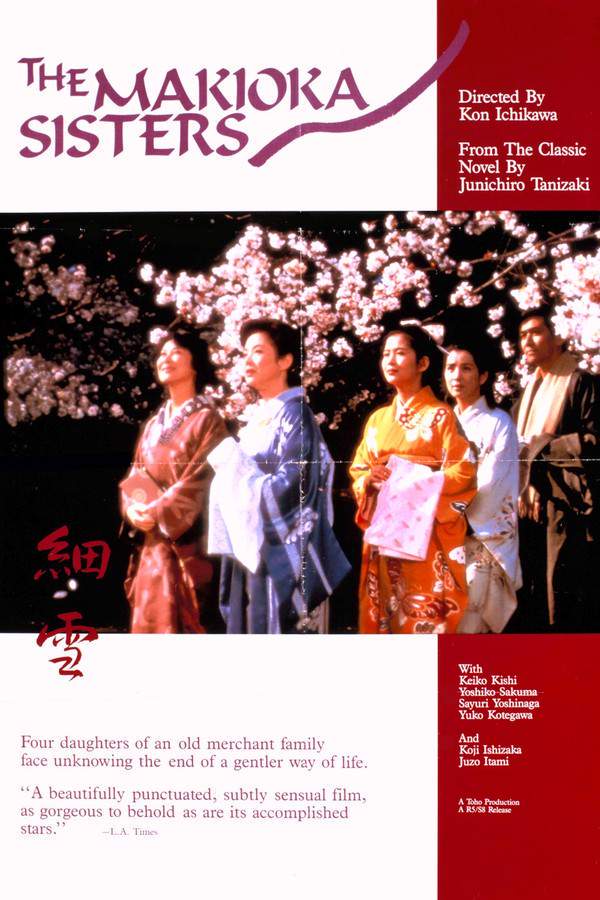
The Makioka Sisters (1983) movie poster

Characters & Themes

The Makioka Sisters (1983) Characters, Setting & Themes Explained

Release, runtime and language
1983 · 140 mins · Japanese
Directed by
Kon Ichikawa
Starring
Jûzô Itami, Akemi Negishi, Kuniko Miyake, Keiko Kishi, Yoshiko Sakuma, Koji Ishizaka

The film follows four Makioka sisters who reunite each spring in Kyoto to admire the cherry blossoms, using their ceremonies and daily rituals to illuminate the refined, pre‑war world of an affluent Osaka family. Their gatherings are interwoven with Japan’s changing seasons, reflecting the impermanence and beauty of both nature and tradition.

On this page (7)
  1. 1 Characters explained (9)
  2. 2 Where & when it takes place
  3. 3 Themes & meaning (3)
  4. 4 Character & meaning questions
  5. 5 Movie threads
  6. 6 Movies like The Makioka Sisters
  7. 7 Every angle

9 main characters · contains spoilers

The Makioka Sisters Characters Explained: Who Is Who

The main characters of The Makioka Sisters (1983), heroes and villains: what drives them, how they change over the course of the story and what each of them reveals about the film's bigger ideas.

  • Tatsuo (Jûzô Itami)

    Tatsuo is Tsuruko’s husband and a key figure of the main house who upholds clan responsibilities. He embodies a sense of duty and authority, yet his news of a Tokyo transfer hints at a changing geographic and social center for the family. He navigates pressure from the main house to maintain appearances.

    • 🧭 Duty
    • 🕴️ Authority
    • 🏛️ Tradition
  • Yukiko Makioka (Sayuri Yoshinaga)

    Yukiko is cautious and independent-minded, resisting early marriage proposals in favor of choosing a life on her own terms. She embodies traditional restraint while seeking a personal sense of worth beyond arranged matches. Her path reflects the tension between duty to the family and individual desire.

    • 🧭 Independence
    • 💍 Marriage
    • 🏛️ Tradition
  • Taeko Makioka (Taeko Shinbashi)

    Taeko is the youngest sister who rebels against family expectations, running away years earlier and later finding a new life with Miyoshi. Her journey from ornament of the main house to an autonomous woman shows resilience and a shift away from rigid codes. She remains central to the sisters’ concerns about the clan’s future.

    • 🎀 Rebellion
    • 🌸 Self-discovery
    • 🕊️ Freedom
  • Tsuruko Makioka (Keiko Kishi)

    Tsuruko is the heiress of the main house, tasked with upholding family honor and continuity. Her choices are constrained by duty, and she ultimately leaves for Tokyo with her husband, illustrating how tradition can yield to personal decisions. She embodies the tension between lineage and personal longing.

    • 👑 Heir
    • 🏠 Duty
    • 🧭 Change
  • Sachiko Makioka (Yoshiko Sakuma)

    Sachiko serves as the elder sister who anchors the family’s social calendar and supports Taeko’s and Yukiko’s dilemmas. Her actions reflect pragmatic compassion, and she becomes a bridge between the sisters as they navigate reputation and affection. She privately sustains hope for the clan’s cohesion.

    • 🪢 Family bonds
    • 🗺️ Guidance
    • 🧭 Moderation
  • Itakura

    played by Ittoku Kishibe

    Itakura is an apprentice-turned-photographer who captivates Taeko and becomes part of her emotional orbit. His untimely illness and death punctuate the fragility of personal happiness within the clan’s rigid structure. He represents a newer, more modern sense of identity that clashes with tradition.

    • 📷 Modern life
    • 💔 Tragedy
    • 🧭 Change
  • Miyoshi (Mancho Tsuji)

    Miyoshi is the honest, serious young man with whom Taeko finds a new life after leaving home. His presence offers Taeko stability and a path toward personal fulfillment beyond the main house’s expectations. He embodies quiet resilience and sincerity.

    • 💑 Honest love
    • 🕊️ Stability
    • 🌸 New beginnings
  • Higashiya (Takenori Emoto)

    Higashiya is the grandson of Viscount Higashidani, initially proposed as Yukiko’s potential husband. He represents the aristocratic option that contrasts with more traditional or modern matches. His potential union underscores the play of old money and evolving social norms.

    • 🏛️ Aristocracy
    • 💍 Matchmaking
    • ⚖️ Status
  • Tominaga's Aunt (Kuniko Miyake)

    Tominaga’s Aunt is part of the extended family circle, symbolizing the older generation’s influence and the way gossip and opinion shape family decisions. She embodies the clan’s expectations and the weight of familial memory.

    • 👵 Tradition
    • 🧭 Influence
    • 🗣️ Gossip

Last updated: October 04, 2025 at 13:02

Was this helpful?

Setting

Where and When Does The Makioka Sisters Take Place?

The setting of The Makioka Sisters (1983): the year and time period, the places and locations, and how they shape the characters, the mood and the tension of the story.

Time period

Spring 1938

The narrative unfolds in the late 1930s during the Shōwa era, a time of rising modernization tempered by longstanding family codes. Arranged marriages and alliances govern the marriage market, underscoring status and duty within the clan. Personal happiness often contends with social expectations as the characters navigate change on the eve of broader national upheaval.

Location

Kobe, Osaka, Kyoto, Tokyo

Set mainly in the Kansai region (Kobe and Osaka) with visits to Kyoto and Tokyo. The locations reflect the Makioka clan’s traditional homes, merchant world, and social rituals of prewar Japan. Travel between cities highlights the tension between regional loyalty and the pull of modern urban life in the late 1930s.

  • ❄️ Kansai
  • 🗼 Tokyo
  • 🌸 Kyoto

Last updated: October 04, 2025 at 13:02

Was this helpful?

3 major themes

The Makioka Sisters Meaning: Themes & Message Explained

What is The Makioka Sisters (1983) really about? The emotional, social and philosophical themes the film keeps returning to, its symbolism and the message beneath the surface.

  • Family duty

    The Makioka clan operates under a strict hierarchy where the main house and branches seek to preserve lineage. The sisters must balance personal wishes with obligations to succession, reputation, and arranged matches. Tradition permeates daily life, influencing choices about whom to marry and where to live.

  • Reputation

    Public image and rumor drive much of the plot, as a newspaper misprint inflames tensions around Taeko and Yukiko. The clan’s social standing depends on careful marriages and appearances, making every private choice a matter of public record. Gossip becomes a force that can alter futures and force difficult compromises.

  • Change and resilience

    Characters seek personal happiness within rigid conventions, with Taeko’s pursuit of a new life and Itakura’s death signaling shifts in the family’s world. The move to Tokyo and Taeko’s relationship with Miyoshi illustrate how individuals adapt when tradition meets modernity. The film traces how tradition endures even as new paths emerge.

Last updated: October 04, 2025 at 13:02

Was this helpful?

Character & theme questions

The Makioka Sisters Characters & Meaning: Your Questions Answered

The questions people ask about The Makioka Sisters (1983): who the characters really are, their relationships, what the symbols mean, where it takes place and what the movie is really about. Each answer contains spoilers.

Q1

Where is the movie set?

The story unfolds primarily in the Kansai region, centered on the Makioka family's traditional homes in Osaka and Kobe. The sisters also travel to Kyoto for their annual cherry blossom viewing and make a trip to Tokyo, reflecting the tension between regional tradition and the pull of modern urban life in prewar Japan.

  • kansai
  • osaka
  • kyoto
  • kobe
  • setting
  • locations
Q2

What time period does the film take place in?

The narrative is set in spring 1938 during Japan's Shōwa era, a period of increasing modernization that still held firmly to longstanding family codes and traditions. This late 1930s setting places the story on the eve of broader national upheaval.

  • 1938
  • showa era
  • time period
  • prewar japan
  • 1930s
Q3

What does the film say about family duty?

The Makioka sisters must constantly balance personal wishes against obligations to family succession, reputation, and arranged marriages. The strict clan hierarchy governs daily life, and choices about marriage and residence are rarely purely personal, often serving the main house's interests.

  • family duty
  • tradition
  • clan
  • hierarchy
  • marriage
  • obligations
Q4

How does reputation shape the sisters' lives?

Public image and rumor drive much of the plot, as a newspaper misprint inflames tensions around Taeko and Yukiko. The clan's social standing depends on careful marriages and maintaining appearances, making every private choice a matter of public record that can alter futures.

  • reputation
  • gossip
  • social standing
  • rumor
  • marriage
  • appearances
Q5

What does the film say about change and tradition?

Characters seek personal happiness within rigid conventions, with Taeko's pursuit of a new life and Itakura's death illustrating how individuals adapt when tradition meets modernity. The film traces how tradition endures even as new paths emerge, showing resilience in the face of inevitable change.

  • change
  • tradition
  • modernity
  • resilience
  • adaptation
Q6

Who are the four Makioka sisters?

The four sisters are Tsuruko (the heiress of the main house), Sachiko (the elder sister who anchors the family's social calendar), Yukiko (the independent-minded sister who resists early marriage proposals), and Taeko (the youngest who rebels against family expectations by running away).

  • makioka sisters
  • characters
  • tsuruko
  • sachiko
  • yukiko
  • taeko
Q7

Who is Yukiko Makioka and what does she want?

Yukiko is cautious and independent-minded, resisting early marriage proposals in favor of choosing a life on her own terms. She embodies traditional restraint while seeking a personal sense of worth beyond arranged matches, reflecting the tension between duty to the family and individual desire.

  • yukiko
  • independence
  • marriage
  • personal choice
  • duty
Q8

Why does Taeko leave the Makioka family?

Taeko, the youngest sister, rebels against family expectations by running away from the main house. Her journey represents a shift away from rigid family codes as she finds a new life with Miyoshi, showing resilience and pursuing autonomy over arranged marriage.

  • taeko
  • rebellion
  • leaving family
  • miyoshi
  • autonomy
  • tradition
Q9

What is Tsuruko's role in the family?

Tsuruko is the heiress of the main house, tasked with upholding family honor and continuity. Her choices are constrained by duty, and she ultimately leaves for Tokyo with her husband Tatsuo, illustrating how lineage obligations can yield to personal decisions.

  • tsuruko
  • heiress
  • main house
  • family honor
  • duty
  • tokyo
Q10

What is the significance of the cherry blossom viewing?

The sisters reunite each spring in Kyoto to admire the cherry blossoms, using this ceremony to illuminate the refined world of their affluent Osaka family. The annual ritual reflects the Japanese concept of mono no aware, the bittersweet awareness of impermanence in both nature and tradition.

  • cherry blossoms
  • kyoto
  • ritual
  • impermanence
  • tradition
  • seasons
Q11

What social world does the film portray?

The film depicts the prewar Osaka merchant class, a refined, affluent world where traditional homes and social rituals define daily life. The Makioka clan represents an established family navigating the tension between maintaining their status and responding to Japan's rapid modernization.

  • osaka
  • merchant class
  • prewar
  • social class
  • tradition
  • modernization
Q12

Who is Itakura and what happens to him?

Itakura is an apprentice-turned-photographer who captivates Taeko and becomes part of her emotional orbit. His untimely illness and death punctuate the fragility of personal happiness within the clan’s rigid structure, representing a newer, more modern sense of identity that clashes with tradition.

  • itakura
  • photographer
  • death
  • modern identity
  • tradition clash

Movie threads

More Movies Like The Makioka Sisters, by Mood & Story

Curated lists built around what makes The Makioka Sisters tick: the same mood, the same kind of story or the same emotional payoff. Each list explains why these movies belong together.

Movies about fading traditions like The Makioka Sisters

Beautiful, slow-paced stories about the quiet loss of old-world grace. If you enjoyed the elegant and melancholic mood of The Makioka Sisters, this collection showcases similar films that explore beautiful worlds in transition. Find movies like this that capture fading traditions, changing societies, and the bittersweet feeling of impermanence through graceful, character-driven stories.

  • elegant
  • melancholic
  • nostalgic
  • serene
  • contemplative
  • observational
  • Tone: melancholic, contemplative, elegant
  • Pacing: slow, deliberate, atmospheric
Why these movies?

The story pattern: Narratives in this thread are often observational and character-centric, unfolding through rituals, seasons, or daily life rather than high-stakes plots. The central conflict typically arises from the subtle tension between personal desires and societal duty, or the inexorable passage of time eroding cherished customs.

Why they belong together: Movies are grouped here for their shared serene yet melancholic tone, their focus on the aesthetics of a specific time and place, and their exploration of how individuals navigate the gentle, inevitable collapse of the worlds they know.
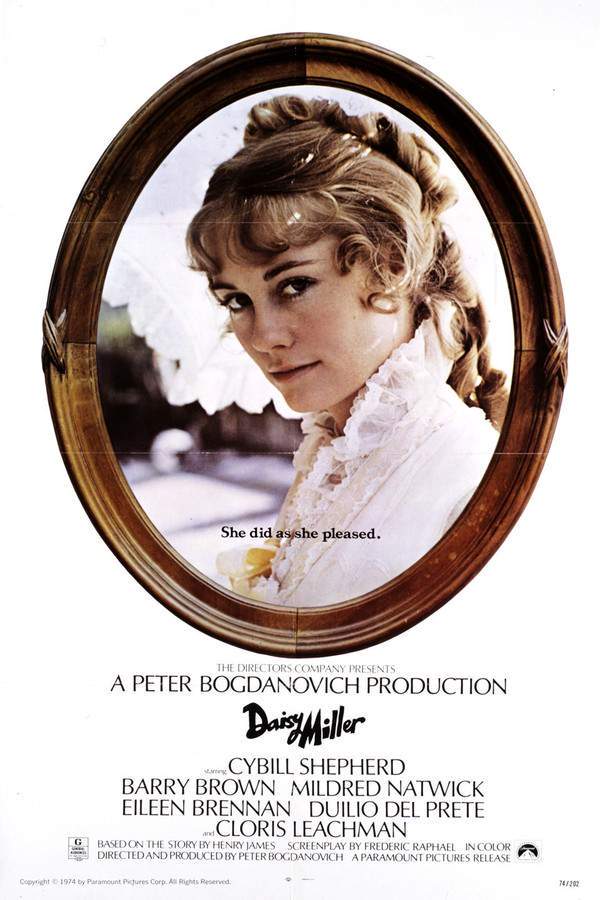
Movies about sisterhood and family duty like The Makioka Sisters

Intimate dramas where family bonds are tested by custom and expectation. For viewers who liked the family dynamics in The Makioka Sisters, this list features movies with similar themes of sisterhood, marriage customs, and societal pressure. Discover character-driven dramas where the bonds between siblings are central to the narrative and shaped by their cultural context.

  • family drama
  • sisterhood
  • societal pressure
  • marriage customs
  • character-driven
  • interwoven lives
  • Tone: observational, dramatic, bittersweet
  • Pacing: steady, character-driven
Why these movies?

The story pattern: These stories follow the interconnected lives of sisters, often using their relationships as a microcosm for larger societal shifts. The plot revolves around pivotal events like marriages, reunions, or conflicts that force the characters to negotiate their individual identities within the strictures of their family and culture.

Why they belong together: This thread connects films through their shared focus on the intricate dynamics of sisterhood, the thematic exploration of marriage and custom as social forces, and a moderate narrative complexity derived from multiple character perspectives within a single family unit.

If you liked this

Movies Like The Makioka Sisters

Similar movies to The Makioka Sisters: the same genre, themes or kind of story. Each one comes with its own plot summary, timeline and ending explained.

Browse all movie summaries

Every angle

The Makioka Sisters (1983) Explained: Plot, Timeline & Characters

Everything about The Makioka Sisters in one place: what happens in the plot summary, the timeline in chronological order, the characters and meaning. What's After the Movie adds the cast, box office and post-credit scenes.

Coming soon on iOS and Android

The Plot Explained Movie Summary App

Plot summaries, endings explained and timelines on your phone. Catch up on any movie in minutes, save your favorites and never miss a twist again.

Be the first to know when we launch. Your email stays private, always.

Learn more about the app