Plot Explained Spoilers guaranteed!
Plot Explained

Browse by genre

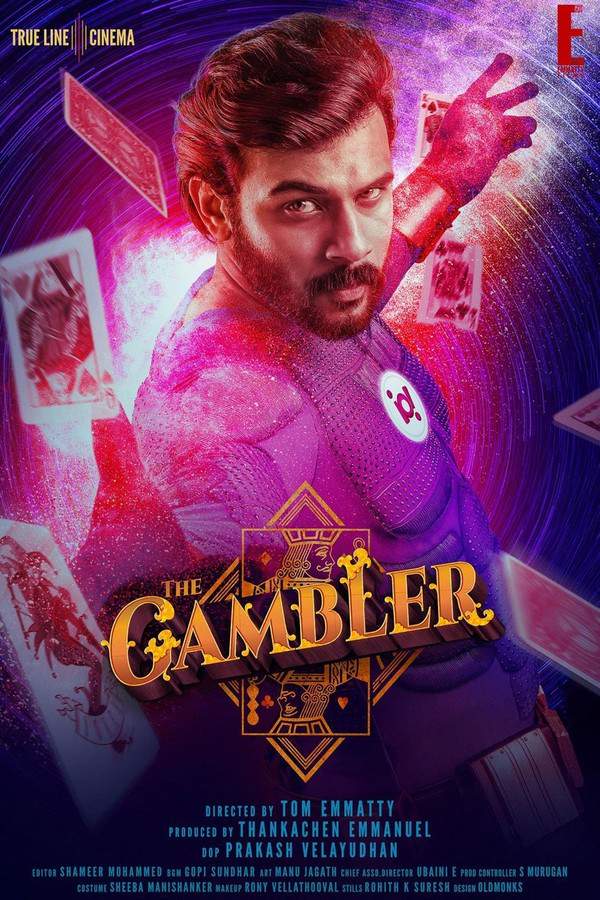
The Gambler (2014) movie poster

Plot Summary

The Gambler (2014) Plot Summary Explained

Release, runtime and language
2014 · 111 min · Malayalam
JustWatch #20,387 8
Directed by
Rupert Wyatt
Starring
Brie Larson, Mark Wahlberg, Richard Schiff, John Goodman, Jessica Lange, Michael K. Williams
Budget
$25M

Jim Bennett, an English professor with a serious gambling problem, finds himself deeply in debt to a powerful and dangerous gangster. Desperate to repay what he owes, he makes a high-stakes wager that puts his life on the line. As he struggles to find a way out, Bennett is forced to confront his past mistakes and navigate a perilous world of crime and deception, where every move is a risk.

On this page (6)
  1. 1 Where to watch
  2. 2 What happens: full plot
  3. 3 Plot questions answered
  4. 4 Movie threads
  5. 5 Movies like The Gambler
  6. 6 Every angle

Where to watch

Where to Watch The Gambler (2014)

Where can you watch The Gambler? Stream, rent or buy it in the US, including on Amazon Prime Video, Paramount Plus Essential and Hoopla: current JustWatch availability with up-to-date prices.

Streaming availability powered by JustWatch

Full plot summary · contains spoilers

What Happens in The Gambler: Full Plot Summary

The whole story of The Gambler (2014) explained, from the opening scene to the final frame: every key event, every twist and what it all adds up to. Read it as a quick recap before the sequel, to check a scene you missed, or to finally understand what really happened.

Jim Bennett, portrayed by Mark Wahlberg, is an academic in Los Angeles, grappling with a crippling addiction to gambling that stems from his all-or-nothing perspective on life. After attending his grandfather’s funeral, Jim finds himself at a high-stakes gambling den, having been disinherited by his father, Jonathan. He initially enjoys success at the blackjack table, winning $80,000 swiftly, but the tide soon turns against him. In a desperate bid to cover escalating debts, he borrows $240,000 from Lee, the owner of the gambling ring, and an additional $50,000 from Neville Baraka, portrayed by Michael K. Williams, a loan shark who, intrigued by Jim's gambling prowess, offers him a stake with steep interest.

Despite a promising win of $160,000, Jim’s ambition leads him to gamble recklessly on a game of roulette, risking it all on a single bet, only to face defeat when the wheel lands on red instead of black. With a death threat looming over him, as Lee demands repayment within seven days, Jim's peril escalates.

Amid this chaos, he notices a spark in his student, Amy Phillips, played by Brie Larson, whom he recognizes as a potential literary talent after previously encountering her as a waitress at Lee's establishment. Amy harbors an eagerness to connect with Jim, but he instinctively attempts to keep things professional, despite her persistent advances.

As pressure mounts, Jim contemplates seeking further financial assistance from Frank, a loan shark embodied by John Goodman, who offers to lend a substantial amount at exorbitant weekly interest, demanding Jim admit, “I am not a man.” Ultimately, Jim turns to his mother, Roberta, played by Jessica Lange, convincing her to give him money to settle his debts but squandering it at the casino while on a date with Amy, who is both mesmerized and drawn into Jim's high-stakes world.

With just days remaining until his deadline, Jim finds himself in a dire situation when Baraka kidnaps him, threatening Amy’s life unless he secures a point-shaving victory for his student Lamar. Forced into a morally dubious scheme, Jim persuades Lamar to manipulate the outcome of a basketball game to save Amy.

Utilizing funds from Frank to gamble on Lamar’s game pays off, and Jim gains enough to settle his debts. He then cleverly sets up a risky wager on a single roulette spin, which could potentially clear both Lee and Frank’s claims against him. Against all odds, he emerges victorious, defiantly rejecting Frank's offer to return excess funds.

With a new lease on life, Jim, now debt-free but financially ruined, races through the city to reunite with Amy. He’s left with the realization that though broke, he’s finally free from the chains of his gambling addiction.
Last updated: November 08, 2024 at 01:36

Was this helpful?

Plot questions answered

The Gambler Plot Explained: Your Questions Answered

The questions people ask most about The Gambler (2014): what happens in the confusing scenes, why the characters do what they do, the twists, hidden details and what the ending means. Each answer contains spoilers.

Q1

Why does Jim keep gambling after winning $80,000 at blackjack?

Jim's gambling stems from his all-or-nothing worldview, which the film establishes as a core character trait. After winning $80,000, he could have walked away but his addiction compels him to continue chasing bigger wins. This pattern reflects how compulsive gamblers often increase their bets after a win, believing they are invincible or seeking an even greater rush.

  • gambling addiction
  • blackjack
  • compulsion
  • all-or-nothing
Q2

Why does Jim borrow $240,000 from Lee instead of stopping?

Jim borrows massive sums because he believes he can win back everything he has lost. After his initial win, he becomes overconfident and keeps doubling down to recover his losses. When he loses, he panics and borrows more in a desperate attempt to dig himself out of debt, not realizing he is only making his situation worse.

Foreshadowing: Earlier in the film, Jim's reckless behavior at the blackjack table demonstrates his inability to walk away while ahead.

  • debt
  • loan sharks
  • gambling losses
  • desperation
Q3

What is point-shaving and why does Baraka want Lamar to fix the game?

Point-shaving is when a player intentionally scores fewer points than the actual final score to influence betting outcomes. Baraka forces Jim to orchestrate this because he can profit by placing bets on the manipulated game results. Baraka sees Jim's position as a basketball coach as the perfect opportunity to fix a game and pay off Jim's debt through illegal gambling profits.

  • point-shaving
  • basketball fix
  • Baraka
  • Lamar
  • illegal betting
Q4

Why does Jim agree to make Lamar fix the basketball game?

Jim agrees because Baraka kidnaps him and threatens to kill Amy if Jim doesn't comply. Jim is forced into an impossible situation where the only way to save Amy's life is to compromise his student's future by involving Lamar in illegal point-shaving. This represents the moral low point of Jim's descent.

  • Lamar
  • kidnapping
  • Amy
  • moral compromise
  • threat
Q5

Why does Jim place one final roulette bet after already settling his debts?

After paying off Lee, Jim still owes Frank a substantial amount. Rather than accepting Frank's offer to keep the excess winnings, Jim places everything on a single roulette spin to eliminate both debts completely. This final gamble represents his refusal to accept a partial victory - he must win completely or lose everything, staying true to his all-or-nothing philosophy.

  • roulette
  • final bet
  • Frank
  • all-or-nothing
  • debt
Q6

Why does Jim take his mother's money to the casino instead of paying his debts?

Jim convinces his mother Roberta to give him money to pay off his debts, but instead squanders it at the casino while on a date with Amy. This moment shows how far Jim has fallen - he manipulatively uses his mother's love and trust, then immediately betrays that trust. It demonstrates that his addiction has overtaken his moral judgment completely.

  • Roberta
  • mother
  • casino
  • betrayal
  • manipulation
Q7

Why does Frank make Jim say 'I am not a man' to get the loan?

Frank's humiliating requirement reflects his predatory nature and desire to psychologically dominate his borrowers. By forcing Jim to verbally renounce his masculinity, Frank asserts power and ensures Jim feels completely beholden to him. This psychological manipulation ensures Jim will do whatever it takes to repay, including accepting further degrading terms.

  • Frank
  • loan shark
  • humiliation
  • psychological control
Q8

Why does Jim refuse to take extra money from Frank after winning at roulette?

After winning the final roulette bet, Jim has enough to cover both Lee's and Frank's debts. When Frank offers to give him the excess winnings, Jim refuses outright. This represents Jim finally breaking free from the cycle of borrowing and dependency. He chooses to be completely broke but debt-free rather than accept any more help from a predatory lender.

  • Frank
  • independence
  • debt-free
  • refusal
  • self-respect
Q9

Why was Jim disinherited by his father Jonathan?

Jim was disinherited because of his gambling addiction and the shame it brought to the family. His father Jonathan had already cut him off financially, and the disinheritance after the grandfather's funeral shows just how severe Jim's behavior had become. This family rejection is what drives Jim back to gambling in the first place - he seeks solace and a way to prove himself.

  • Jonathan
  • father
  • disinheritance
  • family rejection
  • shame
Q10

What happens to Amy after Jim's final roulette win?

After Jim wins his final bet and becomes debt-free, he rushes through the city to find Amy. The film ends with them reuniting, suggesting they will attempt a relationship now that Jim is free from his debts and addiction. Amy has been drawn into Jim's dangerous world throughout the film, and the ending implies she will be part of his new life as he tries to overcome his gambling problem.
  • Amy
  • reunion
  • relationship
  • ending
  • freedom
Q11

Why does Jim lose everything when the roulette wheel lands on red?

Jim places a single massive bet on black during roulette, but the wheel lands on red, causing him to lose all $240,000 he borrowed from Lee plus his original winnings. The randomness of roulette represents the ultimate expression of Jim's all-or-nothing philosophy - a single spin can destroy everything, which is exactly what happens.

  • roulette
  • red
  • black
  • losing
  • bet
Q12

Why does Baraka kidnap Jim and threaten Amy?

Baraka kidnaps Jim because Jim cannot repay the $50,000 loan plus interest within the seven-day deadline set by Lee. Rather than simply killing Jim, Baraka sees an opportunity to force Jim into helping him fix basketball games through Jim's student Lamar. Threatening Amy gives Baraka psychological leverage over Jim, ensuring his cooperation in the point-shaving scheme.

  • Baraka
  • kidnapping
  • Amy
  • threat
  • point-shaving scheme

Movie threads

More Movies Like The Gambler, by Mood & Story

Curated lists built around what makes The Gambler tick: the same mood, the same kind of story or the same emotional payoff. Each list explains why these movies belong together.

Movies about self-destructive addiction like The Gambler

Intense stories of characters spiraling into addiction and facing the consequences. If you liked the intense portrayal of gambling addiction in The Gambler, explore other movies that delve into self-destructive spirals. These films feature characters grappling with powerful addictions, showing the heavy emotional toll and dangerous risks involved in their desperate journeys.

  • addiction
  • self-destruction
  • desperate
  • anxious
  • high-stakes
  • downward spiral
  • Tone: tense, desperate
  • Pacing: fast, urgent
Why these movies?

The story pattern: This thread groups films centered on a straightforward downward spiral fueled by a central addiction. The plot typically follows a linear progression of escalating risks and consequences, driven by the protagonist's compulsion, culminating in a crisis that forces a painful reckoning.
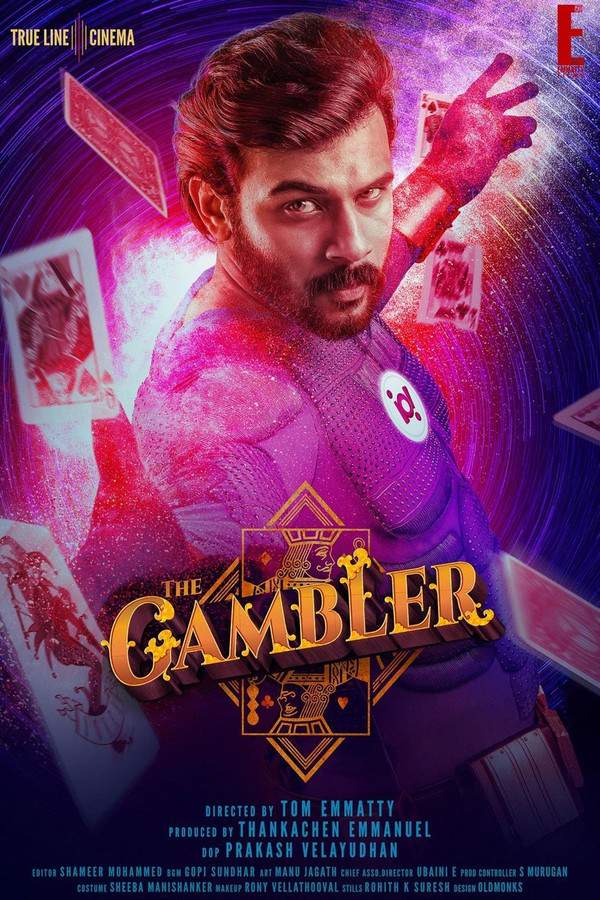
Why they belong together: Movies are grouped here based on their shared intense, heavy, and anxious mood, focused on the raw, destructive nature of addiction. They feature fast pacing, high emotional stakes, and a tense tone that keeps viewers on edge as the characters' lives unravel.
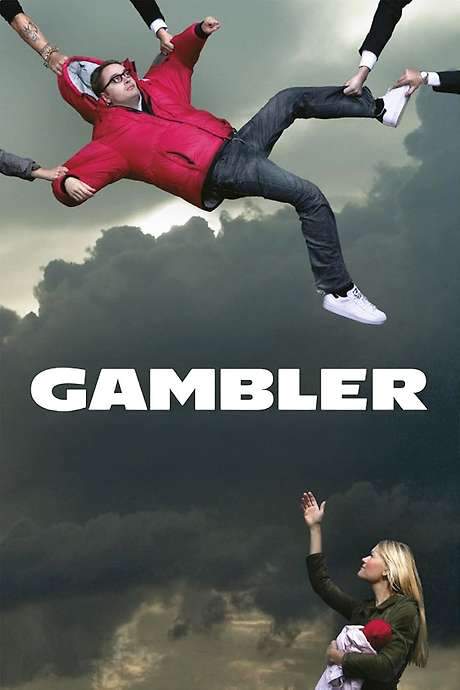
High-stakes gamble thrillers similar to The Gambler

Thrillers where a desperate character risks everything on a final, dangerous bet. For viewers who enjoyed the high-risk desperation of The Gambler, this collection features movies about characters making one final, dangerous wager to save themselves. These crime and thriller stories are defined by tense pacing, moral ambiguity, and life-changing stakes.

  • high-stakes
  • desperate
  • risk-taking
  • tense
  • crime
  • debt
  • Tone: tense, bleak
  • Pacing: fast, relentless
Why these movies?

The story pattern: The narrative pattern involves a character in a desperate, inescapable situation—often deep debt to dangerous people—who sees one extremely risky gamble as their only way out. The plot is a straightforward, fast-moving chain of events leading to the climactic bet, exploring themes of risk, redemption, and moral compromise.

Why they belong together: These movies share a specific vibe of relentless tension and financial or existential desperation. They are united by their fast pacing, high intensity, and a plot structure that hinges on a single, monumental risk, creating a cohesive experience of anxiety-fueled thrillers.

If you liked this

Movies Like The Gambler

Similar movies to The Gambler: the same genre, themes or kind of story. Each one comes with its own plot summary, timeline and ending explained.

Browse all movie summaries

Every angle

The Gambler (2014) Explained: Plot, Timeline & Characters

Everything about The Gambler in one place: what happens in the plot summary, the timeline in chronological order, the characters and meaning and a spoiler-free summary. What's After the Movie adds the cast, box office and post-credit scenes.

Coming soon on iOS and Android

The Plot Explained Movie Summary App

Plot summaries, endings explained and timelines on your phone. Catch up on any movie in minutes, save your favorites and never miss a twist again.
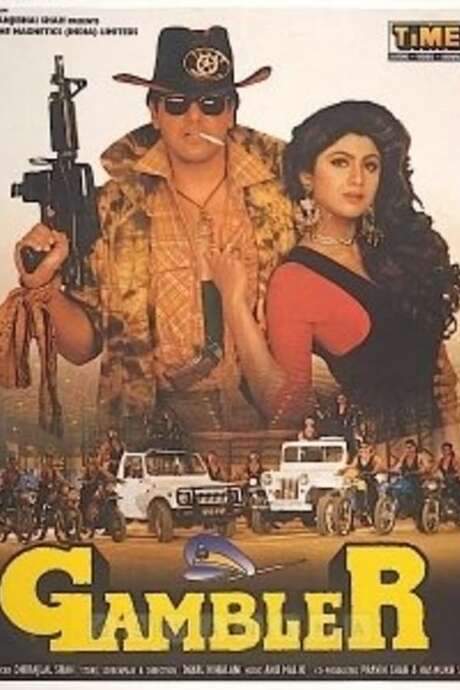
Be the first to know when we launch. Your email stays private, always.

Learn more about the app