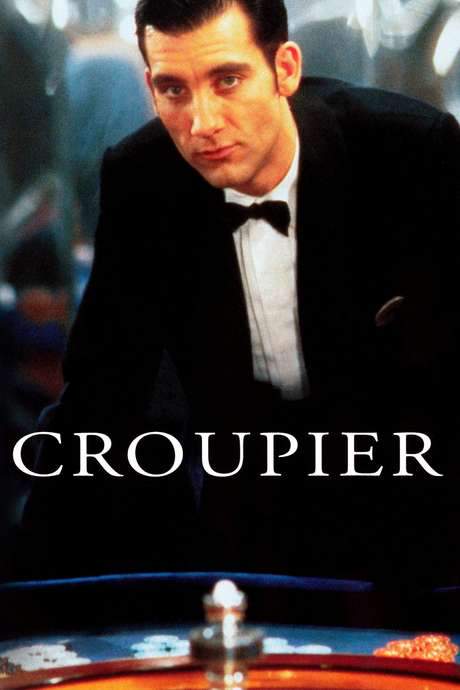
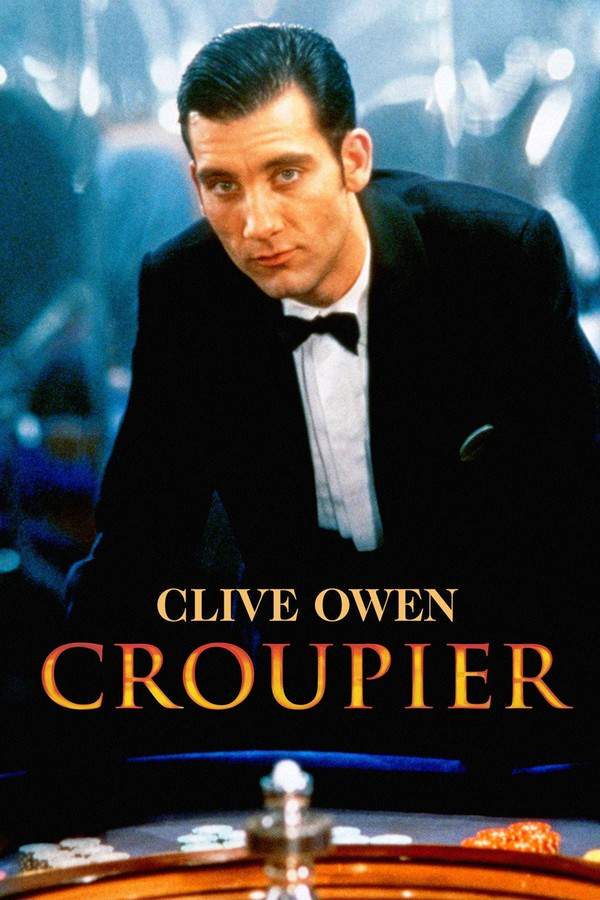
Jack Manfred is an aspiring but as yet unsuccessful writer who takes a job as a croupier at a local casino to make ends meet. The interview, arranged by his father—a small-time hustler back home in South Africa—offers a doorway into a world that promises both money and a certain thrill. As soon as he steps behind the tables, the casino atmosphere pulls him in, slowly steering his days toward long shifts, smoky rooms, and the seductive lure of easy money.
He gravitates toward the social life the casino affords, spending evenings drinking with Matt, a fellow croupier who he knows is cheating the house. The line between entertainment and obligation blurs as prizes, debts, and the pressure to win stack up. In a moment of personal recklessness, he sleeps with Bella, a fellow croupier, defying casino policy and risking both his job and his relationship.
Back home, his girlfriend becomes entangled in this volatile spiral. The strains intensify after he lets her read part of his book, a manuscript that portrays a cold, unfeeling croupier who takes pleasure in gamblers’ losses—a thinly veiled reflection of Jack himself. The revelation drives a wedge between them, and Marion Nell feels the distance growing. Bella confronts Jack at his apartment, accusing him of getting her fired and then telling Marion about their one-night stand, tightening the net of suspicion around him.
Amid the personal chaos, a gambler named Jani De Villiers tries to befriend Jack and eventually lures him into a plan that seems to offer a way out of the grind. Jani proposes that Jack become the inside man for a planned robbery at the casino, promising a handsome payoff. Jack, drawn by the prospect of change, agrees to participate and takes a £10,000 advance, with the potential for another £10,000 if the plan goes off without a hitch. In the process, he discovers that Jani’s bruises are fake, casting a darker shadow over the entire scheme.
Marion tries to salvage their relationship while grappling with the reality of Jack’s involvement in criminal activity. She deletes a phone message that would warn him the robbery is on and, instead, alerts a former police colleague, hoping to intervene in time. On Christmas Eve, the plan unravels in a flurry of tension: Jack is used as a distraction while others attempt to seize the money, but the robbery collapses and the night ends in tumult and anger. Marion is left to confront the consequences, and soon after, a policeman arrives with the devastating news that she has been killed in an apparent hit-and-run.
The aftermath widens the rift between art and life as Jack finishes his novel and sees it published anonymously, a surprising success that fails to alter his day-to-day reality. He remains a croupier, living in a basement flat and stubbornly resisting the changes he once hoped for, not even upgrading the car he longed for. A second, unsettling call from Jani suggests that he played a more pivotal role than he realizes, implying that she benefited from the night’s events. The line is spoken plainly enough to hint that both he and his father may have orchestrated the episode to their advantage. The call ends with a chilling flourish: the father’s insinuations hang in the air, and then Bella steps from the shadows, kissing him and leaving the ending open to interpretation.