Plot Explained Spoilers guaranteed!
Plot Explained

Browse by genre

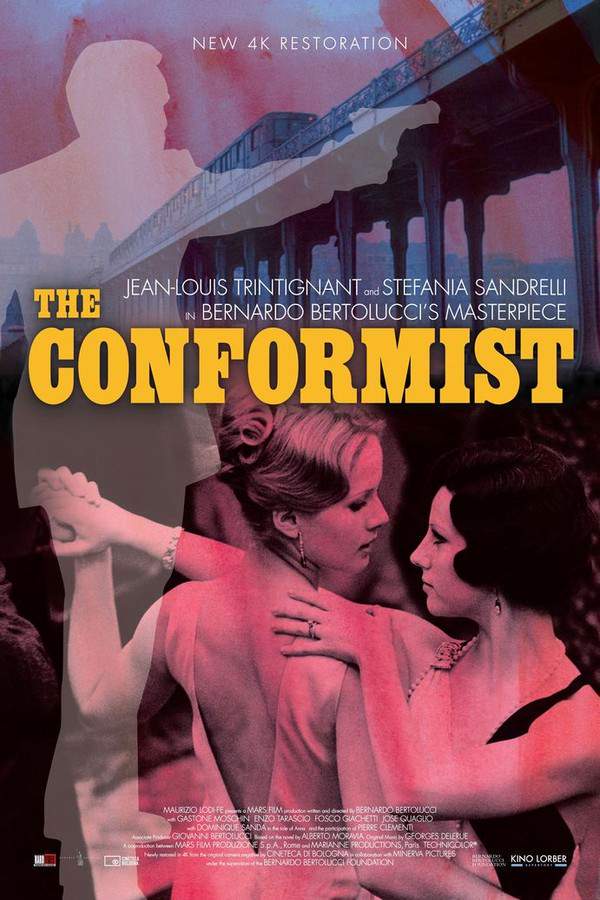
The Conformist (1970) movie poster

Characters & Themes

The Conformist (1970) Characters, Setting & Themes Explained

Release, runtime and language
1970 · 107 min · Italian
Loading streaming availability…
Directed by
Bernardo Bertolucci
Starring
Jean-Louis Trintignant, Stefania Sandrelli

In 1930s Italy, a man seeks acceptance and stability by joining the Fascist party. His pursuit of conformity is intertwined with a dark past, revealed through unsettling flashbacks. These memories depict a passionate and forbidden romance, a traumatic event involving violence, and the enduring burden of guilt that shapes his present actions and motivations.

On this page (8)
  1. 1 Where to watch
  2. 2 Characters explained (4)
  3. 3 Where & when it takes place
  4. 4 Themes & meaning (3)
  5. 5 Character & meaning questions
  6. 6 Movie threads
  7. 7 Movies like The Conformist
  8. 8 Every angle
Loading streaming availability…

4 main characters · contains spoilers

The Conformist Characters Explained: Who Is Who

The main characters of The Conformist (1970), heroes and villains: what drives them, how they change over the course of the story and what each of them reveals about the film's bigger ideas.

  • Marcello Clerici (Jean-Louis Trintignant)

    A calculating and conflicted man drawn into the Fascist secret police, Marcello seeks normality through marriage and social status while hiding his true allegiance. His fear of guilt and penchant for deceit drive him to betray friends and lovers alike, culminating in a chilling internal reckoning.

    • 🧭 Ambition
    • 🗝️ Deception
    • 💔 Morality
  • Giulia Clerici (Stefania Sandrelli)

    Marcello’s wife, trapped between a conventional life and the dangerous politics surrounding her husband. She embodies the quiet resilience and complicity of a woman navigating a man’s world, seeking stability while confronting moral compromises.

    • 💍 Wife
    • 🕊️ Romance
    • 🧭 Loyalty
  • Professor Quadri

    An outspoken anti-Fascist intellectual living in exile in France. His murder is the target of Marcello’s mission, exposing the personal peril and political stakes of resistance within a regime that demands obedience.

    • 📚 Intellectual
    • 🗡️ Target
    • 🗺️ Anti-Fascist
  • Anna

    The French wife of Quadri who becomes entangled with Marcello. Her presence intensifies Marcello’s betrayal and tests Giulia’s sense of loyalty, culminating in a dramatic and fatal confrontation.

    • 💘 Love
    • 🧭 Betrayal
    • 🕯️ Power

Last updated: October 04, 2025 at 08:05

Was this helpful?

Setting

Where and When Does The Conformist Take Place?

The setting of The Conformist (1970): the year and time period, the places and locations, and how they shape the characters, the mood and the tension of the story.

Time period

1938, 1917, 1943

The narrative moves between 1917, when Marcello is a boy facing violence and trauma, 1938 amid the rise and reach of Fascism in Europe, and 1943 during Mussolini's resignation and the regime's collapse. These periods anchor the protagonist's psychology, exposure to power, and the ultimate reckoning with his past.

Location

Paris, Rome, Ventimiglia, Savoy

The story unfolds across multiple European settings. In 1938 Paris, Marcello carries out his mission against the anti-Fascist Quadri in exile. Flashbacks take place in Rome with its decaying villa and a difficult family history. The alpine Savoy countryside provides the clandestine countryside hit location, while Ventimiglia marks a border-crossing backdrop that frames the pre-war political tension.

  • 🏙️ Paris
  • 🏛️ Rome
  • 🗻 Savoy
  • 🗺️ France-Italy border

Last updated: October 04, 2025 at 08:05

Was this helpful?

3 major themes

The Conformist Meaning: Themes & Message Explained

What is The Conformist (1970) really about? The emotional, social and philosophical themes the film keeps returning to, its symbolism and the message beneath the surface.

  • Conformity

    Marcello navigates a world where outward loyalty and strict social roles mask moral compromise. The film examines how individuals perform acceptability to fit into powerful structures, even as their private selves rebel. Through his secret police allegiance and staged normal life with Giulia, the story probes how conformity can erode personal conscience.

  • Love and Betrayal

    Love becomes a weapon and a mirror in which Marcello's loyalties are tested. His affair with Anna and the pressure on Giulia reveal competing desires for safety, thrill, and social acceptance. The relationship dynamics highlight how passion intersects with politics and risk, often leading to ruin.

  • Memory and Guilt

    The past relentlessly intrudes on the present as childhood trauma, murder, and moral ambiguity haunt Marcello. The revelation of Lino’s true fate reframes his sense of guilt and accountability. The film positions memory as a volatile force that destabilizes the illusion of a conventional life.

Last updated: October 04, 2025 at 08:05

Was this helpful?

Character & theme questions

The Conformist Characters & Meaning: Your Questions Answered

The questions people ask about The Conformist (1970): who the characters really are, their relationships, what the symbols mean, where it takes place and what the movie is really about. Each answer contains spoilers.

Q1

What is the setting of the film?

The Conformist is set across several European locations, primarily 1938 Paris where Marcello carries out his secret mission, Rome where flashbacks reveal his family history and childhood trauma, the Savoy Alps which serve as the site of a political assassination, and Ventimiglia at the France-Italy border. These distinct settings contrast the public world of political intrigue with the private world of personal memory.

  • paris
  • rome
  • savoy
  • ventimiglia
  • setting
  • locations
  • europe
Q2

What time period does the story take place in?

The film unfolds across three distinct periods: 1917 when the young Marcello experiences a traumatic event that shapes his psyche, 1938 at the height of Fascist power in Europe, and 1943 during Mussolini's resignation and the regime's collapse. This non-linear structure connects Marcello's childhood trauma to his adult complicity with the Fascist regime.

  • 1938
  • 1917
  • 1943
  • time period
  • era
  • fascism
  • world war ii
Q3

What does the Conformity theme explore?

The Conformity theme examines how individuals perform outward loyalty and accept strict social roles while masking moral compromise. Marcello joins the Fascist secret police and seeks conventional normalcy through marriage, all while his private self rebels against what he has done. The film probes how the desperate need to fit in and appear acceptable can destroy personal conscience.

  • conformity
  • social roles
  • moral compromise
  • fascism
  • identity
Q4

What is the Love and Betrayal theme about?

Love and Betrayal explores how romantic relationships become weapons and mirrors for testing loyalties. Marcello's affair with Anna and his pressure on his wife Giulia reveal competing desires for safety, thrill, and social acceptance. The theme shows how passion intersects with politics, often leading to devastating consequences for all involved.

  • love
  • betrayal
  • affair
  • anna
  • giulia
  • relationships
Q5

What is the Memory and Guilt theme about?

The Memory and Guilt theme shows how the past intrudes relentlessly on the present. Marcello's childhood trauma and involvement in a murder haunt him throughout the film, and the revelation of Lino's true fate reframes his sense of guilt entirely. Memory functions as a volatile force that destabilizes the illusion of a conventional life Marcello has constructed.

  • memory
  • guilt
  • trauma
  • past
  • childhood
  • lino
Q6

Who is Marcello Clerici?

Marcello Clerici is the protagonist, a calculating and conflicted man who has joined the Fascist secret police. He desperately seeks normalcy through marriage and social status while hiding his true allegiance. Driven by fear of guilt and a propensity for deceit, he betrays friends and lovers alike, leading to a chilling internal reckoning with his past and choices.

  • marcello clerici
  • protagonist
  • fascist
  • secret police
Q7

Who is Giulia Clerici?

Giulia is Marcello's wife, a woman trapped between a conventional life she desires and the dangerous political world surrounding her husband. She embodies quiet resilience and complicity, navigating a man's world while seeking stability. Her character represents the moral compromises ordinary people make when entangled with political extremism.

  • giulia clerici
  • wife
  • marcello's wife
  • character
Q8

Who is Professor Quadri?

Professor Quadri is an outspoken anti-Fascist intellectual living in exile in Paris. He represents the resistance against Mussolini's regime and becomes the target of Marcello's assassination mission. His existence highlights the personal peril faced by those who oppose Fascism and the political stakes of resistance within a regime that demands absolute obedience.

  • professor quadri
  • anti-fascist
  • intellectual
  • exile
  • resistance
Q9

Who is Anna in the film?

Anna is the French wife of Professor Quadri who becomes entangled with Marcello during his mission in Paris. Her presence intensifies Marcello's betrayal and tests Giulia's sense of loyalty. She becomes a focal point for the film's exploration of love, betrayal, and the fatal consequences of political and personal treachery.

  • anna
  • quadri's wife
  • betrayal
  • love interest
Q10

Why is Fascism important to the story?

Fascism serves as the political backdrop that enables Marcello's search for acceptability and belonging. The regime provides the structure through which he hopes to escape his traumatic past and achieve social normalcy. The film examines how individuals align themselves with oppressive power structures not from conviction but from personal weakness and fear of standing apart.

  • fascism
  • mussolini
  • regime
  • political context
  • 1930s
Q11

Why does the film use flashbacks?

The film uses flashbacks to show how Marcello's childhood trauma in 1917 directly shapes his adult psychology and political choices. By weaving between his present mission in 1938 and his traumatic past, the narrative reveals the root of his desperate need for conformity and acceptability. This structure demonstrates how the past relentlessly intrudes on the present.

  • flashbacks
  • non-linear
  • narrative structure
  • childhood
  • memory
Q12

What does the Ventimiglia border crossing represent?

The Ventimiglia border crossing serves as a symbol of the threshold between the Italian Fascist world and the outside European resistance. It frames the pre-war political tension and represents Marcello's literal and figurative passage between worlds. The border underscores the film's exploration of loyalty, betrayal, and the crossing of moral lines.

  • ventimiglia
  • border
  • france-italy
  • crossing
  • threshold

Movie threads

More Movies Like The Conformist, by Mood & Story

Curated lists built around what makes The Conformist tick: the same mood, the same kind of story or the same emotional payoff. Each list explains why these movies belong together.

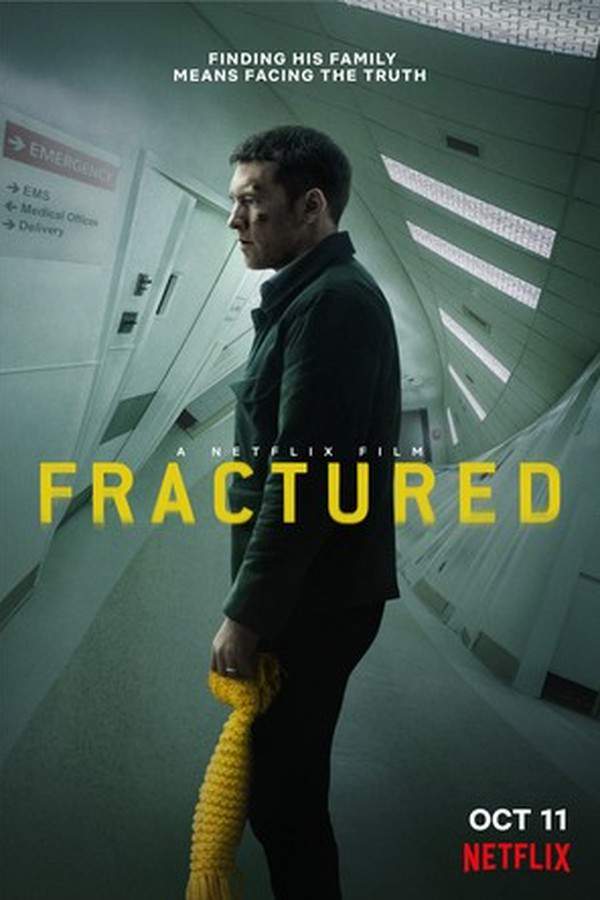
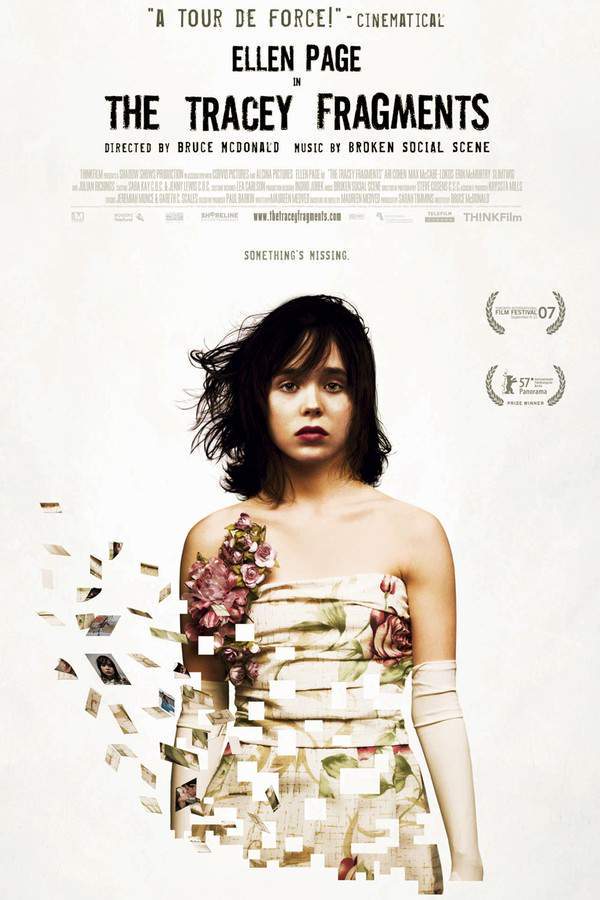
Movies with fractured narratives and psychological unraveling like The Conformist

Stories where traumatic pasts resurface through non-linear narratives to shape a fractured present. Find movies like The Conformist that use flashbacks and non-linear storytelling to delve into themes of repressed memory, trauma, and guilt. These similar psychological dramas often feature complex timelines where the past haunts and dictates the present.

  • unsettling
  • haunted
  • introspective
  • melancholic
  • psychological
  • fragmented
  • Tone: dark, introspective, melancholic
  • Pacing: variable, contemplative
Why these movies?

The story pattern: Films in this thread often unfold through a mosaic of past and present, where key events from a character's history are revealed out of sequence. This structure mirrors the process of memory itself, creating a journey of discovery about the origins of their current psychological distress, moral ambiguity, or motivations.

Why they belong together: These films are grouped by their shared narrative technique and psychological focus. They prioritize internal states over external plot, using time as a flexible tool to build a deeply subjective and often unsettling experience centered on memory, trauma, and identity.
Stories about moral compromise and political conformity like The Conformist

Character studies of individuals losing their morality to gain acceptance within an oppressive ideology. If you liked The Conformist, explore these movies about characters betraying their morals to fit into a fascist or oppressive society. These similar dramatic stories examine the heavy guilt and psychological toll of conformity within corrupt systems.

  • oppressive
  • claustrophobic
  • pessimistic
  • anxious
  • moral ambiguity
  • guilt-ridden
  • Tone: dark, bleak, oppressive
  • Pacing: steady, deliberate
Why these movies?

The story pattern: The narrative typically follows a protagonist's descent into complicity, often beginning with a desire for a normal life. Their journey is marked by escalating moral betrayals, leading to a profound internal conflict and a bleak realization of their own hollow identity, usually culminating in a devastating, irreversible outcome.

Why they belong together: These films share a powerful thematic core: exploring the intersection of personal weakness, political ideology, and moral collapse. They create a claustrophobic, oppressive mood by focusing on the internal guilt and existential dread of someone who has sacrificed their soul for an empty promise of stability.

If you liked this

Movies Like The Conformist

Similar movies to The Conformist: the same genre, themes or kind of story. Each one comes with its own plot summary, timeline and ending explained.

Browse all movie summaries

Every angle

The Conformist (1970) Explained: Plot, Timeline & Characters

Everything about The Conformist in one place: what happens in the plot summary, the timeline in chronological order, the characters and meaning and a spoiler-free summary. What's After the Movie adds the cast, box office and post-credit scenes.

Coming soon on iOS and Android

The Plot Explained Movie Summary App

Plot summaries, endings explained and timelines on your phone. Catch up on any movie in minutes, save your favorites and never miss a twist again.

Be the first to know when we launch. Your email stays private, always.

Learn more about the app