
Remainder
Year: 2015
Runtime: 97 mins
Language: English
Director: Omer Fast
A London man who loses his memory when he’s struck by a falling object develops a way to reconstruct his past.
Warning: spoilers below!
Haven’t seen Remainder yet? This summary contains major spoilers. Bookmark the page, watch the movie, and come back for the full breakdown. If you're ready, scroll on and relive the story!
Remainder (2015) – Full Plot Summary & Ending Explained
Read the complete plot breakdown of Remainder (2015), including all key story events, major twists, and the ending explained in detail. Discover what really happened, and what it all means.
Tom Tom Sturridge receives a settlement of €8.5 million after losing his memories in an accident. Outside, he asks for change. Later, at a party, he experiences a vision of a past memory, his senses returning in vivid detail: the exact smells, sounds, and sights as he walked down the stairwell of a flat, including running into a child Maxamillian Johnstone. Tom decides to use his money to replay this precise memory.
To accomplish this, he hires a compliant assistant named Naz Arsher Ali. The workers he hires to construct these memories describe him as a perfectionist who pushes everyone around him to match his exacting standard.
Tom ends his relationship with close friends, stepping away from familiar faces as he pursues this obsession. He contracts a man named Christopher, whom he had met at a local phone booth. Days later, Christopher is tased and shot dead. Tom then decides to reenact Christopher's death, using a real taser despite Naz's protests.
Emboldened by what he has seen, Tom plans a mock bank robbery after witnessing the torture and killing of a suspect. He hires an ex-convict with real heist experience, who explains that robberies require a lot of choreography and rehearsal. Based on that advice, Tom arranges for his cast to rob an actual bank—and he does so without informing them in advance.
Naz warns that the plan will require murder after the heist, and the real robbery soon spirals out of control: one cast member is killed accidentally, and Tom shoots the remaining members. Among the chaos, he notices that one of the witnesses is the same child from his first re-enactment. He later encounters Catherine, a close friend with whom he had argued, and takes a suitcase from her that he believes is his own.
Outside, the story converges toward its dramatic end as Tom braces himself for the impact of the very accident that opened the film.
Last updated: February 20, 2026 at 12:17
Remainder (2015) Plot Questions Answered – Summary FAQ
Explore frequently asked questions about Remainder (2015) with spoiler-rich answers covering the full plot summary, major story beats, character motivations, hidden details, and ending meaning. This movie summary FAQ helps explain confusing scenes, plot twists, and narrative decisions in clear, searchable detail.
Why does Tom spend his settlement on reconstructing his lost memory?
Tom experiences a vivid sensory vision of a past memory while at a party - walking down a stairwell and encountering a child. The memory returns with exact detail (smells, sounds, sights), convincing him he can relive it precisely. With €8.5 million from his settlement, he believes he can financially fund the elaborate reconstruction of this specific memory, treating it as the only way to recover his lost identity and past.
The party vision is his first return of sensory memory since the accident, establishing that money will fund his obsession.
Why does Tom use real violence in his memory reenactments?
Tom's perfectionism drives him toward increasingly extreme methods. After witnessing Christopher being tased and killed, Tom decides to reenact that death himself, using a real taser despite Naz's protests. The line between memory recreation and actual violence blurs as he pursues absolute authenticity. His obsession with precise replication escalates from building sets to using real weapons, ultimately leading to the bank robbery.
The memory workers describe Tom as a perfectionist who pushes everyone to match his exacting standards, foreshadowing his descent into real violence.
What is the significance of the child who appears in Tom's memory?
The child (Maxamillian Johnstone) is the central figure in Tom's reconstructed memory - the person he encountered while walking down the stairwell of a flat. This specific memory is what compels Tom to spend his settlement. Remarkably, the same child appears as a witness during the actual bank robbery, suggesting either a coincidence or something deeper about how Tom's mind has constructed his reality.
The child's appearance in both the memory reenactment and the real robbery creates a disturbing circular connection.
Why does Tom cut off his close friends?
Tom ends his relationships with close friends, including Catherine, to fully dedicate himself to the memory reconstruction project. This isolation reflects his growing obsession and need for control. He steps away from familiar faces as he pursues the exact replication of his lost memory, treating the project as his sole priority over human connections.
His withdrawal from friends marks the turning point where his obsession begins consuming his entire life.
What happens at the end - is Tom trapped in a loop?
At the end, Tom braces himself for the impact of the very accident that caused his memory loss at the film's opening. The story appears to loop back, with Tom seemingly replaying the moment that started his journey. The ending is ambiguous - he may be experiencing the accident again, or this could represent his psychological state being trapped in a cyclical pattern of trauma and repetition.
The film opens with the accident and closes with Tom preparing for the same impact, creating a circular structure.
Why does Tom take the suitcase from Catherine?
After the bank robbery chaos, Tom encounters Catherine (a close friend he had argued with) and takes a suitcase from her that he believes belongs to him. This moment suggests Tom's ongoing confusion about his possessions and identity - he fixates on objects he associates with his lost past, even if they're not actually his.
Catherine's suitcase represents Tom's fragmented connection to his pre-accident life and his desperate attempt to reclaim any piece of his identity.
How does the bank robbery planning escalate into real violence?
After witnessing the torture and killing of a suspect, Tom decides to stage a mock bank robbery. He hires an ex-convict who explains that real heists require extensive rehearsal. Taking this advice literally, Tom arranges for his cast to rob an actual bank without informing them it would be real. When the robbery goes wrong - with a cast member accidentally killed - Tom shoots the remaining crew, turning his memory project into deadly reality.
The ex-convict's advice about rehearsal being essential for successful robberies directly leads Tom to escalate from staged to actual robbery.
Why does Naz warn that they will have to commit murder after the heist?
Naz warns Tom that after the bank robbery, they would have to murder the cast members to prevent them from talking to police. This reflects how far Tom's project has descended into criminality - what started as memory reconstruction has become a conspiracy involving armed robbery and potential murder. The warning highlights Tom's complete moral collapse in pursuit of his goal.
Naz's warning foreshadows the tragic violence that follows, as Tom ignores the warning and proceeds with deadly consequences.
Why does Tom recruit Christopher and what happens to him?
Tom meets Christopher at a local phone booth and recruits him for the memory reconstruction project. Days after being hired, Christopher is tased and shot dead (by parties unknown in the film). This violent death shocks Tom and pushes him toward even more extreme reenactments - he later plays Christopher in a reenactment of his own death using a real taser.
Christopher's death is the pivotal event that shifts Tom from memory reconstruction to actual violence.
How does the film blur the line between memory and reality?
The film methodically blurs reality with staged memory reenactments. Tom's perfectionism drives him to use real objects, then real violence, then actual crimes. The cast members believe they're rehearsing a mock robbery, but Tom has arranged a real heist. The child witness at the bank further conflates his reconstructed memory with present reality, suggesting his psychological break has eliminated his ability to distinguish performance from actuality.
The memory workers' clinical approach to building sets establishes early that Tom treats reality as something that can be precisely constructed.

Explore Movie Threads
Discover curated groups of movies connected by mood, themes, and story style. Browse collections built around emotion, atmosphere, and narrative focus to easily find films that match what you feel like watching right now.
Movies about obsessive reality reconstruction like Remainder
Protagonists meticulously rebuild the past, blurring the lines between memory and re-enactment.For viewers who liked the psychological unraveling in Remainder, this list features films where characters obsessively reconstruct the past. Find movies about memory, trauma, and the dangerous line between re-enactment and reality.
Remainder
2015

Exposed
2016

The Attic Expeditions
2001

Genealogies of a Crime
1997

Bougainvillea
2024

Exposed
2014
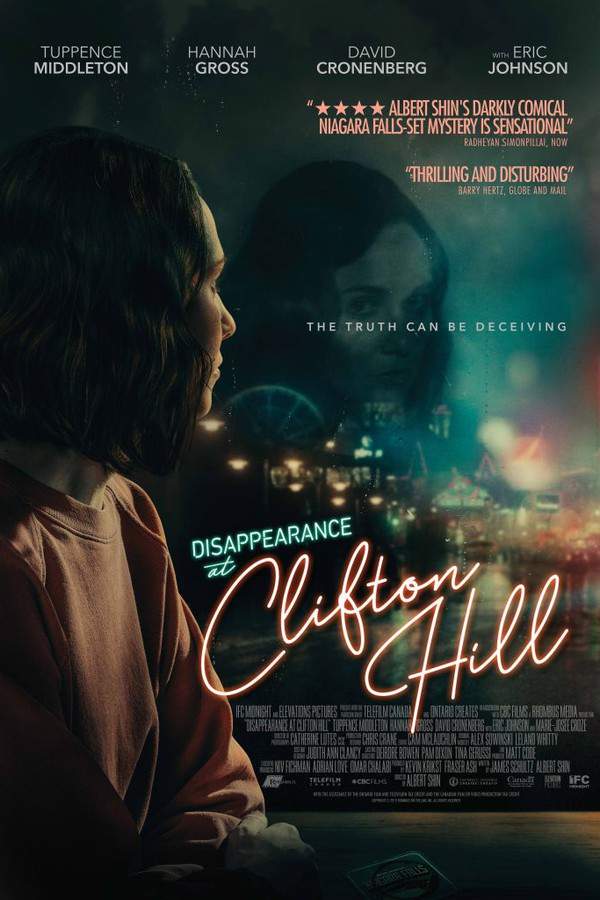
Disappearance at Clifton Hill
2020
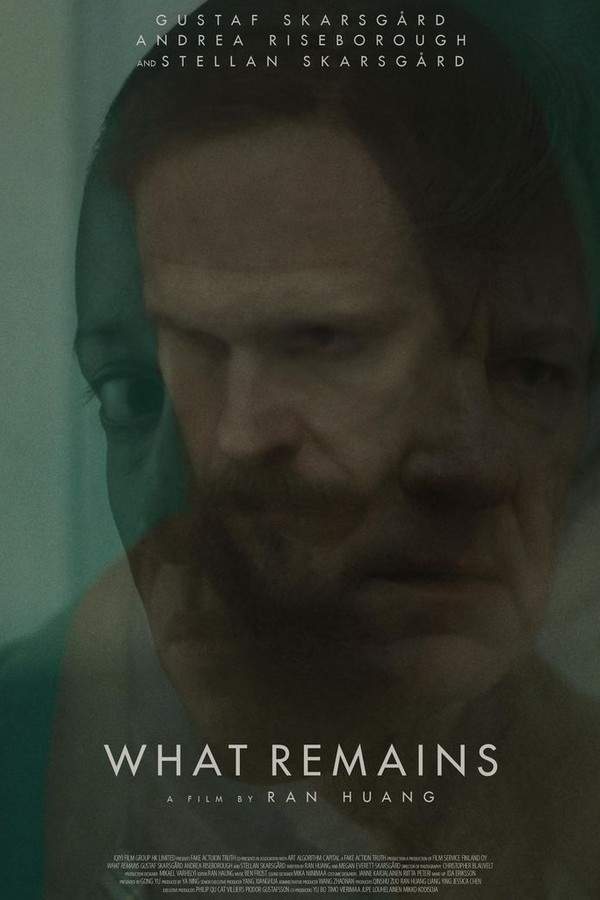
What Remains
2024

Shattered
1991

Psychosis
2010
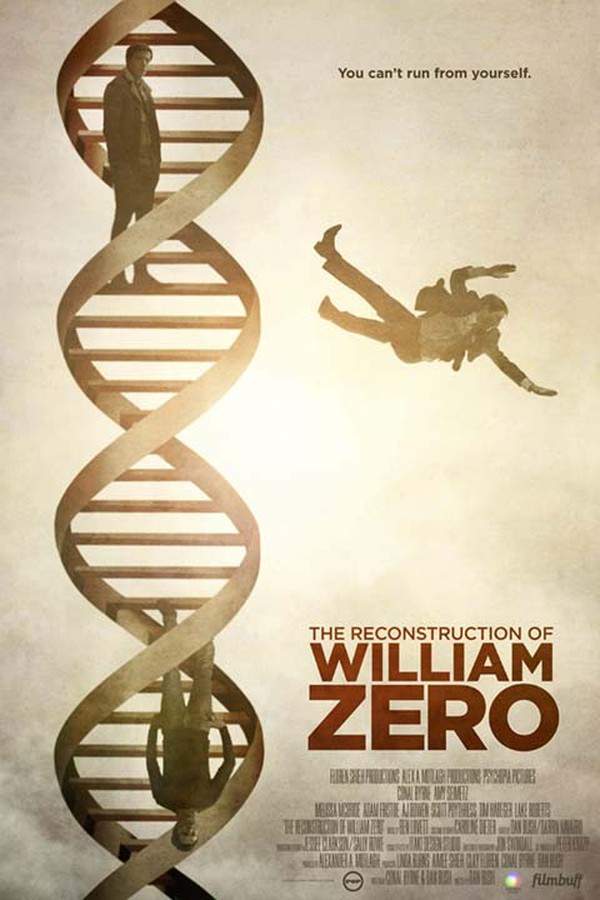
The Reconstruction of William Zero
2015
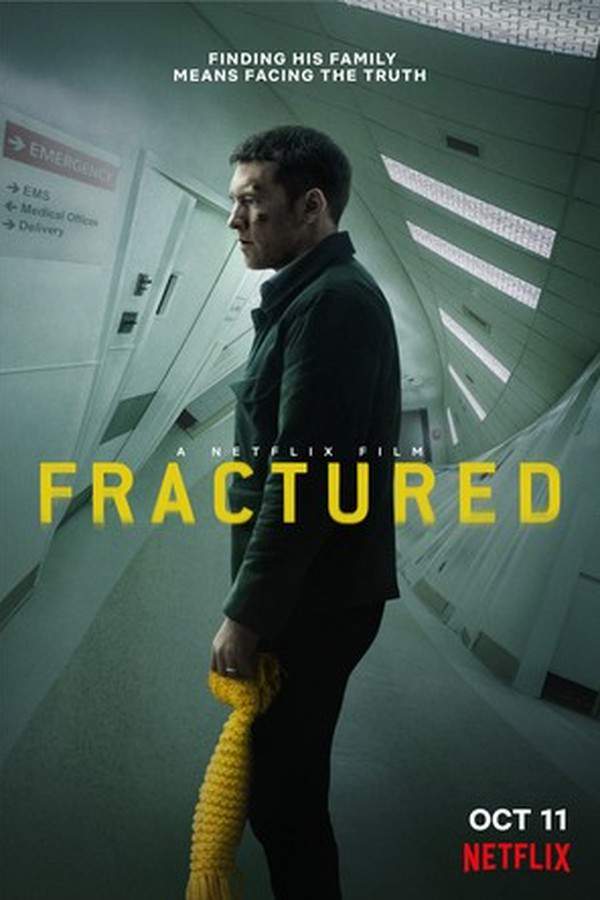
Fractured
2019

Retribution
2006
Shutter Island
2010

My Sweet Audrina
2016
Narrative Summary
The narrative follows a character, often recovering from a trauma or memory loss, who embarks on a meticulous, step-by-step process to rebuild a moment from their past. This obsession gradually consumes them, leading to escalating actions that challenge their grip on reality and the ethics of their pursuit.
Why These Movies?
These films are grouped by their central theme of a character's obsessive, clinical attempt to control the past through re-creation. They share a dark, unsettling tone, a steady pacing that mirrors the methodical process, and a heavy emotional weight stemming from trauma and psychological unraveling.
Movies with a psychological descent like Remainder
A slow, methodical unraveling of the mind under the weight of trauma.If you liked the dark and unsettling descent in Remainder, explore this list of films about psychological unraveling. These movies feature characters grappling with trauma, memory, and obsession, leading to a heavy, tense viewing experience.











Narrative Summary
The story follows a character's steady decline into psychological turmoil. Instead of sudden breaks, the unraveling is methodical, often triggered by a past trauma. The narrative blurs subjective perception with objective reality, leaving the audience—and sometimes the character—uncertain of what is real, culminating in an ambiguous or cyclical conclusion.
Why These Movies?
These movies share a core focus on a character's internal psychological collapse. They are united by a dark, unsettling tone, a steady pacing that builds dread, high intensity from the heavy subject matter, and a complex narrative structure that explores the fragility of the mind.
Unlock the Full Story of Remainder
Don't stop at just watching - explore Remainder in full detail. From the complete plot summary and scene-by-scene timeline to character breakdowns, thematic analysis, and a deep dive into the ending - every page helps you truly understand what Remainder is all about. Plus, discover what's next after the movie.
Remainder Timeline
Track the full timeline of Remainder with every major event arranged chronologically. Perfect for decoding non-linear storytelling, flashbacks, or parallel narratives with a clear scene-by-scene breakdown.

Characters, Settings & Themes in Remainder
Discover the characters, locations, and core themes that shape Remainder. Get insights into symbolic elements, setting significance, and deeper narrative meaning - ideal for thematic analysis and movie breakdowns.


