Plot Explained Spoilers guaranteed!
Plot Explained

Browse by genre

The Architecture of Doom (1989) movie poster

Characters & Themes

The Architecture of Doom (1989) Characters, Setting & Themes Explained

Release, runtime and language
1989 · 119 mins · Swedish
Directed by
Peter Cohen
Starring
Jeanne Moreau, Bruno Ganz, Sam Gray, Rolf Arsenius

The film uses never‑before‑seen footage of Hitler and the Nazi regime to reveal how the Third Reich crafted an aesthetic that fused art, architecture and propaganda. It follows Hitler’s rise from rejected artist to a dictator focused on monuments and rallies, while exposing bans on art, forced euthanasia and the persecution of Jews and homosexuals.

On this page (7)
  1. 1 Characters explained (4)
  2. 2 Where & when it takes place
  3. 3 Themes & meaning (3)
  4. 4 Character & meaning questions
  5. 5 Movie threads
  6. 6 Movies like The Architecture of Doom
  7. 7 Every angle

4 main characters · contains spoilers

The Architecture of Doom Characters Explained: Who Is Who

The main characters of The Architecture of Doom (1989), heroes and villains: what drives them, how they change over the course of the story and what each of them reveals about the film's bigger ideas.

  • French narrator — Jeanne Moreau

    As a French narrator, Jeanne Moreau provides a cautious, morally reflective lens on Hitler's tastes in beauty and order. She guides the viewer through the paradox of grand architecture and the regime's brutal oppression. Her voice ties European cultural heritage to the dangers of authoritarian control.

    • 🎙️ Narrator
    • 🧭 European Perspective
  • German narrator — Bruno Ganz

    As a German narrator, Bruno Ganz's voice frames the intimate details of Hitler's aesthetic obsessions and the colliding ideals of purity and power. He highlights the regime's self-justifying rhetoric while exposing the contradictions of its grand plans. His perspective anchors the tension between cultural legacy and totalitarian ambition.

    • 🎤 Narrator
    • 🧭 German Perspective
  • English narrator — Sam Gray

    As the English narrator, Sam Gray offers a cross-European viewpoint on the moral and cultural consequences of Hitler's architectural project. He frames the regime's rhetoric as propaganda and warns against the erasure of diverse artistic voices. His narration situates the viewer in a broader historical context.

    • 🎧 Narrator
    • 🗺️ European Context
  • Swedish narrator — Rolf Arsenius

    As the Swedish narrator, Rolf Arsenius provides a cautious, analytical distance, bridging Nordic cultural concerns with the regime's ambitions. He emphasizes the paradox of a purportedly noble architecture masking violence and oppression. His voice underscores the film's investigation into how beauty becomes a tool of domination.

    • 🗣️ Narrator
    • 🧭 Nordic Perspective

Last updated: January 28, 2026 at 12:41

Was this helpful?

Setting

Where and When Does The Architecture of Doom Take Place?

The setting of The Architecture of Doom (1989): the year and time period, the places and locations, and how they shape the characters, the mood and the tension of the story.

Time period

1930s–1940s (Nazi Germany)

The events unfold during the height of the Nazi regime, from the 1930s into the early 1940s. It portrays a period when culture and politics were tightly controlled and used as tools of state power. The wartime context amplifies the urgency of architectural visions as propaganda.

Location

Nazi Germany, Paris

Set across Nazi Germany with key sequences in Paris, the film maps the spaces where power and art converge. The locations reflect the regime’s obsession with monumental order and classical grandeur. Berlin becomes a canvas for the architects' designs, while Paris represents a European stage for their mission.

  • 🏛️ Nazi Germany
  • 🗺️ Paris

Last updated: January 28, 2026 at 12:41

Was this helpful?

3 major themes

The Architecture of Doom Meaning: Themes & Message Explained

What is The Architecture of Doom (1989) really about? The emotional, social and philosophical themes the film keeps returning to, its symbolism and the message beneath the surface.

  • Architecture

    Hitler's fixation on classical forms drives an aesthetic program that seeks to sculpt space into a nationwide monument. The film shows how monumental architecture was weaponized to express a Nordic myth and suppress dissent. Architecture becomes a language through which power, purity, and historical memory are narrated and enforced.

  • Degenerate Art

    The regime's campaigns against modernist art reveal a concerted effort to equate aesthetics with moral and racial purity. Exhibitions are staged to condemn 'degenerate' works and reframe culture as a battleground. The film ties art policing to broader political violence and censorship.

  • War

    War is presented not only as military conquest but as a totalizing project that justifies destruction of enemies and erasure of their histories. The architecture and cultural policy are built to serve a war-driven ideology. The narrative emphasizes how beauty and brutality are intertwined under authoritarian rule.

Last updated: January 28, 2026 at 12:41

Was this helpful?

Character & theme questions

The Architecture of Doom Characters & Meaning: Your Questions Answered

The questions people ask about The Architecture of Doom (1989): who the characters really are, their relationships, what the symbols mean, where it takes place and what the movie is really about. Each answer contains spoilers.

Q1

Where does the film take place?

The documentary is set primarily in Nazi Germany, with key sequences in Paris. Berlin serves as the main canvas for the regime's architectural ambitions, representing the space where power and artistic vision converge. Paris appears as a symbolic European stage reflecting the regime's broader cultural mission across occupied Europe.

  • nazi germany
  • berlin
  • paris
  • setting
  • locations
Q2

What time period does the film cover?

The film depicts the height of the Nazi regime, spanning the 1930s into the early 1940s. This era represents a period when culture and politics were tightly intertwined under state control, with architectural visions serving as urgent propaganda during wartime.

  • 1930s
  • 1940s
  • nazi era
  • world war 2
  • time period
Q3

What does the film say about Nazi architecture?

The film argues that Hitler's fixation on classical forms drove an aesthetic program designed to transform all of Germany into a monumental monument. Architecture became a language through which power, racial purity, and historical memory were narrated and enforced, weaponized to express a Nordic myth while suppressing dissent.

  • architecture
  • hitler
  • monumental
  • classical forms
  • propaganda
Q4

What does the film explain about degenerate art?

Degenerate art refers to the Nazi regime's campaign against modernist works they deemed morally and racially impure. The film shows how exhibitions were staged to condemn these works, equating aesthetics with moral purity and using art policing as a tool of political violence and censorship.

  • degenerate art
  • modernist
  • censorship
  • art exhibitions
  • nazism
Q5

How does the film connect art with political power?

The documentary demonstrates how the Nazi regime weaponized aesthetics as a tool of state power. By controlling culture, architecture, and art, the regime used beauty as a means of domination, tying visual aesthetics directly to political ideology and the justification of oppression and genocide.

  • art
  • power
  • politics
  • propaganda
  • aesthetics
  • control
Q6

Who narrates the documentary?

The film features four narrators providing different perspectives: Jeanne Moreau provides a French, morally reflective lens; Bruno Ganz offers a German voice highlighting the regime's contradictions; Sam Gray gives an English cross-European viewpoint; and Rolf Arsenius provides a Swedish analytical distance bridging Nordic concerns with the regime's ambitions.

  • narrators
  • jeanne moreau
  • bruno ganz
  • sam gray
  • rolf arsenius
Q7

What is Jeanne Moreau's role in the film?

Jeanne Moreau serves as the French narrator, offering a cautious and morally reflective perspective on Hitler's aesthetic tastes. Her voice ties European cultural heritage to the dangers of authoritarian control, guiding viewers through the paradox of grand architecture alongside the regime's brutal oppression.

  • jeanne moreau
  • french narrator
  • narrator role
  • perspective
Q8

What perspective does Bruno Ganz bring as narrator?

Bruno Ganz provides the German narrator's voice, framing the intimate details of Hitler's aesthetic obsessions. He highlights the regime's self-justifying rhetoric while exposing contradictions in its grand plans, anchoring the tension between cultural legacy and totalitarian ambition.

  • bruno ganz
  • german narrator
  • narrator perspective
  • hitler
Q9

How does the film link beauty and violence?

The film argues that beauty and brutality are intertwined under authoritarian rule. It shows how the regime's aesthetic vision, presented as noble and pure, masked violence, oppression, and the systematic planning of genocide. The documentary presents war not only as military conquest but as a totalizing project justifying destruction of enemies and erasure of their histories.

  • beauty
  • brutality
  • violence
  • aesthetics
  • authoritarianism
  • oppression
Q10

What are the main themes of the documentary?

The film explores three interconnected themes: Architecture as a tool of power and propaganda, Degenerate Art as a campaign linking aesthetics to moral and racial purity, and War as a totalizing project that justifies destruction while intertwining beauty with brutality under Nazi rule.

  • themes
  • architecture
  • degenerate art
  • war
  • propaganda
  • power

Movie threads

More Movies Like The Architecture of Doom, by Mood & Story

Curated lists built around what makes The Architecture of Doom tick: the same mood, the same kind of story or the same emotional payoff. Each list explains why these movies belong together.

Analytical Documentaries on Systemic Horror like The Architecture of Doom

Documentaries that dissect the chilling, bureaucratic machinery of historical atrocities. If you were captivated by The Architecture of Doom's methodical dissection of Nazi ideology, you'll find similar films here. These documentaries explore the historical, political, and psychological mechanics of atrocities, focusing on how evil becomes systematized and normalized.

  • analytical
  • sobering
  • grim
  • disturbing
  • critical
  • historical
  • Tone: dark, sobering, critical
  • Pacing: steady, methodical
Why these movies?

The story pattern: These narratives typically unfold as investigations, building a case by presenting historical evidence, expert commentary, and archival footage. They follow a logical progression to reveal how abstract ideas were transformed into concrete policies of oppression and genocide.

Why they belong together: They are grouped by their shared commitment to understanding, rather than just depicting, horror. They share a dark tone, a steady analytical pace, and a focus on the intellectual and aesthetic underpinnings of catastrophic historical events.
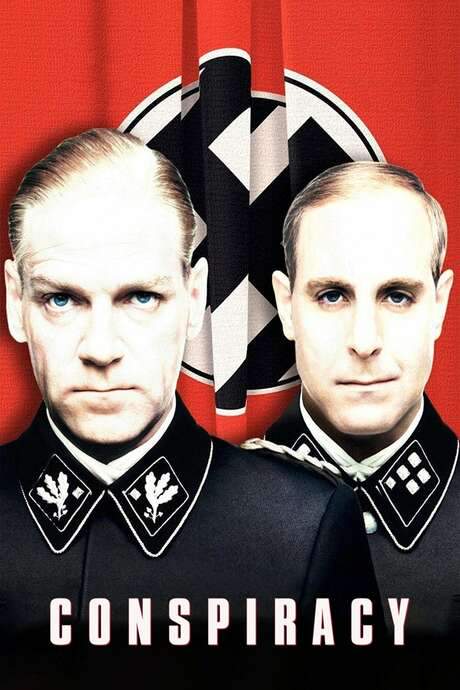
Movies about Propaganda and Aesthetic Control like The Architecture of Doom

Stories exploring how art, media, and imagery are used to shape and control societies. For viewers who appreciated The Architecture of Doom's focus on Nazi art and propaganda, this section features films with similar themes. Discover stories, both documentary and fictional, that examine the use of media, symbols, and aesthetics to manipulate masses and enforce ideology.

  • critical
  • thought-provoking
  • dystopian
  • chilling
  • political
  • manipulative
  • Tone: dark, critical, oppressive
  • Pacing: steady
Why these movies?

The story pattern: The narrative often traces the rise of a powerful entity—a state, a corporation, a cult—and meticulously shows how it constructs a compelling visual and ideological world to seduce followers and crush dissent. The focus is on the process of building a controlling narrative.

Why they belong together: These films share a critical perspective on the manipulation of perception. They are united by themes of totalitarianism, media control, and the weaponization of culture, often resulting in a grim, heavy, and intellectually stimulating experience.

If you liked this

Movies Like The Architecture of Doom

Similar movies to The Architecture of Doom: the same genre, themes or kind of story. Each one comes with its own plot summary, timeline and ending explained.

Browse all movie summaries

Every angle

The Architecture of Doom (1989) Explained: Plot, Timeline & Characters

Everything about The Architecture of Doom in one place: what happens in the plot summary, the timeline in chronological order, the characters and meaning and a spoiler-free summary. What's After the Movie adds the cast, box office and post-credit scenes.

Coming soon on iOS and Android

The Plot Explained Movie Summary App

Plot summaries, endings explained and timelines on your phone. Catch up on any movie in minutes, save your favorites and never miss a twist again.

Be the first to know when we launch. Your email stays private, always.

Learn more about the app