In a stark, unflinching look at moral collapse during World War II, the narrative follows Kurt Gerstein, a Waffen-SS officer assigned to the SS Hygiene Institute. He develops and refines processes meant to purify resources and combat typhus, among them a hydrogen cyanide compound called Zyklon B. The horror dawns on him when he realizes this same method is being weaponized to annihilate Jews and other groups labeled as undesirables in extermination camps. What begins as a scientific assignment quickly becomes a crisis of conscience as Gerstein faces the grim realization that his work is fueling murder on an industrial scale.
Haunted by the truth, Gerstein seeks to alert the world, starting with the Catholic Church. He attempts to reach Pope Pius XII and urge action, but he finds the Vatican slow to respond, offering only cautious and noncommittal condemnations that feel distant from the catastrophe unfolding in Europe. The thread of hope arrives in the form of Riccardo Fontana, a young Jesuit priest who shares Gerstein’s concern and becomes the pair’s ally in trying to illuminate what is happening to the Jews. Together they press for awareness, and Fontana pleads with the pope, yet the Vatican’s response remains muffled, more a stance of abstention than intervention.
As the situation deteriorates, Gerstein travels to Rome to present his case directly, but the opportunity to speak with the Pope is blocked. Meanwhile, the Nazis tighten their grip on the city, and soon Italian Jews are being rounded up for transport to the death camps. Fontana, compelled by a sense of duty, urges the Pope to intervene in person at the train station to halt the deportations. The Pope declines, arguing that stepping onto the platform would impose hardship on Christians living under Nazi rule. In a powerful gesture of solidarity and mourning, Fontana marks himself with the yellow Star of David and volunteers to be loaded onto the deportation train with the Jews.
At the camp, Fontana faces interrogation by the camp’s formidable head, a figure simply known as the Doctor, who wields considerable influence over the regime’s actions. The Doctor recognizes Fontana’s status as a Catholic priest but allows him to stay with the prisoners and even to work in the crematorium. Yet this mercy proves chillingly temporary, as the Doctor ultimately orders Fontana to be gassed. Gerstein, moved to try and save Fontana, fights to intervene, but Fontana remains steadfast in his commitment to the people around him. The Doctor then escorts Gerstein out of the camp, and the grim machinery of slaughter continues while a pathos-filled mass grave near the camp is revealed through the night’s march of trucks and soldiers.
Back home, Gerstein compiles and preserves the evidence of Nazi atrocities and attempts to deliver it to the Allies. His testimony is reviewed, but the legal and political processes of accountability falter in the face of war’s totality. Ultimately, Gerstein is arrested, and, after a formal reading of the charges, is found dead by hanging in his cell. In the film’s closing arc, the Doctor, seeking escape, speaks with a Cardinal in Rome, asking for help to flee the country, asserting simply, “I’m a doctor, just a physician.” The Cardinal agrees to assist, arranging passage toward Argentina as the war’s consequences continue to unfold and as the Doctor’s own fate remains tied to the moral coda of his desperate choices.
The story is a meditation on courage under pressure, the limits of institutional power, and the personal costs of trying to bear witness in the face of incomprehensible violence. It keeps its focus on the human stakes—the choices made by those who speak up, the pressures exerted by those who stay silent, and the way faith, duty, and humanity collide in the darkest hours of history.
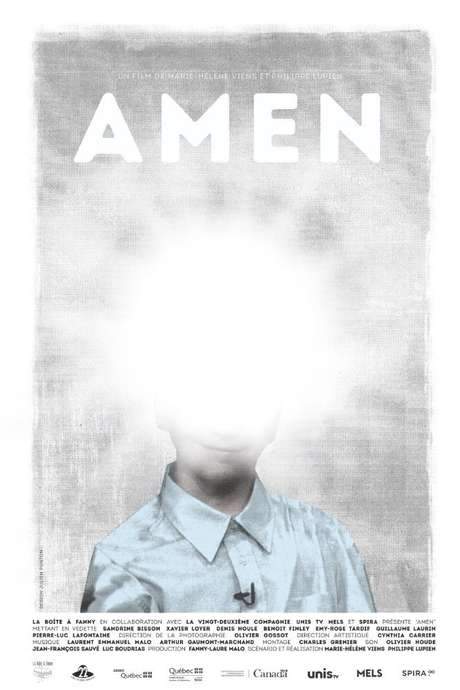
Featuring performances by Xavier Loyer, Denis Houle, Sandrine Bisson, Benoît Finley, and Émy-Rose Tardif.