Plot Explained Spoilers guaranteed!
Plot Explained

Browse by genre

Branded (2012) movie poster

Plot Summary

Branded (2012) Plot Summary Explained

Release, runtime and language
2012 · 106 min · English
Directed by
Aleksandr Dulerayn, Jamie Bradshaw
Starring
Max von Sydow, Jeffrey Tambor, Leelee Sobieski, Ed Stoppard, Ingeborga Dapkunaite

In a dystopian future, powerful corporations have subtly taken control of people's thoughts and desires. When one man begins to question this reality, his search for truth leads him into a dangerous conflict with the forces manipulating everything. As he delves deeper, the lines between what's real and what's manufactured become increasingly blurred, forcing him into a desperate fight to liberate himself and others from oppressive control.

On this page (5)
  1. 1 What happens: full plot
  2. 2 Plot questions answered
  3. 3 Movie threads
  4. 4 Movies like Branded
  5. 5 Every angle

Full plot summary · contains spoilers

What Happens in Branded: Full Plot Summary

The whole story of Branded (2012) explained, from the opening scene to the final frame: every key event, every twist and what it all adds up to. Read it as a quick recap before the sequel, to check a scene you missed, or to finally understand what really happened.

In the early 1980s, under the shadowed skies of the Soviet Union, a young man named Misha Galkin encounters a strange omen: he stares up at the stars as they shift into a cow-shaped constellation that seems to watch him back, and moments later a bolt of lightning strikes him. A woman who tends to him afterward proclaims that his life will be “interesting,” a prophecy that threads through the years as he builds a remarkable talent for understanding people and selling ideas. This gift propels him into the world of marketing, where he emerges as a powerful strategist who navigates the delicate balance between persuasion and social consequence.

As Misha climbs the ladder of influence, he crosses paths with Bob Gibbons, an American brought in to plant Western brands in a post-Communist Russia. The relationship between Misha and Bob grows complicated when Bob’s niece, Abby, visits from the United States and becomes entangled with Misha’s ambitions and ideals. Against Bob’s wishes, they begin a romance, and their conversations soon turn to the deeper history of modern marketing. Misha argues that Lenin laid the groundwork for what advertising would become—a global brand in its own right—and he suggests that Communism, in its own way, pioneered a form of corporate reach that would redefine identities, desires, and economies on a planetary scale. Amid these intimate and philosophical tensions, a parallel plan unfolds on a faraway Polynesian island, where Joseph Pascal—a marketing guru of formidable presence—meets with fast-food executives to explore new ways of recapturing profit and influence for the industry. The dialogue on beauty, body norms, and mass perception foreshadows a broader collision between commerce and culture.

Misha’s next assignment brings him into the glare of a provocative reality show called Extreme Cosmetica. He is hired to promote a broadcast in which an overweight woman will undergo plastic surgery in a bid to become thin. The venture spirals quickly: after the first operation, the contestant slips into a coma, the public mood darkens, and the show—along with the glorification of a thin ideal—faces fierce backlash. Misha becomes the public face of the controversy, the scapegoat who is blamed for the disaster as protesters swarm the streets, and even the police discipline him. He is arrested, spends time in jail, and upon his release he confronts Bob with the uncomfortable truth that the show and its coma-like catastrophe were manipulated by powerful fast-food interests, including a brand named “The Burger.” Bob dismisses the accusation, arguing that coordinating such a plan would demand resources beyond reach. A violent confrontation leaves Bob in poor health with a heart attack, and Misha, overwhelmed by guilt over the consequences of his work, abandons Moscow and withdraws from modern life, convinced that his marketing prowess is a personal curse rather than a gift.

Over six years, the campaign that celebrated “fat is fabulous” takes hold, reshaping society’s ideals and saturating advertising with images of overweight consumers. In this era of altered norms, Misha experiences a troubling vision—an imagined Red Heifer ritual, with a red cow sacrificed and ashes bathing his mind. When he awakens, he discovers something new and frightening: spectral beings that embody the cravings and brand desires now cling to people’s necks, visible only to him. The once-hidden mechanisms of consumer culture begin to materialize around him as a kind of spectral ecosystem that only he can perceive.

Abby eventually tracks Misha to a rural village where he has chosen a quiet, almost ascetic life as a cowherd. She persuades him to return to Moscow to meet in a shared apartment, where she reveals startling news: Bob has left Abby a substantial inheritance, and their six-year-old son—overweight and fond of junk food brands—exists in the world they once shaped. Distressed by his visions and disgusted by the rampant commercialism surrounding him, Misha acts impulsively, destroying Abby’s apartment in a moment of volatile emotion. Abby is frightened by his behavior and leaves, taking their son with her as she seeks safety and stability for him.

Driven by a stubborn desire to counteract the very forces he helped unleash, Misha devises a counteroffensive that uses the branding tactics against their own technique. He returns to his former company and weaponizes fear-based marketing to destabilize the world’s major brands. The campaign targets the most influential players—starting with a fear-driven anti-beef movement that drives customers away from The Burger and toward a new vegetarian option, a Chinese restaurant chain called Dim Song. The symbolic struggle between the branding creatures intensifies as they clash across the city, destroying one another’s influence in a surreal, almost mythic battlefield. Public opinion shifts: advertising falls under suspicion, and the Russian parliament begins to consider a broad ban on all advertising, signaling a radical rethinking of commerce.

In a quiet, intimate moment, Misha leaves a message on Abby’s phone, asking for forgiveness. She eventually reaches his office, only for the building to be swept by anti-advertising protesters who strike at the employees and disrupt the space. In the chaos, Misha is struck on the head while trying to escape with Abby and their son. A television emergency broadcast announces that Russia and other nations have reached an agreement to ban advertising, while Misha lies injured on the floor.

Some time later, Misha regains consciousness in a hospital room where he plays with Abby and their son, a fragile reminder of what was lost and perhaps what could still be saved. In the same hospital, the awake contestant from Extreme Cosmetica rises and wanders into the streets to witness a striking scene: an advertisement-free Moscow, a skyline cleared of billboards, and a future where visibility and commerce have been redefined. The final image lingers on a city reimagined through restraint, where the power to persuade is tempered by the consequences it has wrought on lives, communities, and the very fabric of modern society. This is a tale that unfolds at the intersection of dream, addiction, and accountability, where one man’s gift becomes a questions of responsibility for a world saturated with branding.


Last updated: October 09, 2025 at 16:17

Was this helpful?

Plot questions answered

Branded Plot Explained: Your Questions Answered

The questions people ask most about Branded (2012): what happens in the confusing scenes, why the characters do what they do, the twists, hidden details and what the ending means. Each answer contains spoilers.

Q1

Why does Misha start seeing creatures on people's necks?

After his six-year withdrawal from society, Misha experiences a disturbing vision of a Red Heifer ritual. When he wakes, he discovers he can see supernatural creatures that embody brand desires and cravings clinging to people's necks. These beings are visible only to him, representing the invisible hold that marketing and consumerism have over people's minds. This ability emerges as both a curse and a form of clarity about the world he helped create.

Foreshadowing: The creatures first appear after Misha's vision of the Red Heifer, a biblical symbol of purification and sacrifice.

  • misha galkin
  • brand creatures
  • supernatural vision
  • red heifer
  • marketing
Q2

What is the significance of Misha's Red Heifer vision?

Misha's vision depicts the biblical Red Heifer ritual, where a red cow is sacrificed and its ashes are used for purification. This dream occurs as Misha begins to understand the destructive power of the marketing empire he helped build. The vision represents his subconscious recognition that society needs purification from the toxic branding he promoted. Shortly after this vision, he gains the ability to see the branding creatures, suggesting a spiritual awakening to the hidden corruption around him.

  • red heifer
  • biblical vision
  • purification ritual
  • misha dream
  • symbolism
Q3

Why did the fast food companies promote 'fat is fabulous'?

On a Polynesian island, marketing guru Joseph Pascal meets with fast-food executives to devise a scheme to reverse declining profits. They conclude that if they cannot make people want their unhealthy food, they should instead reshape societal beauty standards to accept larger body sizes. This would remove the stigma around their products and boost sales. The "fat is fabulous" campaign was therefore a calculated business strategy to normalize obesity and increase consumer demand for processed foods.

Foreshadowing: Pascal's island meeting explicitly outlines this plan before the campaign launches.

  • fat is fabulous
  • fast food conspiracy
  • joseph pascal
  • beauty standards
  • corporate manipulation
Q4

What happened to the Extreme Cosmetica contestant?

The overweight woman selected for Extreme Cosmetica undergoes plastic surgery to become thin, but she slips into a coma after the first operation. She remains in a coma-like state throughout most of the film's timeline. At the film's end, she awakens from her coma in the same hospital where Misha is being treated, and she walks out into a billboard-free Moscow, suggesting she too is being given a fresh start in the reformed world.

  • extreme cosmetica
  • contestant
  • coma
  • surgery
  • awakening
Q5

What does the cow constellation and lightning strike mean at the beginning?

In the early 1980s Soviet Union, young Misha Galkin stares at the night sky where the stars form a cow-shaped constellation that seems to watch him. Moments later, lightning strikes him. A woman who examines him afterward proclaims his life will be "interesting." This opening scene establishes Misha as a prophetic figure marked by fate. The cow imagery ties symbolically to the branding creatures he later sees and to the "fat is fabulous" campaign, suggesting his destiny is connected to manipulating consumer desires.

Foreshadowing: The prophecy of an "interesting" life foreshadows Misha's extraordinary journey through marketing success and spiritual reckoning.

  • cow constellation
  • lightning strike
  • prophecy
  • soviet union
  • misha childhood
Q6

Does the ending mean advertising is banned everywhere?

The film ends with an emergency broadcast announcing that Russia and other nations have agreed to ban all advertising. The final scene shows Moscow's skyline completely cleared of billboards, with the formerly comatose contestant walking through an advertisement-free city. However, the ending is ambiguous, the ban represents a victory for Misha's counter-campaign, but the film suggests the deeper psychological manipulation of consumerism may not be so easily erased. The protagonist remains injured in a hospital, and his personal reconciliation with Abby and their son remains fragile.

  • advertising ban
  • russia
  • ending
  • billboard free
  • future
Q7

Why does Misha destroy Abby's apartment?

When Abby reveals that Bob has died and left her an inheritance, along with their six-year-old son who is overweight and loves junk food brands, Misha becomes overwhelmed by the consequences of his own work. He sees the boy as a living embodiment of the toxic consumer culture he helped create. Combined with his ability to see the branding creatures feeding on people's desires, Misha's psychological state deteriorates, leading him to destroy the apartment in a volatile outburst. This frightening behavior causes Abby to flee with their son for safety.

  • misha breaks apartment
  • abby son
  • emotional breakdown
  • junk food brands
Q8

What do the branding creatures on people's necks represent?

The spectral creatures that cling to people's necks are visual representations of the branding and consumer desires that have taken hold of society. Each creature embodies the cravings and manufactured wants that marketing instills in people. They are visible only to Misha, suggesting he has developed a kind of psychic awareness of the hidden psychological manipulation underlying consumer culture. These creatures feed on people's desires, grow stronger as advertising saturates society, and ultimately battle each other in a surreal conflict that reflects the corporate wars behind the scenes.

  • brand creatures
  • supernatural symbolism
  • consumerism
  • spectral beings
  • marketing metaphors
Q9

What causes Bob's heart attack during the confrontation?

After being released from jail following the Extreme Cosmetica scandal, Misha confronts Bob Gibbons, accusing him of orchestrating the scheme with fast-food interests to deliberately create controversy that would boost their "fat is fabulous" agenda. Bob denies this, insisting such coordination would require impossible resources. The confrontation becomes increasingly heated, and Bob suffers a heart attack from the stress and intensity of the argument. Misha feels guilty for triggering Bob's health crisis, which contributes to his decision to withdraw from society.

  • bob gibbons
  • heart attack
  • confrontation
  • misha guilt
  • fast food conspiracy
Q10

Where does Misha's extraordinary talent for marketing come from?

The film suggests Misha's remarkable ability to understand people and sell ideas is tied to his mystical childhood experience. After the lightning strike and cow constellation omen in his youth, Misha develops an uncanny talent for reading people and persuading them. This gift propels him to become a powerful marketing strategist. However, the film leaves ambiguous whether this is a genuine supernatural gift, a psychological manifestation of his guilt, or simply exceptional human intuition shaped by his unique perspective.

Foreshadowing: The opening prophecy that Misha would have an "interesting" life hints at his destined path.

  • misha talent
  • marketing ability
  • lightning strike
  • psychic gift
  • persuasion

Movie threads

More Movies Like Branded, by Mood & Story

Curated lists built around what makes Branded tick: the same mood, the same kind of story or the same emotional payoff. Each list explains why these movies belong together.

Paranoid Corporate Dystopias like Branded

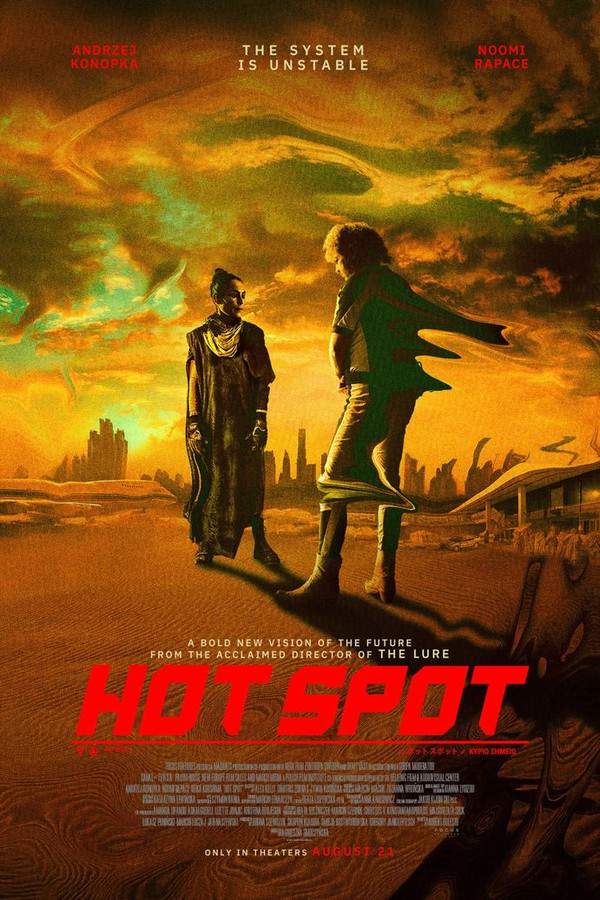
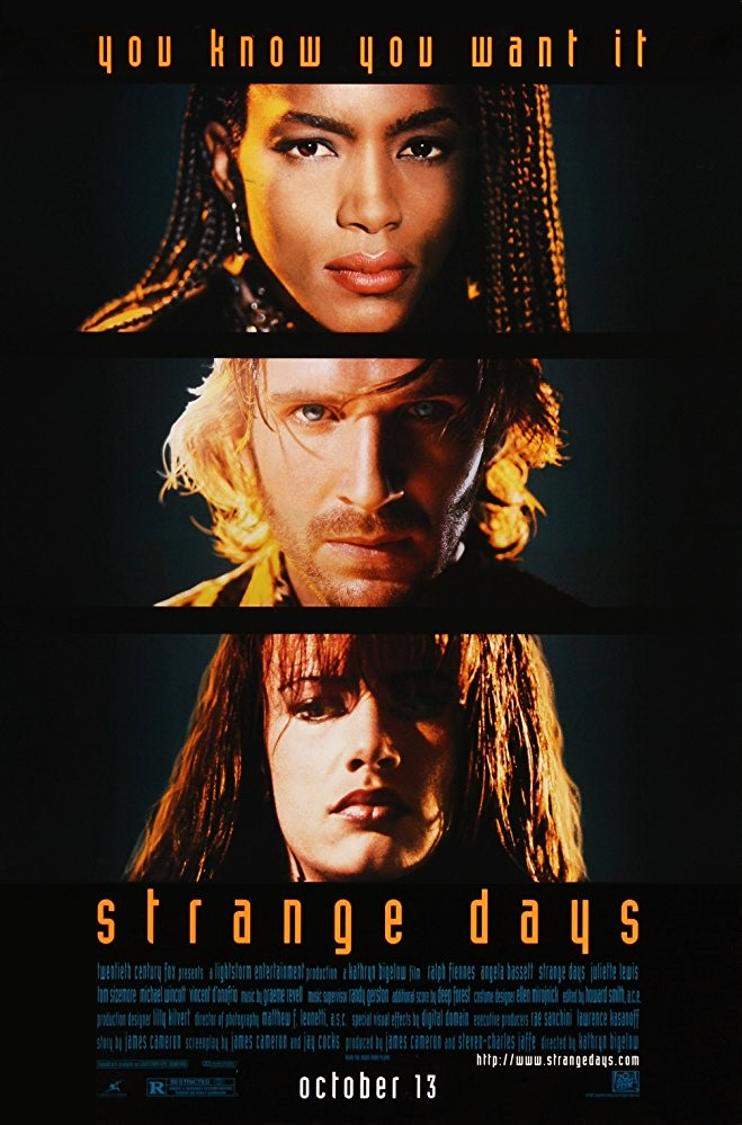
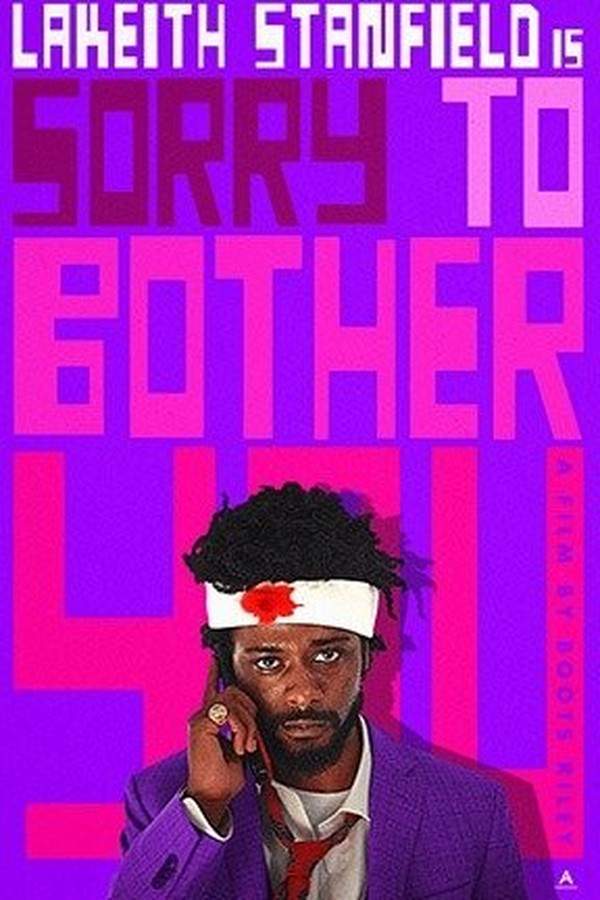
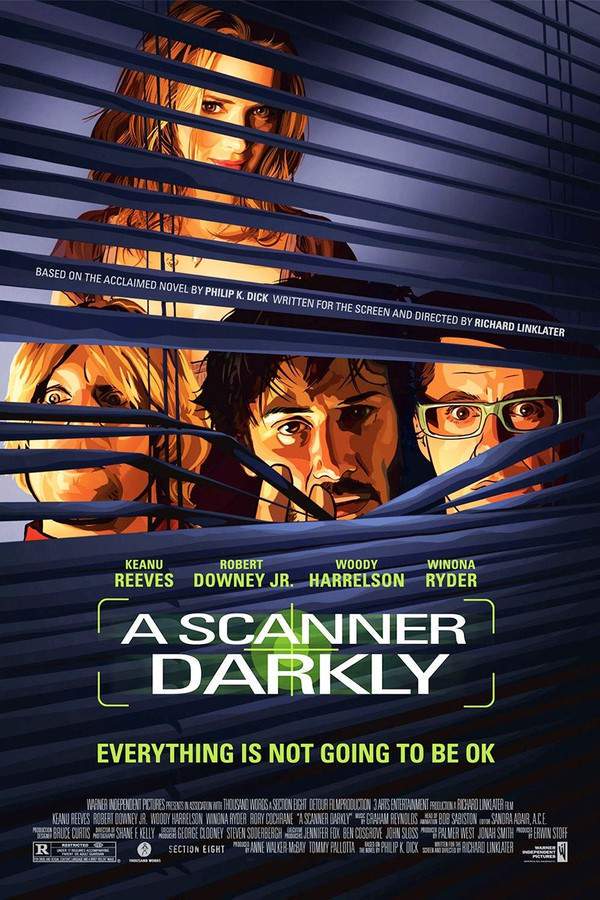
Uncovering the hidden systems that manipulate our deepest desires and thoughts. Discover movies like Branded that explore the chilling idea of corporate mind control and societal manipulation. If you enjoyed the high-stakes conspiracy and surreal psychological tension of Branded, this thread groups similar sci-fi thrillers and dystopian dramas about fighting back against hidden oppressors.

  • dystopian
  • paranoid
  • conspiracy
  • unsettling
  • psychological
  • surreal
  • Tone: dark, paranoid, unsettling
  • Pacing: variable, building tension
Why these movies?

The story pattern: The narrative follows a character's awakening to a systemic lie, often triggered by a personal crisis or a glimpse behind the curtain. This discovery propels them into a covert conflict, forcing them to question their own sanity and reality as they gather evidence and allies, culminating in a direct confrontation with the manipulative forces.

Why they belong together: These movies are grouped by their shared focus on themes of consumerism, psychological manipulation, and the abuse of corporate power. They create a cohesive, unsettling vibe through a dark tone, high intensity, and a complex plot that challenges the viewer's perception of what is real and manufactured.

Mind-Bending Psychological Thrillers like Branded

A lone protagonist's sanity is tested as they fight a hidden enemy. Find films similar to Branded that focus on a character's psychological unraveling. If you liked the intense, surreal journey and the heavy emotional weight of Branded's protagonist questioning reality, this collection features complex thrillers and dramas about personal redemption through mental struggle.

  • psychological
  • desperate
  • visceral
  • unraveling
  • surreal
  • heavy
  • Tone: dark, desperate, melancholic
  • Pacing: variable, methodical to chaotic
Why these movies?

The story pattern: The narrative pattern involves a protagonist who is fractured by a traumatic event or a shocking revelation. Their quest for answers forces them to descend into a psychological abyss, where their perception is constantly challenged. The story structure often mirrors their mental state, becoming more disjointed and surreal as the stakes rise, leading to an ambiguous or bittersweet resolution.

Why they belong together: These films share a strong character-driven focus on psychological distress, redemption arcs, and the heavy emotional weight of disillusionment. They are connected by a complex narrative structure, a dark tone, and a vibe that is simultaneously desperate, visceral, and melancholic.

If you liked this

Movies Like Branded

Similar movies to Branded: the same genre, themes or kind of story. Each one comes with its own plot summary, timeline and ending explained.

Browse all movie summaries

Every angle

Branded (2012) Explained: Plot, Timeline & Characters

Everything about Branded in one place: what happens in the plot summary, the timeline in chronological order, the characters and meaning and a spoiler-free summary. What's After the Movie adds the cast, box office and post-credit scenes.

Coming soon on iOS and Android

The Plot Explained Movie Summary App

Plot summaries, endings explained and timelines on your phone. Catch up on any movie in minutes, save your favorites and never miss a twist again.

Be the first to know when we launch. Your email stays private, always.

Learn more about the app