







Plot Explained Spoilers guaranteed!
Plot Explained

Browse by genre

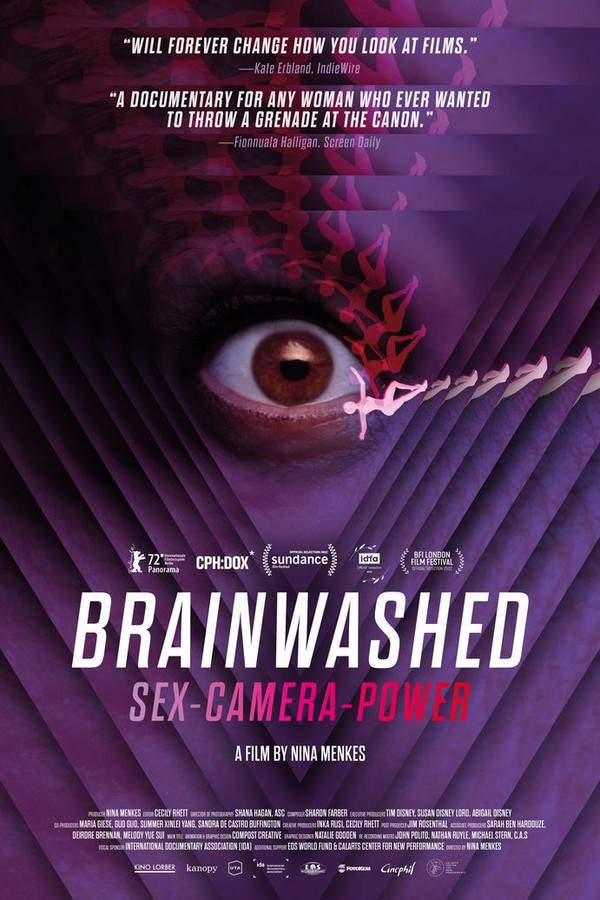
Brainwashed: Sex-Camera-Power (2022) movie poster

Plot Summary

Brainwashed: Sex-Camera-Power (2022) Plot Summary Explained

Release, runtime and language
2022 · 107 min · English
Echo score 70

This provocative documentary examines the ways in which filmmaking techniques contribute to the objectification of women. Using iconic film clips, Nina Menkes analyzes camera angles and narrative structures, arguing that they often reinforce harmful gender norms and perpetuate a culture of sexual abuse, discrimination, and assault. The film explores the pervasive influence of patriarchy within the cinematic industry and its broader societal implications, revealing a hidden power dynamic at play.

On this page (6)
  1. 1 Where to watch
  2. 2 What happens: full plot
  3. 3 Plot questions answered
  4. 4 Movie threads
  5. 5 Movies like Brainwashed: Sex-Camera-Power
  6. 6 Every angle

Where to watch

Where to Watch Brainwashed: Sex-Camera-Power (2022)

Where can you watch Brainwashed: Sex-Camera-Power? Stream, rent or buy it in the US, including on Kino Film Collection, Kanopy and Amazon Video: current JustWatch availability with up-to-date prices.

Streaming availability powered by JustWatch

Full plot summary · contains spoilers

What Happens in Brainwashed: Sex-Camera-Power: Full Plot Summary

The whole story of Brainwashed: Sex-Camera-Power (2022) explained, from the opening scene to the final frame: every key event, every twist and what it all adds up to. Read it as a quick recap before the sequel, to check a scene you missed, or to finally understand what really happened.

"Startling and thought-provoking, Brainwashed is poised to transform how audiences perceive film. As noted by IndieWire, it inspires not only a fresh way of looking but also a revolutionary approach to seeing."

For decades, feminist film theorists have delved into the complexities and consequences of the "male gaze." Initially coined in 1975 by Laura Mulvey—who appears as a pivotal interviewee in Brainwashed—the discussion remains relevant as ever, with the hashtag #malegaze amassing over 300 million views on TikTok. Lena Wilson, a film reviewer for Playlist and TikTok, emphasizes the film's urgent message: "You may think that on-screen sexism is a thing of the past, or that it can't possibly affect our society... Menkes is here to tell you, emphatically, that you are wrong."

Brainwashed builds on the foundational work of Mulvey alongside other prominent feminist thinkers such as Judith Butler, bell hooks, and Angela Carter. Through a combination of interviews with 21 distinguished women and nonbinary experts (and even one man!), along with nearly 200 iconic film clips dating from 1896 to the present, independent filmmaker Nina Menkes meticulously uncovers how elements of shot design—including POV, framing, camera movement, lighting, and sound—have ingrained the sexist binary within cinematic history. The film adeptly links these gendered "laws" of visual language to the pervasive issues of sexual harassment and assault, as well as gender discrimination in the workplace.

By deconstructing societal perceptions of who women are versus the identities they are permitted to embody, Brainwashed equips viewers with the necessary tools to challenge their understanding of traditional filmmaking and its profound repercussions in real life.

Last updated: November 07, 2024 at 23:03

Was this helpful?

Plot questions answered

Brainwashed: Sex-Camera-Power Plot Explained: Your Questions Answered

The questions people ask most about Brainwashed: Sex-Camera-Power (2022): what happens in the confusing scenes, why the characters do what they do, the twists, hidden details and what the ending means. Each answer contains spoilers.

Q1

What is the 'male gaze' concept explained in the film?

The male gaze is a theory first introduced by Laura Mulvey in 1975, describing how film tends to be shot from a male perspective, objectifying women and influencing societal norms about gender roles. Nina Menkes' documentary expands on this concept by showing how specific camera angles, framing, lighting, and editing techniques have historically reinforced gender stereotypes in cinema. The film argues these visual 'laws' are not neutral choices but rather perpetuate harmful gender dynamics that extend beyond the screen.

Foreshadowing: The film opens by establishing Mulvey's foundational theory before building toward its broader implications.

  • male gaze
  • laura mulvey
  • feminist film theory
  • gender representation
Q2

How does the film connect camera techniques to real-world sexual harassment?

Brainwashed argues that the way women are depicted in cinema is directly linked to systemic societal issues like sexual harassment and gender discrimination. By showing patterns across nearly 200 film clips spanning over a century, Menkes demonstrates how visual language normalizes the objectification of women. This normalization, she contends, creates a cultural environment where harmful behaviors toward women become acceptable or expected.

Foreshadowing: Early in the film, Menkes establishes the historical prevalence of these techniques before drawing connections to modern-day incidents.

  • camera techniques
  • sexual harassment
  • objectification
  • visual language
Q3

Who are the key theorists and experts featured in the documentary?

The film features 21 distinguished women and nonbinary experts, plus one male voice, including foundational feminist thinkers like Laura Mulvey, Judith Butler, bell hooks, and Angela Carter. These interviewees provide diverse perspectives on how cinematic representation affects societal perceptions of gender. Their combined expertise creates a comprehensive analysis of the male gaze from multiple academic and experiential viewpoints.

Foreshadowing: The interview segment early in the film introduces Mulvey's foundational work, which the rest of the documentary builds upon.

  • laura mulvey
  • judith butler
  • bell hooks
  • angela carter
  • interviews
Q4

What specific filmmaking techniques does the film analyze?

Menkes examines elements of shot design including POV shots, framing, camera movement, lighting, and sound. She breaks down how each technique has been historically used to portray women in limiting or objectifying ways. The film shows concrete examples from iconic film clips dating back to 1896, demonstrating how these visual 'laws' have persisted across different eras of cinema.

Foreshadowing: The analysis begins with simple framing examples before moving into more complex combinations of techniques.

  • shot design
  • framing
  • camera movement
  • lighting
  • sound design
  • pov shots
Q5

Why does the film include clips from movies dating back to 1896?

The nearly 200 historical film clips serve as evidence of persistent patterns in visual storytelling that reinforce the male gaze throughout cinema history. By showing examples across more than a century, Menkes demonstrates that these are not isolated incidents but systemic conventions. This historical breadth allows viewers to see how these techniques became normalized and inherited across generations of filmmakers.

Foreshadowing: Early clips establish the long-standing nature of these techniques before the film connects them to contemporary issues.

  • film clips
  • cinema history
  • visual patterns
  • iconic films
Q6

What is Nina Menkes' main argument in the documentary?

Menkes argues that the visual language of filmmaking, through specific technical choices in cinematography and editing, has ingrained sexist binaries within cinematic history. These choices are not merely artistic decisions but function as 'laws' that shape how society perceives women. She contends that recognizing and challenging these patterns is essential to combating broader issues of sexual harassment, assault, and gender discrimination in the real world.

Foreshadowing: The documentary opens with Menkes positioning herself as continuing the work of earlier feminist theorists.

  • nina menkes
  • director argument
  • visual language
  • patriarchy
Q7

How does the #MaleGaze TikTok movement factor into the film?

The film references the #MaleGaze movement on TikTok, which has amassed over 300 million views, as evidence that public awareness of these issues is growing. This modern phenomenon demonstrates that the film's subject matter remains urgently relevant. The movement shows younger generations are actively engaging with and questioning the gender dynamics in visual media.

Foreshadowing: The film uses this contemporary example to bridge academic theory with current cultural conversations.

  • tiktok
  • malegaze
  • social media
  • hashtag
  • modern relevance
Q8

What tools does the film give viewers to challenge traditional filmmaking?

Brainwashed equips audiences with analytical tools to deconstruct how women are represented on screen. By understanding the specific techniques of framing, camera movement, lighting, and sound, viewers can recognize patterns of objectification. This knowledge enables more critical consumption of media and encourages audiences to question the narratives they watch.

Foreshadowing: The documentary progressively builds its analytical framework, culminating in practical viewing strategies.

  • critical viewing
  • media literacy
  • deconstruction
  • audience empowerment
Q9

Why is this documentary relevant in today's cultural climate?

The film argues the male gaze remains highly relevant as demonstrated by the 300 million views on TikTok's #malegaze hashtag. Contemporary discussions about gender representation in media, #MeToo, and workplace discrimination all connect to the visual language the film analyzes. The documentary positions these ongoing issues as rooted in longstanding cinematic conventions that continue to shape societal perceptions.

Foreshadowing: The film explicitly connects historical patterns to current social movements and cultural debates.

  • cultural relevance
  • me too
  • gender representation
  • contemporary issues

Movie threads

More Movies Like Brainwashed: Sex-Camera-Power, by Mood & Story

Curated lists built around what makes Brainwashed: Sex-Camera-Power tick: the same mood, the same kind of story or the same emotional payoff. Each list explains why these movies belong together.

Critical cultural documentaries like Brainwashed: Sex-Camera-Power

Documentaries that meticulously deconstruct a system to expose its hidden power dynamics. Find movies like Brainwashed: Sex-Camera-Power that critically analyze cultural systems. These documentaries expose hidden power dynamics in media, politics, or society, offering a serious, thought-provoking, and analytical viewing experience for those seeking enlightenment on complex issues.

  • thought-provoking
  • analytical
  • enlightening
  • urgent
  • serious
  • critical
  • Tone: critical, analytical, urgent
  • Pacing: steady, methodical
Why these movies?

The story pattern: Films in this thread follow a persuasive, argument-driven structure. They present a central thesis—often about a systemic injustice—and build their case methodically through interviews, archival footage, and expert analysis. The narrative is less about character arcs and more about the strength of the intellectual argument being presented.

Why they belong together: These movies are grouped by their shared mission to analyze and expose. They possess a serious, urgent tone, a steady, analytical pacing, and a high intellectual intensity. The focus is on creating a coherent, evidence-based critique that leaves the viewer with a new, critical perspective.


Movies about filmmaking and critique like Brainwashed: Sex-Camera-Power

Movies that turn the camera on filmmaking itself to question its language and impact. If you liked Brainwashed: Sex-Camera-Power's analysis of film technique, explore these movies about cinema itself. This thread includes documentaries and dramas that deconstruct filmmaking, critique Hollywood, or explore the power of the cinematic image in a serious and thought-provoking way.

  • meta
  • cinematic
  • analytical
  • behind-the-scenes
  • thought-provoking
  • critical
  • Tone: analytical, insightful, critical
  • Pacing: steady, reflective
Why these movies?

The story pattern: The narrative pattern involves using film clips, director interviews, and cinematic theory to explore a specific aspect of movies. The journey is one of revelation, guiding the audience from passive viewer to active critic, armed with a new understanding of how visual language constructs meaning and ideology.

Why they belong together: These films are united by their meta-subject matter: cinema. They share a analytical tone, a complexity derived from engaging with film theory, and a mood that is both enlightening and critical. The pacing is often steady, building a case about the nature of the medium.

If you liked this

Movies Like Brainwashed: Sex-Camera-Power

Similar movies to Brainwashed: Sex-Camera-Power: the same genre, themes or kind of story. Each one comes with its own plot summary, timeline and ending explained.

Browse all movie summaries

Every angle

Brainwashed: Sex-Camera-Power (2022) Explained: Plot, Timeline & Characters

Everything about Brainwashed: Sex-Camera-Power in one place: what happens in the plot summary, the timeline in chronological order, the characters and meaning and a spoiler-free summary. What's After the Movie adds the cast, box office and post-credit scenes.

Coming soon on iOS and Android

The Plot Explained Movie Summary App

Plot summaries, endings explained and timelines on your phone. Catch up on any movie in minutes, save your favorites and never miss a twist again.

Be the first to know when we launch. Your email stays private, always.

Learn more about the app