Bernard Rambert, known as "Red Beni," is a prominent and often controversial Swiss defense lawyer. The film explores the reflections of a man who has dedicated his life to advocating for radical change within the legal system, questioning the impact of his chosen path and the conclusions he’s drawn from it.
Find where to stream, rent, or buy Suspect (2025) in the US with current JustWatch availability, up-to-date pricing, and platform listings for subscription, rental, and digital purchase options.
Warning: spoilers below!
Haven’t seen Suspect yet? This summary contains major spoilers. Bookmark the page, watch the movie, and come back for the full breakdown. If you're ready, scroll on and relive the story!
Trace every key event in Suspect (2025) with our detailed, chronological timeline. Perfect for unpacking nonlinear stories, spotting hidden connections, and understanding how each scene builds toward the film’s climax. Whether you're revisiting or decoding for the first time, this timeline gives you the full picture.
Last updated: December 06, 2025 at 16:32
Find frequently asked questions about the Suspect (2025) timeline, including chronological order, nonlinear jumps, cause-and-effect links, and scene sequence clarifications. This timeline FAQ helps explain when key events happen, how moments connect, and why the story unfolds in that specific order.
Ishigami had developed a quiet obsession with Yasuko through their daily morning interactions at her restaurant, which he described as the brightest part of his otherwise isolated life. His mathematical mind saw an opportunity to protect the woman he cared for and justify his own existence through a display of intellectual prowess. Additionally, his moral code led him to view Togashi's death as justified self-defense against an abuser, making the cover-up feel righteous rather than criminal.
The film establishes their morning ritual as emotionally significant for Ishigami long before the murder occurs.
Detective Kaoru Utsumi and her superior Shunpei Kusanagi sought Yukawa's help because they hoped his analytical abilities could crack the case. Yukawa initially refused, claiming the case had nothing to do with physics. However, when he learned that the suspect's neighbor was his former classmate Ishigami, curiosity and professional respect for his old friend drew him into the investigation.
The detectives specifically sought someone with exceptional analytical skills, making Yukawa a natural choice.
Ishigami devised a meticulous, step-by-step cover-up that involved disposing of the body and creating false narratives to mislead investigators. He used his mathematical precision to anticipate police questions and construct plausible explanations for every aspect of the crime. His calm, methodical approach contrasted sharply with the chaos of the murder itself.
The film emphasizes Ishigami's reputation for logical, calculated thinking from the beginning.
As Yukawa investigated the case, he began to see that the murderer's logic was too precise and methodical to belong to an ordinary criminal. Recognizing his old friend's intellectual style, Yukawa realized that Ishigami's mathematical mind was behind the elaborate scheme. The battle of wits intensified as Ishigami tried to stay one step ahead of Yukawa's deductions.
Their reunion early in the film establishes both the depth of their intellectual connection and Yukawa's ability to understand Ishigami's thinking patterns.
Yukawa finally pieced together the truth through deductive reasoning, exposing Ishigami's elaborate cover-up. However, the revelation brought no satisfaction, the truth did not deliver justice or relief. Yukawa, who typically remained emotionally detached in investigations, was visibly distraught by the outcome, and the resolution left all characters grappling with the moral cost of their actions.
The accumulating clues throughout the investigation build toward this moment of painful clarity.
When Togashi's body was discovered and identified, Yasuko became the central suspect because she had the clearest motive and opportunity. As Togashi's ex-wife who had been threatened and attacked by him, investigators could easily connect her to the crime. The domestic violence context made her the obvious focus of the investigation, even though Ishigami had orchestrated the cover-up.
The film establishes early that Togashi was Yasuko's abusive ex-husband who had come to extort money.
Ishigami lived next door to Yasuko, and from his apartment, he overheard the violent confrontation between Yasuko, her daughter Misato, and Togashi. Despite his typically reclusive nature, he chose to intervene after hearing the commotion, stepping into the crisis with an offer to help manage the aftermath.
The film establishes their proximity through the morning restaurant ritual that opens the story.
Ishigami was Yasuko's neighbor who patronized her small restaurant every morning, buying lunch and exchanging brief greetings. These interactions, though superficial, represented the only warmth in Ishigami's otherwise isolated, ascetic life devoted to mathematics. He harbored unspoken feelings for her, which motivated his extreme actions to protect her.
The opening scenes emphasize how these morning exchanges were described as the brightest part of Ishigami's day.
The film intentionally subverts detective genre expectations by having the truth emerge not as a triumphant resolution but as a source of sorrow. Yukawa's emotional response underscores that intellectual victory meant little when the truth damaged rather than healed. The characters remained traumatized, and justice provided no real comfort, the moral complexity of protecting an abused woman from her attacker created a lose-lose situation.
The steady, tense pacing throughout builds toward this heavy, bittersweet conclusion rather than a triumphant reveal.
Togashi, Yasuko's abusive ex-husband, appeared at her apartment to extort money and continue threatening both Yasuko and her daughter Misato. His visit was not just about money but represented a continuation of his pattern of control and violence against his former family, which escalated into the confrontation that led to his death.
The film establishes Yasuko as a divorced single mother trying to build a stable life for her daughter.
Discover curated groups of movies connected by mood, themes, and story style. Browse collections built around emotion, atmosphere, and narrative focus to easily find films that match what you feel like watching right now.
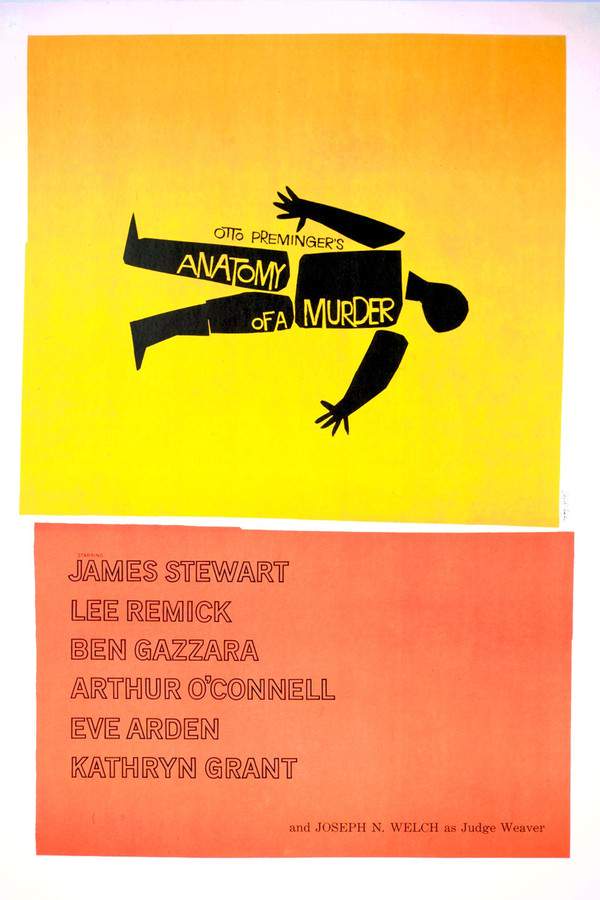
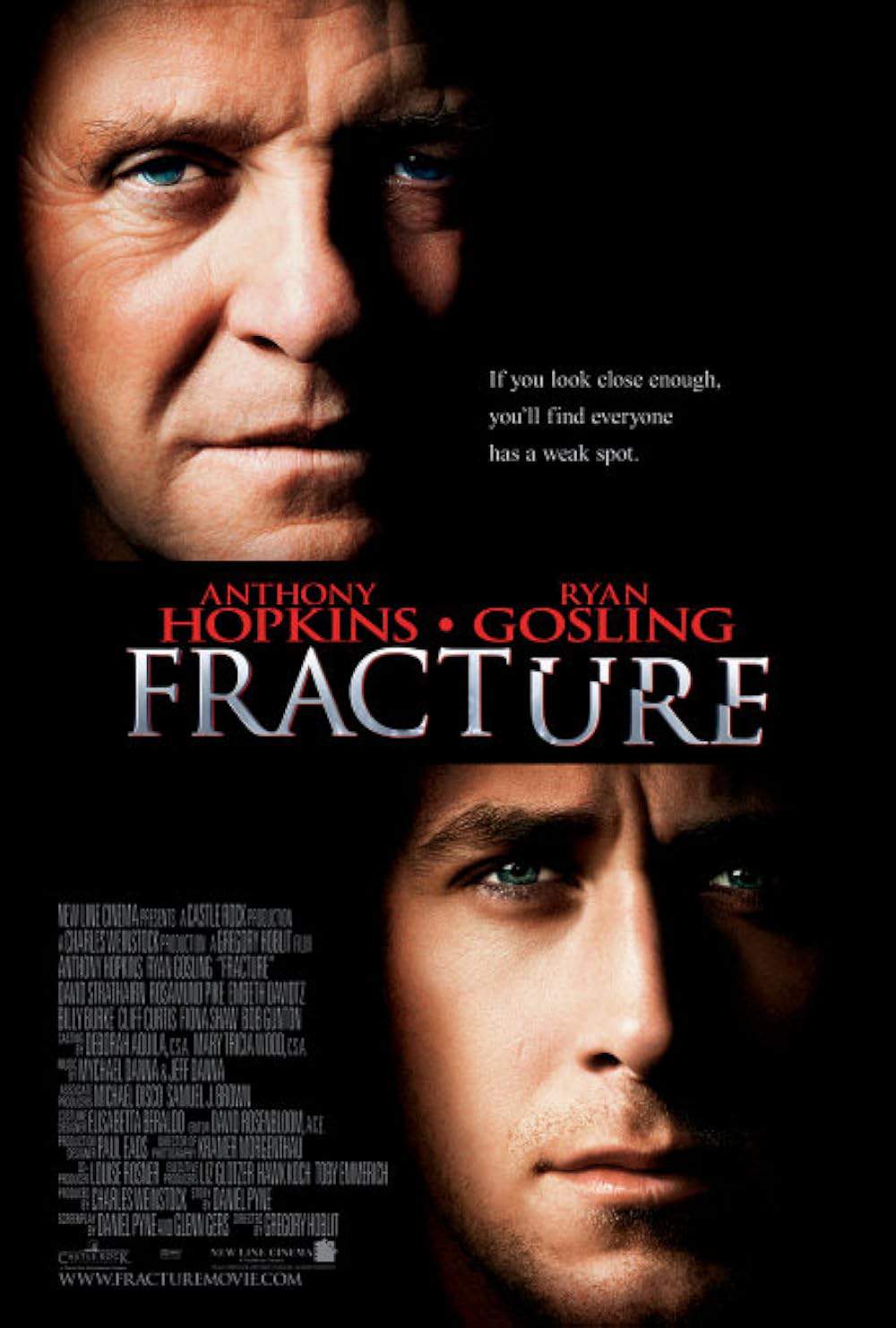
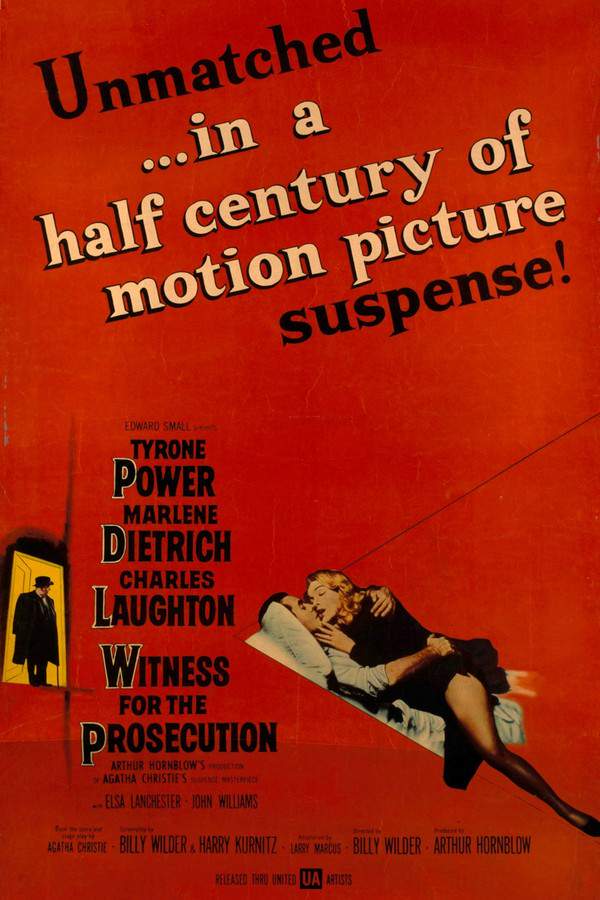
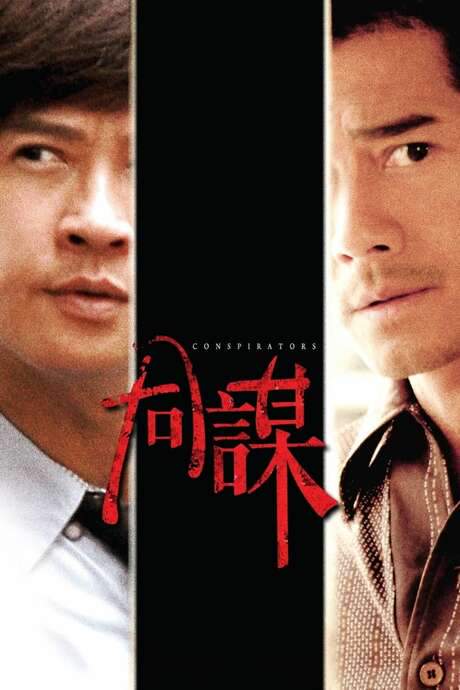
High-stakes intellectual duels where the mind is the primary weapon.For viewers who enjoyed the strategic, high-stakes battle in Suspect, this collection features movies with similar intellectual intensity. These films are for those who like complex puzzles, tense legal or investigative procedures, and stories where intelligence is the ultimate power. If you liked Suspect, explore these cerebral journeys into the heart of the justice system.
Stories typically follow a high-IQ conflict, often between a prosecution and defense or two masterminds, unfolding through careful deduction and strategic moves. The plot is driven by a complex web of evidence and motive, demanding close attention from the audience as the truth is methodically unveiled, often with tragic personal costs.
They are grouped by their shared focus on intellectual tension, complex plotting, and a steady, methodical pace that prioritizes psychological depth over physical action. The emotional weight is heavy, stemming from the moral ambiguity and personal sacrifices inherent in the pursuit of justice.
Stories where uncovering the truth brings profound sorrow, not relief.If the emotionally heavy and bittersweet ending of Suspect resonated with you, this list features similar stories. These are films where the search for answers leads to a truth that is tragic and morally complex, leaving characters and viewers with a profound sense of melancholy. Discover more movies like Suspect that explore the painful cost of knowledge.
The narrative follows a search for answers—be it a crime, a mystery, or a personal secret—that promises closure. However, the resolution uncovers a deeply tragic reality, such as a noble sacrifice or a heartbreaking motive, transforming the victory into a personal defeat and leaving a lasting emotional impact.
They share a specific emotional arc: a journey from intense inquiry to a conclusion that is bittersweet or outright tragic. The pacing is often steady, allowing the emotional weight to build, culminating in an ending that feels heavy and contemplative, prioritizing emotional truth over tidy resolutions.
Don't stop at just watching - explore Suspect in full detail. From the complete plot summary and scene-by-scene timeline to character breakdowns, thematic analysis, and a deep dive into the ending - every page helps you truly understand what Suspect is all about. Plus, discover what's next after the movie.
Read a complete plot summary of Suspect, including all key story points, character arcs, and turning points. This in-depth recap is ideal for understanding the narrative structure or reviewing what happened in the movie.
Discover the characters, locations, and core themes that shape Suspect. Get insights into symbolic elements, setting significance, and deeper narrative meaning - ideal for thematic analysis and movie breakdowns.
What really happened at the end of Suspect? This detailed ending explained page breaks down final scenes, hidden clues, and alternate interpretations with expert analysis and viewer theories.