Plot Explained Spoilers guaranteed!
Plot Explained

Browse by genre

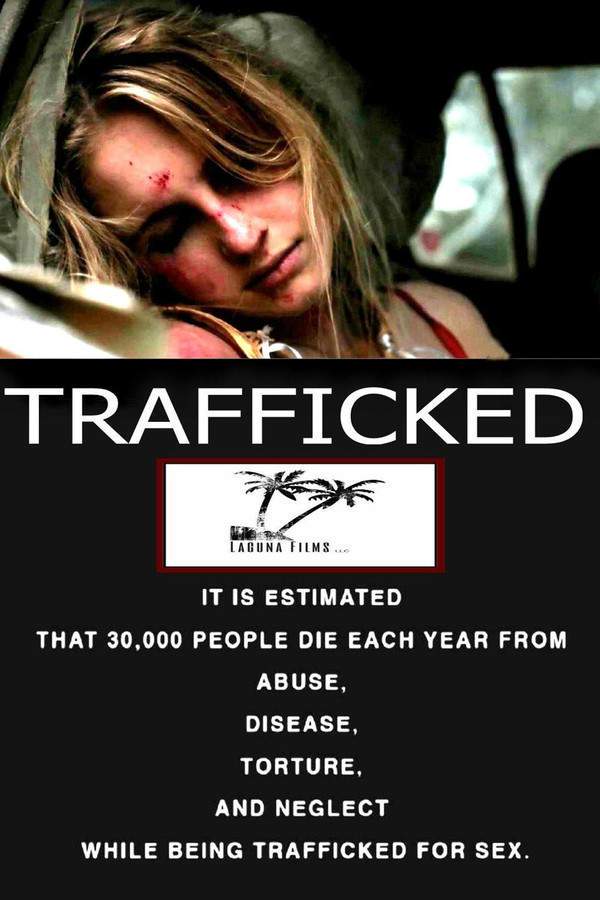
Stopping Traffic (2017) movie poster

Plot Summary

Stopping Traffic (2017) Plot Summary Explained

Release, runtime and language
2017 · 79 min · English
Loading streaming availability…
Directed by
Sadhvi Siddhali Shree
Starring
Dolph Lundgren, Carolina Douthit, Cecilia Flores-Oebanda, Jeannie Mai, John A. King, Karla Jacinto

Stopping Traffic exposes the disturbing reality of global sex trafficking, focusing on child exploitation within the United States and internationally. Through the experiences of survivors and the work of dedicated advocates, the documentary reveals a complex network connecting child sexual abuse, online pornography, social media, and human trafficking. It highlights the scope of the problem and urges viewers to take action against this pervasive crime.

On this page (6)
  1. 1 Where to watch
  2. 2 What happens: full plot
  3. 3 Plot questions answered
  4. 4 Movie threads
  5. 5 Movies like Stopping Traffic
  6. 6 Every angle
Loading streaming availability…

Full plot summary · contains spoilers

What Happens in Stopping Traffic: Full Plot Summary

The whole story of Stopping Traffic (2017) explained, from the opening scene to the final frame: every key event, every twist and what it all adds up to. Read it as a quick recap before the sequel, to check a scene you missed, or to finally understand what really happened.

Stopping Traffic is a powerful and harrowing documentary that delves into the global crisis of human sex trafficking, with a specific and heartbreaking focus on the exploitation of minors. Rather than observing the crisis from a distance, the film adopts a deeply personal perspective, centering its narrative around the lived experiences of those who have endured the unthinkable. The production features poignant interviews with survivors of child sexual abuse and sex trafficking, as well as veteran activists who have dedicated their lives to this cause. To provide a comprehensive overview of the crisis, the film incorporates expert commentary from a wide range of professionals, including social service agents, medical doctors, academics, and passionate young activists.

The scale of the tragedy is underscored by data from a 2014 report by the International Labour Organisation, which the documentary cites to reveal that approximately 27 million people are trafficked worldwide every year. This illicit industry is not only a human rights catastrophe but a massive financial machine, delivering an estimated $150 billion annually (which adjusts to roughly $195 billion in 2024) into the pockets of captors and criminals.

To illustrate the global reach of this crime, the story travels across various borders, exploring harrowing cases in:

* The Philippines

* Mexico

* Thailand

* Iraq

* Major cities across the United States

By providing raw imagery and first-hand documentation, the film exposes the brutal realities of how these crimes are perpetrated. It meticulously examines the grooming and kidnapping processes that occur both within the sanctuary of families and on the dangerous streets. The documentary explains the chilling economics of the trade, noting that while it may only cost a trafficker an average of $90 to acquire a victim, that individual has the potential to yield thousands of dollars in profit.

Furthermore, the film makes a bold and disturbing claim regarding the role of the United States, establishing the U.S. as the largest source of customers for sex traffickers. It specifically highlights the Super Bowl as one of the most popular events for traffickers to arrange and execute their illegal operations.

Beyond the exposure of the crime, Stopping Traffic seeks to empower the viewer. The documentary concludes by suggesting nine specific ways the general public can actively participate in the fight to end trafficking. These actionable steps include:

1. Writing formal letters to government authorities.

2. Reporting suspected or alleged trafficking activities.

3. Educating peers by talking to friends and family about the subject to raise awareness.

The production features contributions from several individuals, including Dolph Lundgren, Carolina Douthit, Cecilia Flores-Oebanda, Jeannie Mai, and John A. King. Additional voices and perspectives are provided by Karla Jacinto, Kristen Renton, Mario Garfias, Rosi Orozco, and Susanne Dietzel.

Last updated: October 11, 2026 at 16:45

Was this helpful?

Plot questions answered

Stopping Traffic Plot Explained: Your Questions Answered

The questions people ask most about Stopping Traffic (2017): what happens in the confusing scenes, why the characters do what they do, the twists, hidden details and what the ending means. Each answer contains spoilers.

Q1

Why does Stopping Traffic identify the United States as the largest source of customers for sex traffickers?

The documentary makes a deliberate claim that the U.S. drives global demand by being the biggest consumer base for purchased commercial sex, including trafficking victims. By establishing American buyers as the primary market, the film reframes trafficking not as a distant foreign problem but as a crime sustained by domestic demand, which is why so much screen time is given to U.S. cases alongside international ones.

  • united states demand
  • sex buyers
  • american consumers
  • trafficking customers
  • demand-side
Q2

What is the connection between the Super Bowl and sex trafficking that the documentary exposes?

Stopping Traffic identifies the Super Bowl as the single most popular event for traffickers to arrange and execute illegal operations. Massive gatherings of adult men, hotel vacancies, and out-of-town visitors create ideal conditions for buyers and sellers to converge, which is why trafficking activity spikes around the game each year and why advocates use the event to push awareness campaigns.

  • super bowl trafficking
  • major sporting events
  • trafficking spikes
  • hotel-based exploitation
Q3

Why does Stopping Traffic emphasize trafficking that happens within families?

The documentary devotes a segment to intra-familial exploitation to show that children are often first victimized by parents or relatives before ever reaching a trafficker. By exposing this betrayal of trust, the film argues that grooming and recruitment frequently begin inside the home, which complicates the common assumption that strangers on the street are the primary threat.

  • family trafficking
  • intra-familial abuse
  • child grooming
  • parental exploitation
Q4

How does the $90 acquisition cost reveal the economics of human trafficking?

The documentary breaks down the trafficking economy by noting that it costs a trafficker an average of only $90 to acquire a victim, while that individual can be exploited for thousands of dollars in profit. This extreme ratio is presented to explain why the trade keeps expanding: the upfront investment is negligible compared to the returns, making recruitment of new victims a near-constant operation.

  • trafficking economics
  • $90 acquisition cost
  • profit margin
  • low-cost recruitment
Q6

How does Stopping Traffic describe how victims are recruited on the streets?

The film documents street-level recruitment as a coordinated practice where traffickers target vulnerable children and young adults in public spaces, luring them with promises of money, shelter, food, or relationships. Once a victim leaves with the trafficker, they are quickly moved to a controlled environment where escape becomes nearly impossible, which is why the documentary stresses early intervention and community awareness.

  • street recruitment
  • trafficking methods
  • luring tactics
  • vulnerable youth
Q7

What role does online pornography and social media play in the trafficking network according to the film?

Stopping Traffic links online pornography and social media directly to child exploitation by showing how platforms are used to groom victims, distribute imagery, and coordinate buyer-seller transactions. The documentary treats the internet as a force multiplier for trafficking rather than a neutral tool, arguing that digital demand and digital access have reshaped how the crime is committed.

  • online pornography
  • social media trafficking
  • digital grooming
  • online exploitation
Q8

How does the documentary connect child sexual abuse to broader trafficking networks?

The film argues that early sexual abuse, whether inside or outside the home, is often the entry point into trafficking rather than a separate crime. Survivors describe how abusers introduce them to commercial exploitation, sell them to networks, or normalize their treatment until they are recruited into street-level or online trade. This connection is used to show why preventing child abuse is also a trafficking-prevention strategy.

  • child sexual abuse
  • abuse-to-trafficking pipeline
  • survivor pathway
Q9

What is the significance of the 27 million trafficked people statistic the documentary cites?

The 27 million figure comes from a 2014 International Labour Organisation report and is used in Stopping Traffic to anchor the documentary in measurable scale rather than anecdote. By opening with this number alongside the $150 billion annual revenue estimate, the film establishes that trafficking is a mass, industrial crime rather than a fringe activity.

  • 27 million trafficked
  • ILO 2014 report
  • trafficking statistics
  • $150 billion industry
Q10

Why are celebrities like Dolph Lundgren and Jeannie Mai featured in Stopping Traffic?

The filmmakers include public figures to push the documentary past activist audiences and into mainstream viewership, since trafficking prevention relies on widespread awareness rather than insider knowledge. Celebrity involvement also gives survivors' stories a wider platform and signals that anti-trafficking work crosses political and cultural lines.

  • dolph lundgren
  • jeannie mai
  • celebrity advocates
  • mainstream awareness
Q11

Why does Stopping Traffic end with nine specific action steps instead of just exposing the problem?

The film explicitly chooses an action-oriented conclusion so the audience leaves with agency rather than despair. Writing to authorities, reporting suspected activity, and educating peers are framed as concrete behaviors that compound into systemic pressure, transforming the documentary's emotional weight into measurable civic impact.

  • call to action
  • nine steps
  • reporting trafficking
  • public engagement
Q12

Who are the main survivors and advocates featured in Stopping Traffic?

The documentary centers survivors such as Karla Jacinto alongside veteran advocates including Cecilia Flores-Oebanda, Rosi Orozco, and John A. King, with additional commentary from social workers, doctors, and academics. Their combined testimony gives the film both emotional grounding and institutional credibility, showing trafficking from the survivor's perspective while explaining the systems designed to fight it.

  • karla jacinto
  • cecilia flores-oebanda
  • rosi orozco
  • john a. king
  • survivor interviews

Movie threads

More Movies Like Stopping Traffic, by Mood & Story

Curated lists built around what makes Stopping Traffic tick: the same mood, the same kind of story or the same emotional payoff. Each list explains why these movies belong together.

Investigative exposé documentaries like Stopping Traffic

Hard-hitting documentaries that pull back the curtain on hidden systemic horrors. If documentaries like Stopping Traffic left you shaken and wanting more, this thread features hard-hitting investigative films that expose hidden crimes, systemic abuses, and global injustices through survivor testimony and expert analysis. Expect steady pacing, dark tones, and emotionally heavy viewing that demands your attention and refuses to look away from uncomfortable truths.

  • disturbing
  • exposé
  • urgent
  • heavy
  • confrontational
  • eye-opening
  • Tone: dark, somber, urgent
  • Pacing: steady, investigative pace
Why these movies?

The story pattern: These documentaries typically open with a clear hook, then layer in survivor stories, expert voices, and on-the-ground footage to construct a comprehensive picture of a hidden crisis. They move between personal narratives and systemic analysis, weaving statistics and investigative reporting with raw human testimony. The arc moves from exposure of the problem to a deeper understanding of its scale, leaving viewers emotionally wrecked but intellectually equipped.

Why they belong together: Films are grouped here because they share a commitment to unflinching truth-telling through structured documentary storytelling. The pacing is steady, the tone is dark, and the emotional weight is heavy. They balance multiple perspectives and locations while maintaining a clear thematic through-line, combining survivor interviews with expert commentary to build a damning portrait of systemic injustice.

From outrage to action movies like Stopping Traffic

Stories that transform despair into empowerment and hand you the tools to fight back. If movies like Stopping Traffic moved you from horror to action, this thread gathers films that channel grief and outrage into empowerment. These stories expose difficult truths but refuse to end in despair, offering survivors, advocates, and viewers a path forward through awareness and activism. Perfect for viewers seeking socially conscious films that still leave room for hope.

  • empowering
  • urgent
  • activist
  • survivor-centered
  • cathartic
  • hopeful
  • Tone: heavy, then empowering
  • Pacing: steady build toward action
Why these movies?

The story pattern: Films in this thread typically begin by establishing a serious injustice or crisis through testimony and evidence. Midway, they pivot from pure documentation toward the people and movements fighting back. The climax often highlights advocacy work, survivor resilience, or systemic reform, and the ending deliberately offers viewers a sense of agency. The emotional trajectory moves from devastation through determination toward cautious but genuine empowerment.

Why they belong together: These films are grouped because they share a distinctive emotional arc that converts disturbing subject matter into a call to engagement. They balance heavy themes with constructive resolution, ending on a mixed note rather than bleak despair. Whether documentary or narrative, they treat the audience as capable of action, and their pacing and structure deliberately build toward mobilization and resource-driven hope.

If you liked this

Movies Like Stopping Traffic

Similar movies to Stopping Traffic: the same genre, themes or kind of story. Each one comes with its own plot summary, timeline and ending explained.

Browse all movie summaries

Every angle

Stopping Traffic (2017) Explained: Plot, Timeline & Characters

Everything about Stopping Traffic in one place: what happens in the plot summary, the timeline in chronological order, the characters and meaning and a spoiler-free summary. What's After the Movie adds the cast, box office and post-credit scenes.

Coming soon on iOS and Android

The Plot Explained Movie Summary App

Plot summaries, endings explained and timelines on your phone. Catch up on any movie in minutes, save your favorites and never miss a twist again.

Be the first to know when we launch. Your email stays private, always.

Learn more about the app