Year: 2010
Runtime: 80 min
Language: English
Directors: Steven Greenstreet, Reed Cowan
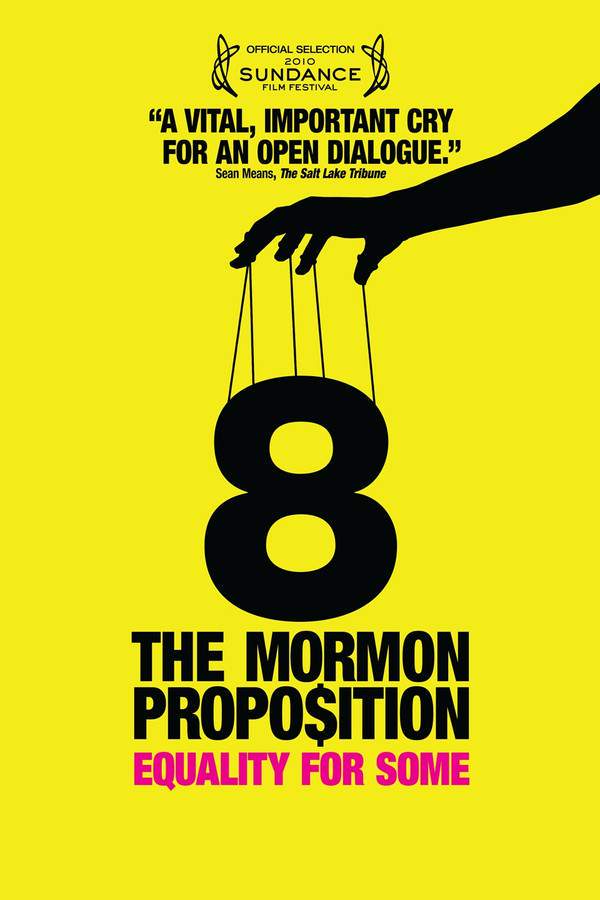
This documentary explores the Mormon Church’s involvement in the campaign to pass Proposition 8, a pivotal California ballot initiative that ignited a national discussion about same-sex marriage. Director Reed Cowan shares his personal experiences growing up gay within the Mormon faith in Utah, offering a poignant look at the issue. The film features compelling testimonies and examines the significant impact of this campaign on the LGBTQ+ community.
Warning: spoilers below!
Haven’t seen 8: The Mormon Proposition yet? This summary contains major spoilers. Bookmark the page, watch the movie, and come back for the full breakdown. If you're ready, scroll on and relive the story!
Read the complete plot breakdown of 8: The Mormon Proposition (2010), including all key story events, major twists, and the ending explained in detail. Discover what really happened, and what it all means.
As California's anti-gay marriage Proposition 8 struggled in the polls, Mormon Prophet Thomas S. Monson issued a provocative call from Salt Lake City, commanding millions of Mormons worldwide to take action. This urgent order, infused with the secret code language from the highly confidential Mormon temple ceremony, incited Mormons both inside and outside California to do everything within their power to ensure the passage of Proposition 8. Within a matter of days, hundreds of thousands of Mormons across the United States funneled a staggering thirty million dollars into California, all aimed at securing the passage of this anti-gay marriage measure.
Before the Mormons joined the fray, evangelicals were struggling and failing in their fight against marriage equality. However, once the Mormons came on board, the movement gained significant momentum. The extensive media campaign orchestrated by the Mormon Church, supported by high-priced public relations firms and political consultants, bombarded Californians with a torrent of misleading television and radio ads, as well as a vigorous door-to-door campaign organized by the Mormon National Organization for Marriage.
When Proposition 8 passed by a narrow margin, the Mormons were quick to claim credit for this victory. Ironically, they soon found themselves facing backlash as LGBT activists directed their anger towards Mormon temples across the nation. In what seemed to be a classic case of irony, the Mormon Church quickly complained about being persecuted.
Amid this turbulence, documentary producer Reed Cowan began gathering secret audio recordings, documents, and previously unseen footage that revealed the Church's efforts to suppress any rights for LGBT citizens globally. As a former Mormon missionary, Cowan expressed his disbelief, stating, "I am appalled in knowing that a church which itself worships the practice of alternative marriage (polygamy) would become so vehemently involved in the marriage debate."
The film, 8: The Mormon Proposition, chronicles the plight of many LGBT individuals advocating for marriage equality. Among the couples featured are Tyler Barrick and Spencer Jones, whose lineage connects to the Mormon Church’s founders; Barrick is a direct descendant of Fredrick G. Williams, who was a close associate of Joseph Smith. The historical narratives of the Barrick-Jones family reveal a legacy of their ancestors being persecuted for their practice of polygamy. Now, generations later, they find themselves facing similar cultural and governmental discrimination, but this time perpetrated by their own faith, with the very institution that seduced them into voting against their union.
Reflecting on their experience, Barrick-Jones lamented, "When 8 passed, I called my mother crying--why did the Mormons do this to us? Why would our own people do this to us? They have turned their backs on us."
8: The Mormon Proposition uncovers decades-long campaigns to undermine LGBT rights, showcasing not only the strategic moves to unseat politicians supporting marriage equality but also the human rights abuses inflicted upon members of their own community, such as electric shock therapy and frontal lobotomies enforced on men at BYU by Mormon security. The documentary makes headline-grabbing revelations about alleged covert meetings between Mormon Prophet Spencer W. Kimball and a clandestine group of gay BYU students, known as "Spencer's boys." It also recounts the tragic stories of gay-Mormon suicides, including that of Stuart Matis, who tragically took his life on the steps of a California Mormon Church during the Church's active campaign against marriage equality.
Even before its official release, 8 drew significant attention from international media. During the filming, Cowan captured an outrageous interview with Mormon Bishop and Senator D. Chris Buttars, who infamously compared gay individuals to radical terrorists, claiming “gays represent the greatest threat to America going down today.” His derogatory remarks about gay people engaged in “pig sex” triggered a substantial backlash, including coordinated responses from the HRC and GLAAD, ultimately resulting in Buttars being ousted from his role as chair of Utah's Senate Judiciary Committee.
The fallout from Buttars's statements dominated the public discourse, sparking coverage from major media outlets like Forbes, Washington Post, and The Rachel Maddow Show, which collectively resulted in thirty thousand emails sent to the Utah Senate President and a three-day crash of the Utah Senate computer server.
Moreover, the documentary sheds light on the dire circumstances of Utah's homeless LGBT youth, revealing that a significant portion of the hundreds of homeless teens in the state are LGBT individuals who have been disowned by their families after coming out.
Involving itself in broader issues of human rights, 8: The Mormon Proposition stands as a poignant reminder of the potential risk for the Mormon Church to lose its tax-exempt status. Cowan emphasizes the urgent need for not just LGBT individuals, but all citizens to become vigilant and aware of the funding and influence behind ballot measures, especially when they gain unexpected momentum.
In the words of Reed Cowan, "8: The Mormon Proposition puts on record one of the greatest election shams in the history of the United States. If the Mormon church gets a pass on this one, we're in grave danger as a society of letting other groups purchase votes and we're putting power behind their so-called 'secret combinations' to do it again. This can never happen again. Never."
Last updated: October 27, 2024 at 22:14
Explore frequently asked questions about 8: The Mormon Proposition (2010) with spoiler-rich answers covering the full plot summary, major story beats, character motivations, hidden details, and ending meaning. This movie summary FAQ helps explain confusing scenes, plot twists, and narrative decisions in clear, searchable detail.
Mormon Prophet Thomas S. Monson issued a decisive call from Salt Lake City, urging millions of Mormons worldwide to take action to ensure Proposition 8's passage. The call was crafted using secretive language from Mormon temple ceremonies, which carries significant weight within the faith. This wasn't merely a suggestion, it was presented as a religious command that many members felt compelled to follow.
Within days of Monson's command, hundreds of thousands of Mormons across the United States contributed approximately thirty million dollars to the Yes on 8 campaign. The Church's hierarchical structure and authoritative command from the Prophet created a sense of religious obligation among members. This massive financial mobilization was coordinated through the Mormon National Organization for Marriage, which orchestrated both the funding and the grassroots get-out-the-vote efforts.
Before the Mormon Church became involved, evangelical groups were actively fighting against marriage equality but were losing ground in California. The religious right lacked the organizational infrastructure, financial resources, and centralized leadership needed to mount an effective campaign. Once the Mormons entered with their massive funding and coordinated grassroots network, they provided the missing elements, money, organization, and credibility, that turned the tide in favor of Proposition 8.
Tyler Barrick and Spencer Jones are direct descendants of Fredrick G. Williams, a close associate of Joseph Smith, the founder of the Mormon Church. This historical connection adds profound irony to their situation, their ancestors were persecuted for practicing polygamy, yet generations later, the same Church that defended polygamy was actively fighting to deny them the right to marry. Their story represents a painful cycle of discrimination from the very institution that shaped their family history.
The opposition is deeply ironic because the Mormon Church itself historically practiced polygamy, which was considered an alternative form of marriage. Former missionary Reed Cowan explicitly noted his disbelief that a church which 'worships the practice of alternative marriage' would become the leading force against marriage equality. The Church's ancestors were persecuted by the U.S. government for polygamy, yet the institution now advocates for denying marriage rights to another group, a parallel the documentary highlights as a profound betrayal.
Stuart Matis was a gay Mormon man who tragically took his own life on the steps of a California Mormon Church during the Church's active campaign against Proposition 8. His suicide became a devastating symbol of the real human cost of the Church's political stance against marriage equality. The documentary uses his story to illustrate the psychological harm inflicted on LGBT individuals when their own faith community actively campaigns against their basic civil rights.
'Spencer's boys' refers to a clandestine group of gay BYU students who allegedly met secretly with Mormon Prophet Spencer W. Kimball. The documentary makes the claim that these covert meetings occurred, though the exact nature and outcome of these interactions remains part of the Church's disputed history. This revelation suggests high-level awareness within the Church regarding the struggles of gay members decades before the Proposition 8 debate.
The documentary revealed that BYU, under Church oversight, enforced extreme practices on gay men including electric shock therapy and frontal lobotomies. These so-called 'conversion therapies' were intended to change sexual orientation and were carried out by Mormon security personnel at the university. These accounts represent some of the most disturbing examples of institutional abuse directed at LGBT individuals within the Church's own educational system.
Mormon Bishop and Utah Senator D. Chris Buttars compared gay individuals to radical terrorists and claimed they represent 'the greatest threat to America.' He also made derogatory remarks about gay people engaging in 'pig sex.' These inflammatory statements triggered coordinated responses from LGBTQ+ advocacy organizations including HRC and GLAAD. The backlash was so severe it resulted in thirty thousand emails to the Utah Senate President, crashed the Utah Senate computer server for three days, and ultimately forced Buttars to resign as chair of Utah's Senate Judiciary Committee.
Documentary producer Reed Cowan emphasized that the Church's direct involvement in political campaigns, particularly the massive financial contributions and organized get-out-the-vote efforts, could jeopardize its tax-exempt status as a religious organization. Non-profit religious institutions are generally prohibited from participating in political campaigns, and the documented thirty-million-dollar mobilization represented a significant departure from that boundary. Cowan warned that if the Church escaped consequences for this, it would set a dangerous precedent for other groups to purchase political influence.
The documentary highlighted that a significant portion of Utah's homeless teen population are LGBT individuals who were disowned by their families after coming out. This crisis represents one of the devastating real-world consequences of the Church's teachings and political activism against LGBTQ+ rights. The hundreds of homeless LGBT youth in Utah serve as a tragic indicator of the harm caused when religious institutions actively promote discrimination against queer individuals.
After Proposition 8 passed by a narrow margin, LGBT activists directed their anger toward Mormon temples across the nation. The Church, which had claimed credit for the victory, quickly found itself facing significant public backlash and protests at temples nationwide. This response highlighted the unintended consequences of the Church's very public political involvement, a sharp irony given that the Church then complained about being persecuted for its actions.
Discover curated groups of movies connected by mood, themes, and story style. Browse collections built around emotion, atmosphere, and narrative focus to easily find films that match what you feel like watching right now.
Documentaries that expose how institutions wield power and shape public opinion.For viewers who found 8: The Mormon Proposition compelling, this section highlights movies like it that investigate institutional power, political influence, and propaganda. These similar documentary stories share an investigative spirit and a focus on how public opinion is shaped, perfect for those seeking eye-opening exposés.
These films typically follow a journalistic or personal investigation into a hidden or denied aspect of a powerful institution. The narrative builds by methodically presenting evidence, insider accounts, and historical context, often culminating in a stark revelation about the impact of these actions on vulnerable communities or democratic processes.
Movies are grouped here because they share a core mission of investigative exposure, a dark and urgent tone, and a structured, evidence-based approach to storytelling. They all aim to inform and provoke the audience by revealing systemic manipulations.
Heavy yet vital stories of social injustice and the fight for civil rights.If you were moved by the heavy emotional weight and advocacy in 8: The Mormon Proposition, explore these movies like it. This collection features similar documentaries with a somber mood focusing on civil rights, LGBTQ+ issues, and social injustice, for viewers seeking impactful stories of struggle and resilience.
The narrative pattern revolves around a specific injustice, often legal or systemic, and explores its profound human cost through personal testimonies and historical analysis. The journey is one of loss and tragedy, but it also chronicles resistance, activism, and the enduring fight for dignity and equality, leading to a mixed or bittersweet conclusion.
These films are united by their heavy emotional weight, a dark and somber mood, and a central focus on civil rights battles. They balance the tragedy of injustice with the purpose of advocacy, creating a powerful and draining viewing experience.
Don't stop at just watching - explore 8: The Mormon Proposition in full detail. From the complete plot summary and scene-by-scene timeline to character breakdowns, thematic analysis, and a deep dive into the ending - every page helps you truly understand what 8: The Mormon Proposition is all about. Plus, discover what's next after the movie.
Track the full timeline of 8: The Mormon Proposition with every major event arranged chronologically. Perfect for decoding non-linear storytelling, flashbacks, or parallel narratives with a clear scene-by-scene breakdown.
Discover the characters, locations, and core themes that shape 8: The Mormon Proposition. Get insights into symbolic elements, setting significance, and deeper narrative meaning - ideal for thematic analysis and movie breakdowns.
Discover movies like 8: The Mormon Proposition that share similar genres, themes, and storytelling elements. Whether you’re drawn to the atmosphere, character arcs, or plot structure, these curated recommendations will help you explore more films you’ll love.
8: The Mormon Proposition (2010) Scene-by-Scene Movie Timeline
8: The Mormon Proposition (2010) Movie Characters, Themes & Settings
8: The Mormon Proposition (2010) Spoiler-Free Summary & Key Flow
Movies Like 8: The Mormon Proposition – Similar Titles You’ll Enjoy
Pray Away (2021) Film Overview & Timeline
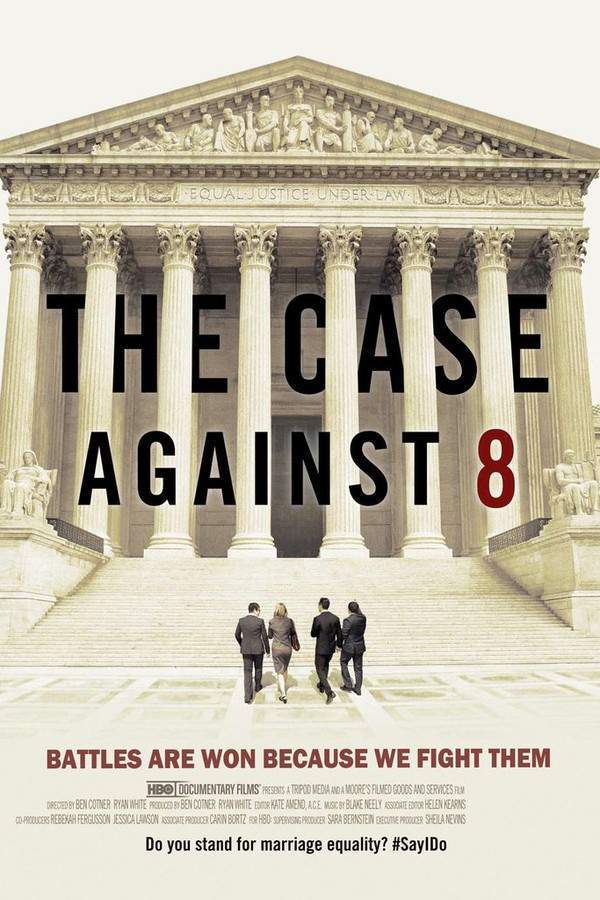
The Case Against 8 (2014) Full Summary & Key Details
God Loves Uganda (2013) Story Summary & Characters
Believer (2018) Ending Explained & Film Insights
Mama's Boy (2022) Detailed Story Recap
This Divided State (2005) Film Overview & Timeline
Prophet's Prey (2015) Movie Recap & Themes
Latter Days (2004) Detailed Story Recap
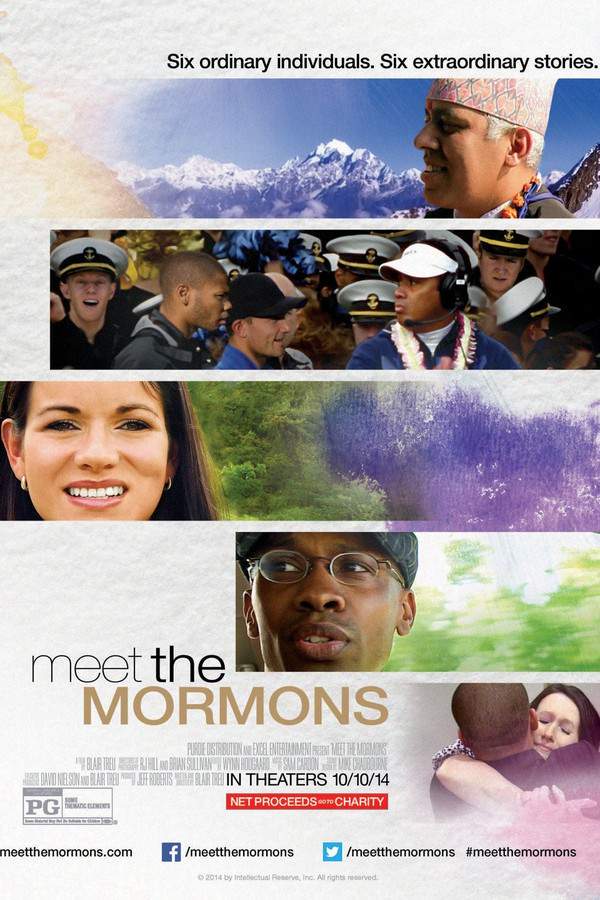
Meet the Mormons (2014) Detailed Story Recap
Family Fundamentals (2002) Full Movie Breakdown
Tying the Knot (2004) Story Summary & Characters
Question One (2012) Full Movie Breakdown
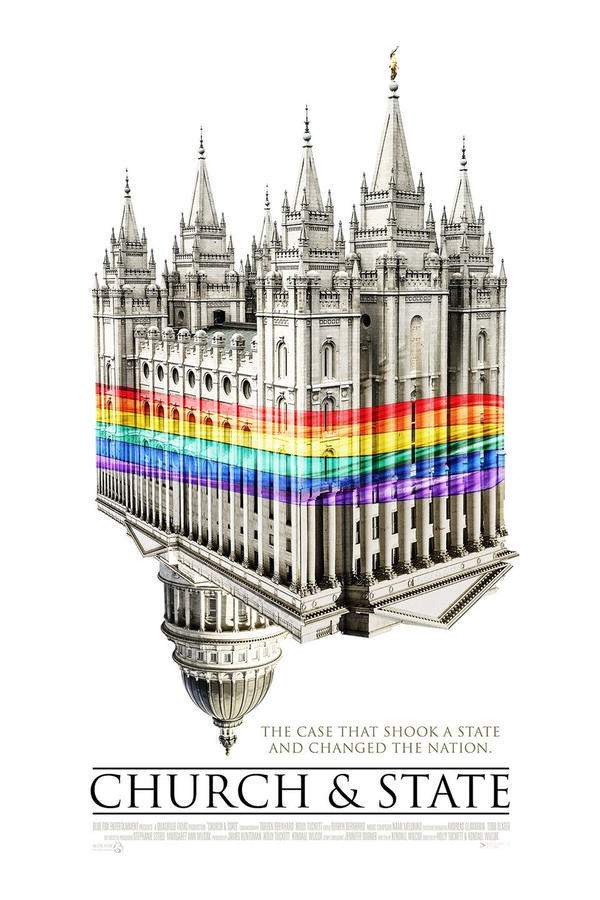
Church & State (2018) Detailed Story Recap
For They Know Not What They Do (2019) Detailed Story Recap
The Secret World of Mormonism (2003) Spoiler-Packed Plot Recap