Plot Explained Spoilers guaranteed!
Plot Explained

Browse by genre

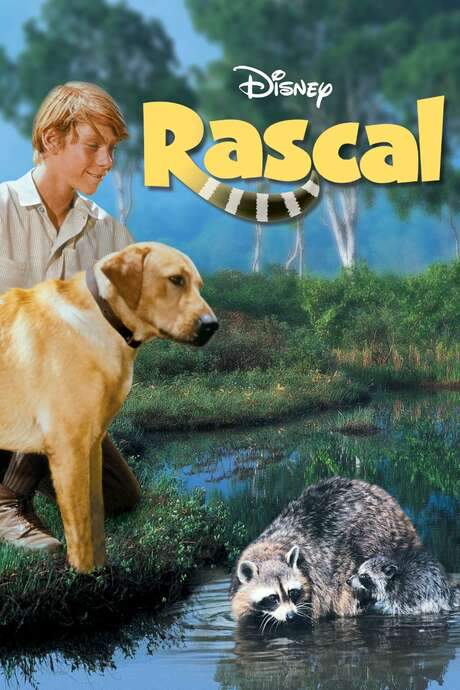
Rascal (1969) movie poster

Plot Summary

Rascal (1969) Plot Summary Explained

Release, runtime and language
1969 · 85 mins · English
Loading streaming availability…
Directed by
Norman Tokar
Starring
Henry Jones, Steve Forrest, Elsa Lanchester, Bill Mumy, Walter Pidgeon, John Fiedler

A gentle comedy about a baby raccoon that wanders into the life of a lonely boy, becoming his sole companion while his father is often away. The raccoon’s presence draws the boy and his father closer, prompting both to recognize and embrace their responsibilities toward each other.

On this page (7)
  1. 1 Where to watch
  2. 2 What happens: full plot
  3. 3 Plot questions answered
  4. 4 The book behind the movie
  5. 5 Movie threads
  6. 6 Movies like Rascal
  7. 7 Every angle
Loading streaming availability…

Full plot summary · contains spoilers

What Happens in Rascal: Full Plot Summary

The whole story of Rascal (1969) explained, from the opening scene to the final frame: every key event, every twist and what it all adds up to. Read it as a quick recap before the sequel, to check a scene you missed, or to finally understand what really happened.

In the summer of 1918 in Brailsford Junction, a small Wisconsin town, Willard North takes his son, Sterling North, into the woods, where a lynx surprises a family of raccoons, leaving a young raccoon behind. Sterling brings Rascal home and names him Rascal, and the North household begins to adjust to this new, furry presence that quietly but persistently makes itself felt. As Willard must leave for work, Theo North lines up interviews for a potential live-in housekeeper before returning to her job in Chicago. Willard decides to meet with Theo’s favorite, Mrs. Satterfield, but ultimately dismisses her, believing that Sterling can handle things on his own for now.

Rascal soon proves to be a real handful, getting into trouble by trashing a local store and digging up a neighbor’s corn patch. A local constable warns Sterling that he will be held responsible for damages unless Rascal is kept contained. To show Rascal’s spirited nature, Sterling takes him to a race between a Stanley Steamer and a sulky; Rascal’s presence seems to nudge Donnybrook, the sulky’s horse, to win, and the town’s opinion of Rascal — and of Sterling, by extension — begins to shift. When Theo returns from Chicago, she finds the house in disarray; the mess triggers a heated confrontation with Willard, who is reminded that Sterling is his son who needs help. In response, Willard makes a quiet vow to become a better father.

That night, Rascal hears a female raccoon’s mating call through Theo’s window and tries to slip out, waking Theo and everyone else in the process. After a scuffle in which Rascal bites Willard’s finger, Sterling realizes that it is time to let Rascal go and forge his own path. The next day, Sterling sets out in his homemade canoe and returns Rascal to his old stomping grounds, where he quickly locates a female raccoon. But the lynx returns, and when Sterling steps in to help, Rascal and his mate outwit the predator, sending him tumbling into the water. Sterling walks away with the knowledge that Rascal and his new partner will be able to look after each other from here on.

Last updated: October 09, 2025 at 09:26

Was this helpful?

Plot questions answered

Rascal Plot Explained: Your Questions Answered

The questions people ask most about Rascal (1969): what happens in the confusing scenes, why the characters do what they do, the twists, hidden details and what the ending means. Each answer contains spoilers.

Q1

Why did Willard dismiss Mrs. Satterfield and decide not to hire a housekeeper?

Willard dismissed Mrs. Satterfield because he believed Sterling could handle things on his own. This decision reflected Willard's realization that Sterling needed the opportunity to prove himself independent, though it also temporarily increased the boy's burden. The choice ultimately pushed Sterling toward greater responsibility.

Foreshadowing: This moment foreshadows the tests of independence Sterling will face throughout the summer, particularly in managing Rascal.

  • Willard
  • Mrs. Satterfield
  • housekeeper
  • independence
  • Sterling
Q2

How did Rascal help Donnybrook win the race?

Rascal's presence at the race seemed to inspire Donnybrook, the sulky horse, to run with unexpected vigor. The exact mechanism isn't explained, but the energy and excitement of having Rascal there apparently stirred the horse to outperform the Stanley Steamer. This unexpected victory changed the town's perception of Rascal and, by extension, Sterling.

Foreshadowing: This moment marks a turning point where the community begins to accept Rascal rather than view him as merely a troublemaker.

  • Rascal
  • Donnybrook
  • race
  • Stanley Steamer
  • town opinion
Q3

Why did Theo confront Willard about Sterling?

Theo confronted Willard because she returned from Chicago to find the house in disarray from Rascal's mischief. The mess symbolized to her that Sterling was being left to handle too much alone without proper parental support. Her confrontation reminded Willard that Sterling is his son who needs guidance and help, not just independence.

Foreshadowing: This confrontation directly triggers Willard's decision to become a more present father.

  • Theo
  • Willard
  • Sterling
  • confrontation
  • responsibility
Q4

Why did Rascal try to escape after hearing the female raccoon's call?

Rascal tried to escape because the female raccoon's mating call triggered his natural wild instincts. As a wild animal, Rascal was driven by biological urges to return to his natural habitat and find a mate. The call represented his true nature calling him back to the woods, making captivity unbearable for him.

Foreshadowing: This event is the culmination of Rascal's growing restlessness throughout the summer, foreshadowing his eventual release.

  • Rascal
  • mating call
  • female raccoon
  • escape
  • wild instincts
Q5

Why did Rascal bite Willard's finger during the escape attempt?

Rascal bit Willard's finger during the scuffle because he was desperate to escape and used defensive aggression when restrained. The bite represented the moment when Rascal's wild nature fully asserted itself, showing that he could no longer be tamed or contained. This painful incident helped Sterling recognize that keeping Rascal was no longer fair to the animal.

Foreshadowing: The bite serves as the painful but necessary turning point that leads Sterling to decide on release.

  • Rascal
  • Willard
  • bite
  • escape
  • wild nature
Q6

Why did Sterling decide to release Rascal back into the wild?

Sterling decided to release Rascal after recognizing that the raccoon's wild instincts were too strong to suppress. The mating call and subsequent bite made it clear that Rascal was unhappy and needed to live his natural life. Sterling's love for Rascal meant wanting what was best for him, even though it meant letting go.

Foreshadowing: This decision represents the culmination of Sterling's growth throughout the summer, learning what it truly means to care for another living thing.

  • Sterling
  • Rascal
  • release
  • wild
  • responsibility
  • growth
Q7

How did Rascal and his mate outwit the lynx?

When the lynx returned to attack, Rascal and his female mate worked together to defend themselves. Rascal distracted the predator while his mate created a strategy that sent the lynx tumbling into the water. Their coordinated effort demonstrated the survival skills wild raccoons possess, proving Rascal was capable of thriving in his natural environment.

Foreshadowing: This moment confirms that releasing Rascal was the right choice, as he has found a partner capable of facing dangers together.

  • Rascal
  • lynx
  • mate
  • outwit
  • attack
  • survival
Q8

Why is the ending considered bittersweet?

The ending is bittersweet because Sterling achieves a mature, responsible act by releasing Rascal, which is the right decision for the raccoon. However, Sterling must also accept the loss of his beloved companion. Rascal finds happiness and a mate in the wild, but Sterling loses his closest friend, creating a poignant mix of pride and sadness.

Foreshadowing: The entire film builds toward this moment of painful but necessary growth.

  • ending
  • bittersweet
  • release
  • loss
  • growth
  • maturity
Q9

How did Theo's confrontation change Willard's relationship with Sterling?

Theo's confrontation reminded Willard that Sterling was his son who needed a father's presence and guidance, not just freedom to figure things out alone. After this wake-up call, Willard made a quiet vow to become a better, more involved father. This shift in Willard strengthens the family bond and helps Sterling feel more supported.

Foreshadowing: Willard's changed attitude allows Sterling to trust that he can let go of Rascal because his father will be there for him.

  • Willard
  • Sterling
  • Theo
  • father
  • son
  • relationship
  • growth
Q10

Why did Rascal cause so much trouble in town?

Rascal caused trouble because he was a wild animal adapting to a domestic environment. His natural instincts led him to explore, dig, and search for food, resulting in trashing a local store and digging up a neighbor's corn patch. These actions weren't malicious but rather expressions of his wild nature that couldn't be fully contained.

Foreshadowing: The mischief creates tension with the town and raises the stakes for Sterling's responsibility.

  • Rascal
  • mischief
  • store
  • corn
  • town
  • damages

Movie threads

More Movies Like Rascal, by Mood & Story

Curated lists built around what makes Rascal tick: the same mood, the same kind of story or the same emotional payoff. Each list explains why these movies belong together.

Whimsical Animal Friendship Movies like Rascal

Gentle stories about the life-changing friendship between humans and animals. If you liked the heartwarming bond in Rascal, you'll enjoy these other movies about gentle animal companions. Discover similar family-friendly stories where a special animal friendship brings joy, comfort, and life lessons, all with a nostalgic and whimsical feel.

  • whimsical
  • heartwarming
  • gentle
  • nostalgic
  • comforting
  • uplifting
  • Tone: whimsical, heartwarming
  • Pacing: steady, character-driven
Why these movies?

The story pattern: Stories in this thread typically follow a character, often a child or someone feeling isolated, whose life is brightened by the arrival of an animal. The plot revolves around the daily adventures and minor mischief they share, leading to personal growth and a deeper appreciation for connection, often culminating in a bittersweet but necessary parting as both characters mature.

Why they belong together: These movies are grouped by their shared focus on the positive, transformative power of a human-animal bond. They consistently feature a low-conflict, whimsical tone, steady pacing that allows the relationship to unfold naturally, and a light emotional weight that makes them comforting and accessible for audiences of all ages.
Bittersweet Coming-of-Age Stories like Rascal

Quiet stories about learning to let go as part of growing up. Find more movies like Rascal that capture the gentle sadness and warmth of growing up. These similar coming-of-age films focus on nostalgic childhood experiences and the bittersweet lessons of responsibility and letting go, all told with a steady, heartfelt pace.

  • bittersweet
  • nostalgic
  • reflective
  • heartwarming
  • gentle
  • coming of age
  • Tone: bittersweet, nostalgic
  • Pacing: steady, reflective
Why these movies?

The story pattern: The narrative pattern involves a protagonist in a stable, often idyllic, setting who forms a deep attachment. The story arc is less about overcoming a villain and more about the internal journey of realizing that change is part of life. The climax is the conscious, responsible choice to say goodbye, marking the protagonist's step into maturity. The ending feels earned and reflective, not tragic.

Why they belong together: Movies here share a specific emotional trajectory: they balance the warmth of nostalgia with the poignant ache of necessary goodbyes. The pacing is steady and contemplative, the intensity is low, and the complexity is straightforward, allowing the emotional resonance of the central lesson about growth to take center stage.

If you liked this

Movies Like Rascal

Similar movies to Rascal: the same genre, themes or kind of story. Each one comes with its own plot summary, timeline and ending explained.

Browse all movie summaries

Every angle

Rascal (1969) Explained: Plot, Timeline & Characters

Everything about Rascal in one place: what happens in the plot summary, the timeline in chronological order, the characters and meaning and a spoiler-free summary. What's After the Movie adds the cast, box office and post-credit scenes.

Coming soon on iOS and Android

The Plot Explained Movie Summary App

Plot summaries, endings explained and timelines on your phone. Catch up on any movie in minutes, save your favorites and never miss a twist again.

Be the first to know when we launch. Your email stays private, always.

Learn more about the app