Plot Explained Spoilers guaranteed!
Plot Explained

Browse by genre

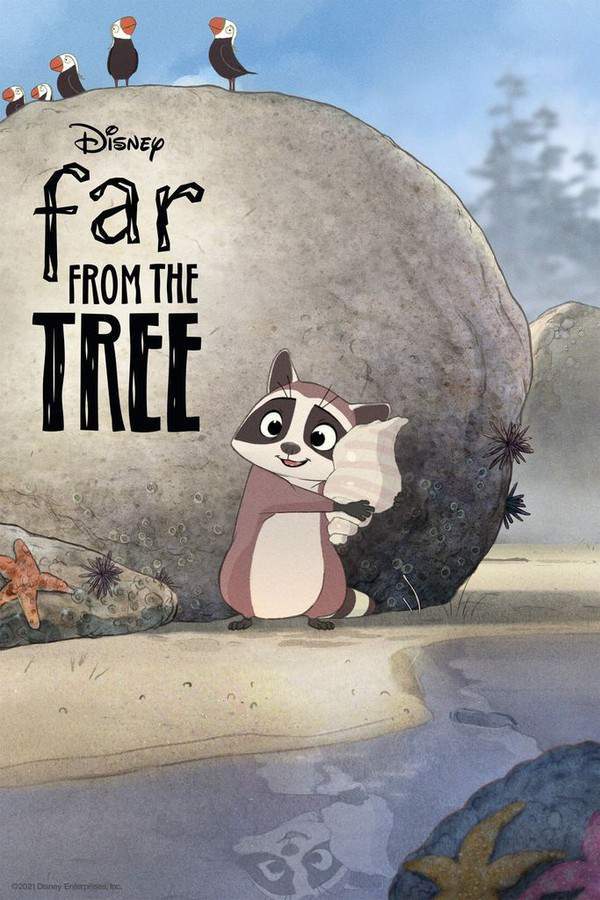
Far from the Tree (2018) movie poster

Plot Summary

Far from the Tree (2018) Plot Summary Explained

Release, runtime and language
2018 · 93 min · English
Echo score 80
Loading streaming availability…
Directed by
Rachel Dretzin
Starring
Amy Allnutt, Andrew Solomon, Harry Burdick, Jack Allnutt, Jason Kingsley

A curious raccoon's adventurous nature leads it into risky situations, prompting its parent to grapple with the challenges of providing protection while allowing independence. This heartwarming documentary follows the dynamic between a parent and offspring, exploring themes of freedom, security, and the inevitable letting go that occurs in the natural world. It’s a poignant look at the delicate balance of raising young animals in the wild.

On this page (6)
  1. 1 Where to watch
  2. 2 What happens: full plot
  3. 3 Plot questions answered
  4. 4 Movie threads
  5. 5 Movies like Far from the Tree
  6. 6 Every angle
Loading streaming availability…

Full plot summary · contains spoilers

What Happens in Far from the Tree: Full Plot Summary

The whole story of Far from the Tree (2018) explained, from the opening scene to the final frame: every key event, every twist and what it all adds up to. Read it as a quick recap before the sequel, to check a scene you missed, or to finally understand what really happened.

On a sunny beach, a young raccoon embarks on an adventurous quest with her father, who sports a prominent scar across his left eye. As they step out from the safety of the woods in pursuit of food, the raccoon swiftly becomes distracted and wanders away from her father's watchful gaze. Despite her father’s urgent pleas for her to stay close, he becomes preoccupied with digging for oysters. In her exploration, the inquisitive raccoon discovers a seashell, enchanted by the soothing sounds of the ocean waves resonating within it. However, her father soon catches wind of this diversion and in a fit of frustration, he shatters her newfound treasure.

As the story unfolds, the young raccoon naïvely follows a seagull to its flock, inadvertently leading herself into peril when a lurking coyote spots her. The chase that ensues leaves her with a painful scar on her nose. Just in the nick of time, her father intervenes, confronting the coyote and climbing a tree to offer a fierce reprimand to his daughter for straying too far, using his own scar as a stern reminder of the dangers in their world.

Fast forward to years later, the raccoon has matured into an adult and returns to the beach, this time accompanied by her own son, who mimics her youthful behavior. When he courts danger by trying to follow the seagulls toward the shore, she instinctively scolds him, only to realize that she is echoing the very same parental guidance her father once imparted to her. In a heartfelt moment of understanding, the two reconcile and make their way back to the familiar tree, where she lovingly presents her son with a seashell, bridging generations of lessons learned and love shared.

Last updated: November 16, 2024 at 18:26

Was this helpful?

Plot questions answered

Far from the Tree Plot Explained: Your Questions Answered

The questions people ask most about Far from the Tree (2018): what happens in the confusing scenes, why the characters do what they do, the twists, hidden details and what the ending means. Each answer contains spoilers.

Q1

Why does the father raccoon break the seashell?

The father breaks the seashell out of frustration when he sees his daughter distracted by it instead of staying close to him. He had warned her multiple times to stay near him while they searched for food, and her wandering off to play with the shell represents to him a dangerous lack of attention to his warnings. This moment shows the tension between a parent's need to keep their child safe and a child's natural curiosity.

  • father raccoon
  • seashell
  • parenting frustration
  • protection
Q2

Why does the father raccoon have a scar across his left eye?

The scar on the father's left eye represents a past danger he experienced in his own youth, likely from a predator encounter similar to what his daughter later faces with the coyote. He uses this scar as a visual warning to his daughter, showing her that he has already survived the kinds of dangers she is encountering. This serves as his most powerful teaching tool when he tries to explain the risks of the world outside their safe territory.

  • father scar
  • warning
  • predator
  • danger
Q3

How did the young raccoon get the scar on her nose?

The young raccoon got the scar on her nose during a chase with a coyote. After naively following a seagull toward the flock, she wandered into dangerous territory where a coyote was lurking. The coyote pursued her across the beach, and in the chaos, she sustained a painful scar on her nose. This event serves as her own coming-of-age mark, paralleling her father's scar and making her understand the dangers he warned her about.

  • coyote chase
  • scar on nose
  • injury
  • danger
Q4

Why does the father use his scar to warn his daughter?

The father uses his own scar as a warning because words alone have not kept his daughter safe. After she ignores his calls and nearly gets killed by the coyote, he climbs a tree and shows her his scar to make her understand that he has already faced these dangers and survived. The visual proof of his own past trauma makes the danger real to her in a way his verbal warnings could not.

  • father warning
  • teaching
  • scar proof
  • danger lesson
Q5

Why does the adult raccoon scold her son for following the seagulls?

The adult raccoon scolds her son because he is repeating the exact same dangerous behavior she exhibited as a young raccoon. When she sees him trying to follow the seagulls toward the shore, she immediately recognizes the risk and reacts protectively. This moment triggers her realization that she is now echoing the same parental warnings her father gave her, completing the generational cycle of parenting concerns.

  • mother scolding
  • son
  • danger
  • cycle of parenting
Q6

What does the seashell gift at the end represent?

The seashell the mother gives to her son represents breaking the cycle of harshness while passing down wisdom. Her father shattered her seashell in anger, but she chooses to give her son the shell as a gift. This gesture shows she has learned from her father's mistakes and found a way to share the lessons of her experiences with love rather than frustration. The shell bridges generations, symbolizing continuity of knowledge and the love that transcends parental fears.

  • seashell
  • gift
  • breaking cycle
  • love
  • legacy
Q7

What is the message about parenting in the documentary?

The documentary explores the universal struggle of parenting: wanting to protect a child while knowing that independence is necessary. The father is harsh but protective, the daughter initially resents the restrictions, and years later she understands his fears when she faces the same concerns with her own son. The story suggests that parenting involves both warning children of dangers and eventually trusting them with the wisdom to face those dangers themselves.

  • parenting
  • independence
  • protection
  • cycle
  • harshness
Q8

Why do the raccoons return to the tree at the end?

The return to the tree symbolizes the importance of roots and the wisdom passed down through generations. The tree is where the father taught his daughter lessons about safety, and where she now shares those same lessons with her son. Returning to this familiar place represents the continuity of family knowledge and the cyclical nature of learning and teaching in the wild.

  • tree
  • roots
  • wisdom
  • generations
  • family
Q9

What happens during the coyote chase scene?

During the chase scene, the young raccoon follows a seagull to its flock and unknowingly enters the coyote's hunting territory. The coyote spots her and gives chase across the beach. The frantic pursuit results in the raccoon receiving a scar on her nose from the encounter. Just as the situation becomes critical, her father intervenes, confronting the coyote and driving it away. This scene represents the young raccoon's harsh introduction to the real dangers of her environment.

  • coyote
  • chase
  • attack
  • escape
  • danger

Movie threads

More Movies Like Far from the Tree, by Mood & Story

Curated lists built around what makes Far from the Tree tick: the same mood, the same kind of story or the same emotional payoff. Each list explains why these movies belong together.

Generational Cycle Stories like Far from the Tree

Stories where children come to understand their parents' struggles by repeating them. Discover movies that delve into the bittersweet legacy of parenting, where the lessons of the past are learned through repetition. If you enjoyed the reflective journey in Far from the Tree, you'll find similar stories exploring family dynamics, inherited behaviors, and the tender pain of understanding.

  • bittersweet
  • reflective
  • poignant
  • nostalgic
  • heartwarming
  • melancholic
  • Tone: bittersweet, reflective
  • Pacing: steady, chronological
Why these movies?

The story pattern: These narratives often follow a linear path where a character, initially critical of a parent's choices, eventually faces the same dilemmas. This leads to a climactic moment of empathy and recognition, creating a circular emotional arc rather than a simple resolution.

Why they belong together: Movies in this thread are united by their focus on the universal theme of generational inheritance. They share a bittersweet tone, a steady, reflective pacing, and a medium emotional weight that comes from watching characters grapple with cycles they cannot fully escape.

Nature Documentary Parables like Far from the Tree

Documentaries that use the animal world to explore universal human truths. Find more documentaries that use the animal kingdom to tell deeply human stories. If you liked how Far from the Tree explored parenting through a raccoon family, explore other films where wildlife narratives serve as poignant and gentle metaphors for life's biggest lessons.

  • gentle
  • heartwarming
  • poignant
  • reflective
  • allegorical
  • observational
  • Tone: gentle, poignant, heartwarming
  • Pacing: steady, observational
Why these movies?

The story pattern: Stories in this thread use a straightforward, observational structure to follow a natural subject, whose journey mirrors a common human struggle. The narrative tension comes from the inherent risks of the wild, but the emotional core is the relatable allegory being presented.

Why they belong together: These films are grouped by their unique blend of documentary realism and allegorical storytelling. They share a gentle, sometimes poignant tone, steady pacing, and a focus on using the natural world to illuminate emotional truths, avoiding graphic violence for a more contemplative experience.

If you liked this

Movies Like Far from the Tree

Similar movies to Far from the Tree: the same genre, themes or kind of story. Each one comes with its own plot summary, timeline and ending explained.

Browse all movie summaries

Every angle

Far from the Tree (2018) Explained: Plot, Timeline & Characters

Everything about Far from the Tree in one place: what happens in the plot summary, the timeline in chronological order, the characters and meaning and a spoiler-free summary. What's After the Movie adds the cast, box office and post-credit scenes.

Coming soon on iOS and Android

The Plot Explained Movie Summary App

Plot summaries, endings explained and timelines on your phone. Catch up on any movie in minutes, save your favorites and never miss a twist again.

Be the first to know when we launch. Your email stays private, always.

Learn more about the app