Plot Explained Spoilers guaranteed!
Plot Explained

Browse by genre

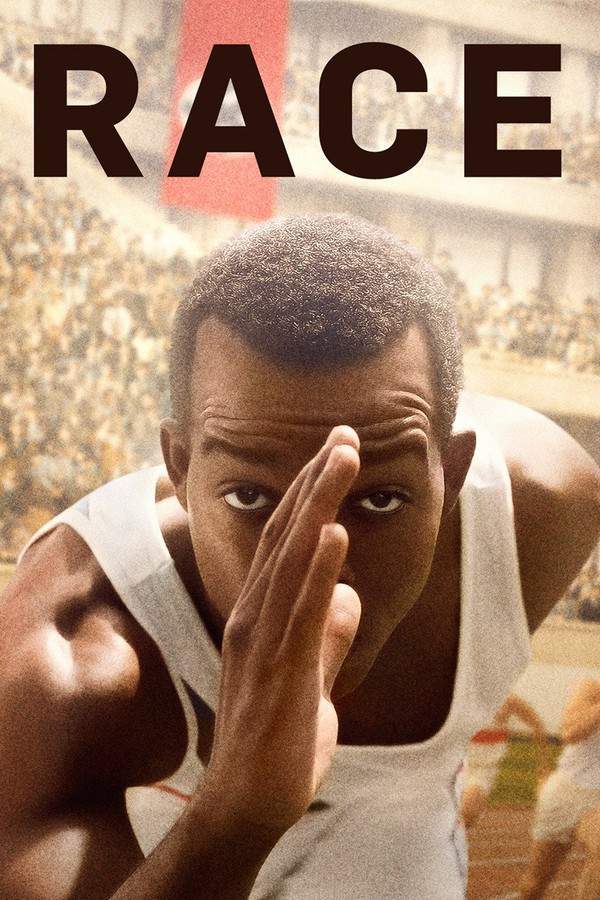
Race (2016) movie poster

Plot Summary

Race (2016) Plot Summary Explained

Release, runtime and language
2016 · 134 min · English
Loading streaming availability…
Directed by
Stephen Hopkins
Starring
Carice van Houten, Stephan James, Eli Goree, Shanice Banton, Jason Sudeikis

Ohio State University track star Jesse Owens, with the guidance of coach Larry Snyder, achieves unprecedented athletic success, breaking records and gaining national recognition. Amidst controversy surrounding the 1936 Berlin Olympics, Owens confronts prejudice both in the United States and in Nazi Germany. He ultimately uses his extraordinary talent to challenge expectations and demonstrate his remarkable abilities on an international stage, inspiring a nation and defying adversity.

On this page (6)
  1. 1 Where to watch
  2. 2 What happens: full plot
  3. 3 Plot questions answered
  4. 4 Movie threads
  5. 5 Movies like Race
  6. 6 Every angle
Loading streaming availability…

Full plot summary · contains spoilers

What Happens in Race: Full Plot Summary

The whole story of Race (2016) explained, from the opening scene to the final frame: every key event, every twist and what it all adds up to. Read it as a quick recap before the sequel, to check a scene you missed, or to finally understand what really happened.

In the 1930s, a young African American athlete named Jesse Owens navigates the streets of Cleveland, Ohio, filled with aspirations of greatness. As he prepares to leave his childhood home, his mother beams with pride over her son’s achievements and finishes tailoring a new suit coat, insisting he is destined for extraordinary things. While the moment is bittersweet, Jesse gathers his belongings, exchanges heartfelt goodbyes with his father, and slips him a modest envelope containing $2.

Upon arriving at Ohio State University, Jesse and his coach, Larry Snyder, face a barrage of challenges. After a disappointing race meet, Larry is left questioning his future as a coach. In his office, he discovers files of promising athletes, among them Jesse. As Jesse meets his girlfriend, Ruth, while she works at a salon, he reassures her that he will return as a successful man. Their dreams of a future together hinge on Jesse’s ability to secure a scholarship and excel in his track events.

On campus, Jesse, along with his friend Dave, begins training but quickly encounters racial tensions. The hostility from the predominantly white football team forces them into uncomfortable situations, but Jesse perseveres, despite the challenges and the burden of working to support his family. After a chance meeting with Larry, Jesse gains a mentor, who encourages his talent and urges him to focus on the upcoming 1936 Berlin Olympics.

As Jesse trains rigorously, he wrestles with the burden of societal expectations and personal obligations, writing letters to Ruth and sending her money while his commitments weigh heavily on him. The contrasting backdrop of the Nazi regime in Germany is revealed through a US Olympic Committee meeting, where they contemplate boycotting the games amidst rising tensions.

In Berlin, the atmosphere is filled with propaganda and fear, yet Jesse’s competitive spirit thrives as he simultaneously faces and overcomes prejudice during his matches. Helping him navigate this fierce environment are allies like Leni Riefenstahl, who captures the essence of the games—though under the scrutiny of the regime. Jesse astonishes spectators with his talents, breaking records in multiple track events while receiving the wrath of crowds infested with prejudice.

His journey is not without personal trials. As Jesse navigates acceptance and heartache, including his reconciliation with Ruth, he faces the critical moments of making history. The climax arrives at the Olympics, with Jesse not only winning three gold medals but also embodying resilience against the political tension of the time.

After the accolades, however, Jesse finds that his victories come cloaked in bittersweet reality. Upon returning home, despite the triumphs recognized globally, he is met with continued segregation and discrimination, highlighting that the race for equality still looms large.

As we reflect on the events that transpired during this turbulent period, we are reminded of a message highlighting the challenges and triumphs faced, even as Jesse’s legacy as a champion and symbol of hope endures. In the aftermath, Jesse thrives in his family life but remains forever committed to raising awareness about equality and justice, urging future generations to strive for change.
Last updated: November 08, 2024 at 00:19

Was this helpful?

Plot questions answered

Race Plot Explained: Your Questions Answered

The questions people ask most about Race (2016): what happens in the confusing scenes, why the characters do what they do, the twists, hidden details and what the ending means. Each answer contains spoilers.

Q1

Why did Jesse Owens compete in the 1936 Olympics despite the boycott controversy?

Jesse chose to compete because he believed his performances on the track would speak louder than politics. Despite pressure from those who wanted to boycott the Games, Owens felt that winning against the Nazis on their own turf would be the strongest statement against their ideology of racial superiority.

  • 1936 berlin olympics
  • jesse owens boycott
  • usa track team
Q2

How did Jesse Owens meet coach Larry Snyder?

Larry discovered Jesse after a disappointing race meet when he was about to quit coaching. While in his office reviewing files of promising athletes, Larry found Jesse's records and arranged a meeting that led to a mentorship, though Jesse initially resisted joining the team due to the racial hostility he faced on campus.

  • larry snyder
  • jesse owens coach
  • ohio state track
Q3

What racial challenges did Jesse Owens face at Ohio State University?

Jesse and his friend Dave faced significant hostility from the predominantly white football team, creating uncomfortable situations throughout their training. Despite this constant pressure and the burden of working to support his family, Jesse persevered and remained determined to prove his worth as an athlete.

  • racial tension
  • ohio state university
  • discrimination college sports
Q4

Why did Jesse Owens give his father $2 before leaving for college?

Before departing for Ohio State, Jesse gave his father a modest envelope containing $2 as a gesture of his awareness of the family's financial struggles. This moment highlighted his sense of responsibility toward his family despite his own aspirations for a better life.

  • family
  • jesse owens father
  • financial struggle
Q5

What did Jesse Owens' Olympic victories prove?

Jesse won three gold medals at the 1936 Berlin Olympics, breaking records in multiple track events. His achievements directly challenged the Nazi narrative of Aryan racial superiority and made him a symbol of hope and resilience against prejudice.

  • gold medals
  • 1936 berlin
  • world records
  • hitler
Q6

Why did Jesse Owens face discrimination after his Olympic success?

Despite returning home with international fame and gold medals, Jesse encountered continued segregation and discrimination in the United States. The movie highlights the bittersweet reality that his historic victories did not change the systemic racial prejudice in America, demonstrating that the race for equality was far from over.

  • segregation
  • racial discrimination
  • america 1936
  • civil rights
Q7

Did Jesse Owens marry Ruth after the Olympics?

The movie shows Jesse reconciling with Ruth during his Olympic journey. Their relationship was a consistent subplot throughout, with Jesse sending her money and writing letters while balancing training and the pressure of competition, showing his commitment to their shared dreams of a better future.

  • ruth
  • jesse owens wife
  • relationship
  • marriage
Q8

What was Leni Riefenstahl's role at the 1936 Olympics?

Leni Riefenstahl was a German filmmaker who documented the 1936 Berlin Olympics. While working under the scrutiny of the Nazi regime, she captured the essence of the Games. Jesse's performances were filmed by her cameras, which helped spread his achievements to a global audience despite the propaganda-filled environment.

  • leni riefenstahl
  • filmmaker
  • olympic documentary
  • nazi germany
Q9

Why did the US consider boycotting the 1936 Berlin Olympics?

The US Olympic Committee debated boycotting the Games due to the oppressive Nazi regime and the rising tensions in Europe. This created significant tension for athletes like Jesse, who had to weigh their personal dreams against the political climate and the controversy surrounding whether to participate in Germany's propaganda event.

  • us olympic committee
  • boycott
  • nazi regime
  • political controversy
Q10

How did Jesse Owens balance track training with working to support his family?

Jesse struggled to balance the weight of societal expectations and personal responsibilities throughout his training. He worked while attending Ohio State, supported his family financially, and maintained his relationship with Ruth by sending her money and writing letters, all while training rigorously for the Olympics.

  • training
  • family responsibility
  • work
  • pressure

Movie threads

More Movies Like Race, by Mood & Story

Curated lists built around what makes Race tick: the same mood, the same kind of story or the same emotional payoff. Each list explains why these movies belong together.

Defiant historical triumphs like in Race

True stories of individuals achieving greatness while confronting immense prejudice. Explore movies like Race that depict true stories of athletic or professional achievement set against a backdrop of intense prejudice. If you enjoyed Jesse Owens's defiant victory, you'll find similar inspirational yet somber biographical dramas here.

  • inspirational
  • tense
  • triumphant
  • somber
  • defiant
  • heartfelt
  • Tone: tense, inspirational, somber
  • Pacing: steady, chronological
Why these movies?

The story pattern: This thread follows a classic biographical arc: an extraordinary individual emerges, hones their talent, and achieves historic success. The central conflict is not just against competitors, but against a hostile system—be it racism, political pressure, or classism. The journey is one of immense personal pressure and public scrutiny, culminating in a victory that resonates beyond the immediate achievement.

Why they belong together: Movies are grouped here based on their shared focus on a true-life underdog who uses their skill as a form of protest. They blend high-stakes personal ambition with heavy themes of social injustice, creating a specific, potent mix of inspiration and somber reflection.

Somber historical dramas with bittersweet endings like Race

Gripping period pieces where personal wins are shadowed by societal ills. Find movies similar to Race that are intense historical dramas with heavy emotional weight. These films often feature a straightforward, steady narrative and conclude with a bittersweet feeling, where personal achievement exists within a difficult societal context.

  • somber
  • tense
  • historical
  • oppressive
  • heartfelt
  • defiant
  • Tone: tense, somber, bittersweet
  • Pacing: steady, deliberate
Why these movies?

The story pattern: The narrative pattern involves a protagonist striving for a goal within a deeply flawed historical setting. Their personal journey is interwoven with the larger political or social turmoil of the time. The climax often brings a hard-won accomplishment, but the denouement acknowledges that the character's personal victory does not erase the pervasive injustice of the world they inhabit.

Why they belong together: These films are connected by their specific emotional recipe: a steady, chronological pace that builds tension, a high-intensity plot driven by historical conflict, and a conclusively bittersweet tone that acknowledges victory without offering a simplistic, happy resolution to complex problems.

If you liked this

Movies Like Race

Similar movies to Race: the same genre, themes or kind of story. Each one comes with its own plot summary, timeline and ending explained.

Browse all movie summaries

Every angle

Race (2016) Explained: Plot, Timeline & Characters

Everything about Race in one place: what happens in the plot summary, the timeline in chronological order, the characters and meaning and a spoiler-free summary. What's After the Movie adds the cast, box office and post-credit scenes.

Coming soon on iOS and Android

The Plot Explained Movie Summary App

Plot summaries, endings explained and timelines on your phone. Catch up on any movie in minutes, save your favorites and never miss a twist again.

Be the first to know when we launch. Your email stays private, always.

Learn more about the app