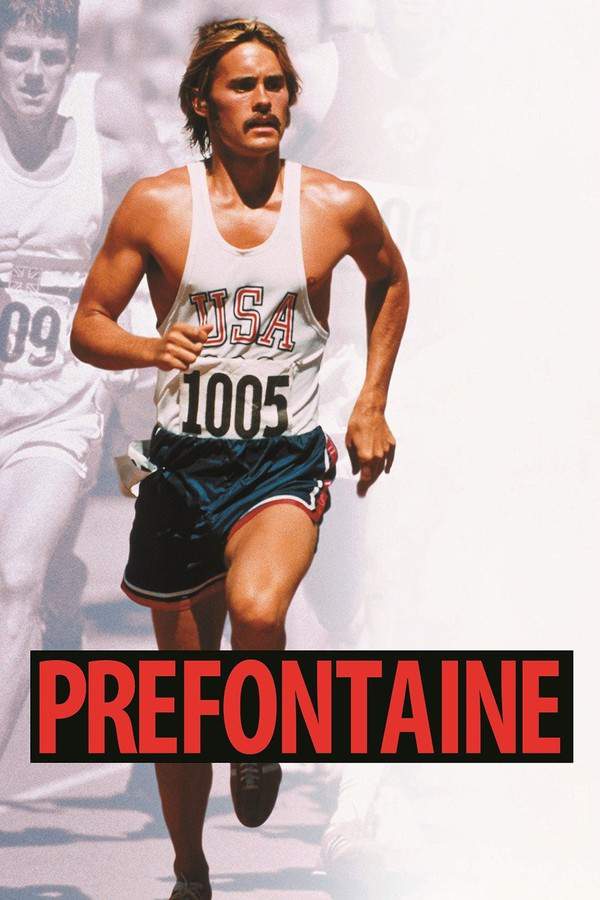
Steve Prefontaine Jared Leto, a Coos Bay, Oregon student, grows from a diminutive young athlete into a gifted distance runner who changes the course of American track. He enrolls at the University of Oregon in 1969, where he joins fellow Ducks track stars Pat Tyson and Mac Wilkins. Guided by legendary coaches, Bowerman and Dellinger, Prefontaine helps the team clinch national glory, earning three cross-country championships and four consecutive 5,000-meter wins, during which he also shatters the United States record in that event. His rise isn’t about waiting for a late surge; he becomes famous for a fearless, front-running style, preferring to lead from the start and push the pace rarely seen in college races. This audacious approach earns him attention, as well as fierce admiration from teammates and rivals alike, and it cements his identity as a bold, uncompromising competitor on the track.
As his college career peaks, Prefontaine travels with other top American runners, including Frank Shorter and Jeff Galloway, to the 1972 Munich Olympics. The Games are overshadowed by the Munich Massacre, a terrorist attack that interrupts the competition and casts a shadow over the athletic world. In the 5,000 meters, Prefontaine again demonstrates his drive by sprinting to the lead with just 150 meters to go, but three challengers overtake him, and he finishes without a medal as Lasse Viren of Finland takes the gold. The moment underscores both his talent and the sobering reality of international competition, where the line between triumph and disappointment can be razor-thin.
After his collegiate chapter closes, Prefontaine looks toward a rematch with Viren at the 1976 Montreal Olympics. Yet the era’s strict amateurism rules for American non-collegiate athletes compel him to turn down a lucrative professional offer, choosing instead to work as a bartender while living in a trailer. He becomes an outspoken advocate for American athletes, seeking to level the playing field against more deeply funded international competitors. His activism reflects a broader push to reform how athletes are governed and funded in the United States, a fight that resonates beyond his own racing career.
Tragically, Prefontaine’s life is cut short on May 30, 1975, when a car crash ends his time behind the wheel after a post-meet party. The accident shocks the running world, but his legacy continues to influence the sport. In the years that follow, the Amateur Sports Act of 1978 emerges as a landmark change, extending athletes more control over how their sports are governed and funded. Prefontaine’s story, both on the track and in the push for reform, becomes a touchstone for generations of runners who value autonomy, competition, and the pursuit of excellence. His life is remembered not just for the records he set or the races he ran, but for the way he inspired others to challenge limits and to fight for fair chances in American athletics.