Plot Explained Spoilers guaranteed!
Plot Explained

Browse by genre

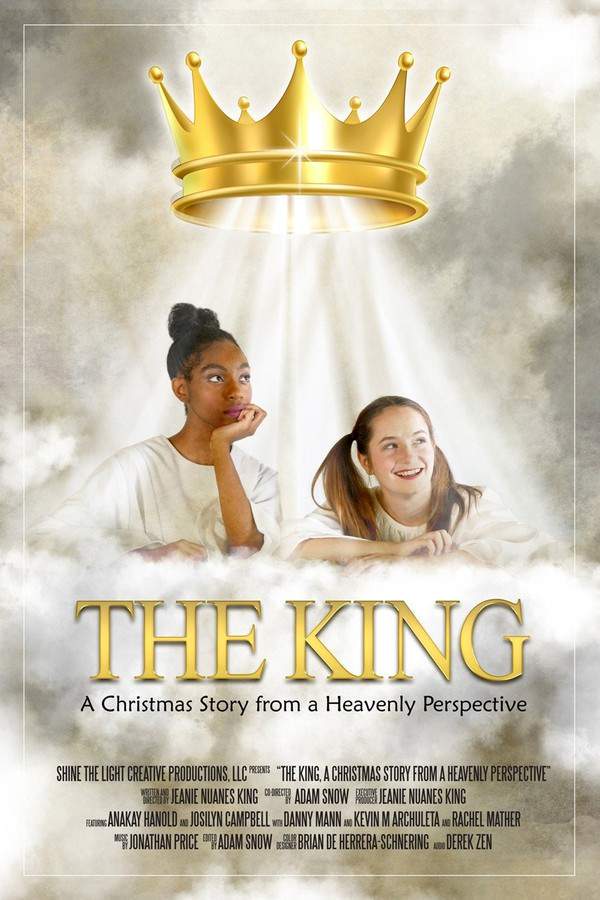
The King (2018) movie poster

Plot Summary

The King (2018) Plot Summary Explained

Release, runtime and language
2018 · 107 min · English
Echo score 83
JustWatch #16,174 9
Directed by
Eugene Jarecki
Starring
Alec Baldwin, Emmylou Harris, James Carville, Rosanne Cash, Chuck D., Emi Sunshine & The Rain
Budget
$23M

This documentary follows two young angels as they undertake a journey to understand the purpose of their King's teachings. Through their exploration of his message, they reveal a moving story centered on themes of redemption and forgiveness, ultimately revealing a path towards humanity's salvation. The film offers a profound look at faith and the power of compassion.

On this page (6)
  1. 1 Where to watch
  2. 2 What happens: full plot
  3. 3 Plot questions answered
  4. 4 Movie threads
  5. 5 Movies like The King
  6. 6 Every angle

Where to watch

Where to Watch The King (2018)

Where can you watch The King? Stream, rent or buy it in the US, including on Night Flight Plus, Fawesome and Hoopla: current JustWatch availability with up-to-date prices.

Streaming availability powered by JustWatch

Full plot summary · contains spoilers

What Happens in The King: Full Plot Summary

The whole story of The King (2018) explained, from the opening scene to the final frame: every key event, every twist and what it all adds up to. Read it as a quick recap before the sequel, to check a scene you missed, or to finally understand what really happened.

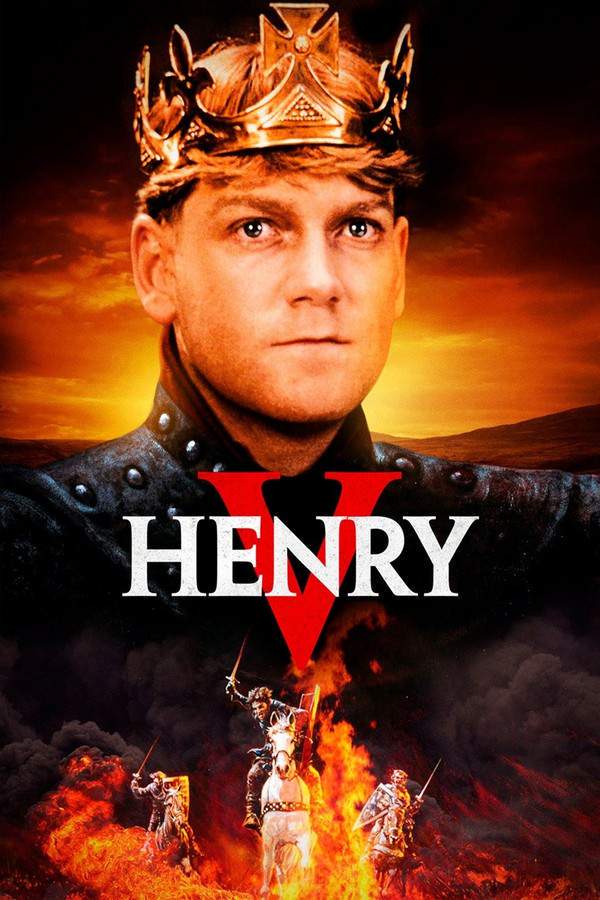
Henry, also known as Hal and portrayed by Timothée Chalamet, is the emotionally detached firstborn of King Henry IV, played by Ben Mendelsohn, of England. Rather than embracing his royal duties, Hal spends his days indulging in drinking, revelry, and jesting alongside his companion, John Falstaff, played by Joel Edgerton, in the lively streets of Eastcheap. The tides turn when his father unexpectedly informs Hal that his younger sibling, Thomas, portrayed by Dean-Charles Chapman, has been chosen as the rightful heir to the throne.

As tensions simmer in England, Thomas is dispatched to quell the rebellion led by Hotspur and his faction, who feel betrayed despite their loyalty to the royal lineage. They argue that with the Scots still in rebellion and the Welsh joining the fight, peace eludes the realm. However, Hal disrupts the plan when he arrives unannounced to confront Hotspur, depicted by Tom Glynn-Carney, in a dramatic duel. This intense conflict escalates into a gripping hand-to-hand combat, concluding with Hal triumphantly dispatching Hotspur using a dagger. Although he secures the victory, Thomas expresses his ire, accusing Hal of stealing his glory. Shortly afterward, Hal experiences loss when Thomas is killed in battle in Wales.

In a poignant moment, King Henry IV passes away with Hal by his side, leading Hal to ascend the throne as King Henry V. Not wanting to repeat his father's legacy, Hal curtails the cycle of animosity and seeks a path of peace with former adversaries, a choice seen by many as a sign of weakness. During the coronation feast, an insult from the Dauphin of France, played by Robert Pattinson, arrives in the form of a humiliating ball. Hal, however, spins this insult into a reflective nod to his past, waiting to wear the crown with dignity.

With wise counsel from his sister Philippa, played by Thomasin McKenzie, now the Queen of Denmark, Hal learns of the treachery that lurks among nobles who hide their true motives. When an assassin claims to have been sent by King Charles VI, played by Thibault De Montalembert, Hal's confidence wavers as French agents attempt to sway his noblemen, including Cambridge and Grey.

Guided by Chief Justice William Gascoigne, portrayed by Sean Harris, Hal realizes that to command respect, he must demonstrate strength. Thus, he declares war against France and delivers a grim fate to Cambridge and Grey. Motivated by trust, Hal appoints Falstaff as his chief military strategist.

As the English forces set sail for France, Hal leads with Falstaff beside him. Following their advance, they encounter a vast French army preparing for battle. Even as doubt brews among his advisors, Hal is determined. A strategic ploy devised by Falstaff—luring the French with a false advance—proves successful, allowing the outnumbered English forces to gain a victorious upper hand at the Battle of Agincourt. As the battle rages, Falstaff tragically falls on the front lines, while Hal faces the Dauphin in a personal combat that leads to the latter's humiliation.

After the chaotic but decisive victory, Hal and his army press further into French territory, eventually confronting King Charles VI who offers to surrender, along with the hand of his daughter, Catherine, portrayed by Lily-Rose Depp. Returning home with Catherine, Hal engages in a deep conversation with her, only to find their views on the war markedly different. She speaks frankly, challenging his justifications for the invasion and indicating the manipulative role of Gascoigne.

Haunted by the realization that he has been baited into conflict through deceit, Hal confronts Gascoigne, who unabashedly champions the idea that peace can only be achieved through conquest. In a moment of cold ire, Hal makes a fateful choice, culminating in the death of Gascoigne, before vowing to Catherine that he will always seek honesty in their relationship.
Last updated: November 04, 2024 at 01:06

Was this helpful?

Plot questions answered

The King Plot Explained: Your Questions Answered

The questions people ask most about The King (2018): what happens in the confusing scenes, why the characters do what they do, the twists, hidden details and what the ending means. Each answer contains spoilers.

Q1

Why was Thomas chosen as heir instead of Hal?

King Henry IV chose Thomas as heir because Hal had rejected his royal duties, spending his time drinking and reveling in Eastcheap rather than preparing for leadership. The king saw Hal's behavior as irresponsible and unworthy of succession, leading him to designate the younger Thomas as the rightful heir. This decision motivated Hal's transformation throughout the film.
Foreshadowing: Hal's indulgence in Eastcheap from the beginning establishes why his father lost faith in him.

  • Thomas
  • heir
  • succession
  • King Henry IV
  • Hal
Q2

Why did Hal decide to confront Hotspur alone?

Hal confronted Hotspur to prove himself worthy of the throne and erase the shame of his past behavior. By defeating the renowned rebel leader in single combat, he sought to demonstrate his valor and claim glory that could validate his right to rule. His brother Thomas had been sent to quell the rebellion officially, but Hal inserted himself into the mission to steal the spotlight.

Foreshadowing: This act sets the pattern of Hal acting independently to forge his own legacy.

  • Hotspur
  • duel
  • confrontation
  • Thomas
  • glory
Q3

Why did Hal initially seek peace with France but then declare war?

After becoming king, Hal initially chose peace to avoid repeating his father's cycle of endless warfare. However, after learning from his sister Philippa that nobles like Cambridge and Grey were conspiring against him, and counseled by Chief Justice Gascoigne that he needed to demonstrate strength to command respect, Hal changed course. He declared war on France to prove his authority and consolidate power.

Foreshadowing: Gascoigne's influence over Hal grows as the film progresses.

  • France
  • war
  • peace
  • Gascoigne
  • power
  • respect
Q4

What was the significance of the Dauphin's insulting gift?

The Dauphin sent tennis balls to Hal during his coronation feast, a deliberate insult mocking his youthful past in the taverns. Rather than responding with immediate rage, Hal interpreted the gift as a reminder of his former recklessness and vowed to earn respect through proper conduct. The insult would later fuel his determination when justifying the war against France.

Foreshadowing: Hal's reflection on his past during the feast shows his awareness of how others perceive him.

  • Dauphin
  • tennis balls
  • insult
  • coronation
  • France
Q5

How did Falstaff's strategy help win the Battle of Agincourt?

Falstaff devised a clever ploy where English forces made a false advance to lure the French into committing their forces prematurely. This allowed the outnumbered English archers and men-at-arms to gain a decisive advantage against the crowded French army. The strategy turned the tide of battle despite overwhelming odds, leading to English victory.

Foreshadowing: Hal's trust in Falstaff as military strategist reflects their deep bond.

  • Falstaff
  • Agincourt
  • battle strategy
  • victory
  • French army
Q6

Why did Hal kill Gascoigne at the end?

Hal killed Gascoigne after realizing he had been manipulated into waging a costly war against France. Gascoigne openly confessed that he deliberately baited Hal into the conflict, arguing that peace could only be achieved through conquest. Feeling betrayed and discovering that his advisor had orchestrated the war for political gain, Hal murdered Gascoigne in a fit of cold anger and disillusionment.

Foreshadowing: Catherine's challenges to Hal's justifications plant the seeds of doubt.

  • Gascoigne
  • death
  • manipulation
  • war
  • betrayal
Q7

How was Hal manipulated into waging war against France?

Chief Justice Gascoigne manipulated Hal by exploiting his need to prove himself as a worthy king. Gascoigne convinced Hal that declaring war would demonstrate strength and command respect, while secretly orchestrating the conflict for his own political purposes. French agents also worked to sway English nobles like Cambridge and Grey, creating the illusion that war was necessary. Hal only realized the full extent of this manipulation after confronting Catherine and Gascoigne directly.

Foreshadowing: The betrayal among nobles (Cambridge and Grey) hints at the larger conspiracy.

  • manipulation
  • war
  • France
  • Gascoigne
  • deception
Q8

Why did Hal trust Falstaff with military command despite his questionable past?

Hal appointed Falstaff as his chief military strategist because of their deep personal bond and Falstaff's loyalty during Hal's years in Eastcheap. Despite Falstaff's dubious character, Hal believed in his friend's ingenuity and wanted to reward that loyalty. The decision proved effective at Agincourt but came at a tragic cost when Falstaff died on the front lines.
Foreshadowing: Their close relationship is established from the opening scenes in Eastcheap.

  • Falstaff
  • military
  • trust
  • loyalty
  • Agincourt
Q9

What did Catherine reveal to Hal about the war?

Catherine challenged Hal's justifications for invading France, indicating that Gascoigne had manipulated him into the conflict. She spoke frankly about the war's true origins, which contributed to Hal's realization that he had been deceived. This conversation directly led to Hal confronting Gascoigne and the subsequent violent confrontation.

Foreshadowing: Catherine's perspective contrasts with the propaganda Hal has been fed.

  • Catherine
  • war
  • truth
  • confrontation
  • manipulation
Q10

What drove Hal's transformation from a rebellious prince to King Henry V?

Hal's transformation was driven by multiple factors: the shock of being passed over for succession, the desire to prove himself worthy, grief over his brother Thomas's death, the need to consolidate power against treacherous nobles, and the manipulation by Gascoigne. Each event pushed him further from his carefree past toward the ruthless leadership his position demanded, ultimately leaving him disillusioned and violent.

Foreshadowing: The cycle of violence from his father's reign echoes throughout the film.

  • Hal
  • transformation
  • king
  • power
  • maturity

Movie threads

More Movies Like The King, by Mood & Story

Curated lists built around what makes The King tick: the same mood, the same kind of story or the same emotional payoff. Each list explains why these movies belong together.

Political dramas about the weight of power like The King

Stories where the path to the throne is paved with moral compromise. For viewers seeking movies like The King, this collection features grim historical and political stories. These films focus on the heavy emotional and moral costs of leadership, succession struggles, and the corrupting nature of power, often ending on a bittersweet note.

  • grim
  • tense
  • weighty
  • melancholic
  • brooding
  • political
  • Tone: dark, tense, somber
  • Pacing: steady, deliberate
Why these movies?

The story pattern: The narrative follows a protagonist, often a reluctant heir, who is thrust into a position of ultimate authority. Their journey is defined by navigating treacherous political waters, confronting betrayal, and the disillusionment that comes with realizing the dark realities of ruling. The climax is typically a pyrrhic victory, where the protagonist achieves their goal but at a great personal cost.

Why they belong together: Movies in this thread share a dark, tense tone, a steady pacing that builds political pressure, and a heavy emotional weight. They are united by their focus on the central theme of power's corrupting influence and the moral ambiguity required to maintain it.

Somber stories of redemption and forgiveness like The King

A heavy, character-driven search for forgiveness amidst a backdrop of violence. If you liked the themes of redemption and forgiveness in The King, explore these films. They feature characters on a difficult path to atonement, set against grim backdrops. These are heavy, reflective stories where salvation comes at a price.

  • somber
  • reflective
  • melancholic
  • brooding
  • redemption
  • forgiveness
  • Tone: melancholic, brooding, reflective
  • Pacing: steady, character-driven
Why these movies?

The story pattern: The story centers on a character burdened by guilt or past actions. Their arc is a slow, deliberate trek towards making amends, often involving significant personal sacrifice. The narrative is punctuated by reflective moments that contrast their current quest with their former life, leading to a resolution that offers a measure of peace but is shadowed by loss.

Why they belong together: These films are connected by their melancholic, reflective mood, steady pacing that allows for deep character study, and a central theme of seeking redemption in a world stained by violence and betrayal. The emotional journey is consistently heavy and the tone is predominantly somber.

If you liked this

Movies Like The King

Similar movies to The King: the same genre, themes or kind of story. Each one comes with its own plot summary, timeline and ending explained.

Browse all movie summaries

Every angle

The King (2018) Explained: Plot, Timeline & Characters

Everything about The King in one place: what happens in the plot summary, the timeline in chronological order, the characters and meaning and a spoiler-free summary. What's After the Movie adds the cast, box office and post-credit scenes.

Coming soon on iOS and Android

The Plot Explained Movie Summary App

Plot summaries, endings explained and timelines on your phone. Catch up on any movie in minutes, save your favorites and never miss a twist again.

Be the first to know when we launch. Your email stays private, always.

Learn more about the app